
+86-15613040666



Products
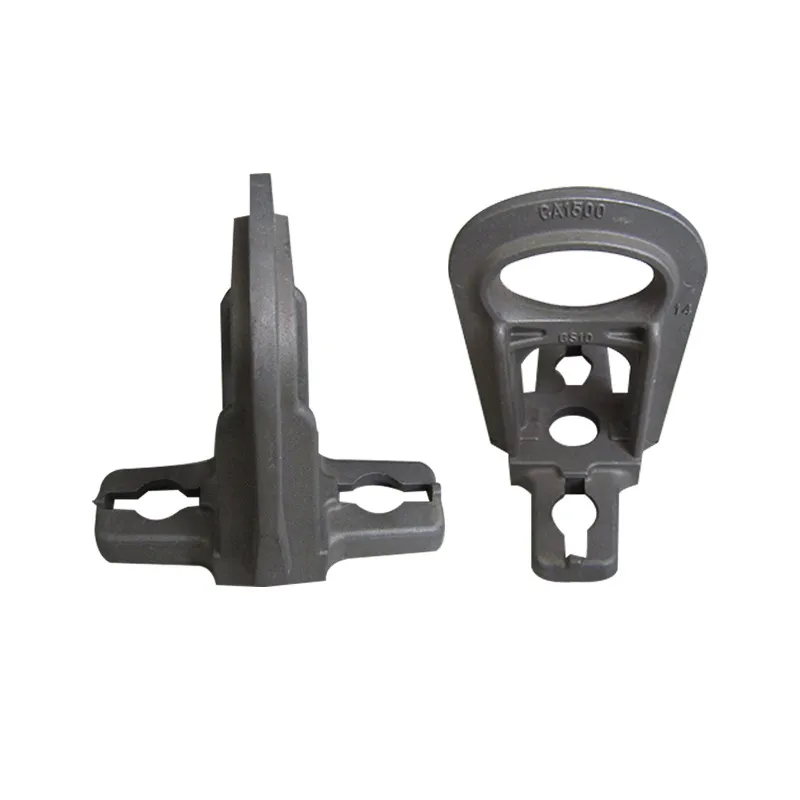
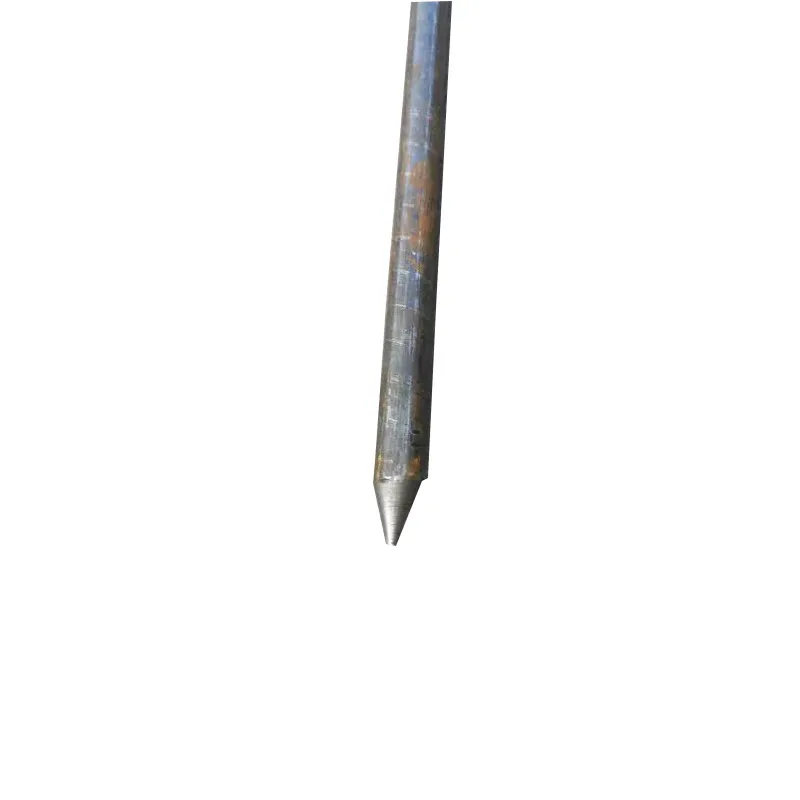
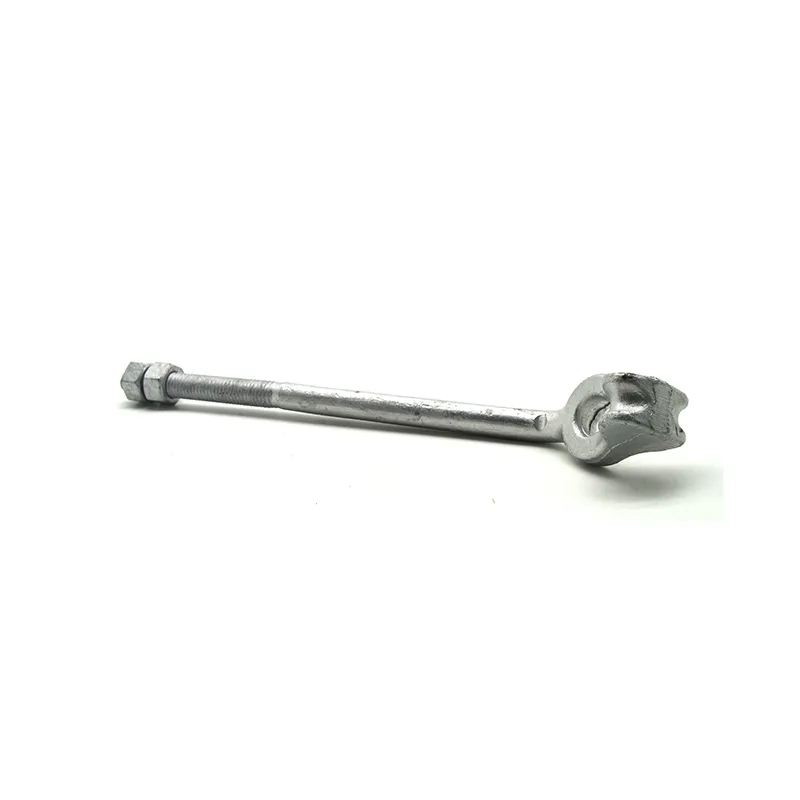
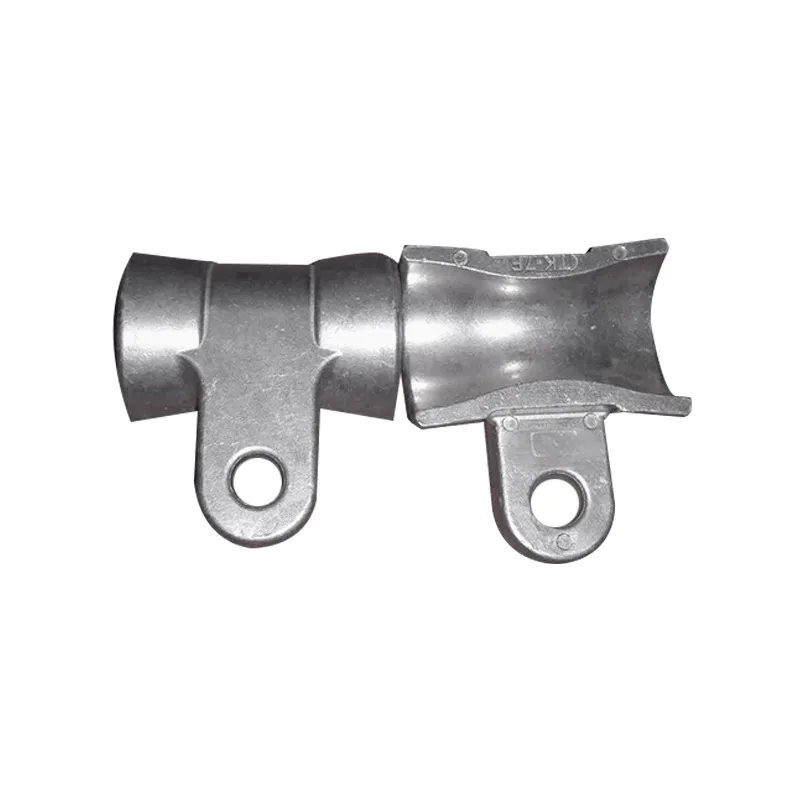
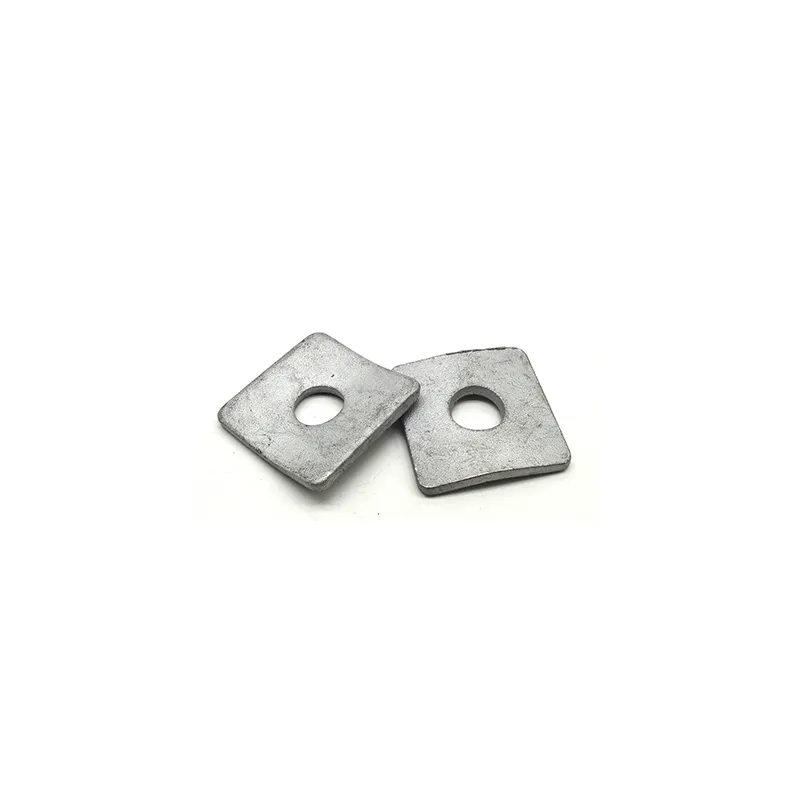
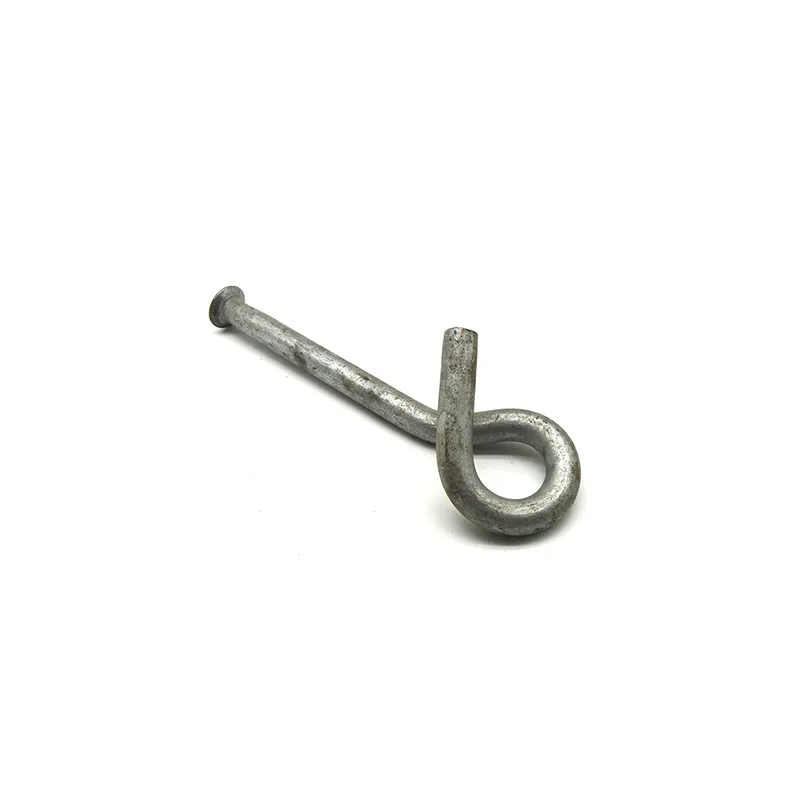
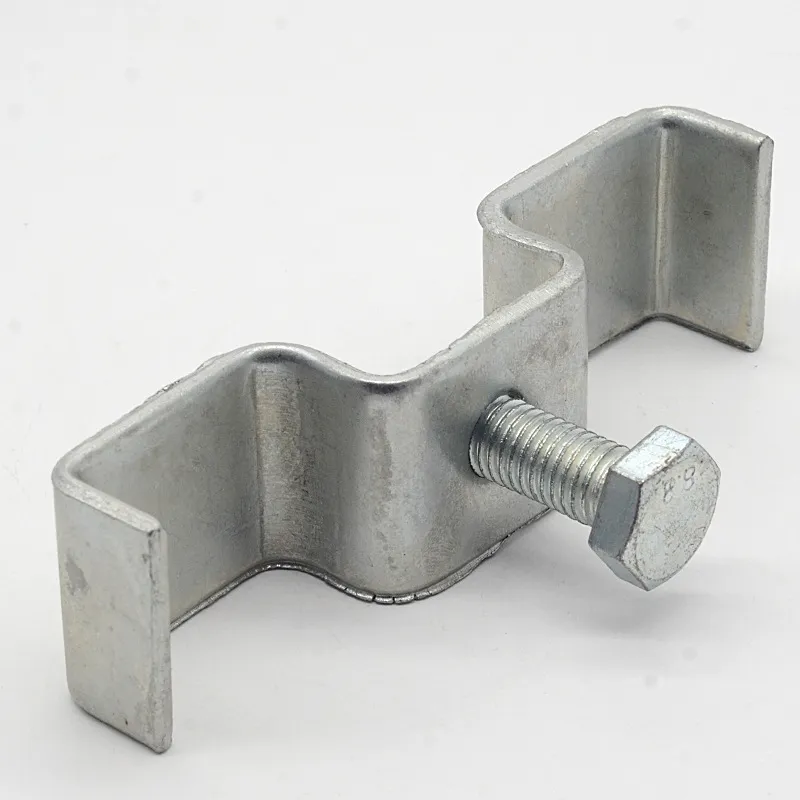
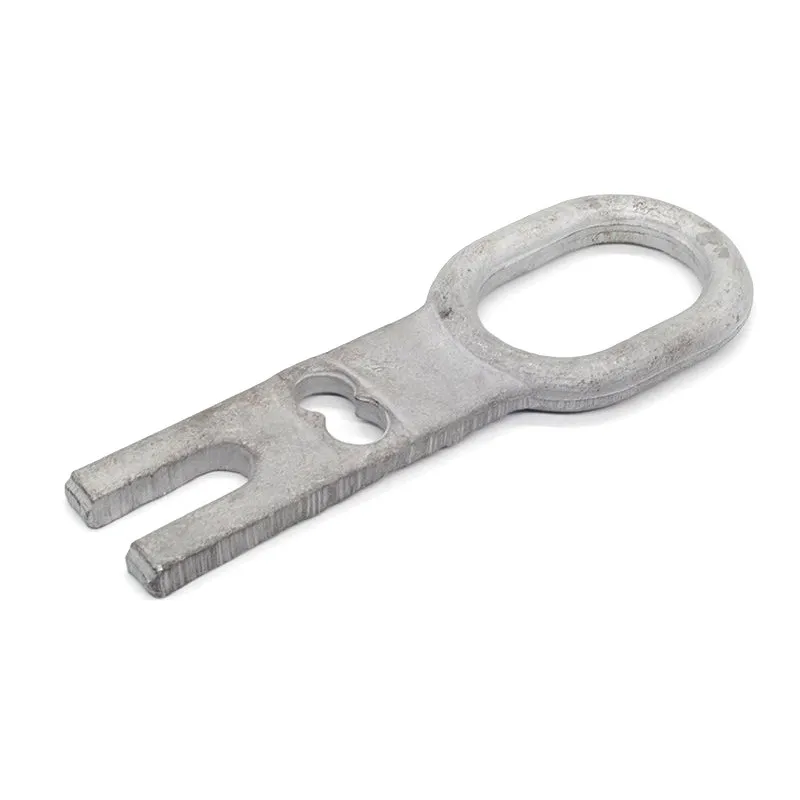
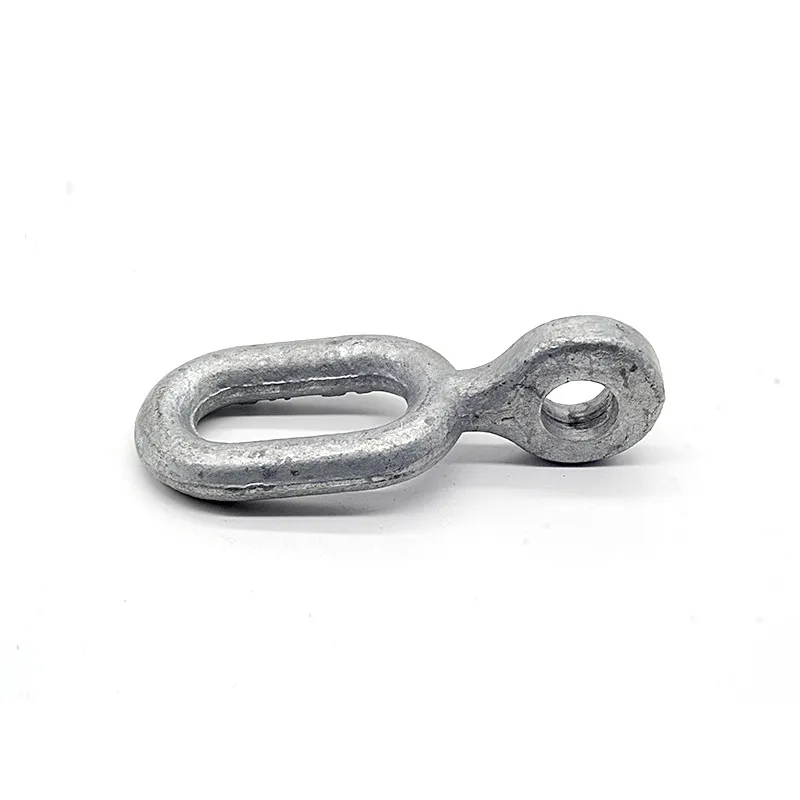
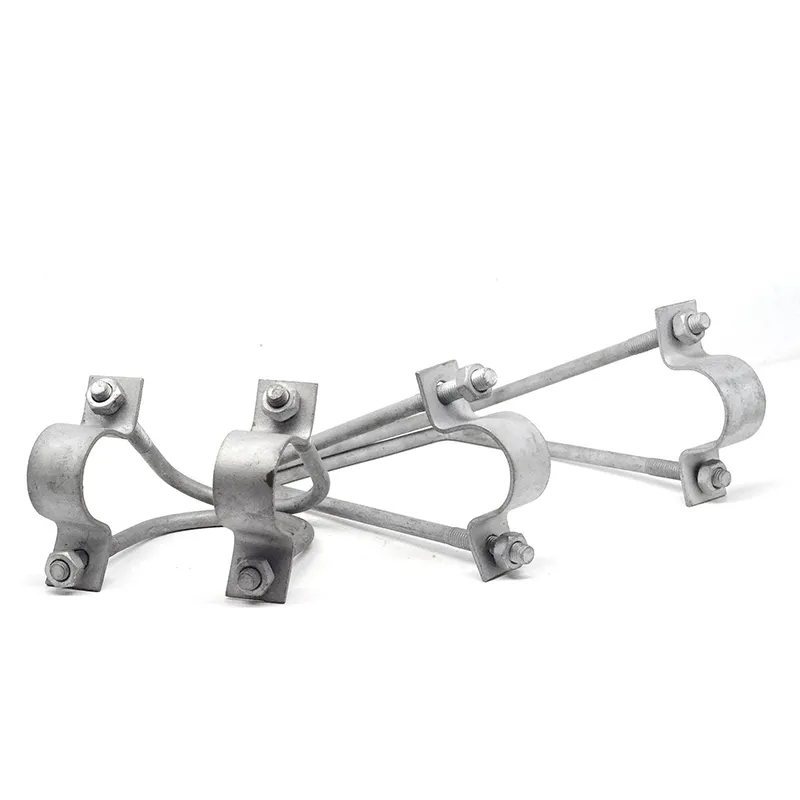
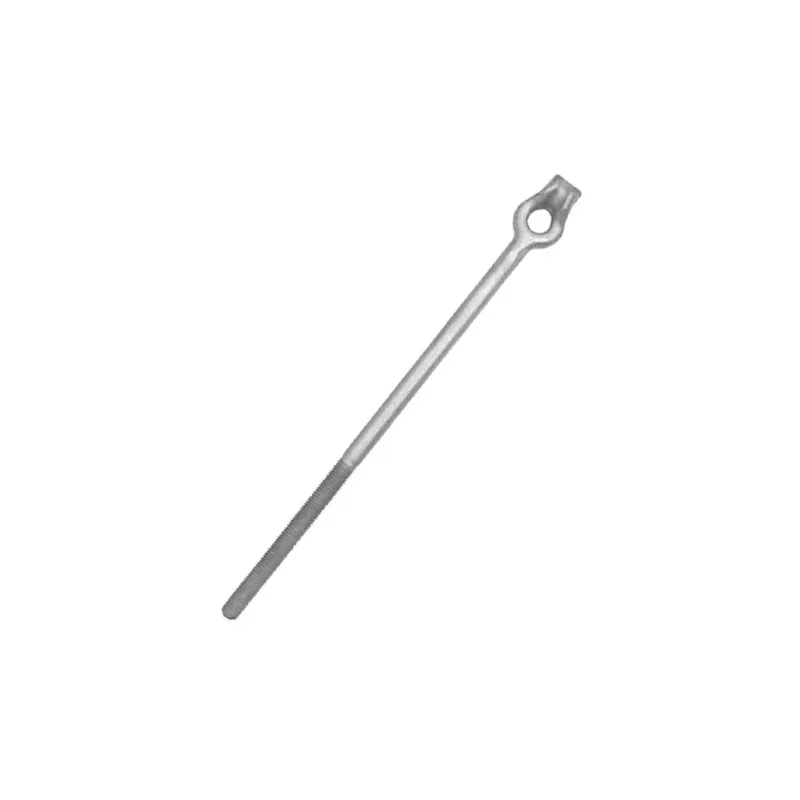
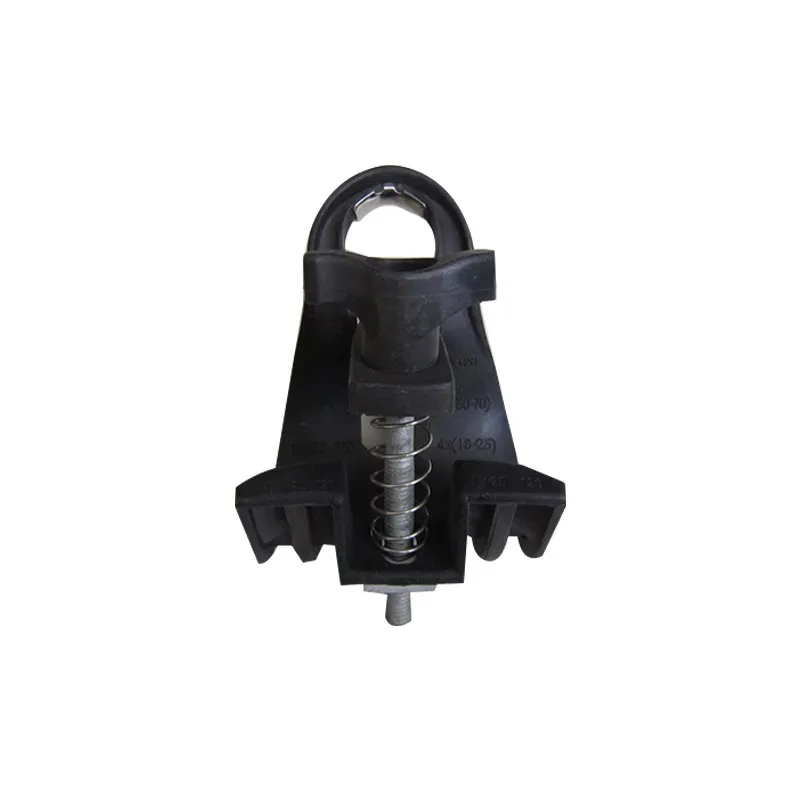
Arched rods
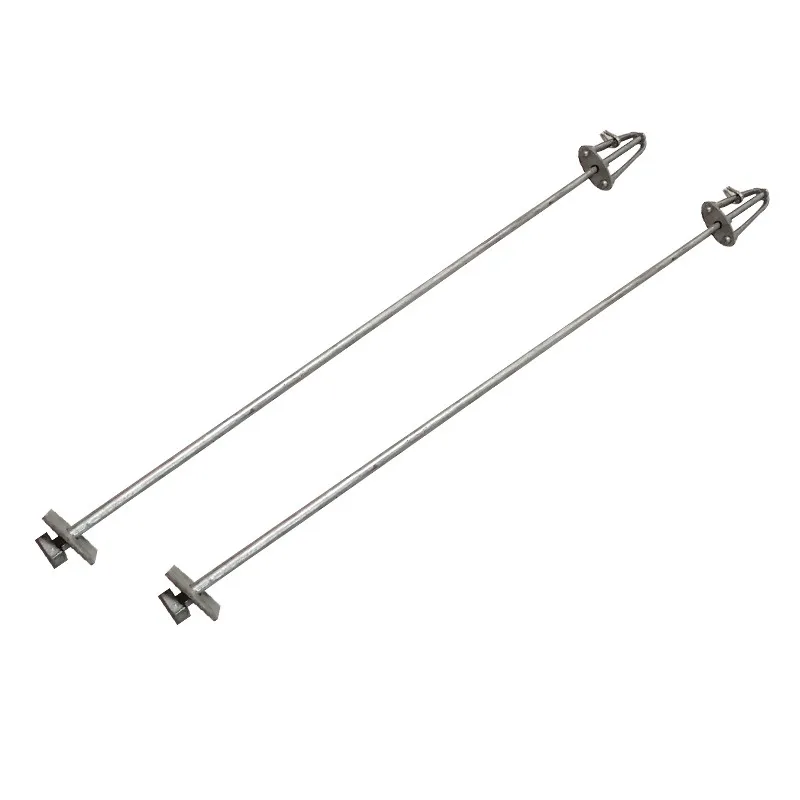
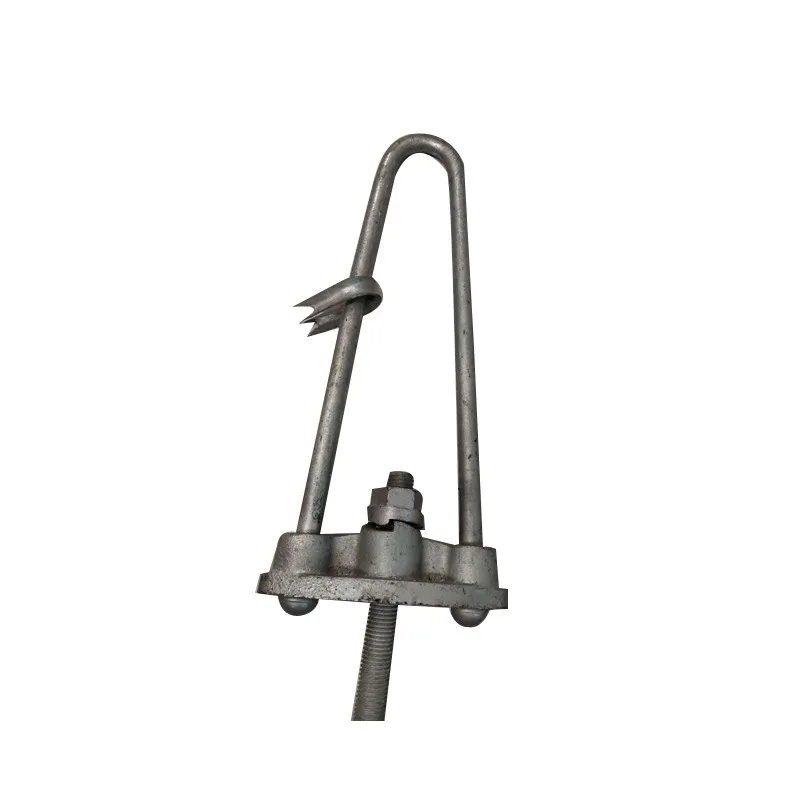
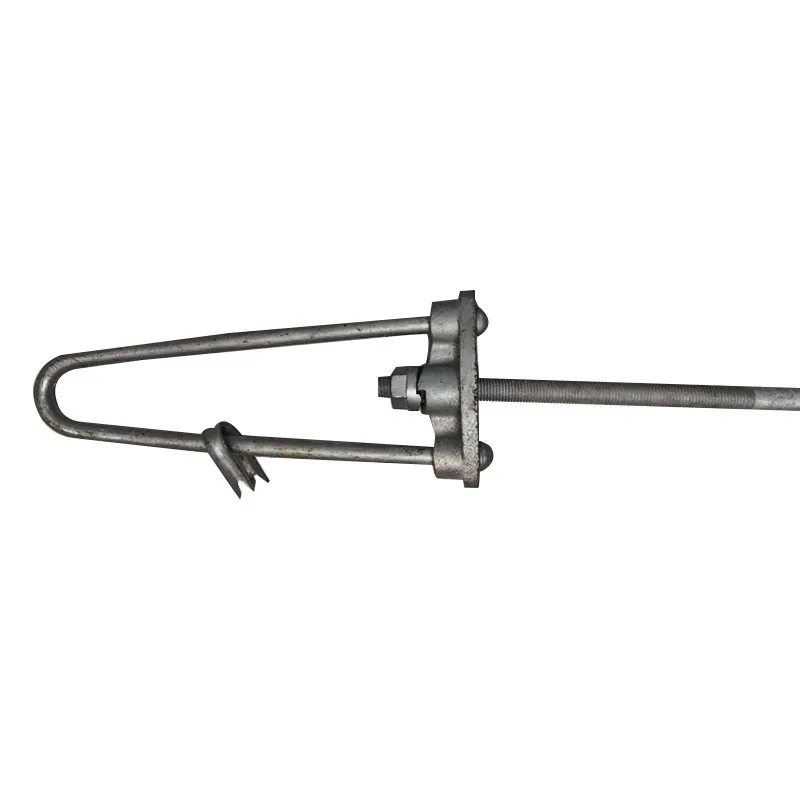
Product Description: The “butterfly-type cable tie” is a fastener with a special shape and function, widely used in various fields. Its design and working principle enable efficient force transmission and load-bearing capacity. Below is a detailed description of the butterfly-t...
Description
marker
Product Description:
The "butterfly-type cable tie" is a fastener with a special shape and function, widely used in various fields. Its design and working principle enable efficient force transmission and load-bearing capacity. Below is a detailed description of the butterfly-type cable tie:
Design Features:
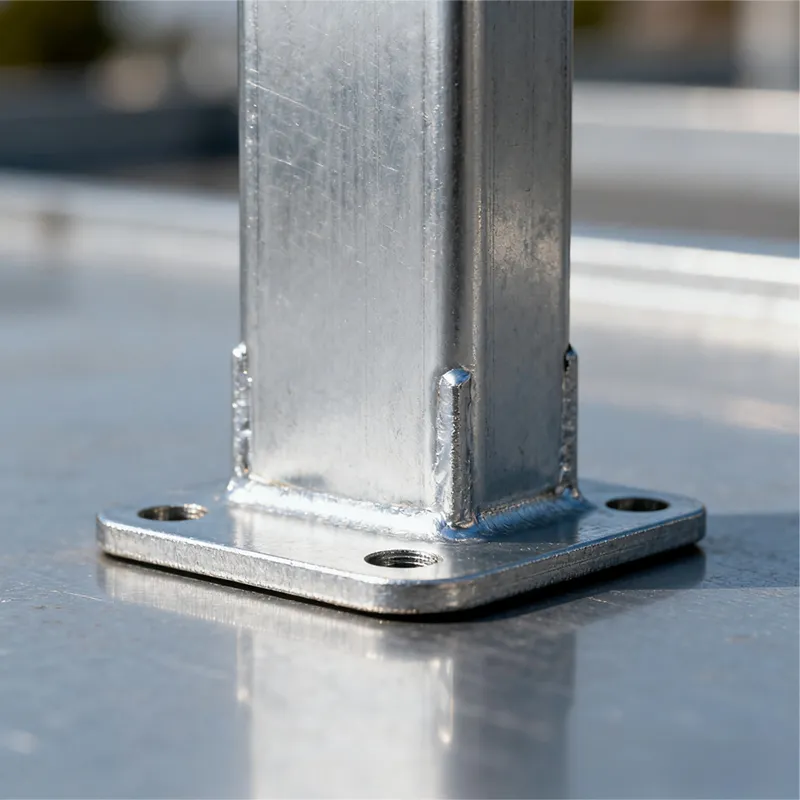
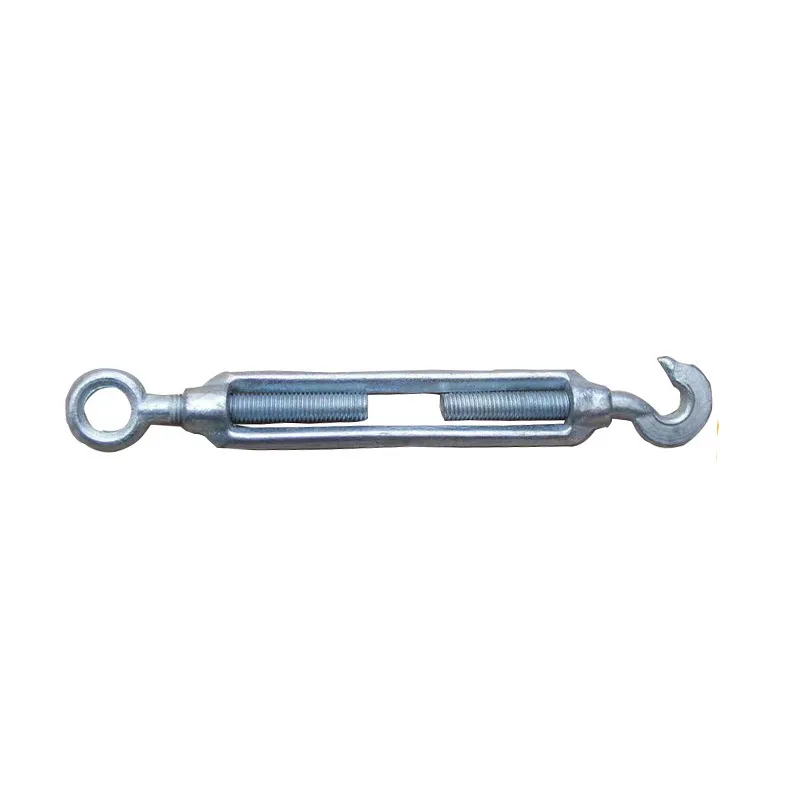
Main Structure: An arched rod typically consists of a curved arched section and connecting elements at both ends. The arched section serves as the main load-bearing structure and is usually arc-shaped. This shape ensures uniform distribution of tensile forces along the entire length of the rod, enhancing its load-bearing capacity. The end connections facilitate attachment to other components, typically via bolted joints or pin connections.
Material Selection: To ensure sufficient strength and durability, arched rods are usually made of high-strength steels such as alloy steels. These materials undergo appropriate heat treatment, including quenching and tempering, to improve strength, toughness, and wear resistance, enabling them to meet the requirements of various operating conditions and loads.
Operating Principle:
The functionality of an arched rod depends on its distinctive shape and mechanical properties. When subjected to tensile forces, the arched section undergoes elastic deformation, converting external tension into internal stresses. Thanks to the curved structure of the arch, these stresses are distributed along its curvature, enabling the rod to withstand significant tensile loads without damage or deformation. At the same time, the connection points at both ends transmit tensile forces to the associated structural components, thereby ensuring force transmission and structural stability.
Application Areas:
Architecture: In large-span structures such as stadiums, exhibition halls, and warehouses, arched tie rods are part of tensioned beam systems. These structures consist of arch beams, lower chord arched tie rods, and braces. By applying pre-tension through stretching the arched tie rods, the stress distribution within the structure is effectively regulated, enabling deformation control and covering large spans.
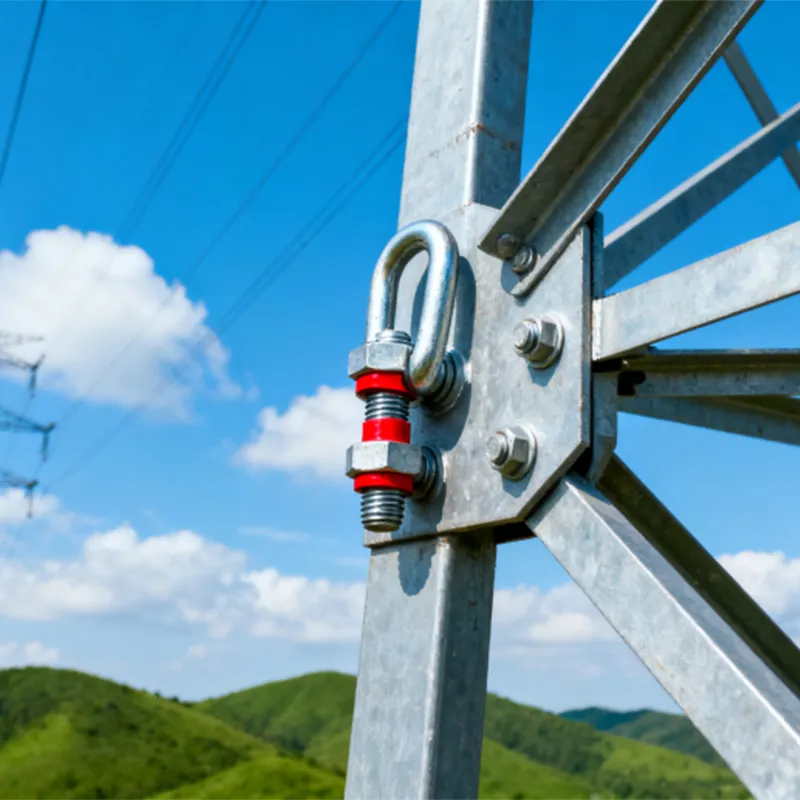
Electrical Engineering: Arched tie rods serve as anti-deflection elements for power transmission line supports, also known as arched stays. Installing a central support column with arched tie rods attached to its top and bottom ends forms an arched structure. This significantly enhances the support’s bending resistance, providing the necessary support and stability—especially in confined spaces or areas with terrain restrictions.
Mechanical Engineering: In certain machinery, arched tie rods facilitate force transmission and motion. Used in lifting equipment and machine tools, they function as connecting and transmitting components, ensuring operational reliability and precision.


contact us
Related popular products
Hairpin Hook
Product Description Pig-Tail Hook A pig-tail hook is a fastener that resembles a pig’...
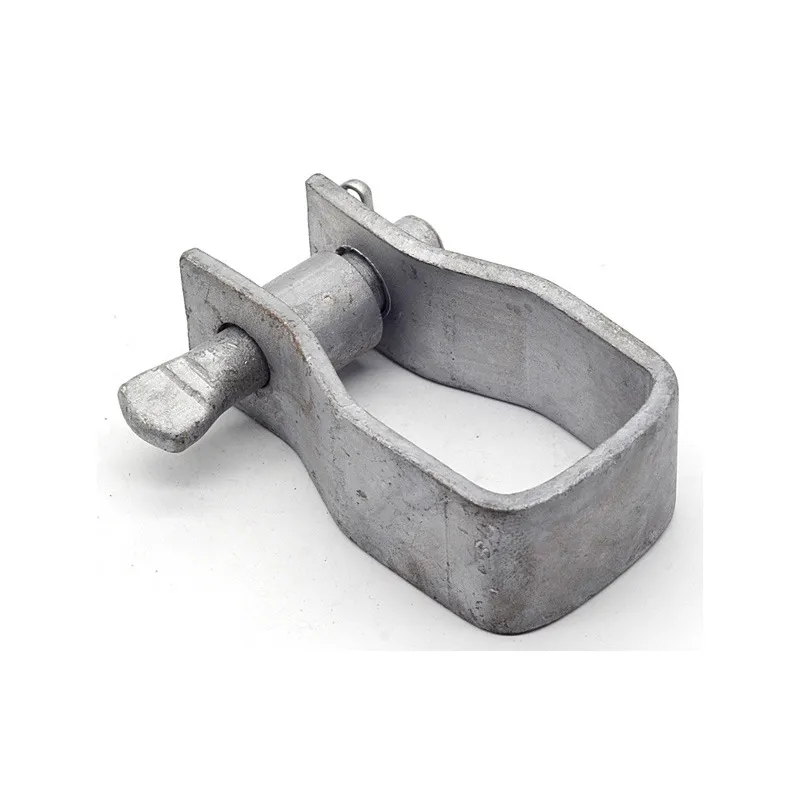
Planks
Product Description: Hanging plates are metal components used for connection, transit...
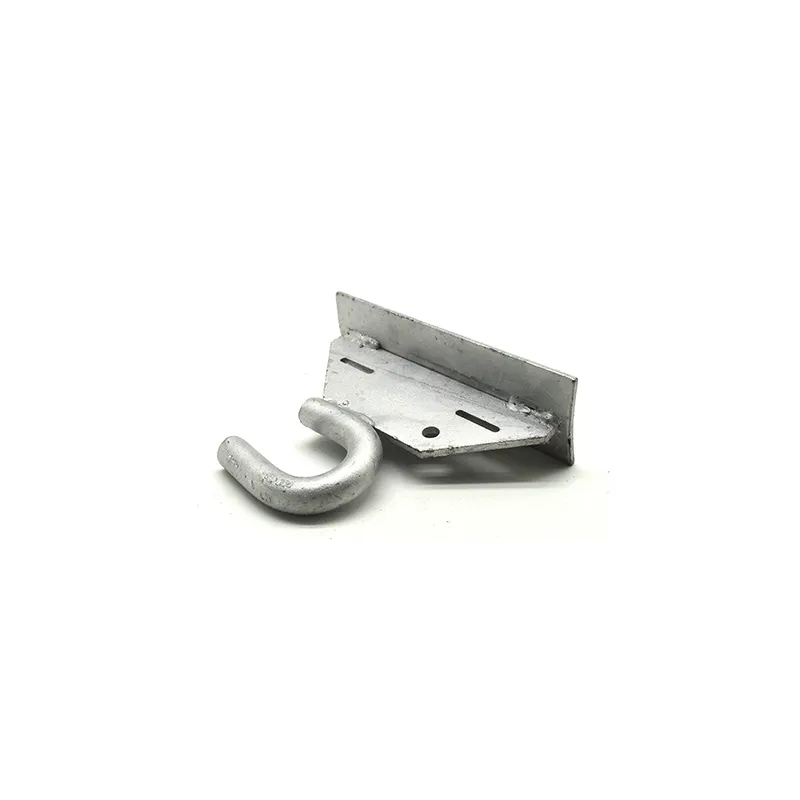
Wall hooks
Wall-mounted Metal Hook This product consists of a metal plate with mounting holes and a curved ...
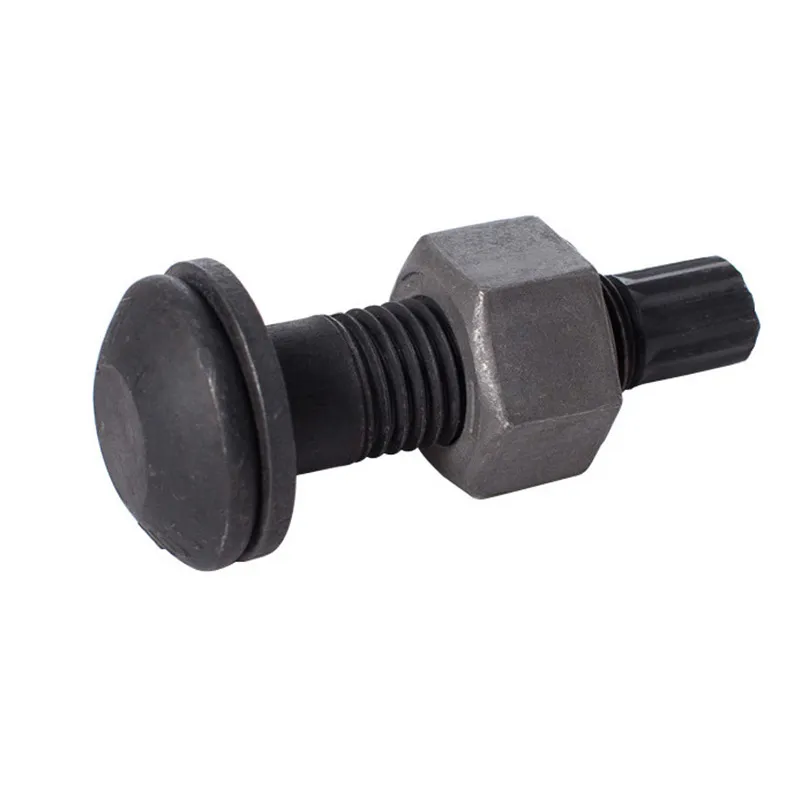
High-strength socket head bolts for steel structures
Product Description: High-strength structural shear bolts with tension control are hi...
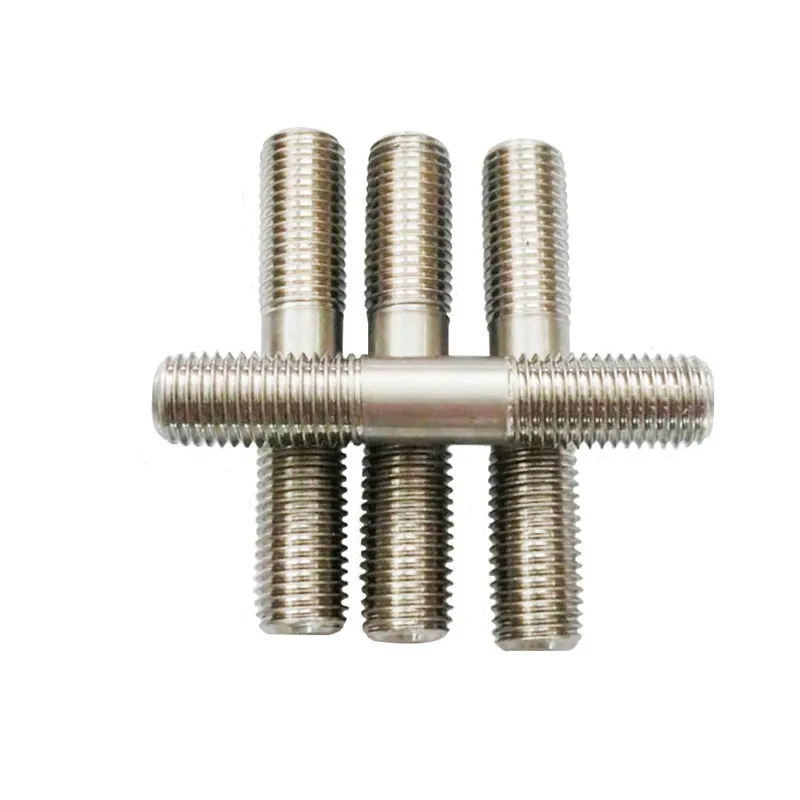
Double-ended bolts
Product description: Double-ended bolts are fasteners with external threads on both e...
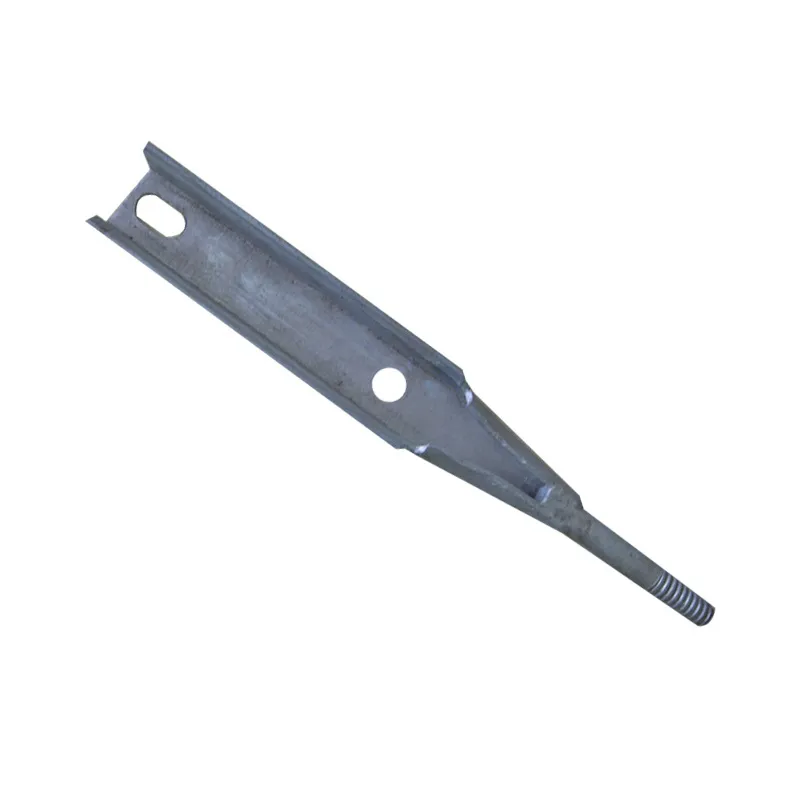
American Standard Steel Foot
Product Description: American steel toe caps typically refer to steel components for ...
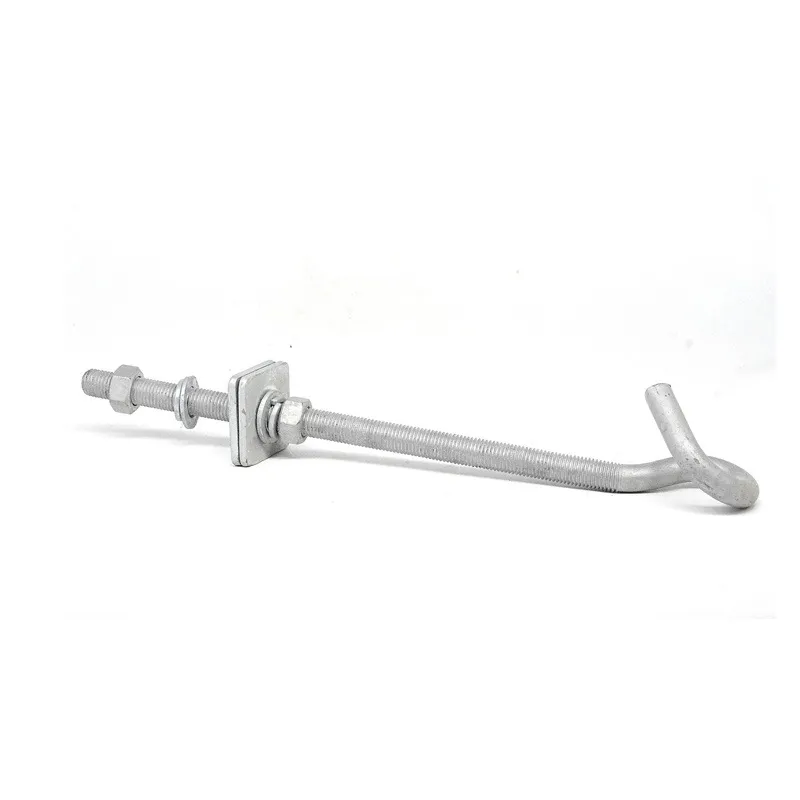
“Pig Tail” Screws
Product Description Pig-Tail Bolts A pig-tail bolt is a fastener with a special shape...
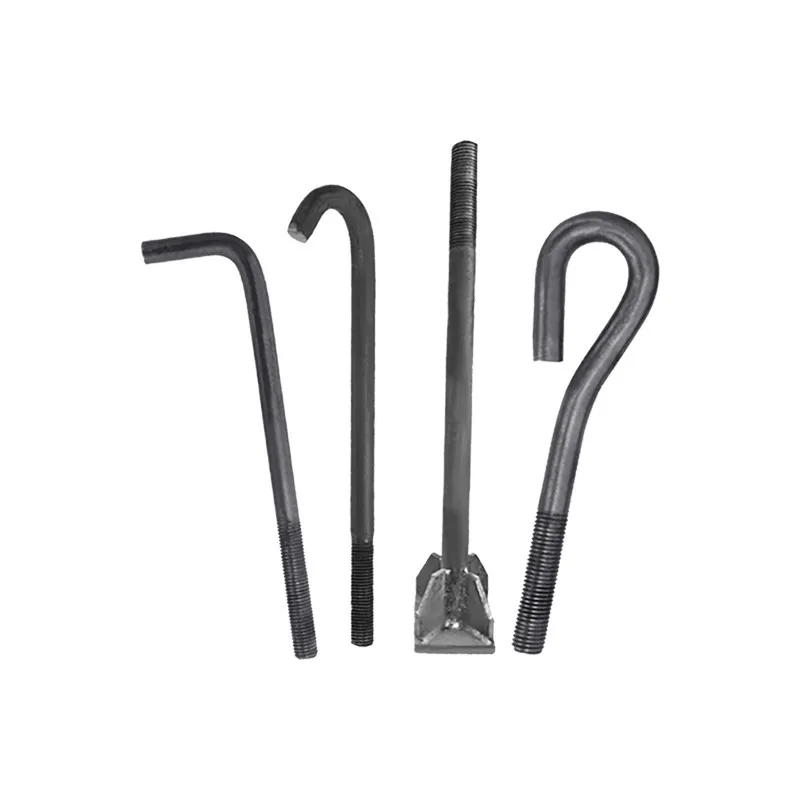
Anchor Bolts
Product Description: Anchor bolts are specialized fasteners used to secure equipment,...
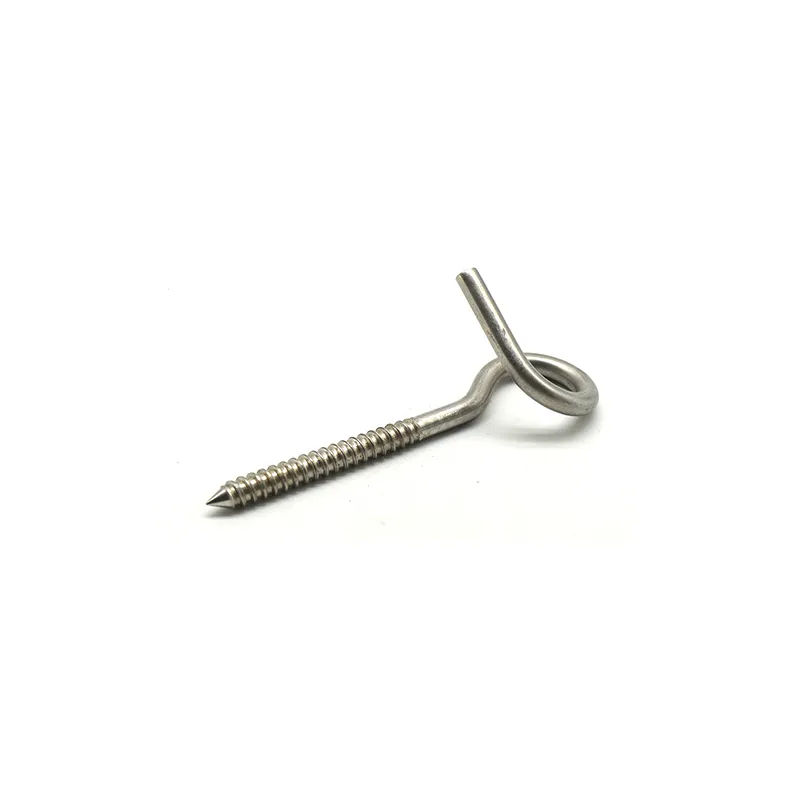
Wood Screws with Spiral Shank
Hook Screw (also known as cup hook or screw hook) This product consists of a threaded rod and a c...
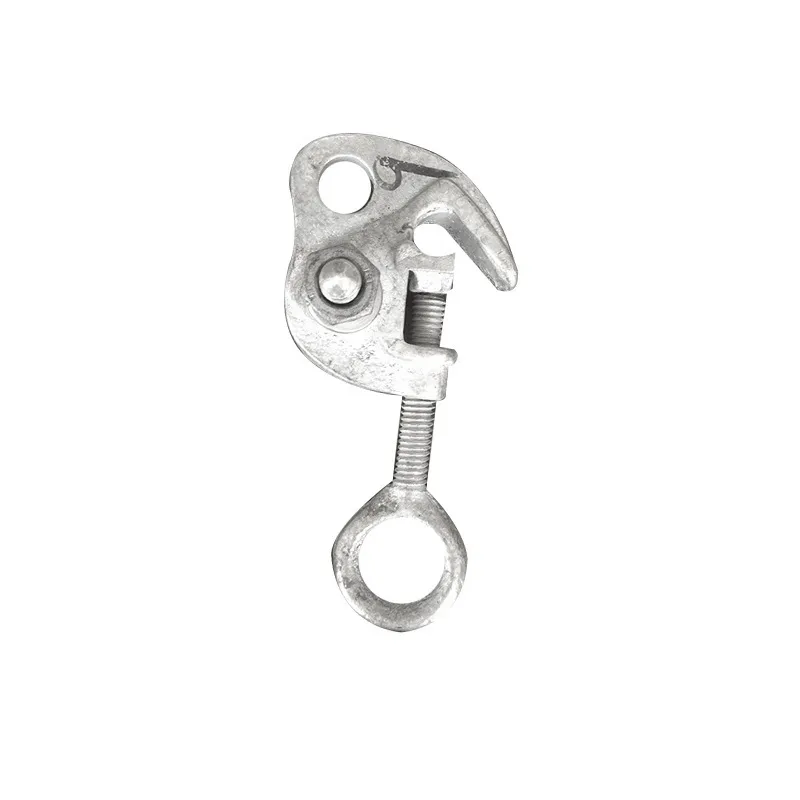
Galvanized specialized clamps
Product Description: Hot-dip galvanized special line clamps are electrical fittings m...
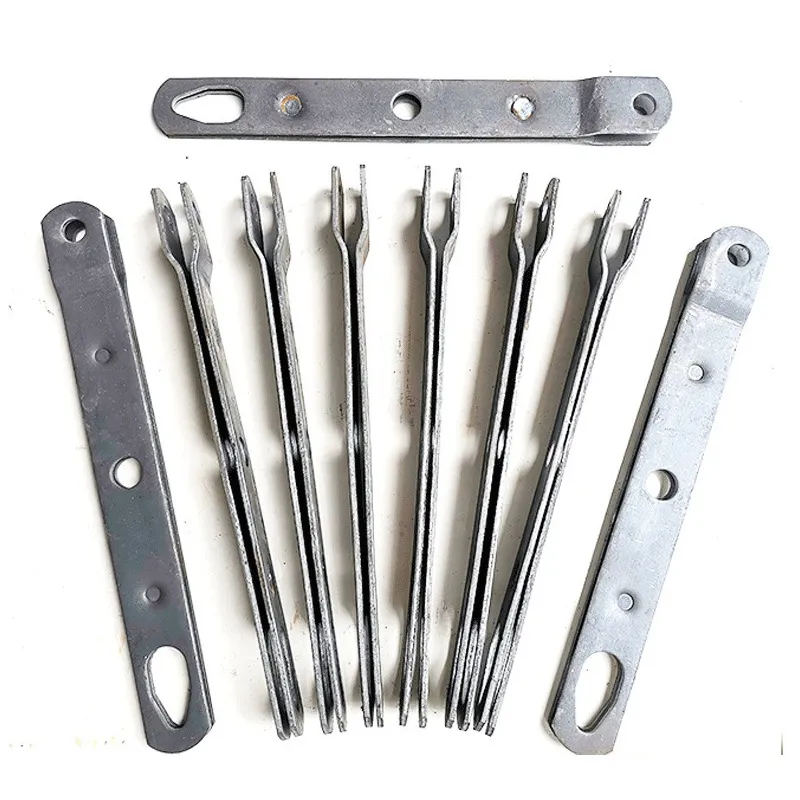
Electrotechnical Clamps
Описание продукта: Electrical clamps serve as essential components in power systems f...
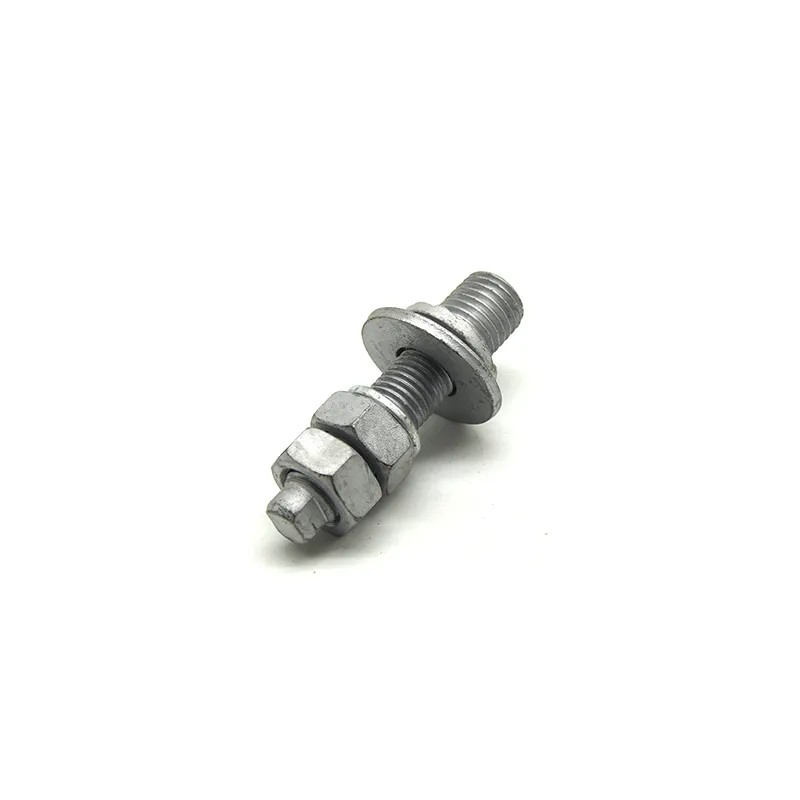
Steel supports of Series 57
This set consists of a fully threaded bolt, a nut, and a washer. A detailed description is provid...
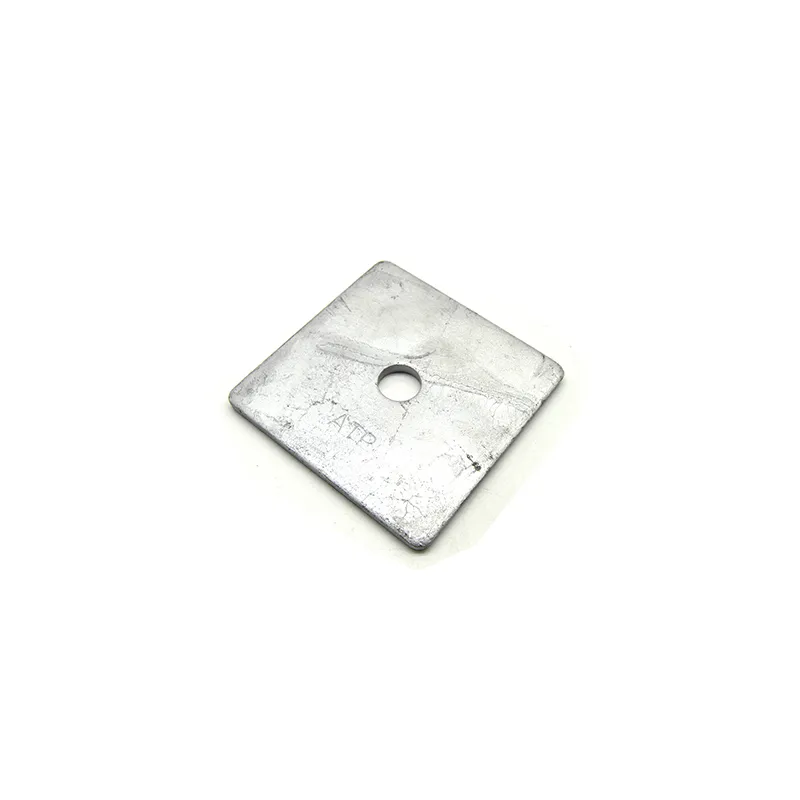
Square Washers
Product Description: A square washer is a mechanical component widely used in various mechanical ...
Insulator Fittings
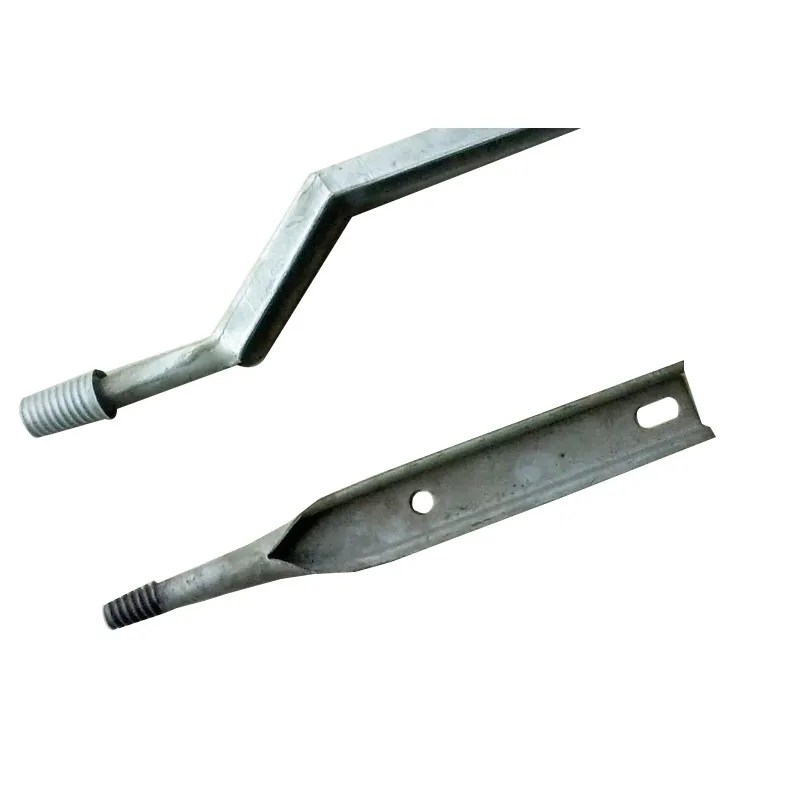
Product Description: Insulator fittings are important auxiliary components that ensur...
ZBD planks
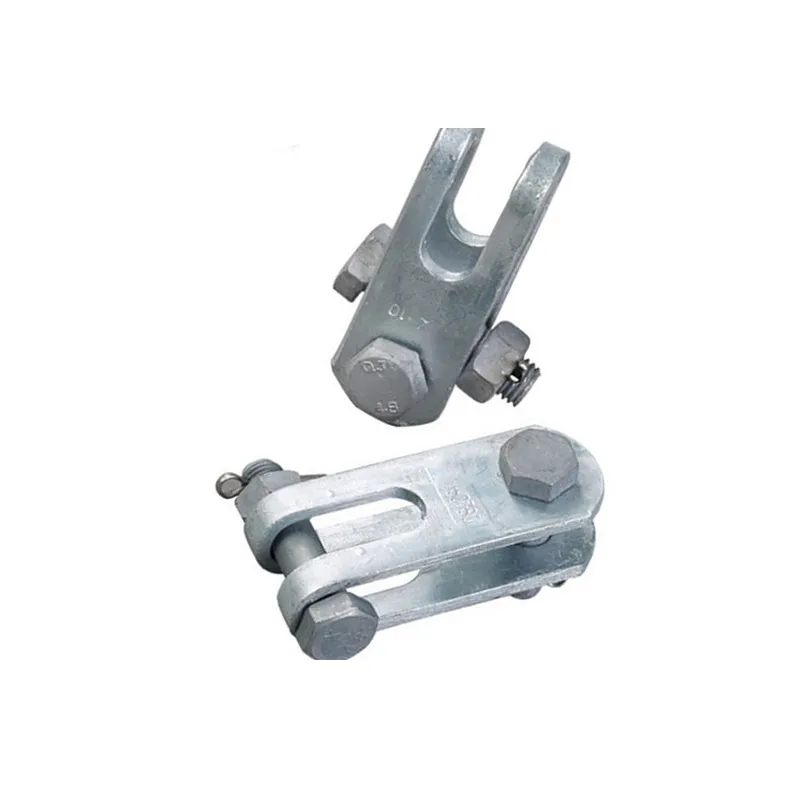
Product Description: ZBD suspension bracket is a connecting fitting in electrical ins...
Split washers
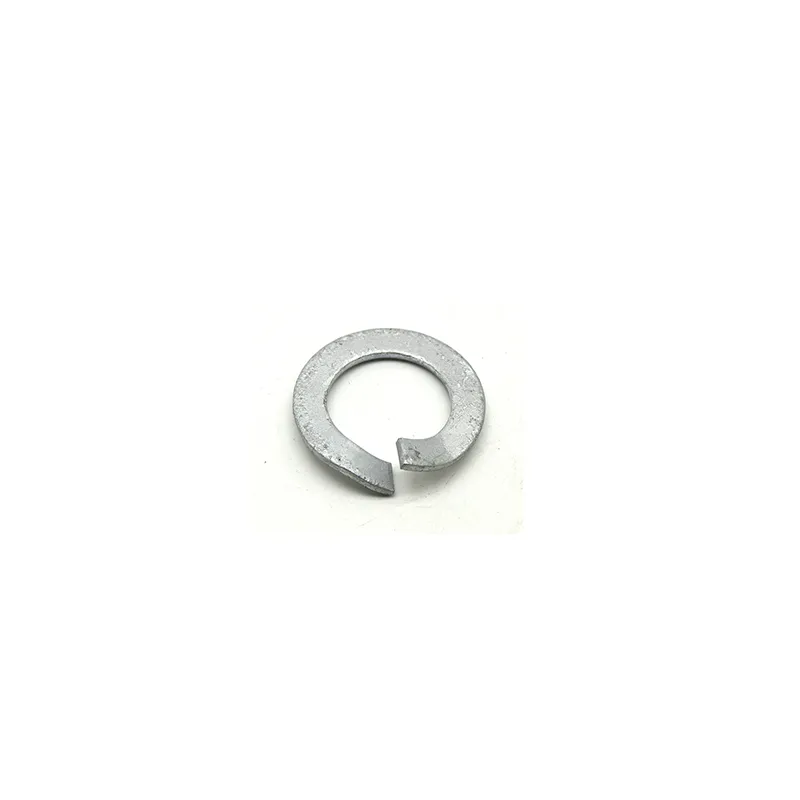
Spring washer (also known as a Grover washer) It is an auxiliary component for mechanical fastene...