
+86-15613040666



Products
Corner Planks
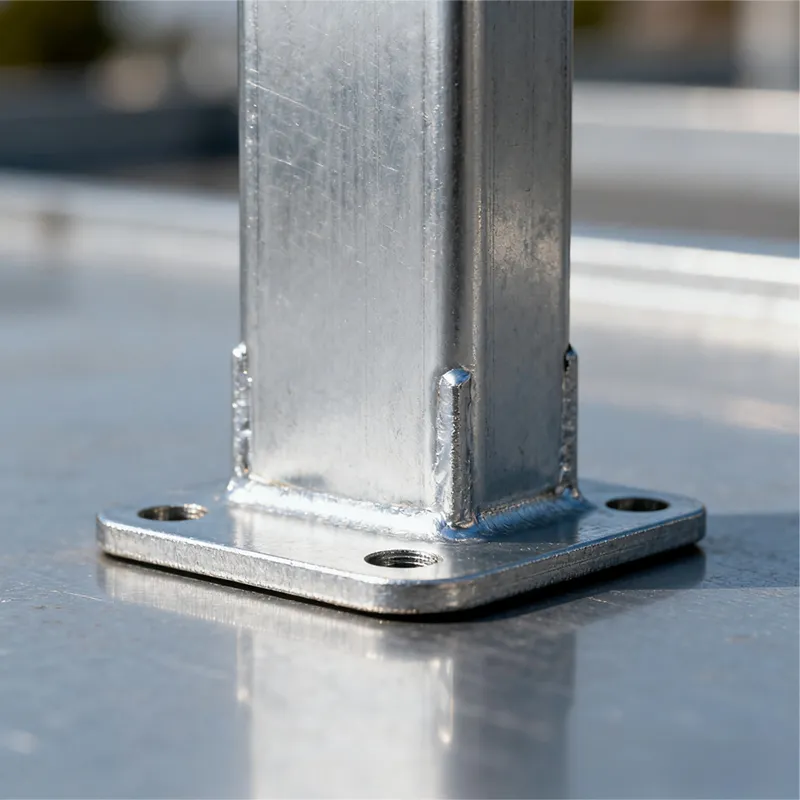
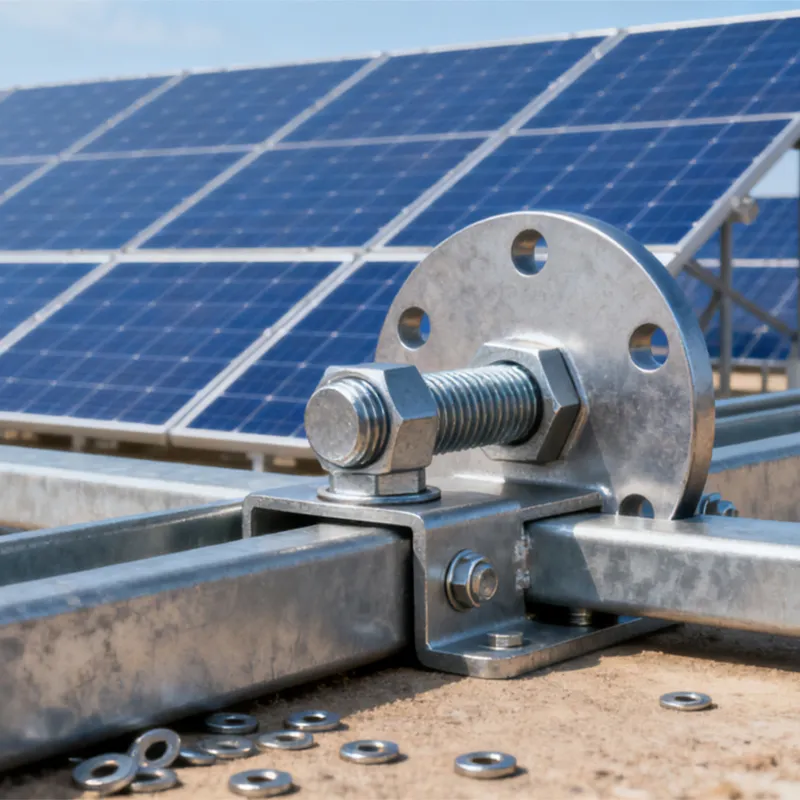
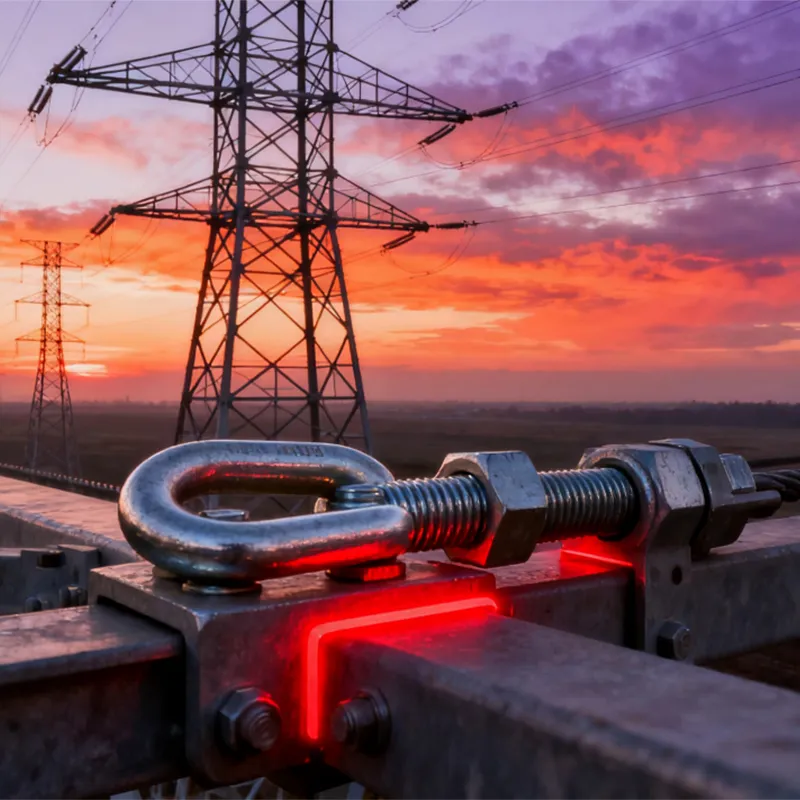
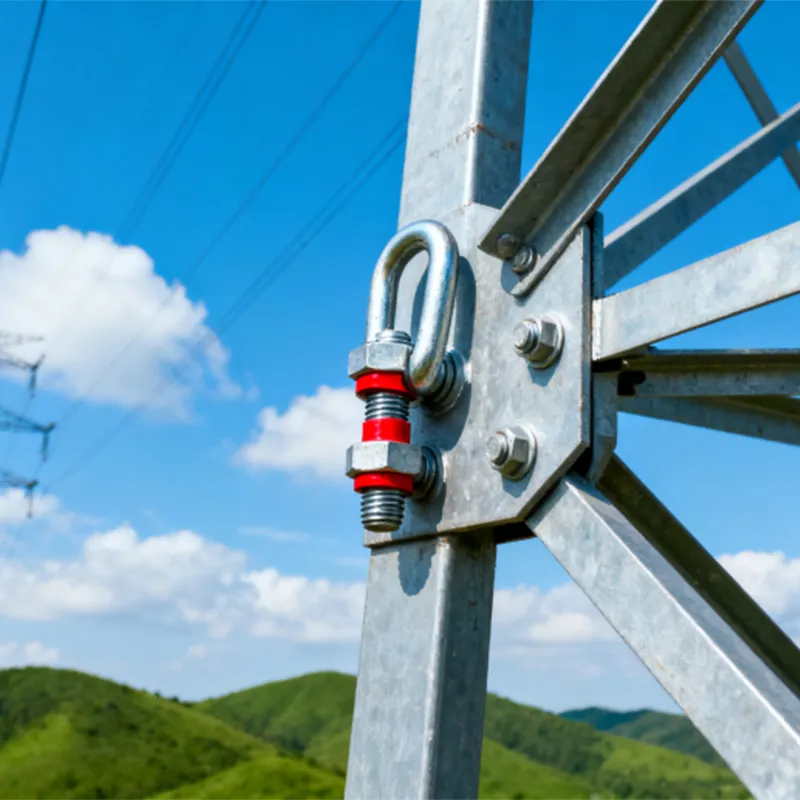
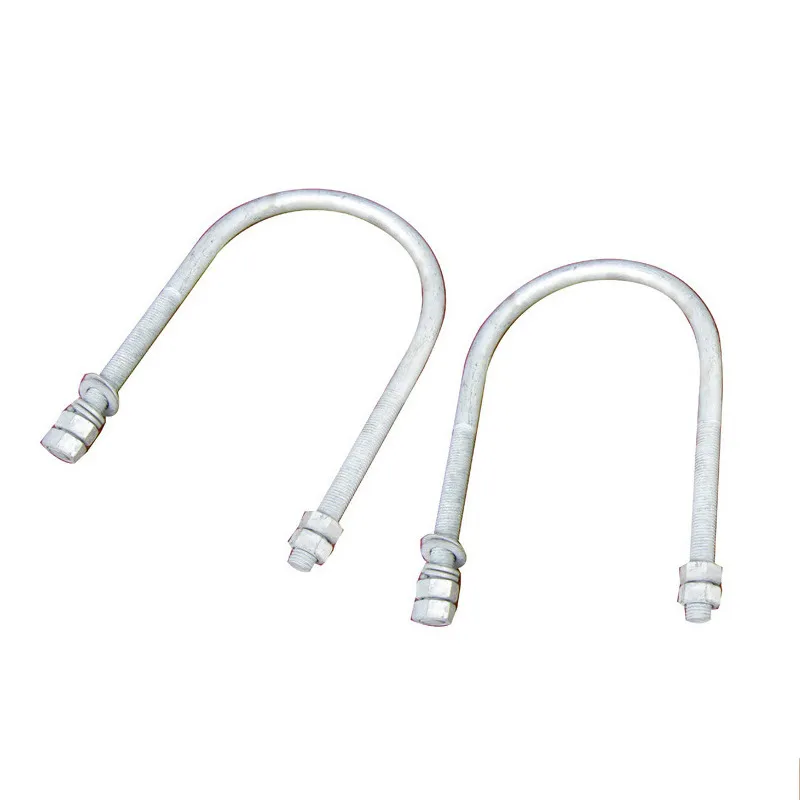
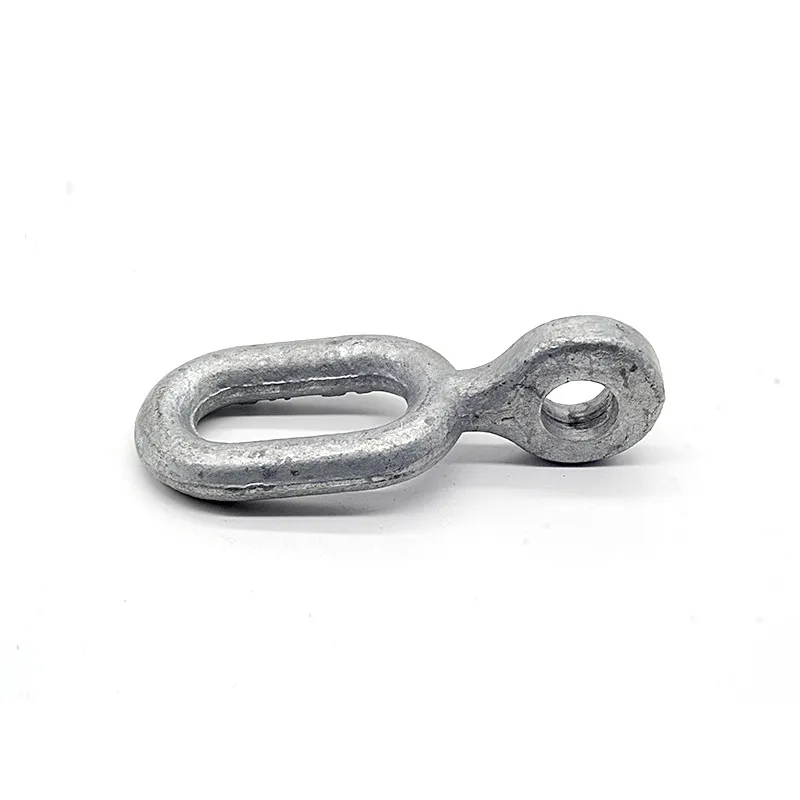
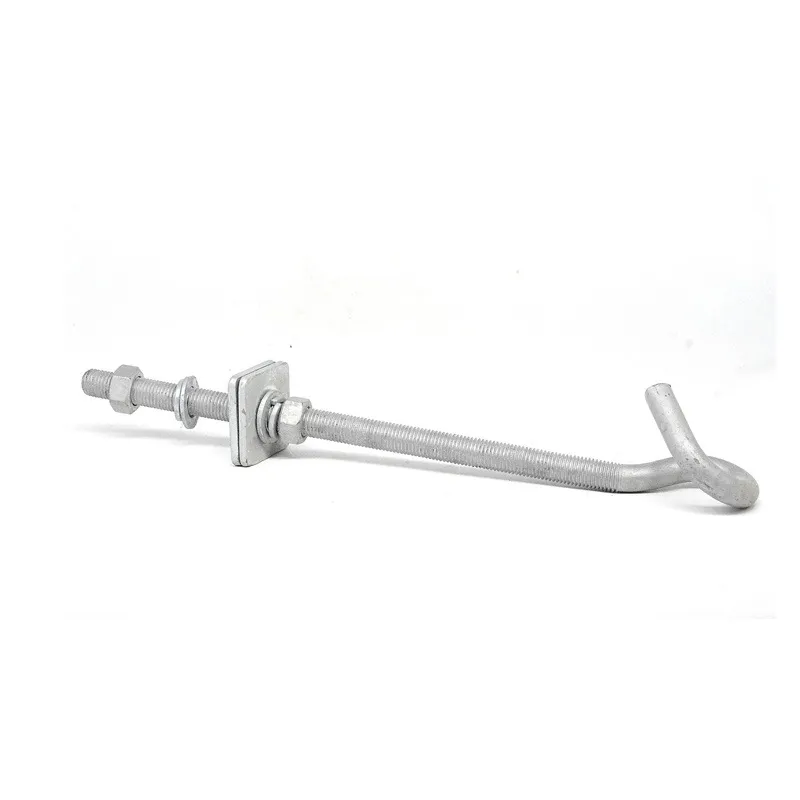
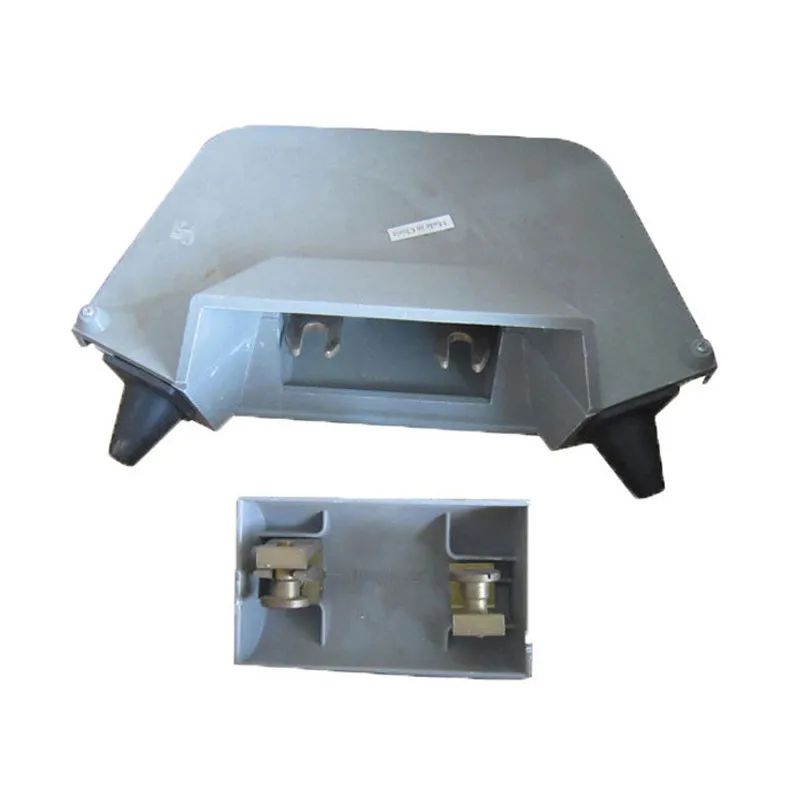
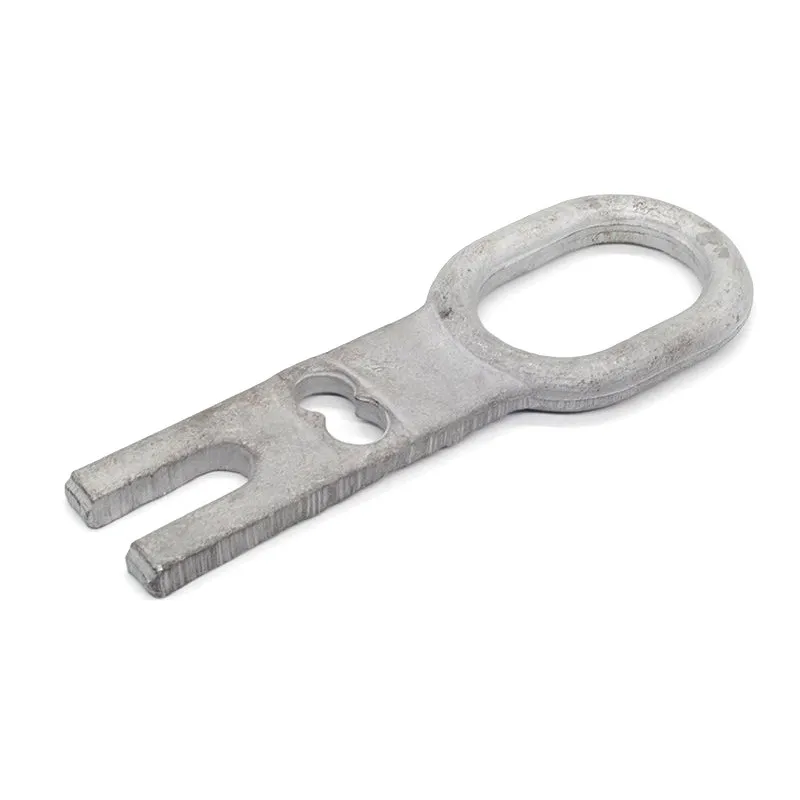
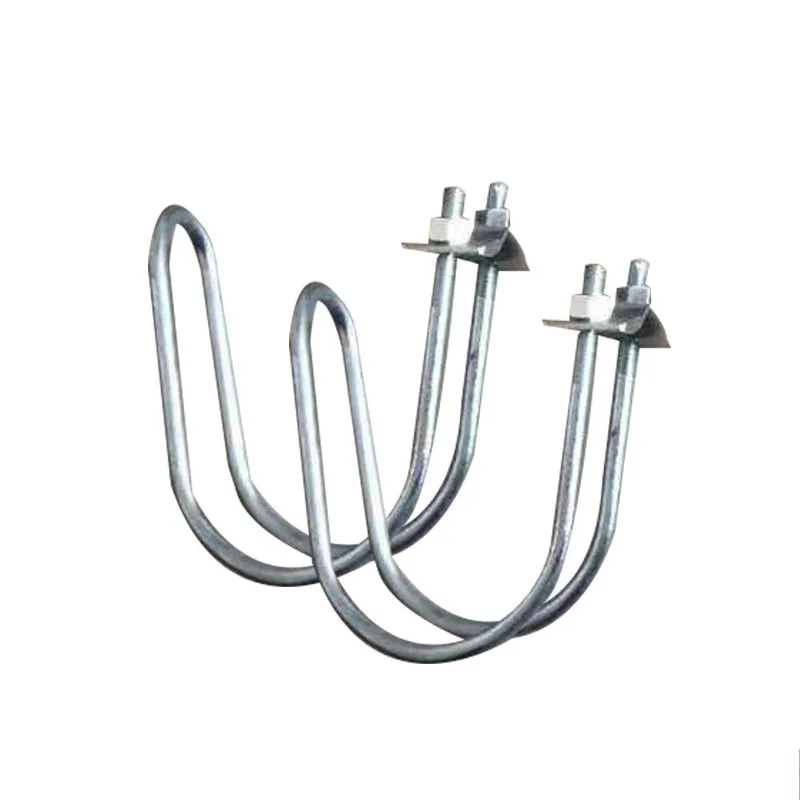
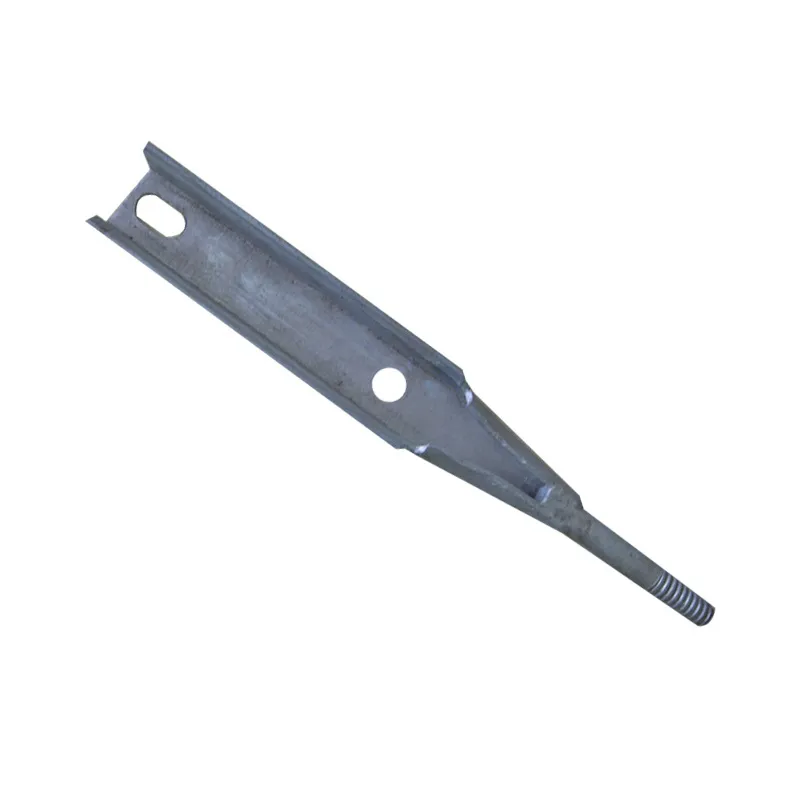
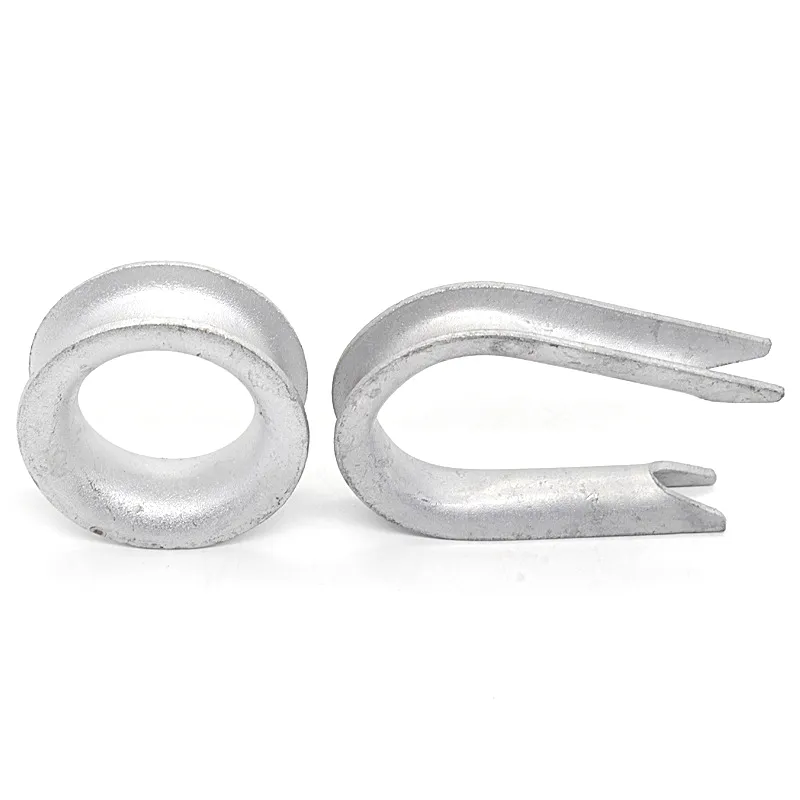
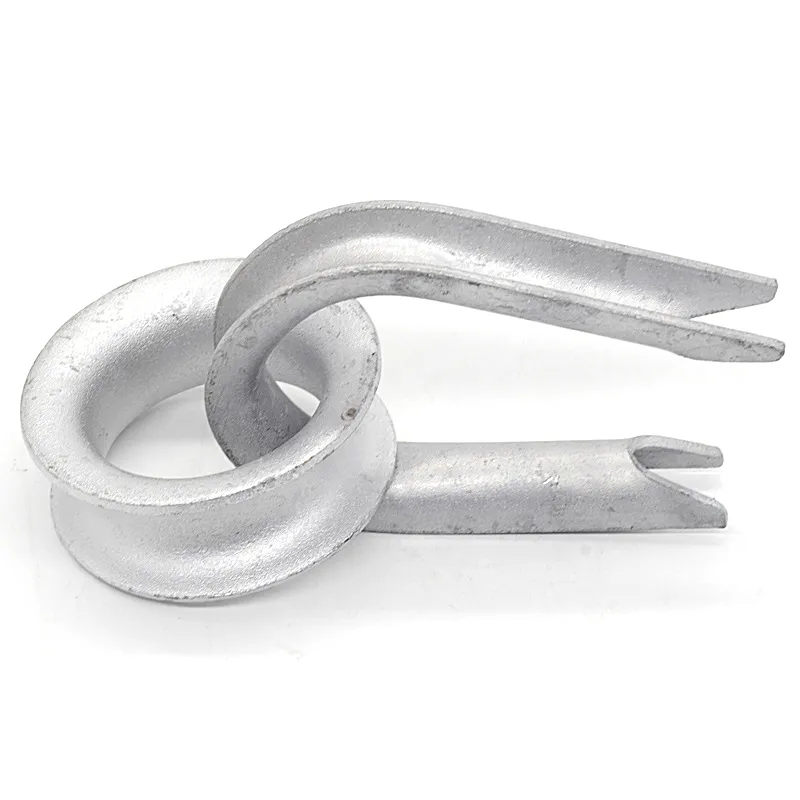
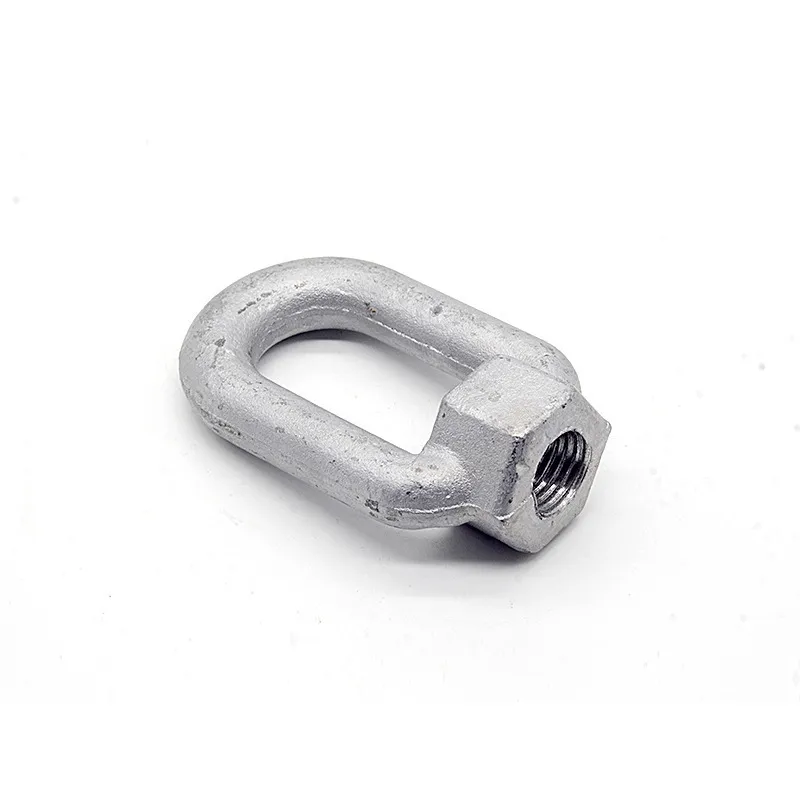
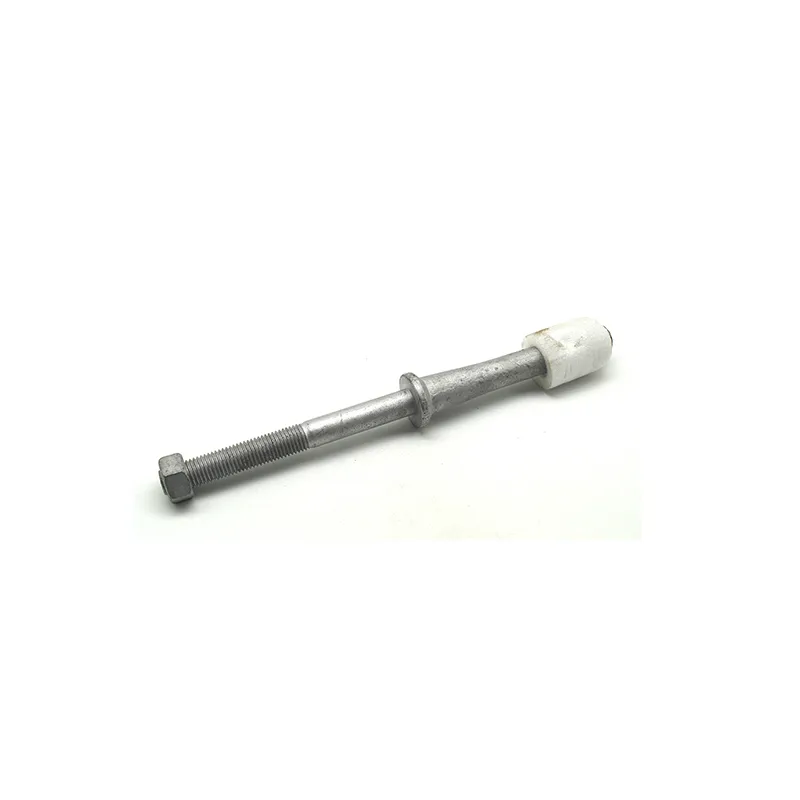
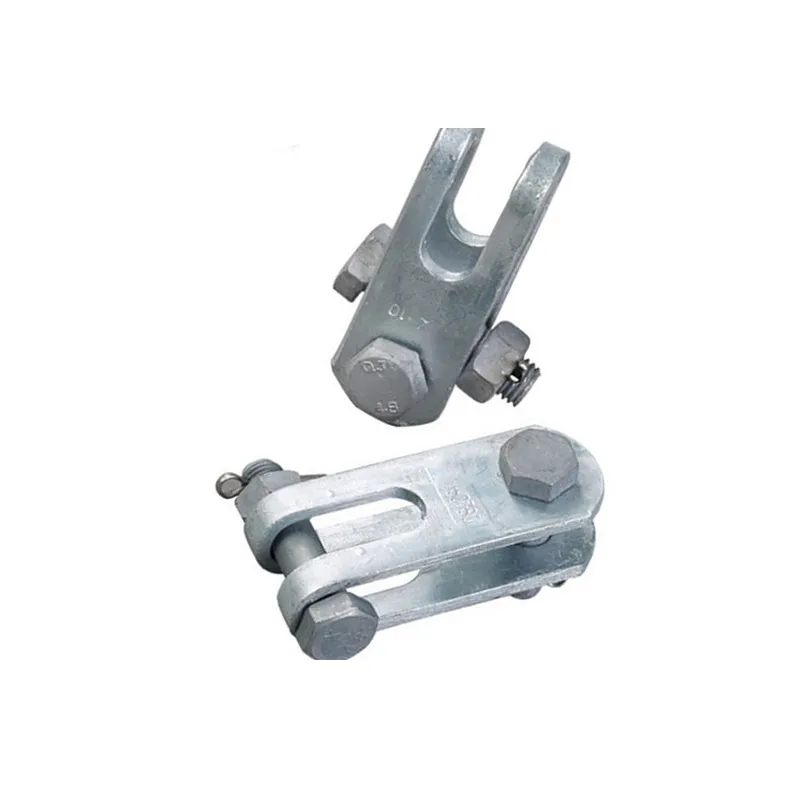
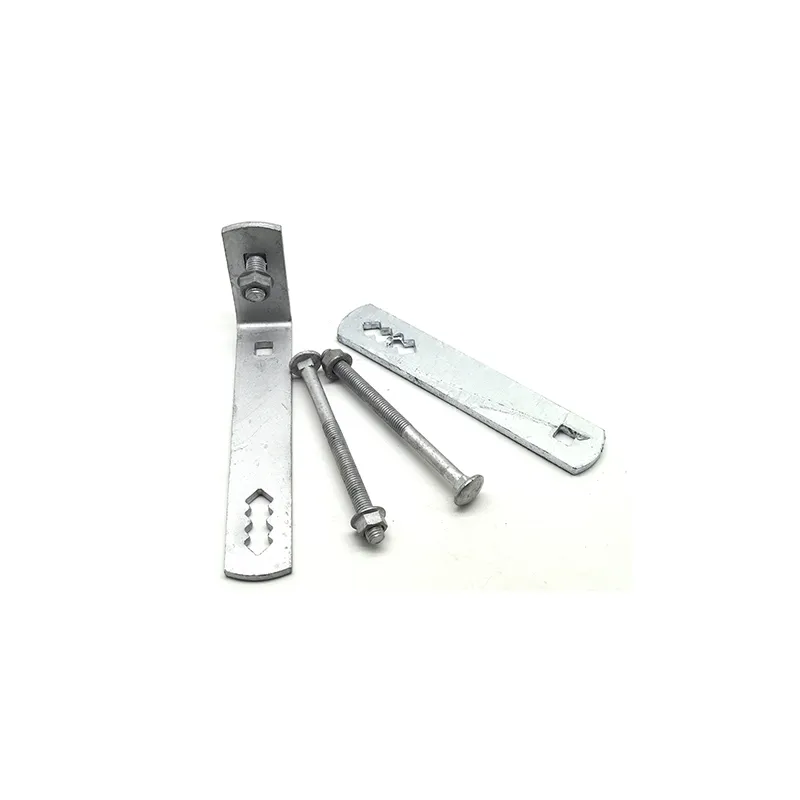
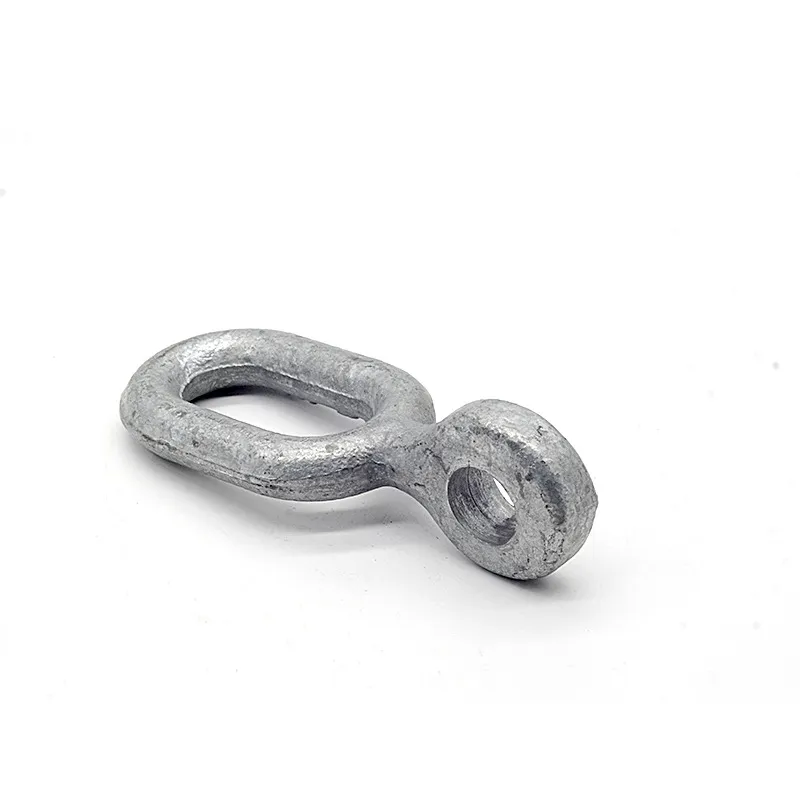
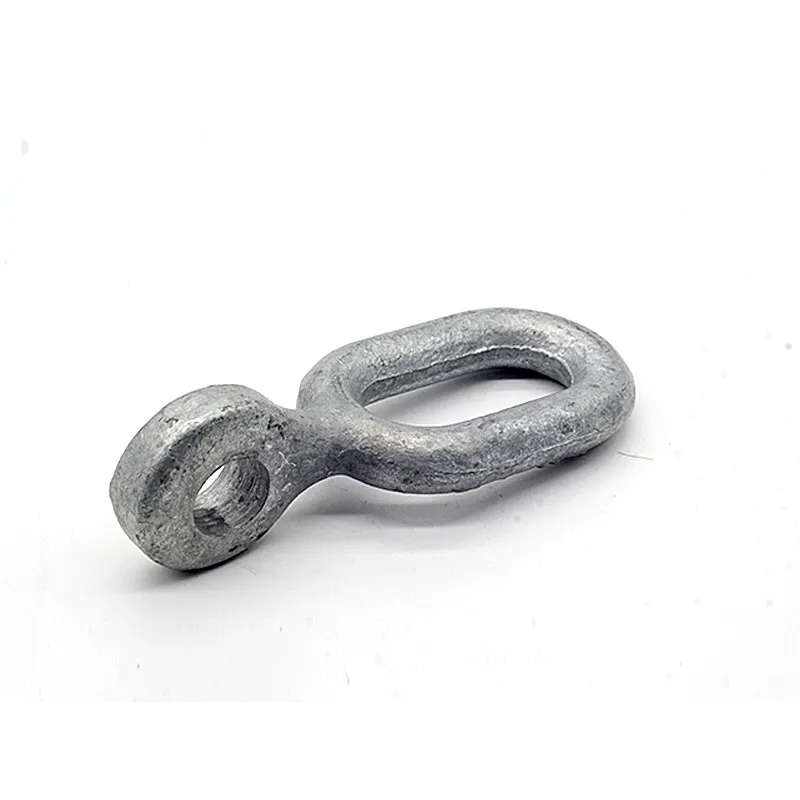
Product Description A typical swivel connection fitting in electrical equipment, so named due to its integrated 90° angle structure. Its main function is to change the direction of force to achieve a vertical or horizontal connection between individual components. Main Structure and Str...
Description
marker
Product Description
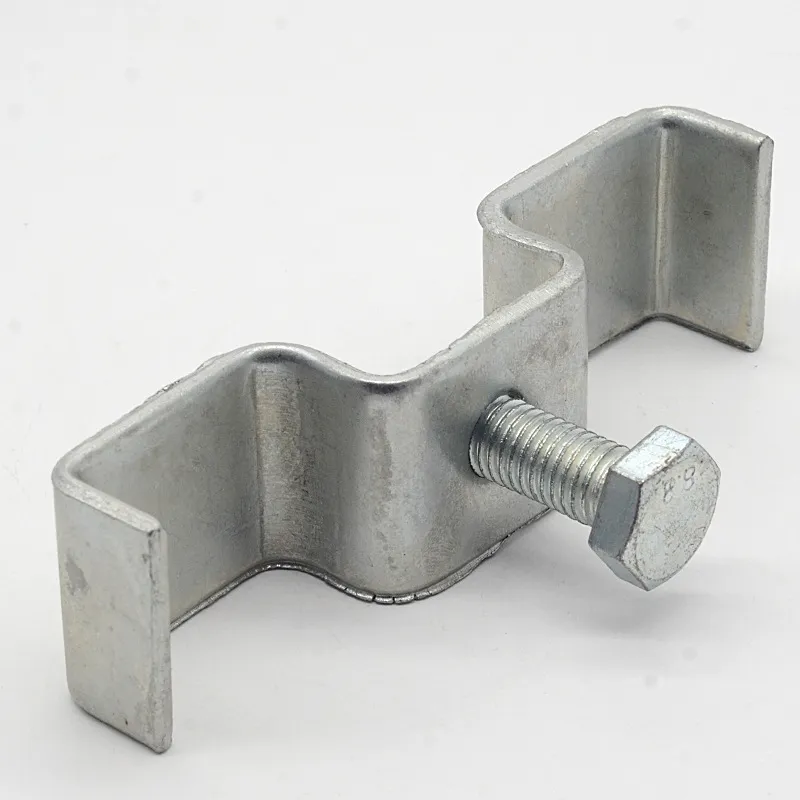
A typical swivel connection fitting in electrical equipment, so named due to its integrated 90° angle structure. Its main function is to change the direction of force to achieve a vertical or horizontal connection between individual components.
Main Structure and Structural Features
Structure of the Rectangular Bracket
The structure of the rectangular bracket is designed with its "swivel connection" function in mind, ensuring simplicity and target efficiency.
Main Structure
It is formed by welding or forging two mutually perpendicular metal plates into an L-shaped (rectangular) frame.
Connection Holes
Each perpendicular plate is equipped with 1–2 connection holes. These holes are intended for bolts or pins that connect fittings or equipment in different directions.
One set of holes is typically connected to fixed ends, such as towers or crossbars.
The other side is connected to load-bearing ends, such as insulating chains or conductor fittings (e.g., U-shaped clamps).
Stress Optimization
Some models feature internal stiffening ribs at the right angle or adopt one-piece forging technology to enhance bending and tensile resistance at the right angle, preventing damage caused by stress concentration.
Materials and Surface Treatment
Material Selection and Surface Treatment
Material selection and surface treatment are primarily determined by the requirements for mechanical strength and corrosion resistance in power industry applications.
Main Materials
The main materials used are carbon steel (e.g., Q235 steel) and alloy steel (e.g., 45# steel, 40CrMo steel).
Q235 steel is widely used in standard applications due to its low cost and ability to meet basic strength requirements.
Alloy steels are selected for high-voltage, extra-high-voltage lines, or scenarios with high loads to enhance overall mechanical properties.
Surface Treatment
Hot-dip galvanizing is uniformly applied. The zinc coating isolates the steel from air, moisture, and contaminants, effectively preventing rust and ensuring long-term stable operation in harsh conditions such as open-air, coastal, and industrial areas.


contact us
Related popular products
TH Suspension Clamps
Product Description: TH suspension clamps are a type of fastener used in overhead pow...
Insulator steel feet
Product Description: Insulator steel feet are an important component of insulators. B...
Eye bolts
Eye Bolt An eye bolt is a fastener with a ring-shaped element ("eye") on one end and a threaded ...
Hooks
Product Function: Hot-dip galvanized U-shaped hooks are essential hardware for indust...
Cup-shaped clamps
Product Description: The socket-type suspension plate is a critical connecting compo...
PS Hanging Clamps
Product Description: PS hanging clamps are a type of electrical fitting mainly used f...
U-shaped hanging rings
Product Description: U-shaped lifting rings are fasteners with a U-shaped opening at ...
Double-ended bolts
Product description: Double-ended bolts are fasteners with external threads on both e...
Fiber Optic Hooks
Product Description: Fiber optic cable hooks serve as lightweight fasteners in suspen...
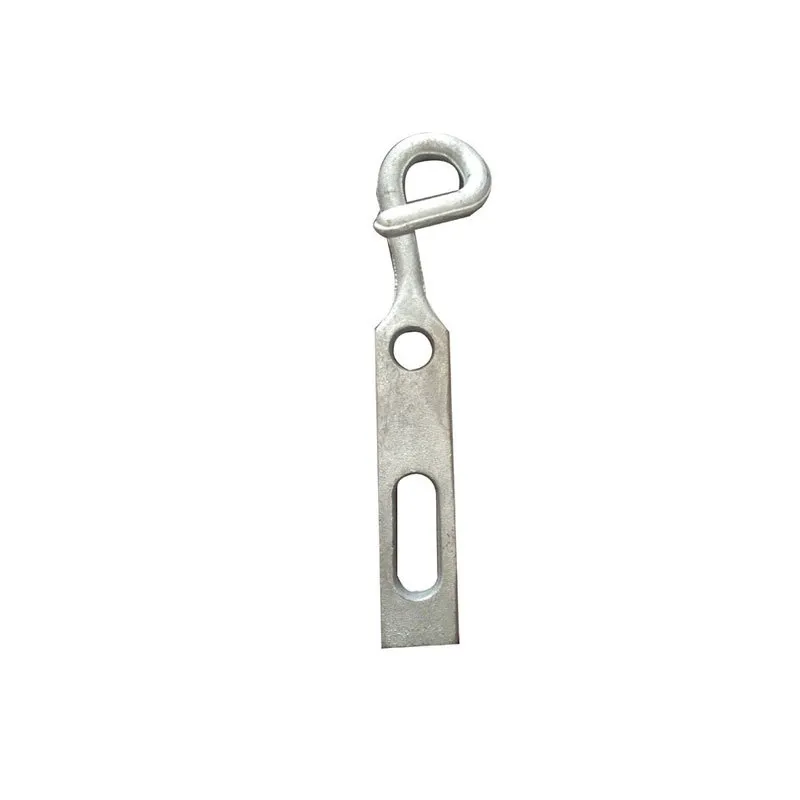
Wall hooks
Product Function: This metal wall hook is a practical accessory in the field of const...
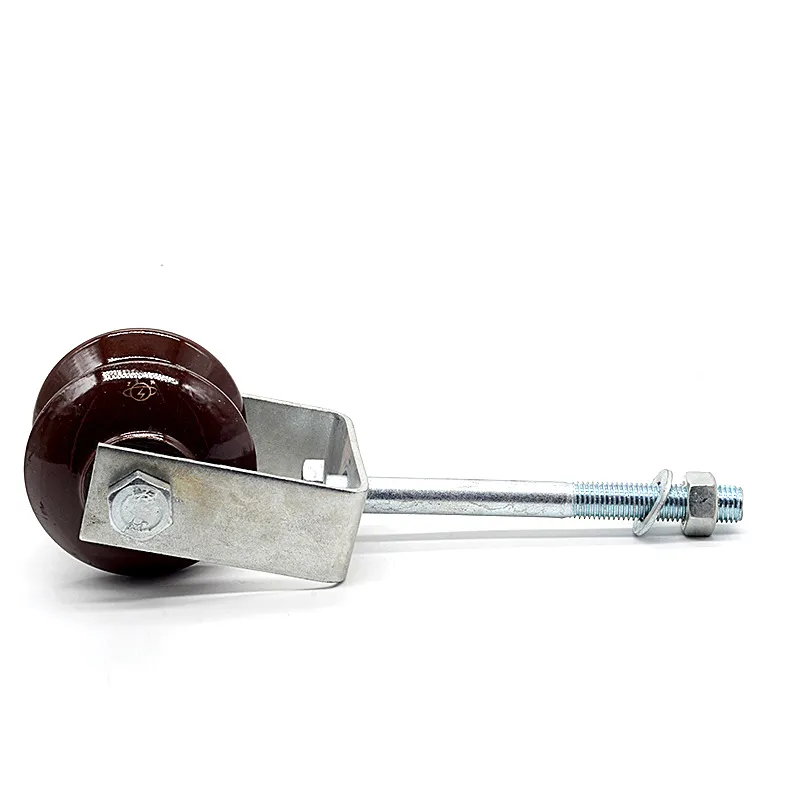
D-shaped iron
Product Description: D-type iron fittings are widely used metal connectors in the po...
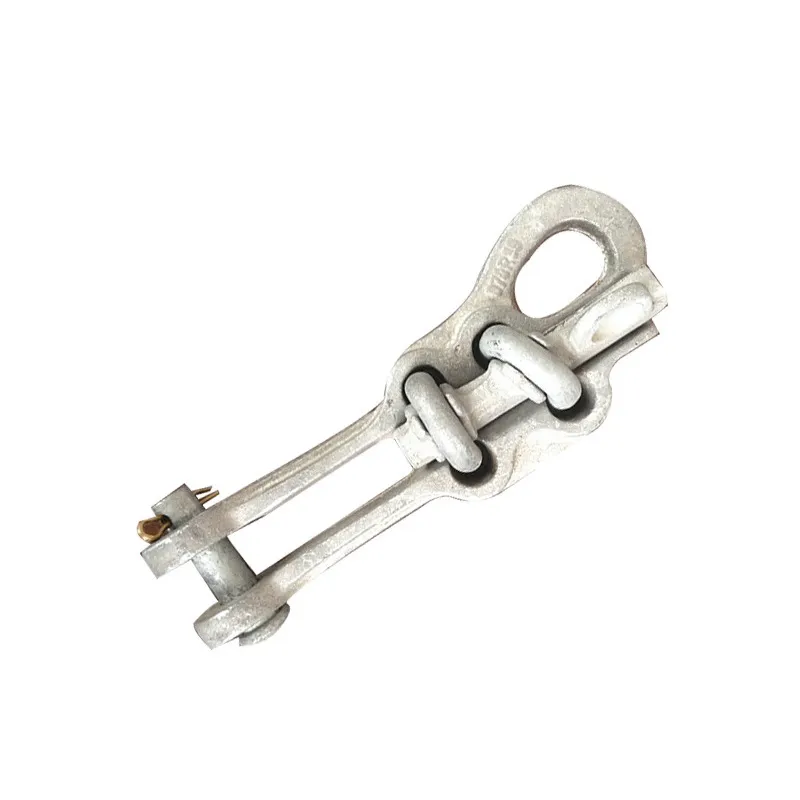
Tension Clamps
Product Description: Tension clamps are key equipment for overhead lines (power condu...
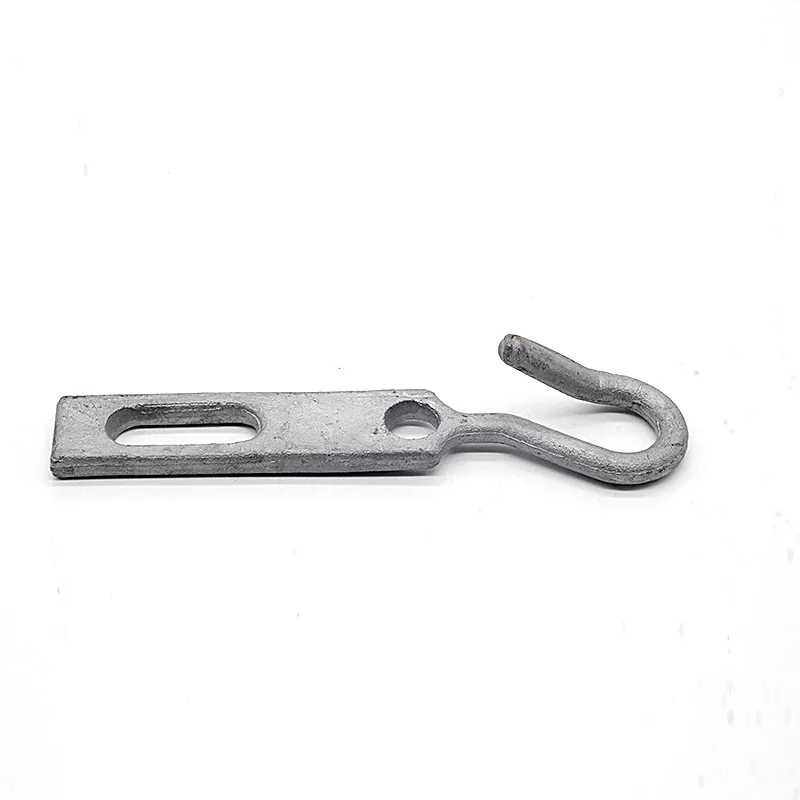
Eye bolts
Product description: Sheep's-eye bolts are specialized fasteners with a closed head r...
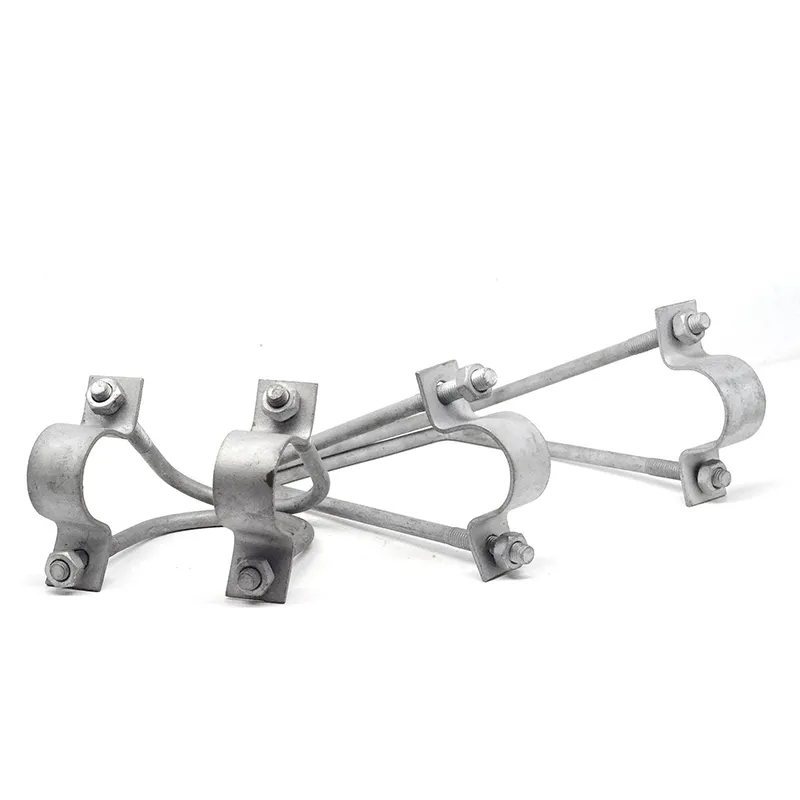
Square U-shaped pins
Product Description: Square U-bolts are a type of U-bolt named for their square cross...
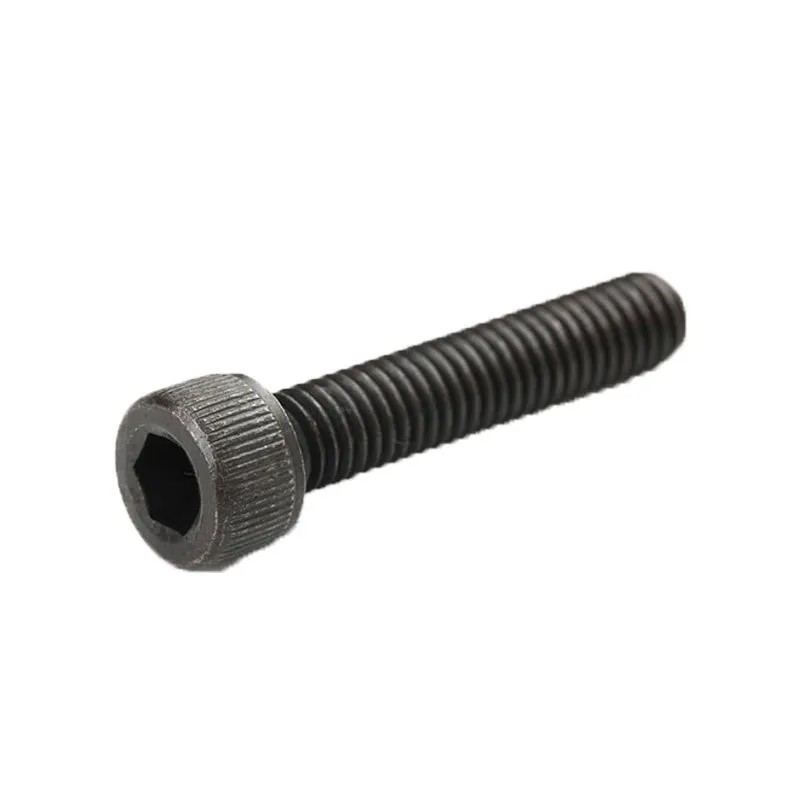
Hexagon socket head cap screws
Product description: Socket head cap screws are fasteners with a cylindrical head and...
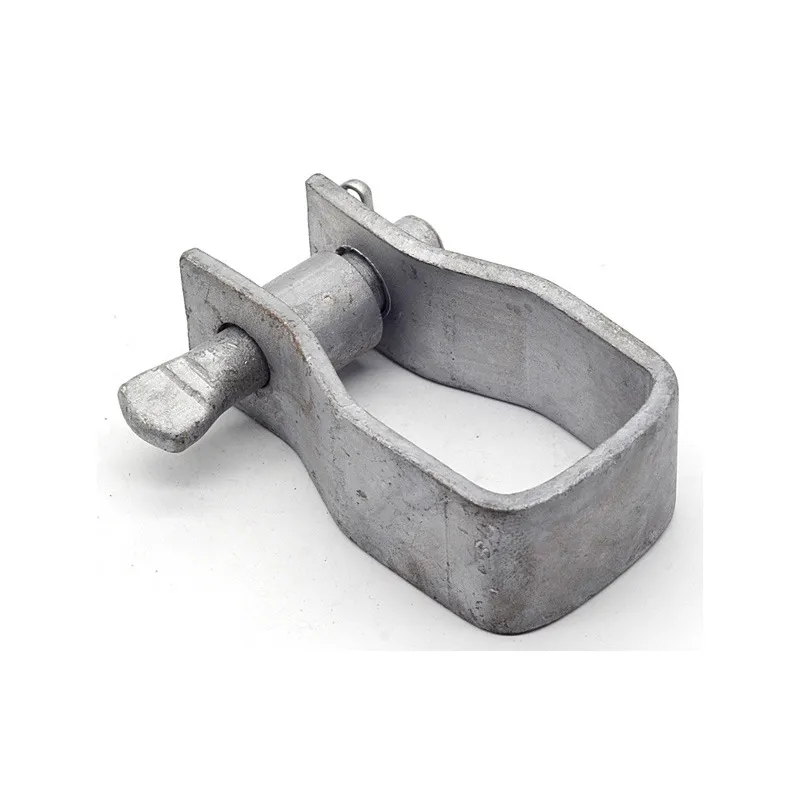
Planks
Product Description: Hanging plates are metal components used for connection, transit...