
+86-15613040666




Products




Double-ended bolts
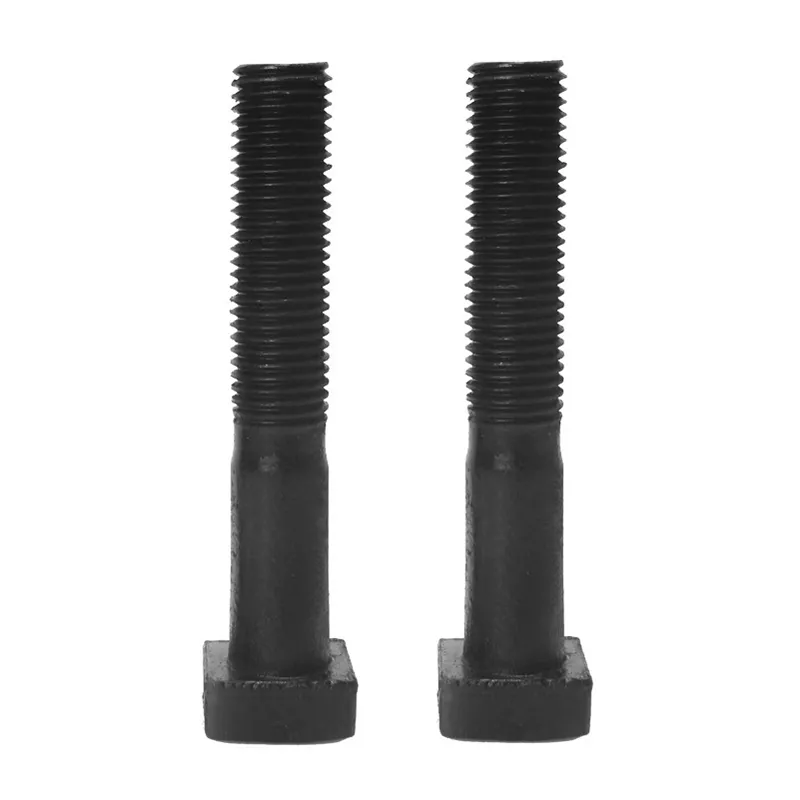
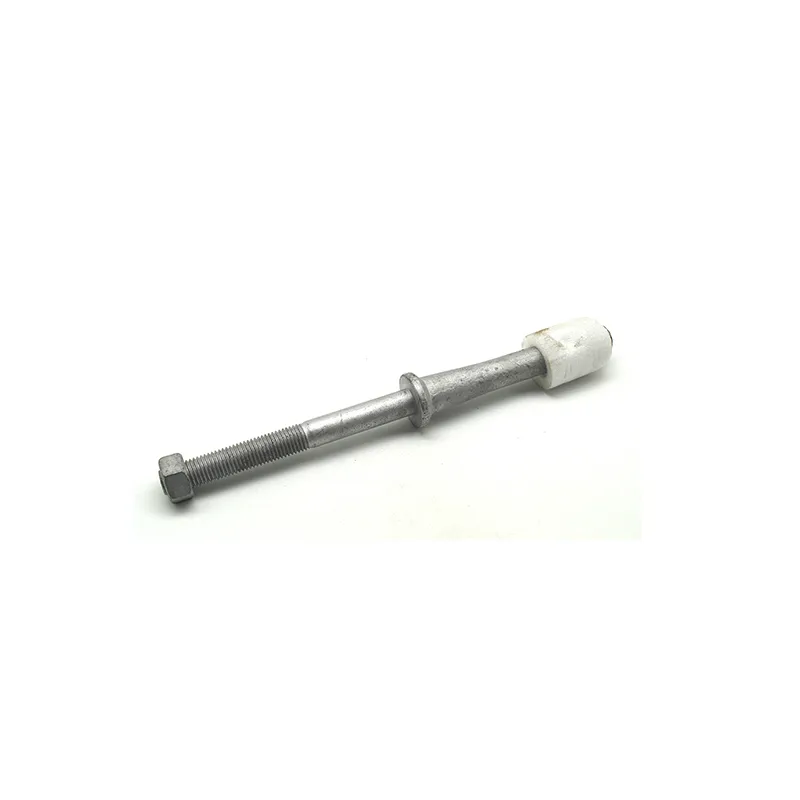
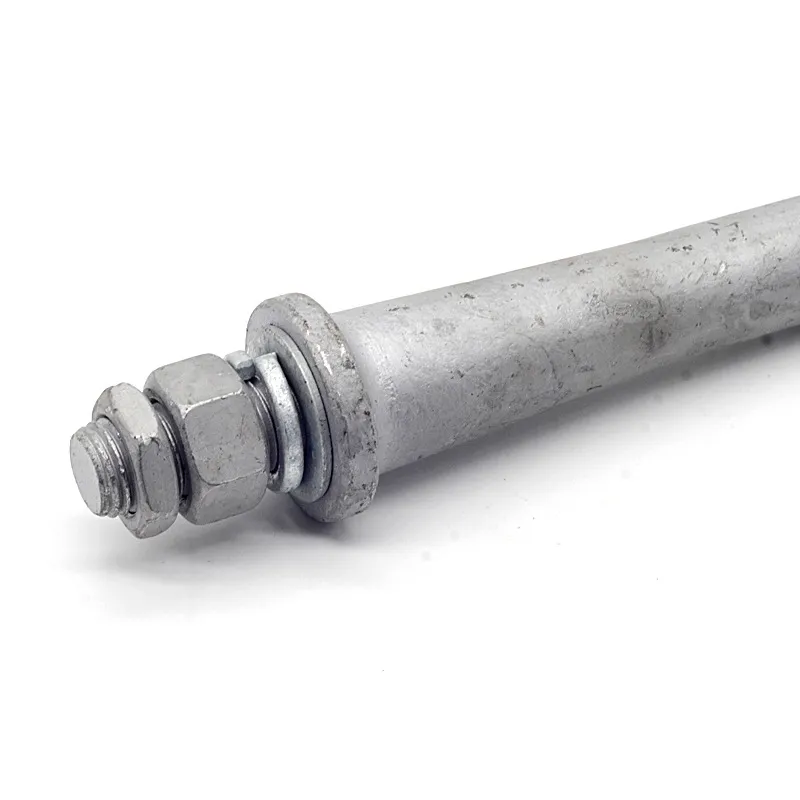
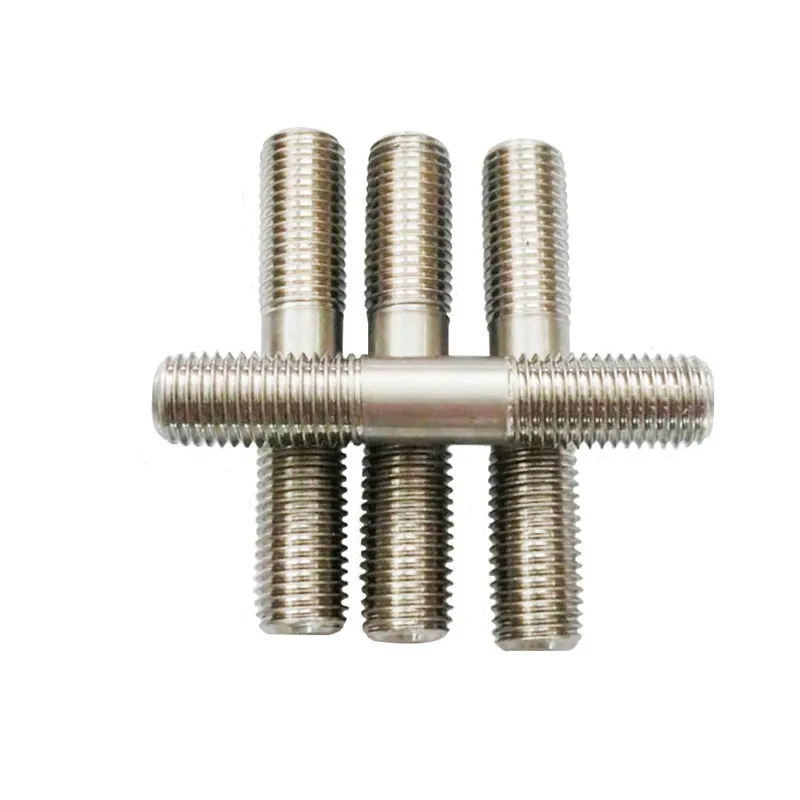
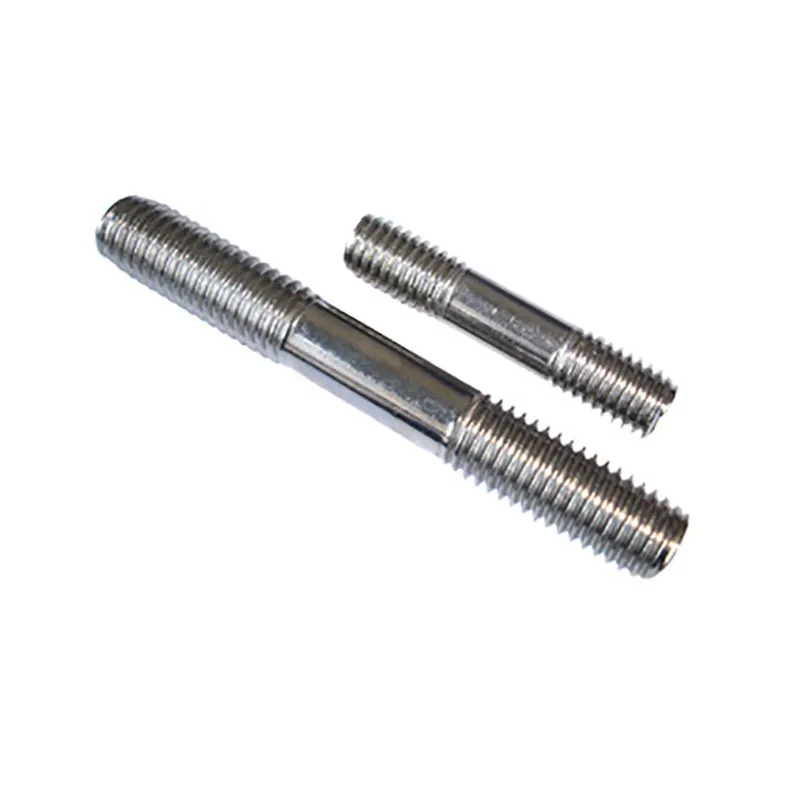
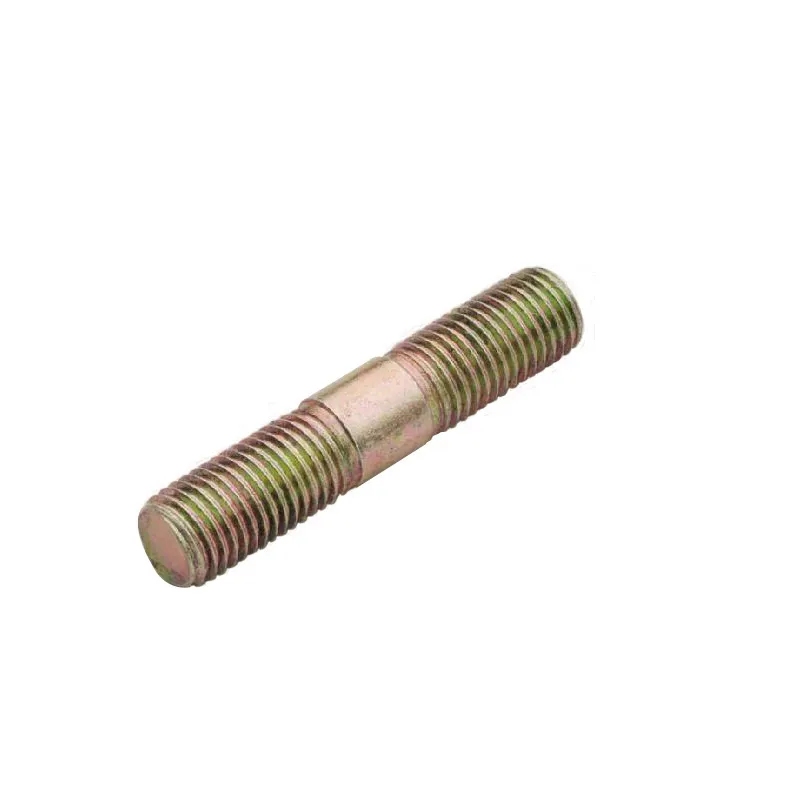
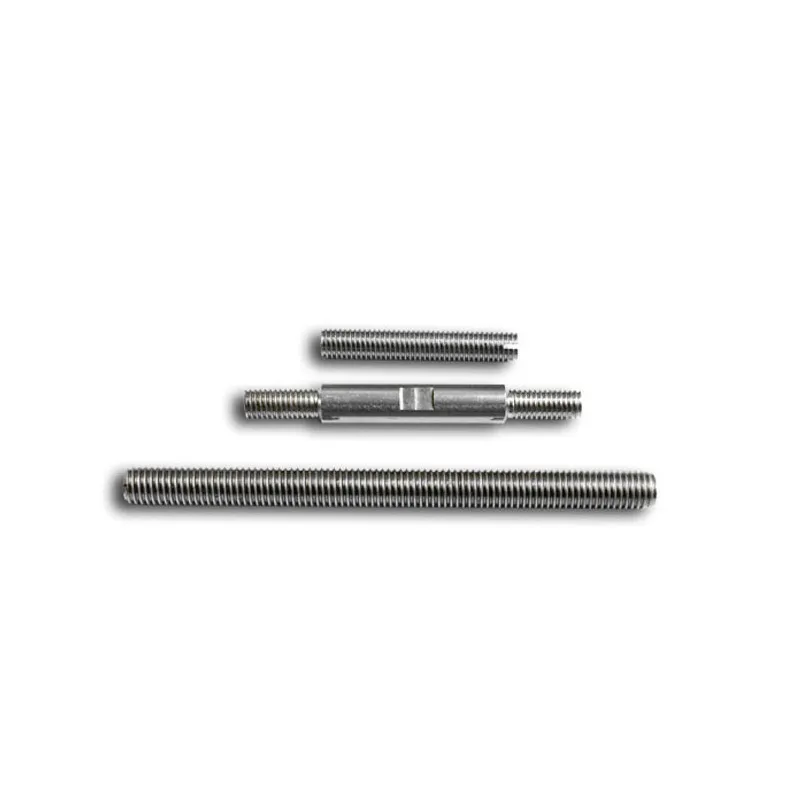
Product description: Double-ended bolts are fasteners with external threads on both ends and a smooth, unthreaded shank between them. They are primarily used in situations where parts cannot be drilled or require frequent disassembly. They provide a stable yet removable connection by conne...
Description
marker
Product description:
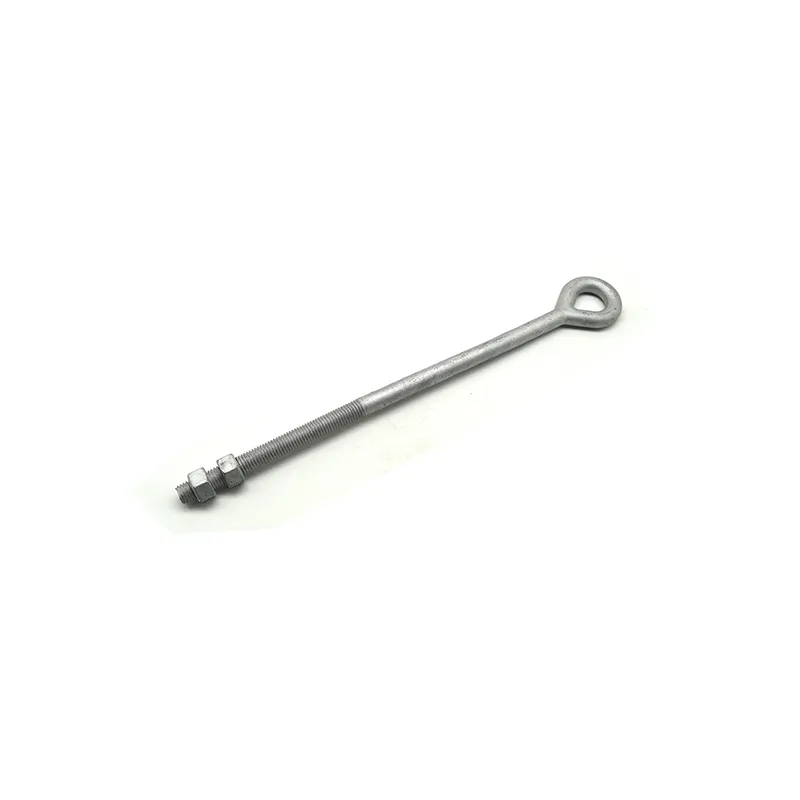
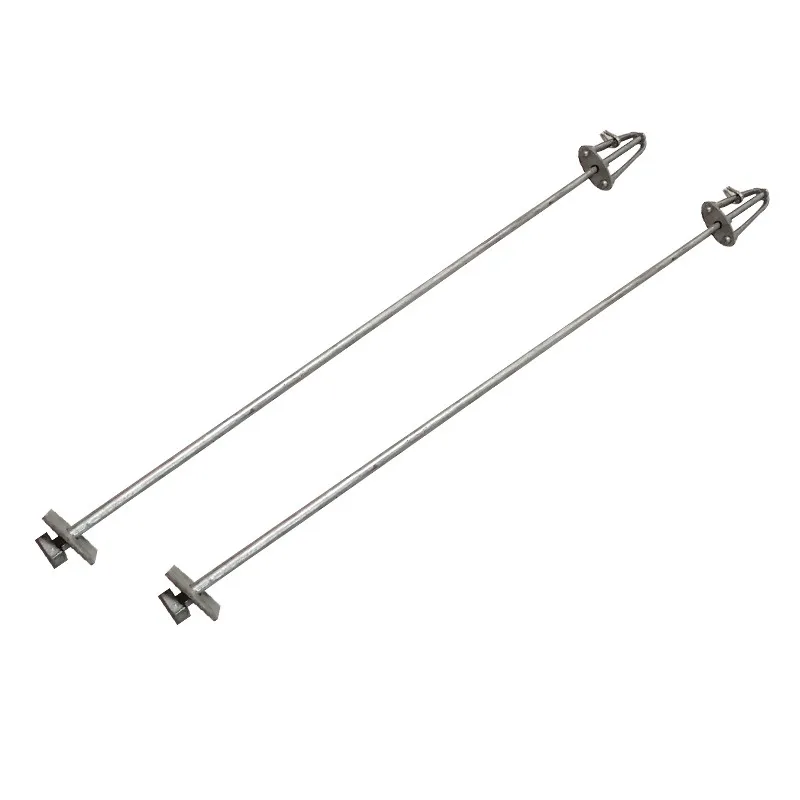
Double-ended bolts are fasteners with external threads on both ends and a smooth, unthreaded shank between them. They are primarily used in situations where parts cannot be drilled or require frequent disassembly. They provide a stable yet removable connection by connecting two separate parts using their threaded ends.
Basic design and construction features:
The design of double-ended bolts is based on "bidirectional connection" and "adaptability to complex installation scenarios," which distinguishes them from conventional single-ended bolts.
Basic design: Consists of three parts—two threaded ends (which can be equal or different lengths) and a central smooth shank. The threaded ends connect to nuts or internally threaded components, and the length of the smooth shank is determined by the thickness of the parts being joined.
Key design features:
Threaded ends can have different thread sizes (e.g., one end M12, the other end M10) to connect components with different thread specifications, allowing for joining parts of different diameters.
Thread accuracy is typically 6g, ensuring a tight connection with nuts or internal threads in workpieces, minimizing the risk of loosening. Some high-strength versions are thread-rolled to increase thread strength.
The smooth portion of the rod can have a polished or knurled surface. A polished surface facilitates passage through through holes in the components being connected, while knurling increases friction with the connected parts, preventing the bolt from rotating.
Materials and strength classes:
Materials and grades must be matched to the joint load and the environmental corrosion level, covering applications from standard to high-duty scenarios.
Primary Materials:
- Standard Duty/Dry Duty: Q235 carbon steel, characterized by low cost and ease of machining, is suitable for light-duty joints (e.g., furniture, low-voltage equipment).
- Medium to Heavy Duty: 45# steel or 40Cr alloy steel, hardened by quenching and tempering for increased strength, is suitable for mechanical and automotive components (e.g., engine blocks, gearbox joints).
Corrosion-Resistant/High-Temperature Applications:
Selection of 304/316 stainless steel or high-temperature alloys (e.g., Inconel) is recommended to withstand wet, acidic, alkaline, or high-temperature environments (e.g., chemical equipment, boiler valves).
Strength Grades:
Common grades include 4.8, 8.8, and 10.9, with grade definitions corresponding to the national standard (GB/T 3098.1):
Using grade 8.8 as an example:
- The first "8" indicates a minimum nominal tensile strength of 800 MPa.
- The second "8" indicates a yield strength to tensile strength ratio of 0.8, indicating a yield strength ≥ 640 MPa.
Grades 10.9 and above are primarily used in severe applications, such as heavy machinery and aerospace, and are characterized by a tensile strength ≥ 1000 MPa.


contact us
Related popular products
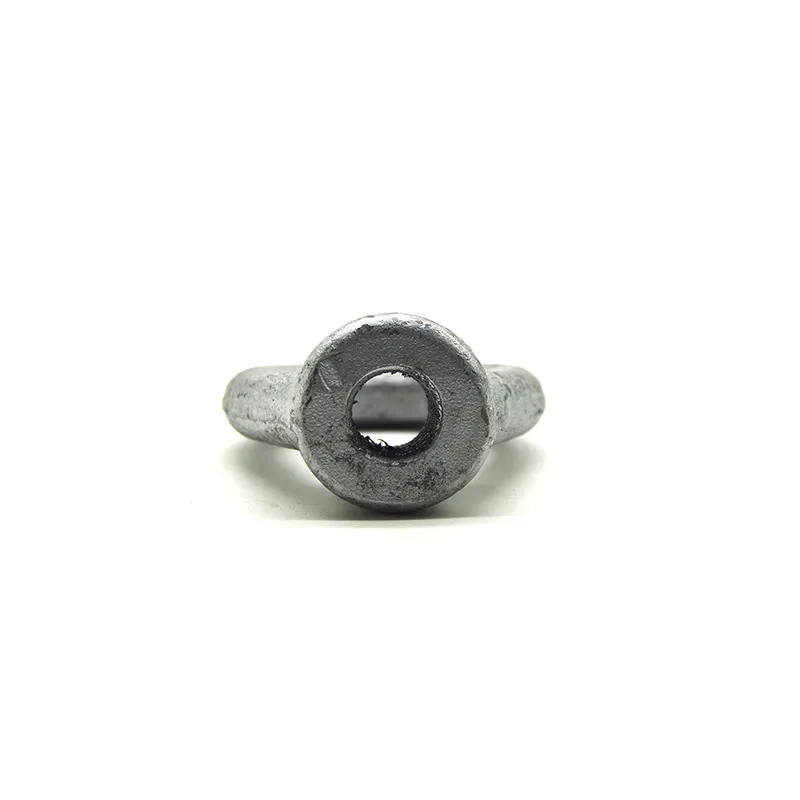
Eye nuts
Eye Nut Structural Features The ring structure allows direct connection to cables, hooks, and ot...
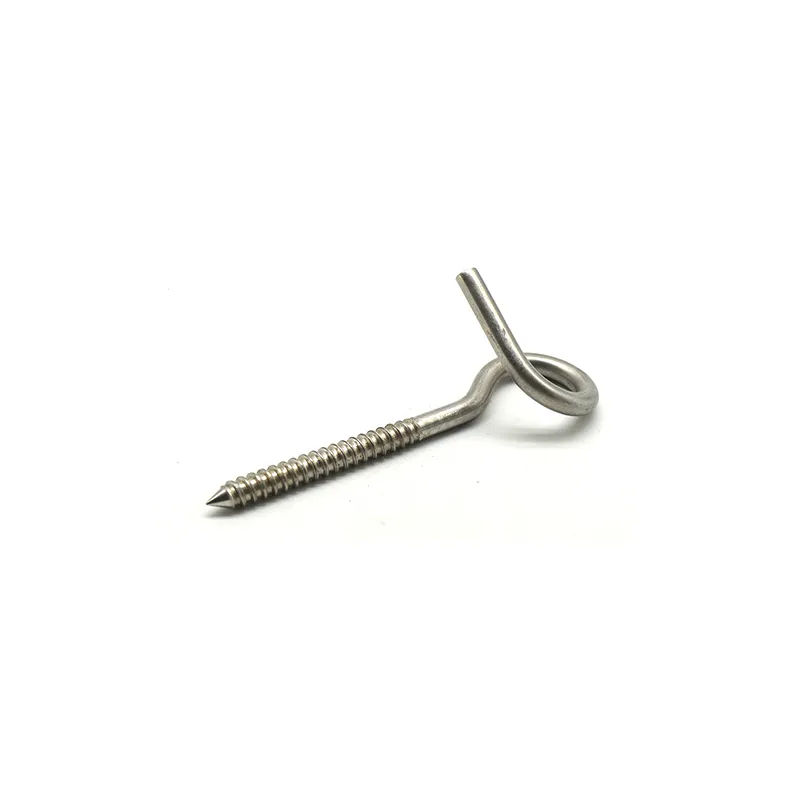
Wood Screws with Spiral Shank
Hook Screw (also known as cup hook or screw hook) This product consists of a threaded rod and a c...
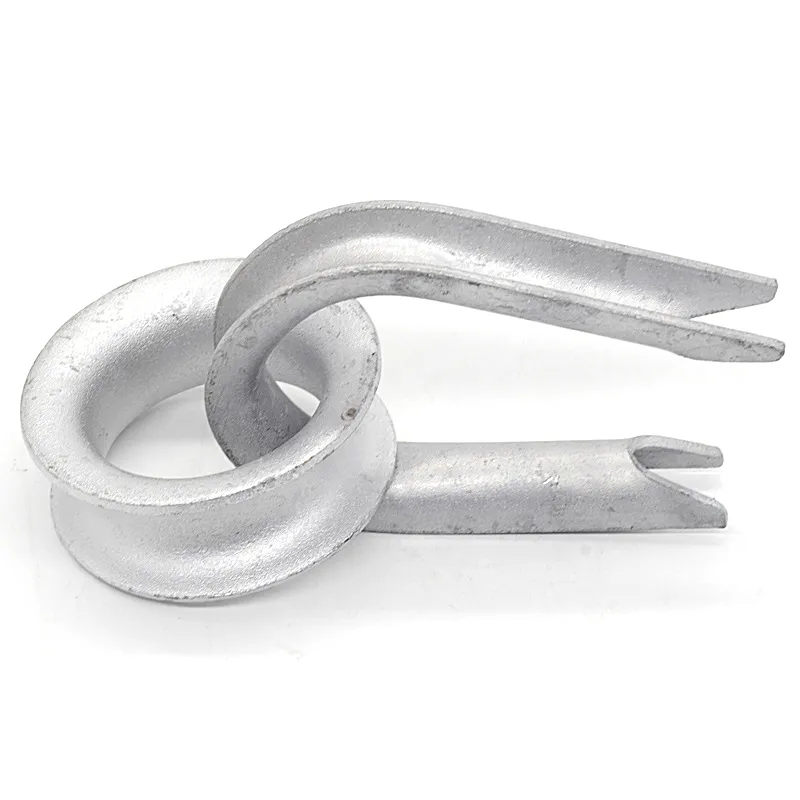
Round gaskets
Описание продукта: Ring liners are a type of shock-absorbing component with a circula...
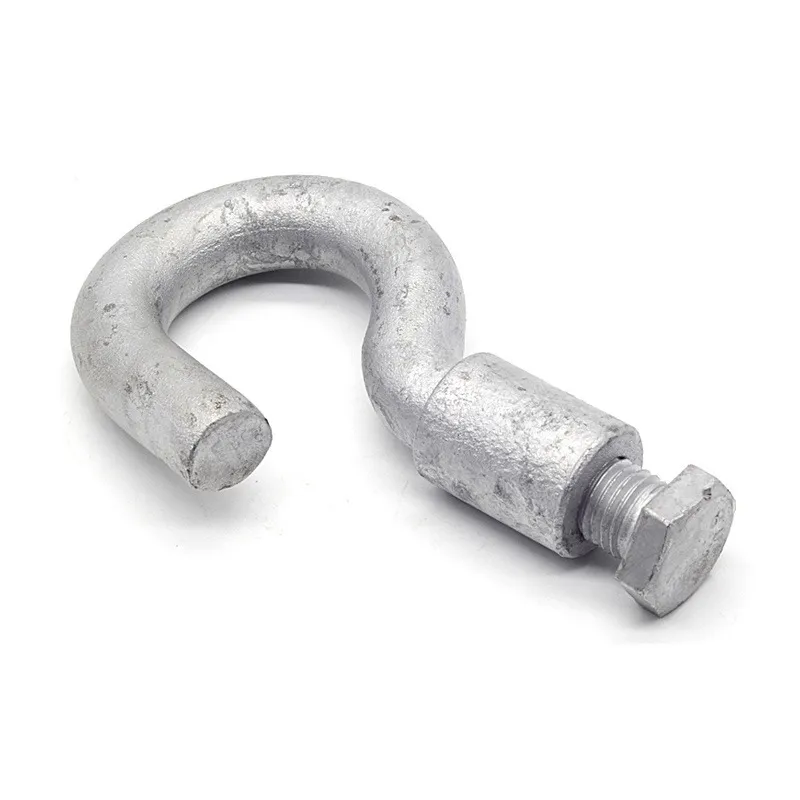
Hooks
Product Function: Hot-dip galvanized U-shaped hooks are essential hardware for indust...
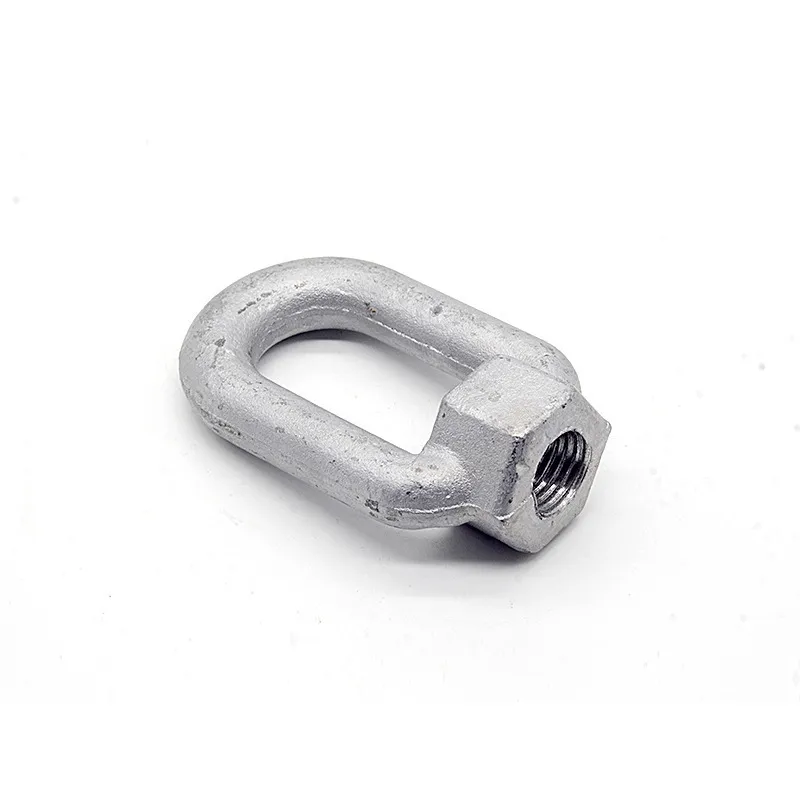
Eye nuts
Product Description: An eye nut is a special nut with a ring-shaped structure. Its ma...
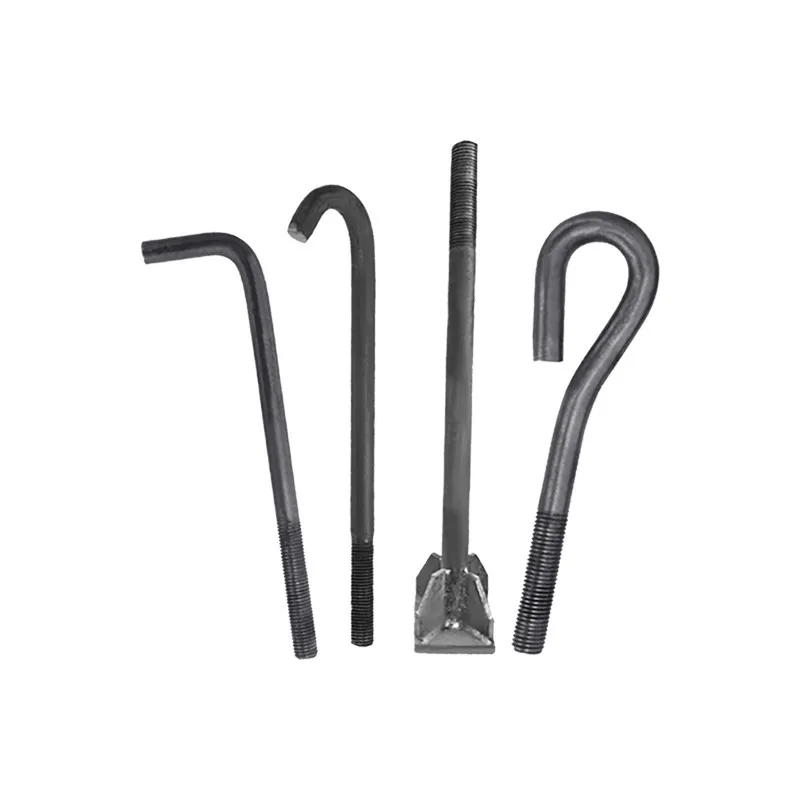
Anchor Bolts
Product Description: Anchor bolts are specialized fasteners used to secure equipment,...
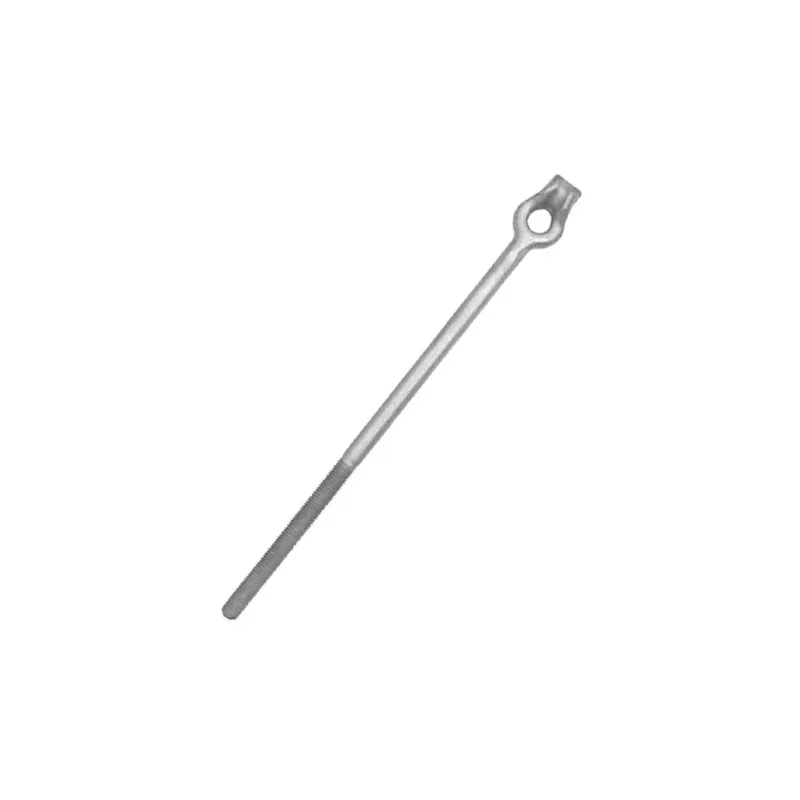
Forked ties
Product Description: Tiger Head Grip Rod is a widely used tensioning tool, named for...
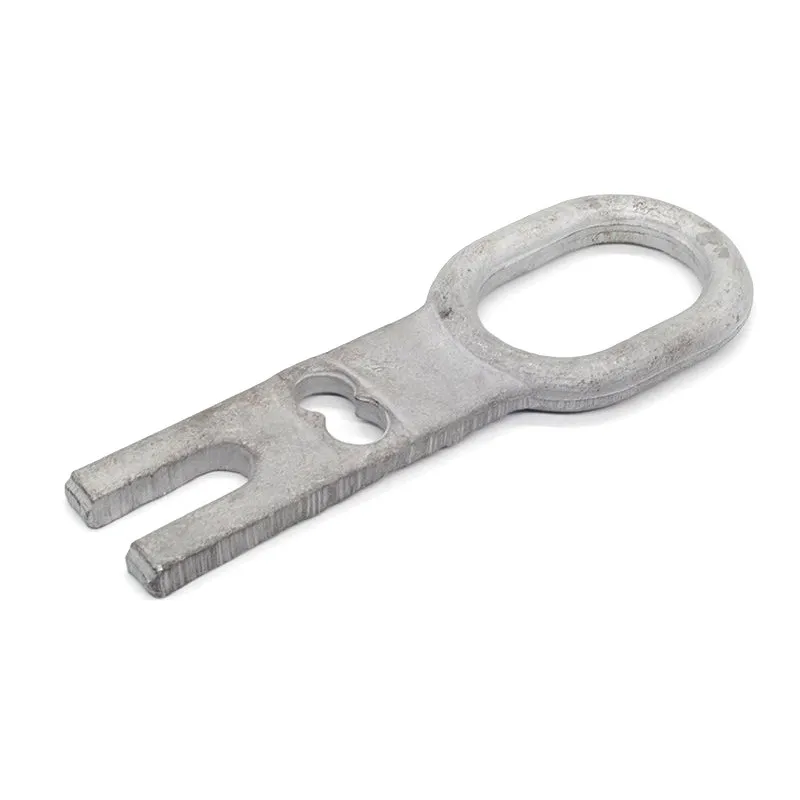
Ceiling suspension rings
Product Description: Ceiling suspension rings serve as primary connecting components...
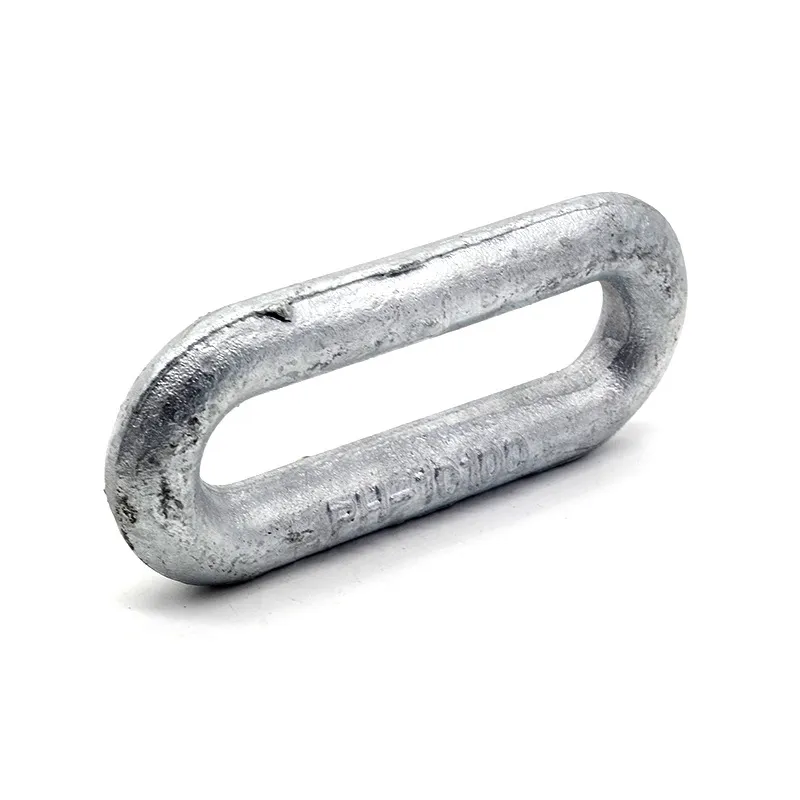
O-rings
Product Description: Product Description: Extension rings with sealing rings are a t...
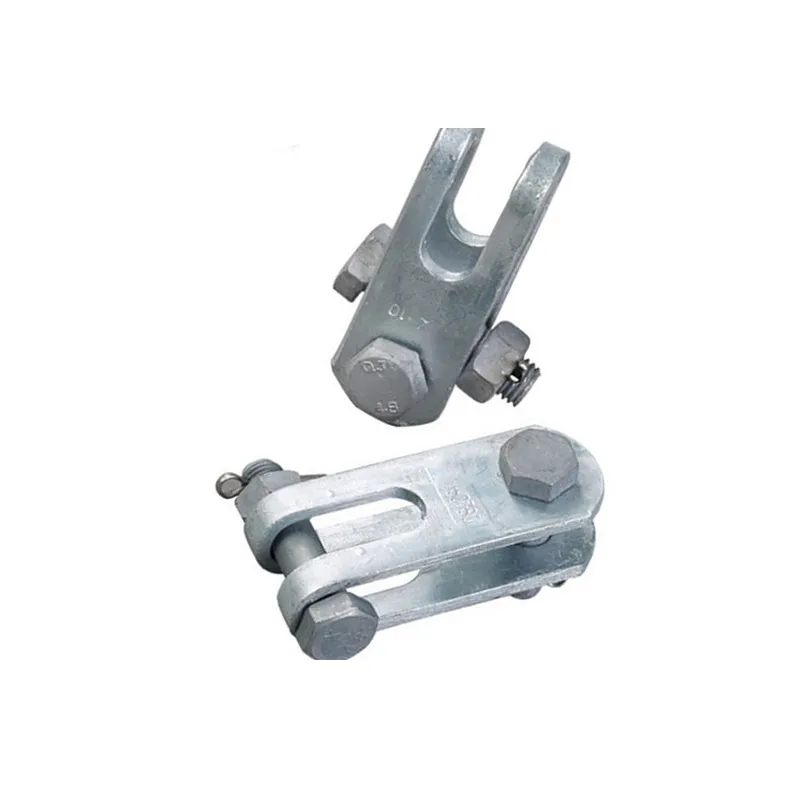
ZBD planks
Product Description: ZBD suspension bracket is a connecting fitting in electrical ins...
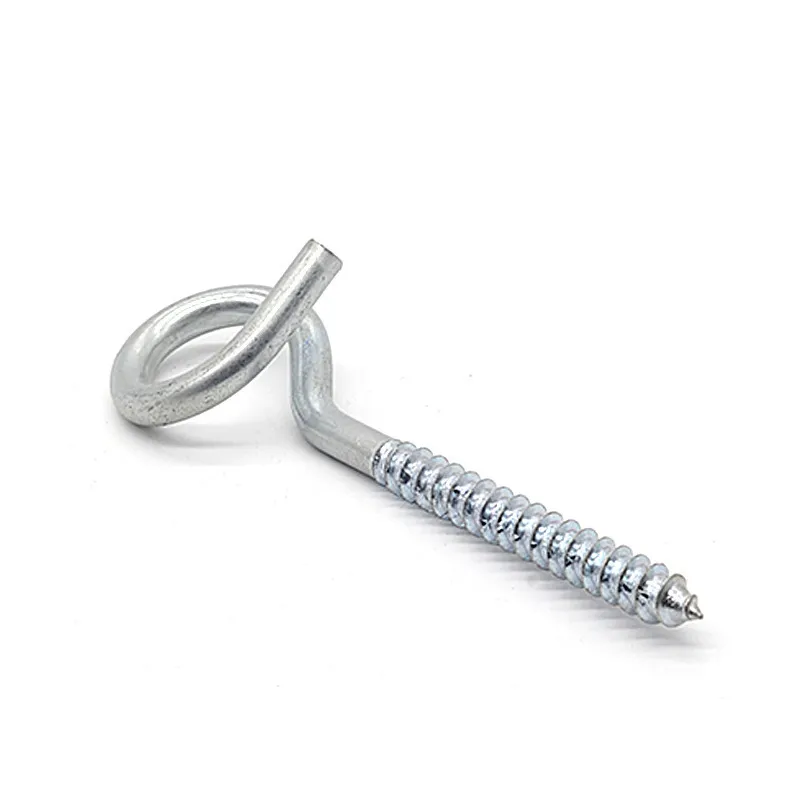
Pigtail wood screws
Product description: Pigtail wood screws are fasteners specifically designed for join...
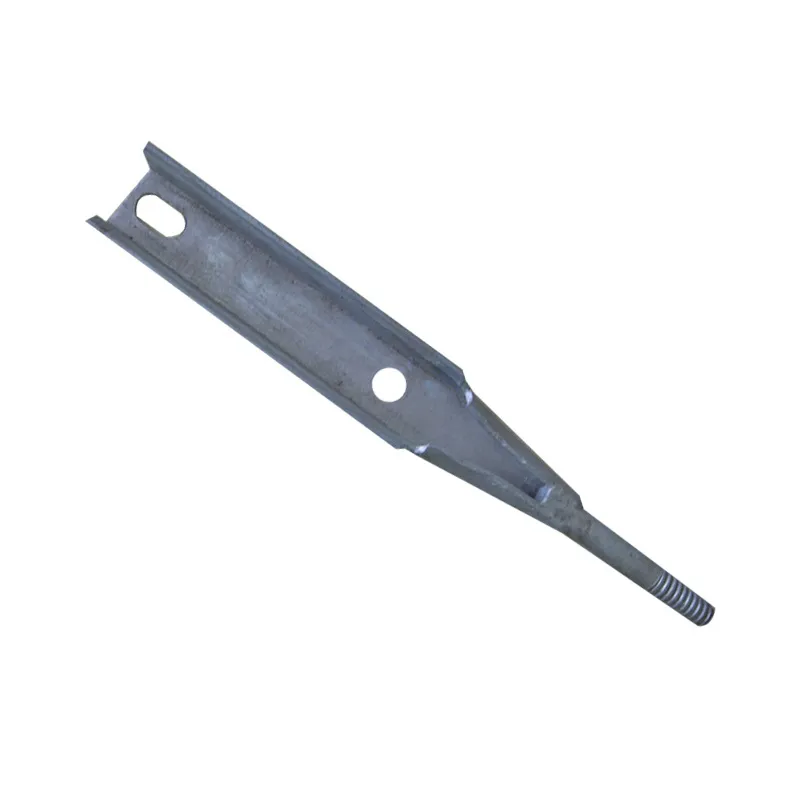
American Standard Steel Foot
Product Description: American steel toe caps typically refer to steel components for ...
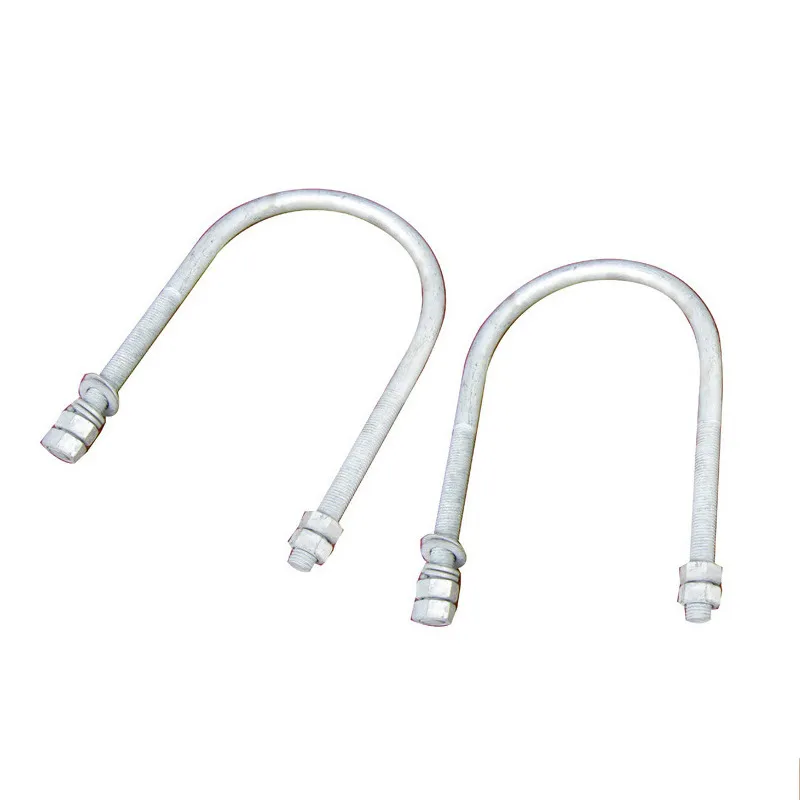
U-bolts
Product Description: U-bolts are fasteners shaped like the letter "U", mainly used to...
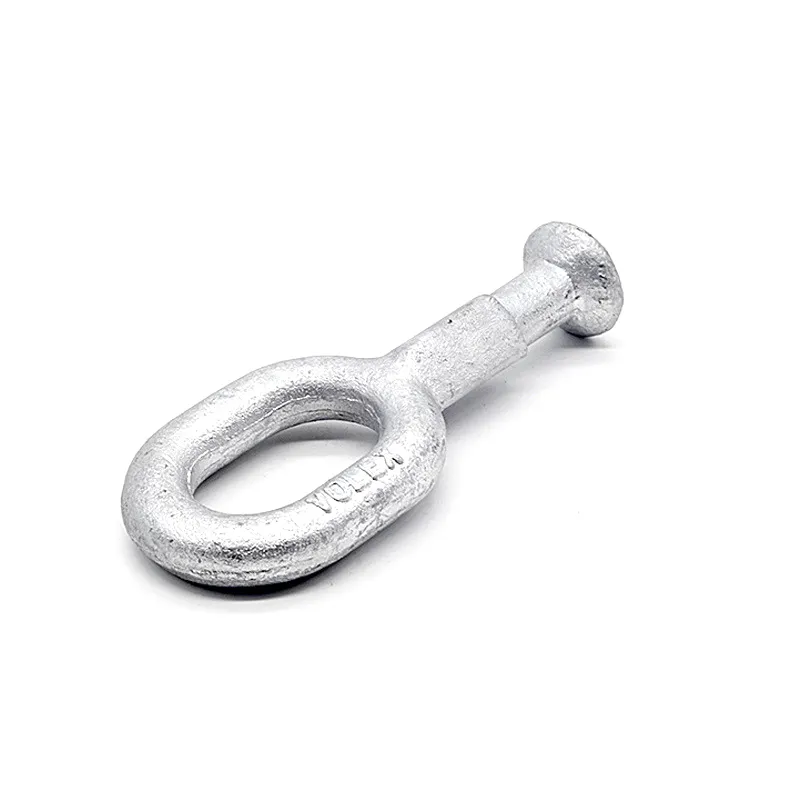
U-shaped hanging rings
Product Description: U-shaped lifting rings are fasteners with a U-shaped opening at ...
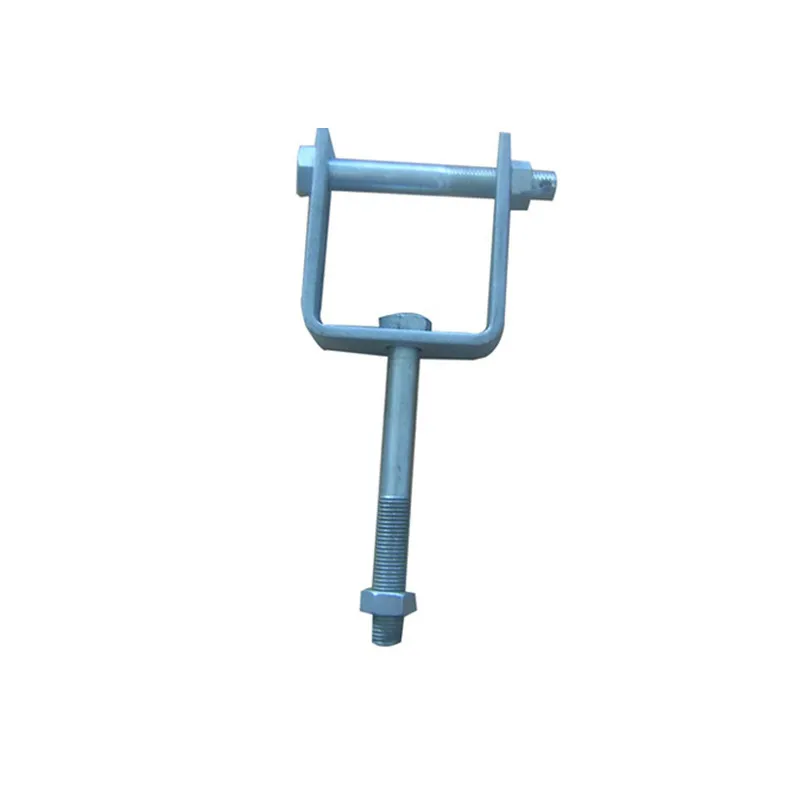
D-shaped brackets
Product Description: Iron D-type brackets are composite metal components that combin...
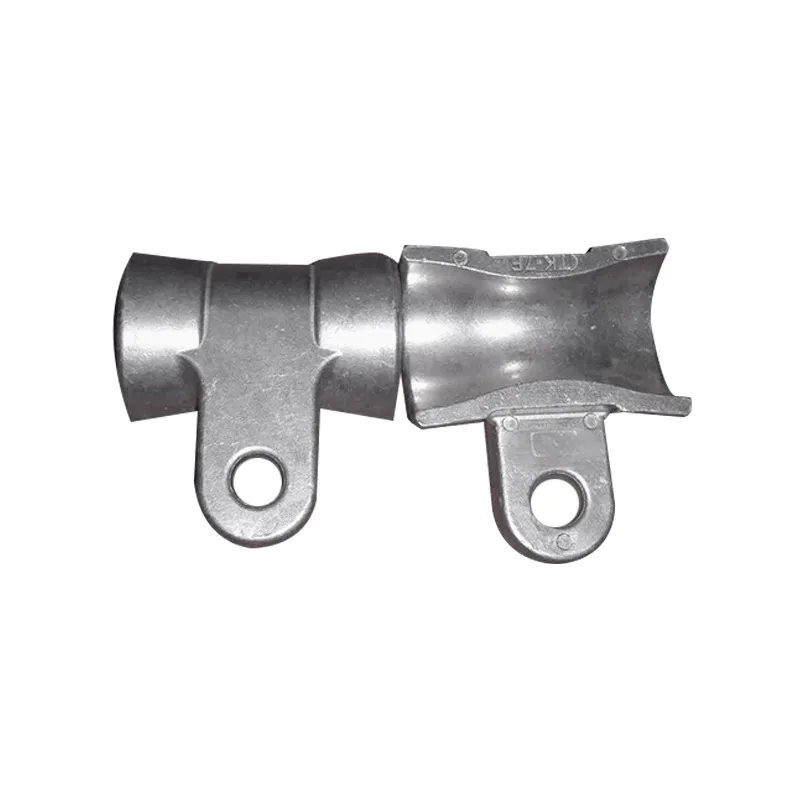
XJG Suspension Clamps
Product Description: XJG suspension clamps are metal fittings used for suspending ins...