
+86-15613040666




Products
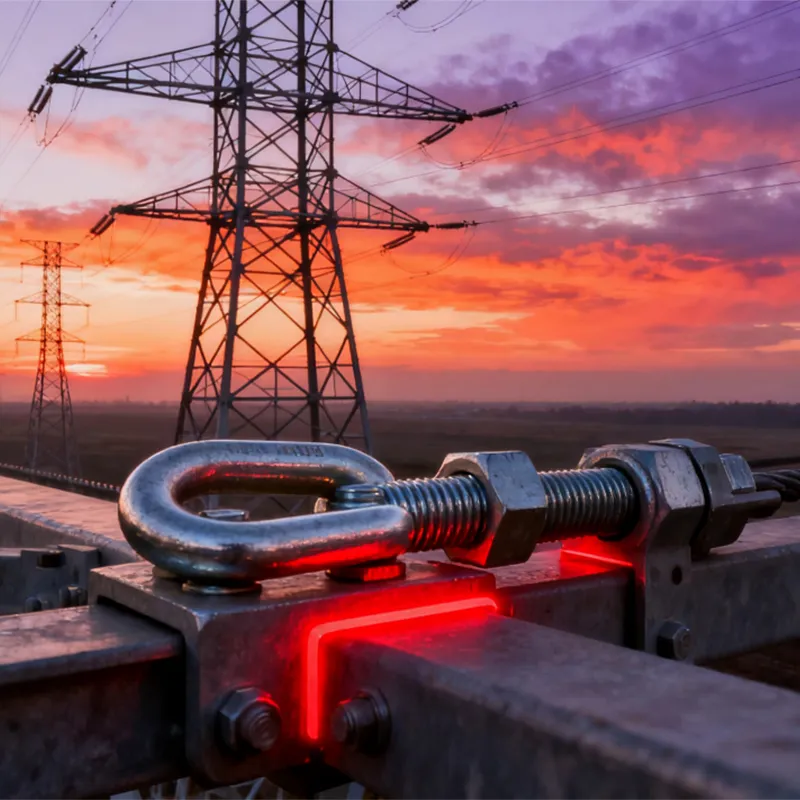
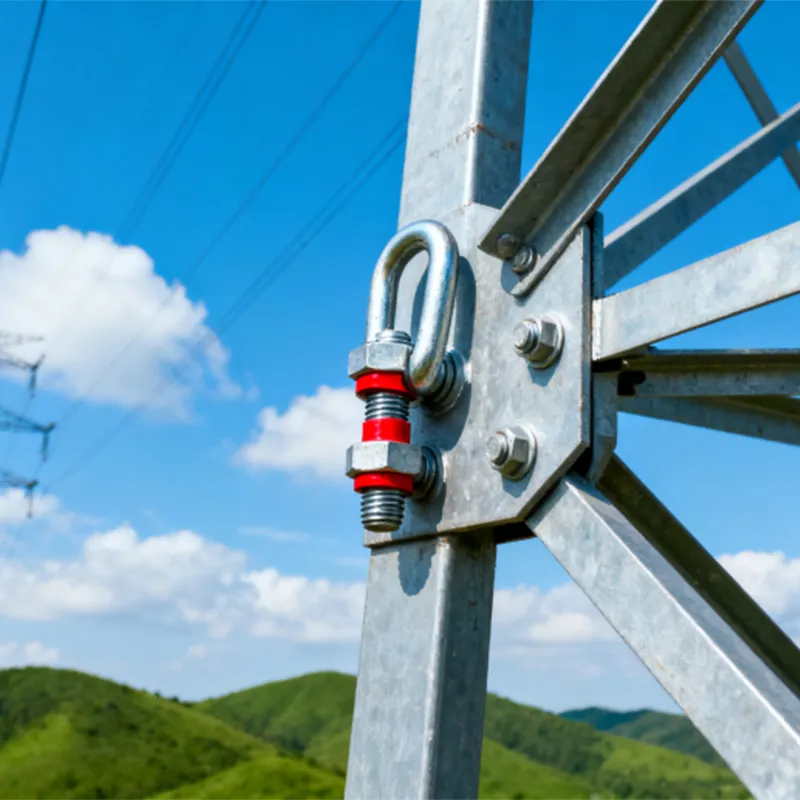
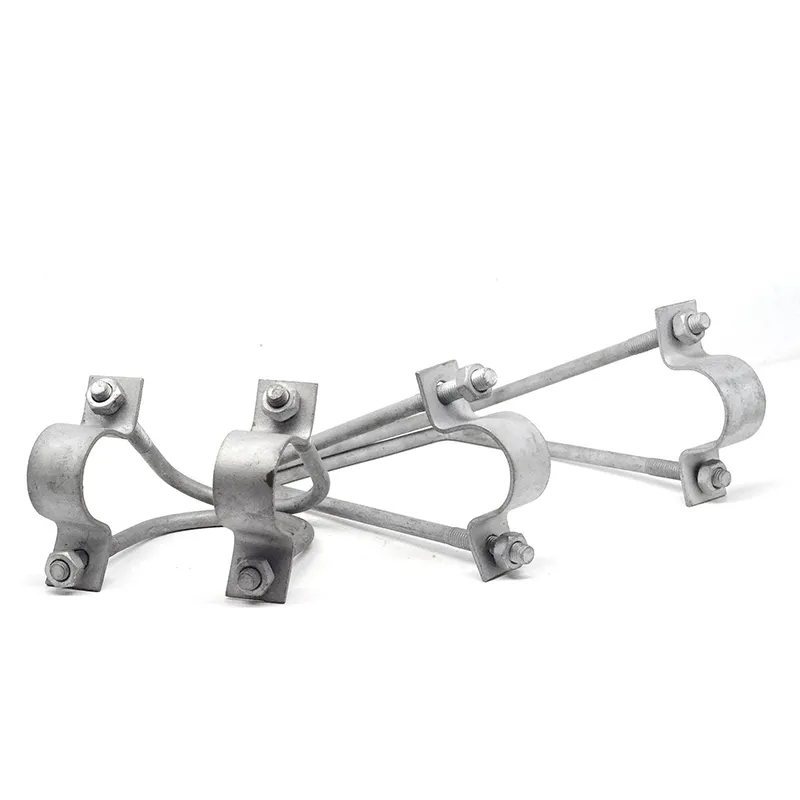
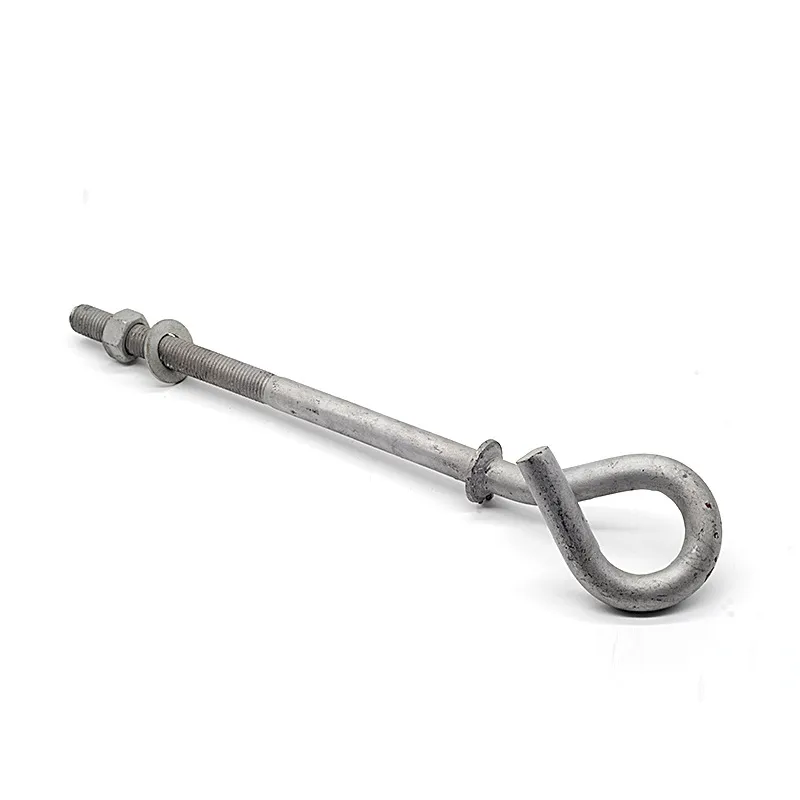
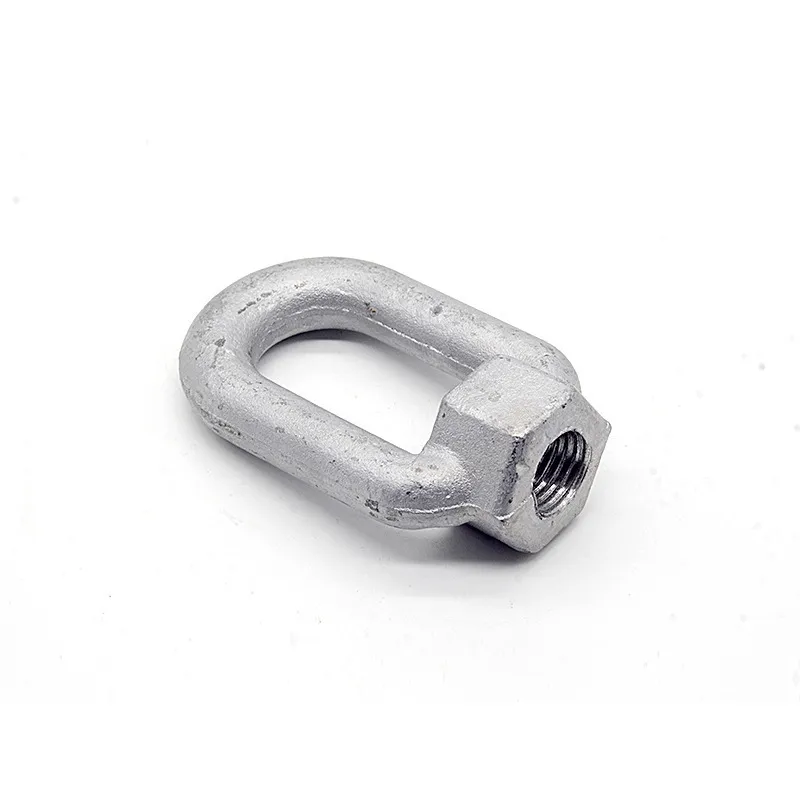
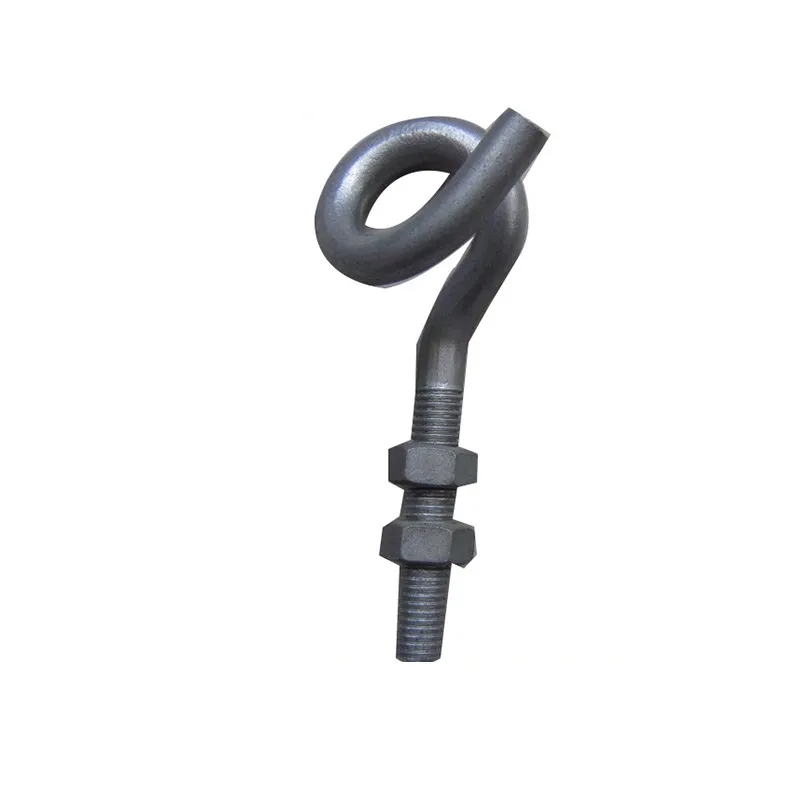
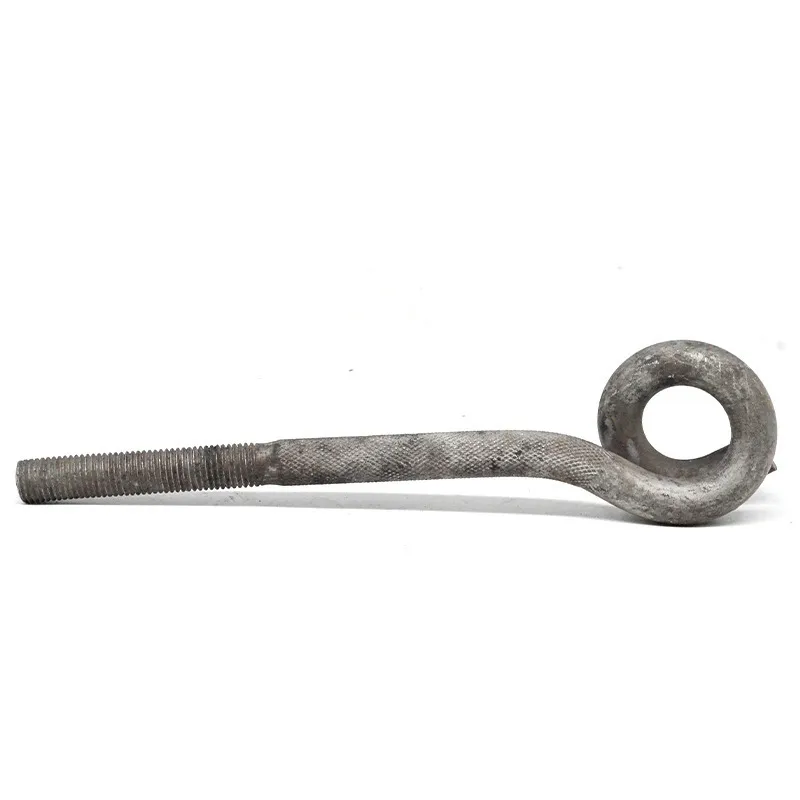
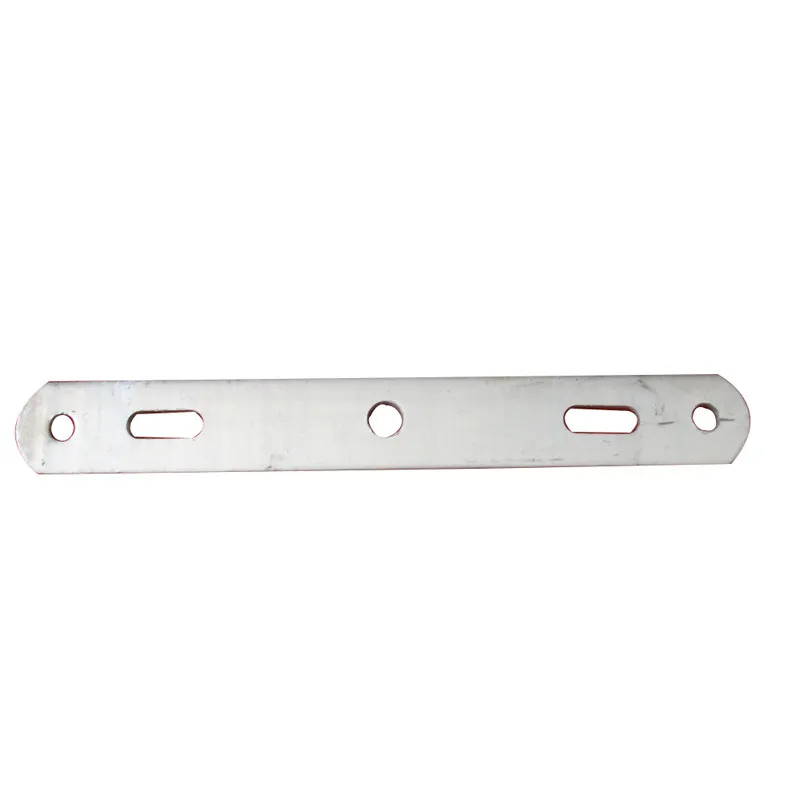
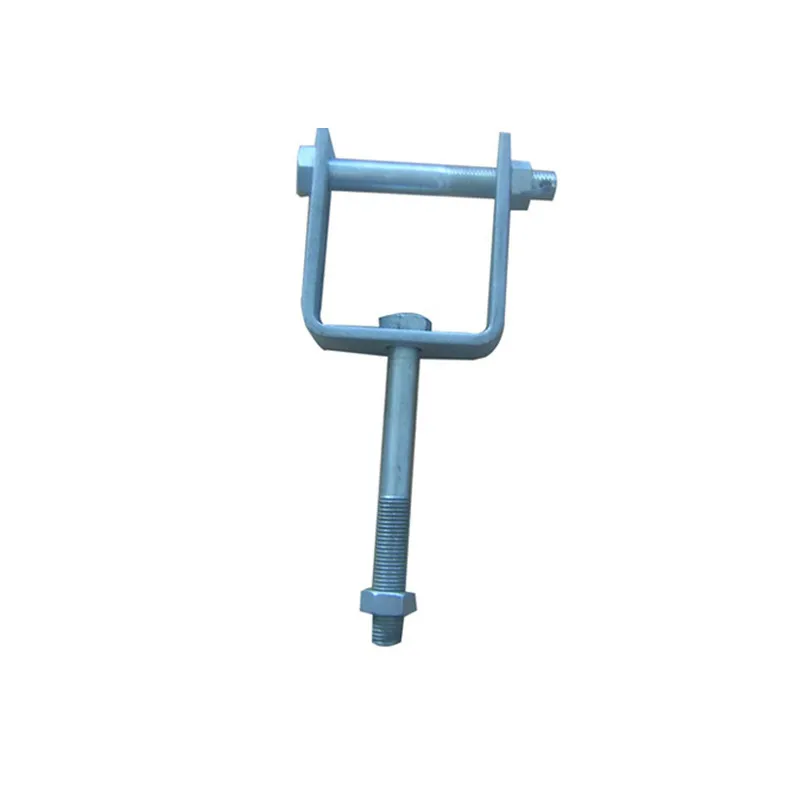
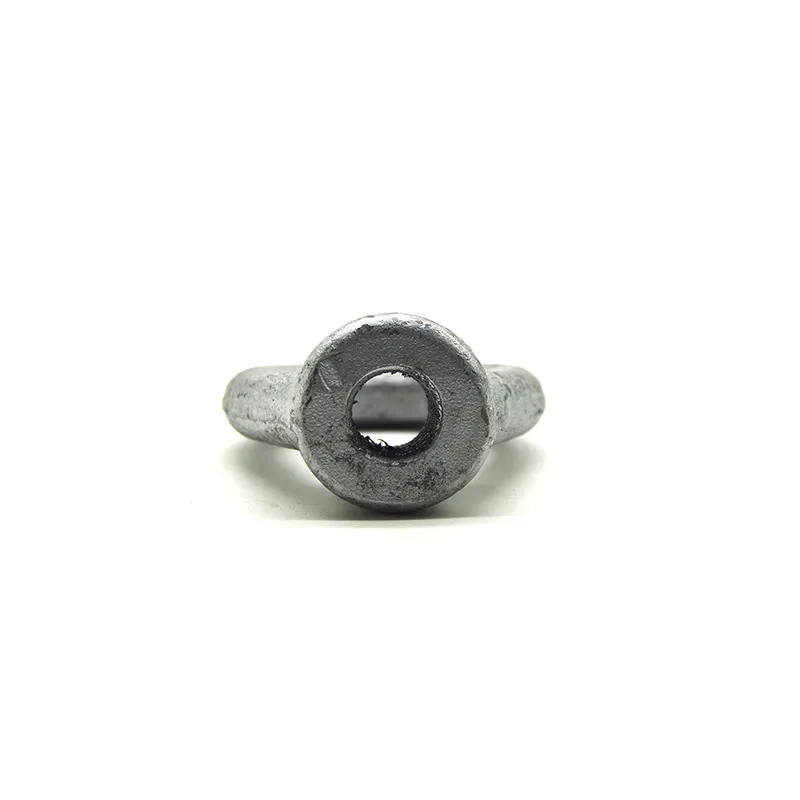
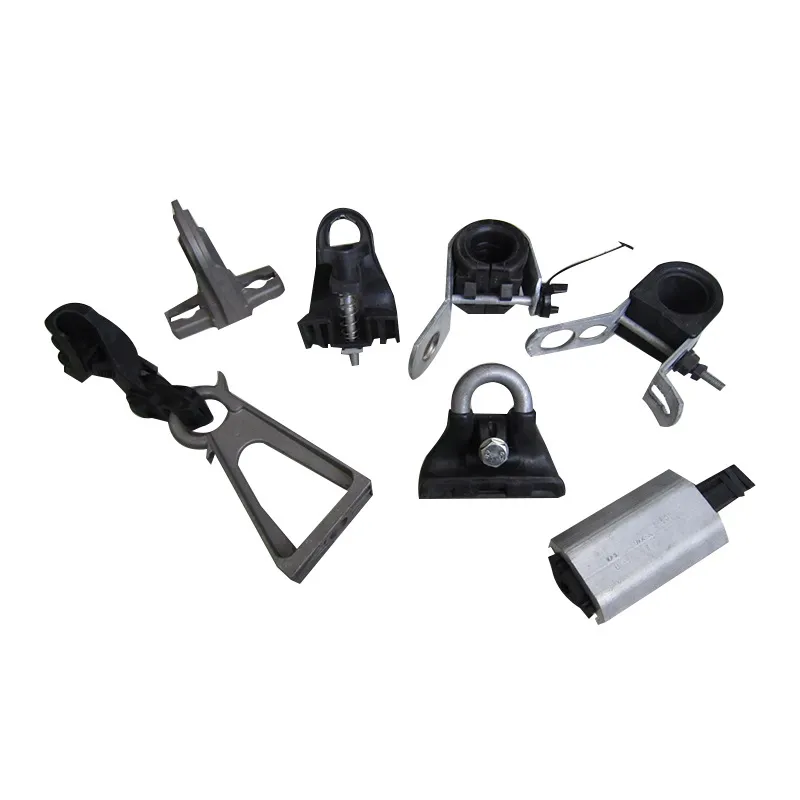
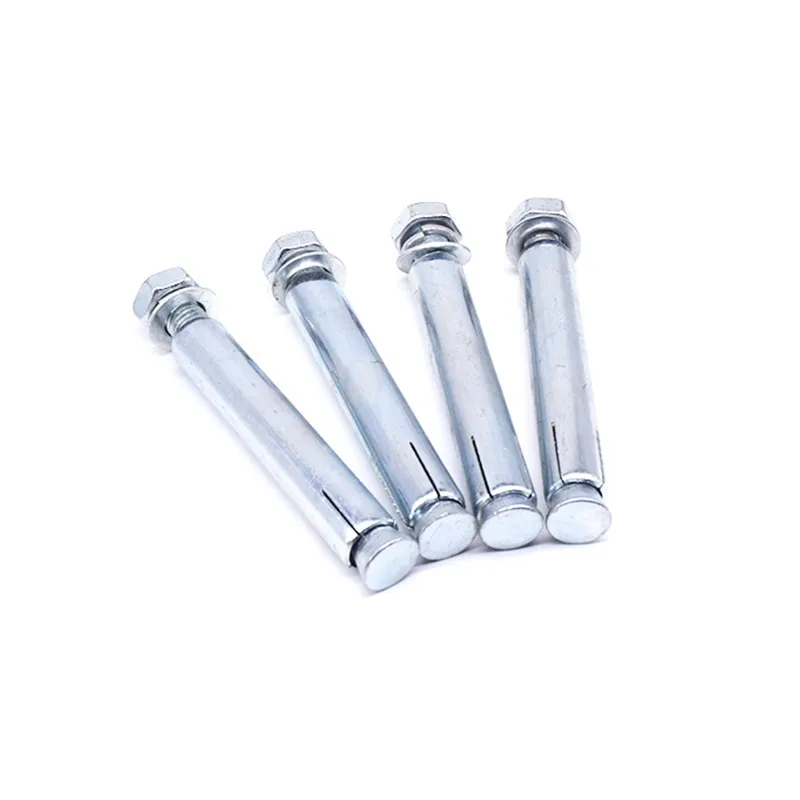
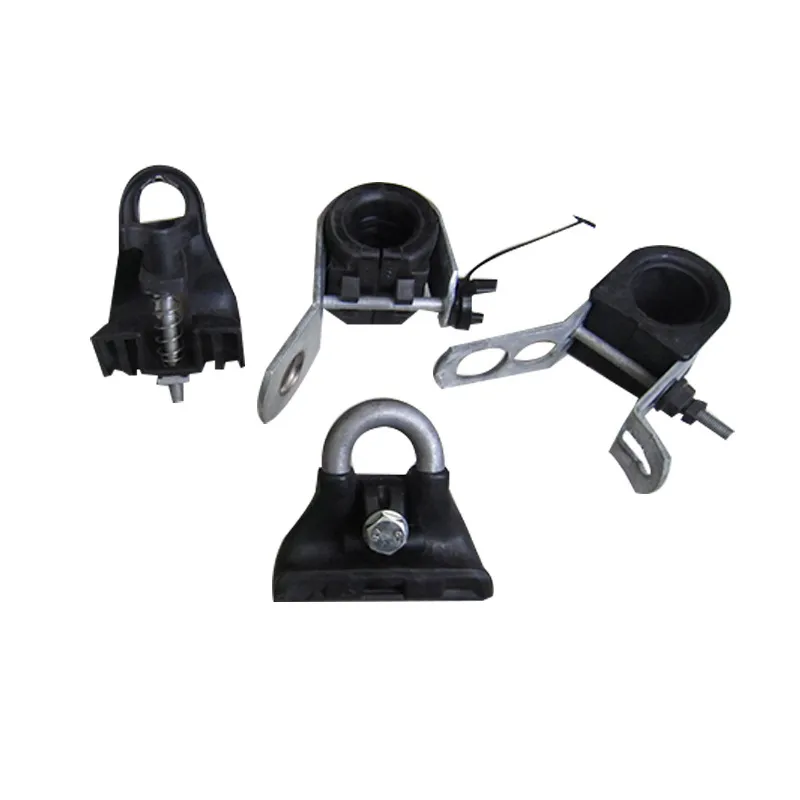
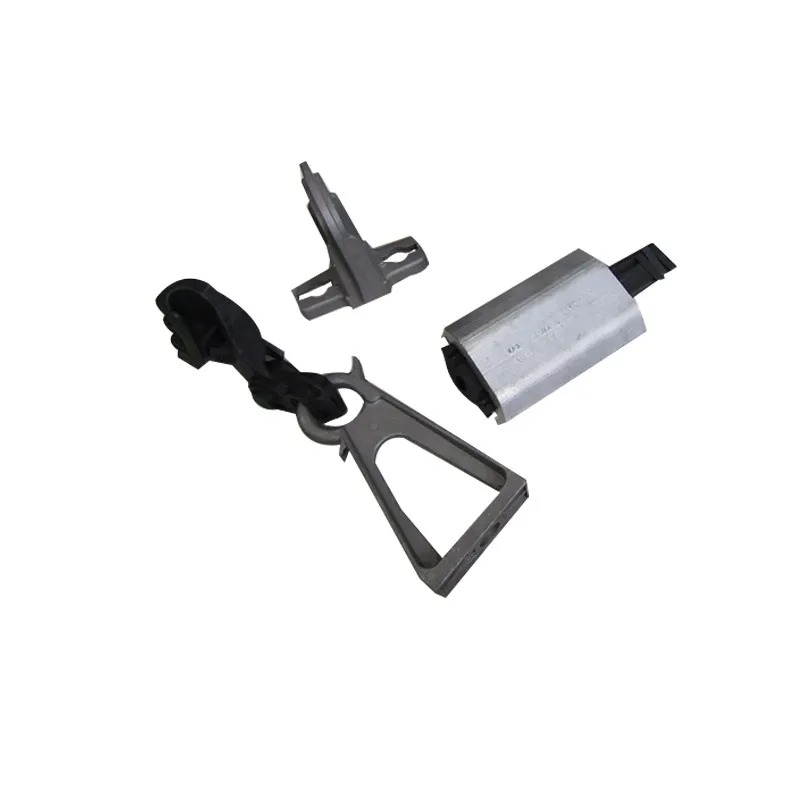
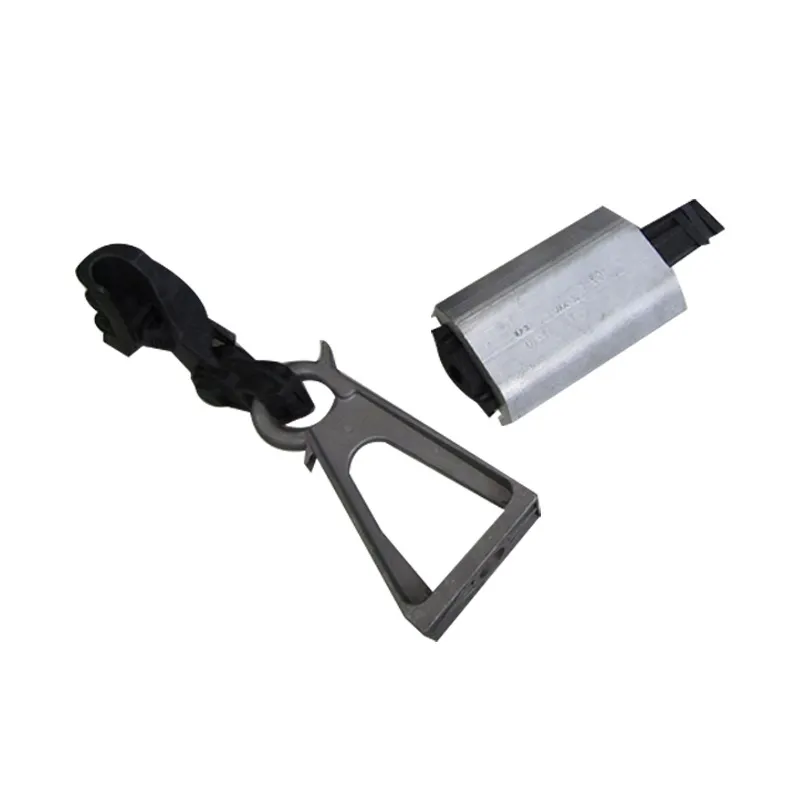
ES-1500 Clamps
Product Description: ES-1500 cable clamps are a type of fastener widely used in the energy and telecommunications sectors. They are primarily designed for suspending and securing wires and cables. Below is a detailed description of the ES-1500 cable clamp: Structure The ES-1500 typically c...
Description
marker
Product Description:
ES-1500 cable clamps are a type of fastener widely used in the energy and telecommunications sectors. They are primarily designed for suspending and securing wires and cables. Below is a detailed description of the ES-1500 cable clamp:
Structure
The ES-1500 typically consists of a suspension clamp and a bracket. The bracket is usually made of CS aluminum alloy. The suspension clamp is crafted from weather-resistant and UV-radiation-resistant plastic, such as fiberglass-reinforced polymers. This material provides sufficient mechanical strength while maintaining insulation properties.
Technical Specifications
The ES-1500 clamp is suitable for cables with a diameter of 4.5 to 11 mm. It has a minimum breaking load (MBL) of 8 kN and a weight of approximately 0.36 kg.
Installation Methods
The bracket of the ES-1500 clamp can be fixed to power transmission line supports in two ways:
Use two 20×0.7 mm stainless steel cable ties to fasten it to the pole. This method is suitable for all pole types, both with and without holes.
If the top of the pole has holes (such as wooden poles or, in some cases, concrete poles), fix the bracket with bolts. The bolt length must be at least the pole diameter plus 50 mm (including the bracket thickness).
Key Features
Simple installation that does not require additional tools, ensuring ease and speed of operation.
Both the clamp and its adjustable connector are made of materials with excellent atmospheric resistance and UV protection. This ensures suitability for harsh outdoor conditions and a long service life.
Allows a maximum line deviation angle of 30° toward the pole and 50° away from the pole, meeting the requirements for moderate cable inclination.
Application Scenarios
The ES-1500 clamp is mainly used in outdoor telecommunications and energy projects. It can be installed on telecommunications poles, between buildings, or on industrial facilities to secure and protect optical cables or overhead cables, ensuring stable line operation.


contact us
Related popular products
D-shaped iron
Product Description: D-type iron fittings are widely used metal connectors in the po...
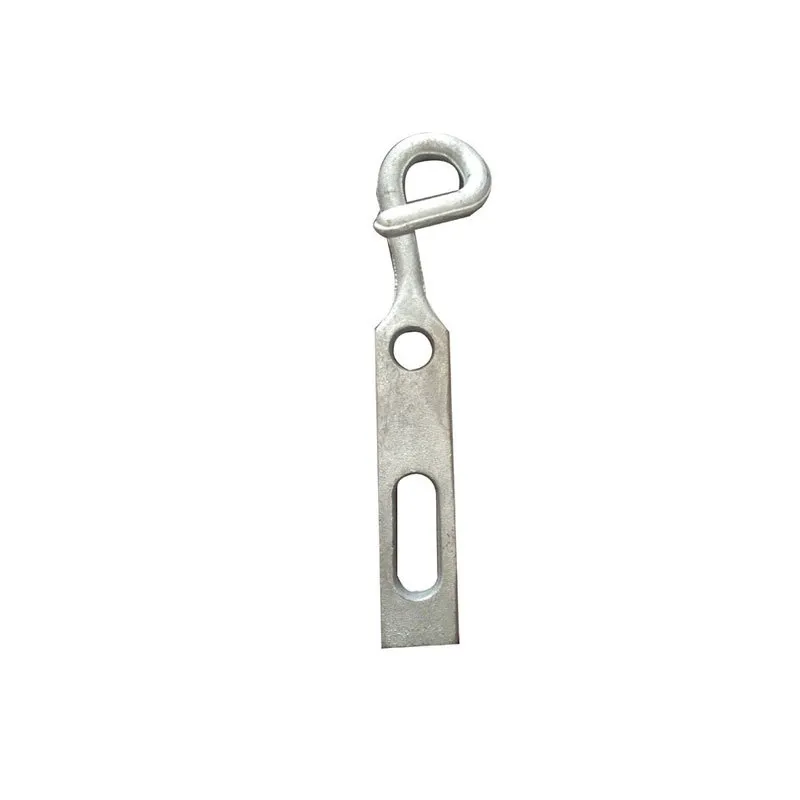
Wall hooks
Product Function: This metal wall hook is a practical accessory in the field of const...
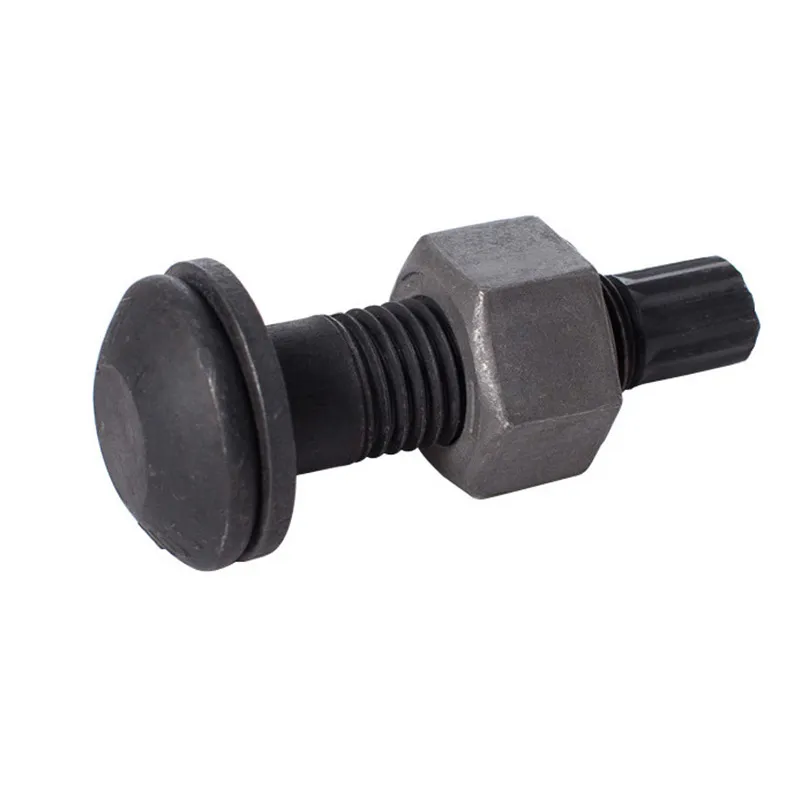
High-strength socket head bolts for steel structures
Product Description: High-strength structural shear bolts with tension control are hi...
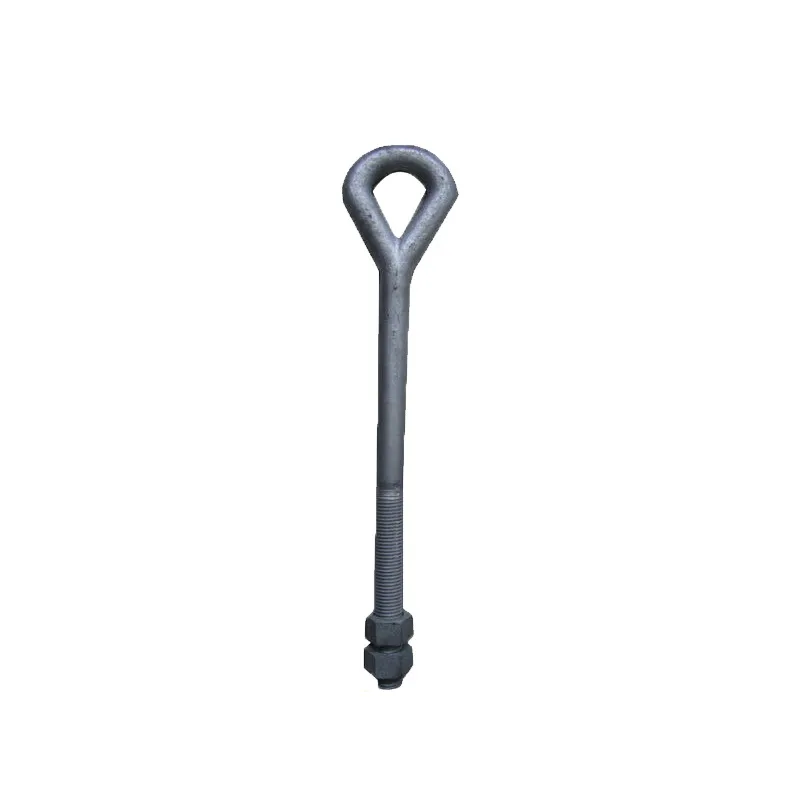
Eye bolts
Product Description: Eye bolts are high-strength fasteners specifically designed for ...
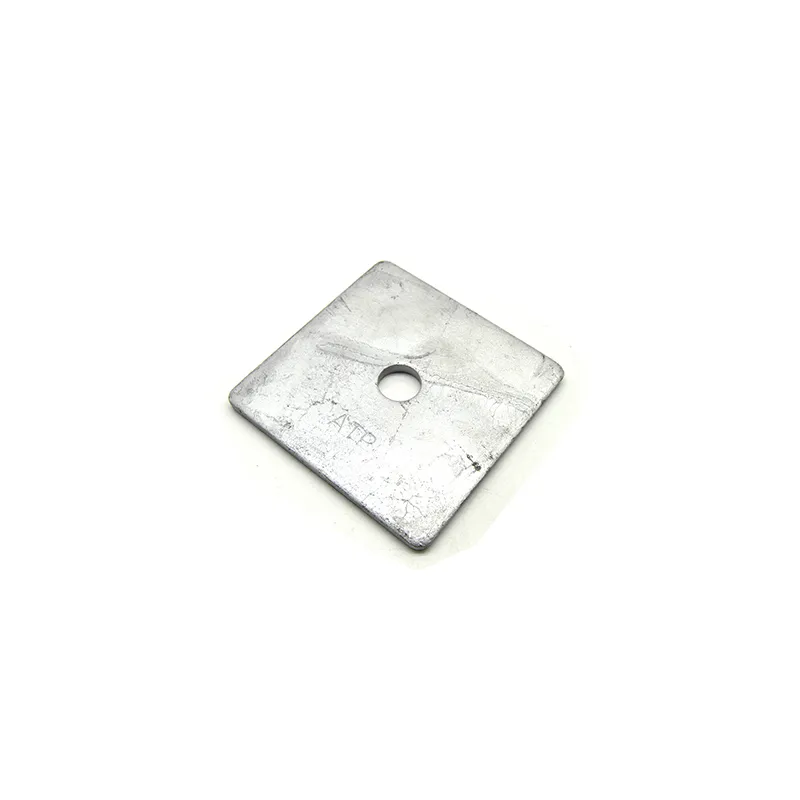
Square Washers
Product Description: A square washer is a mechanical component widely used in various mechanical ...
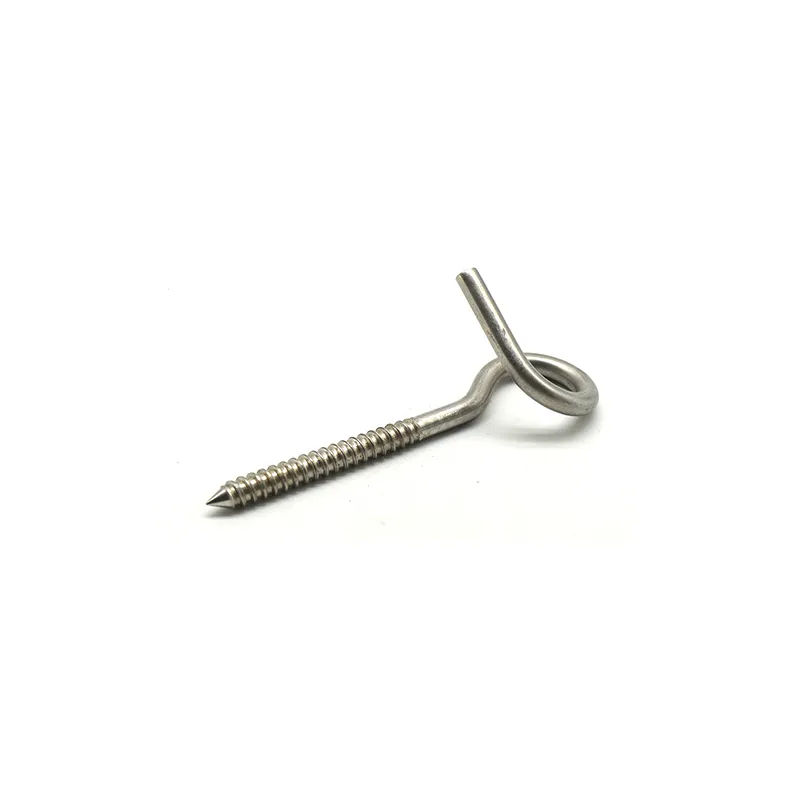
Wood Screws with Spiral Shank
Hook Screw (also known as cup hook or screw hook) This product consists of a threaded rod and a c...
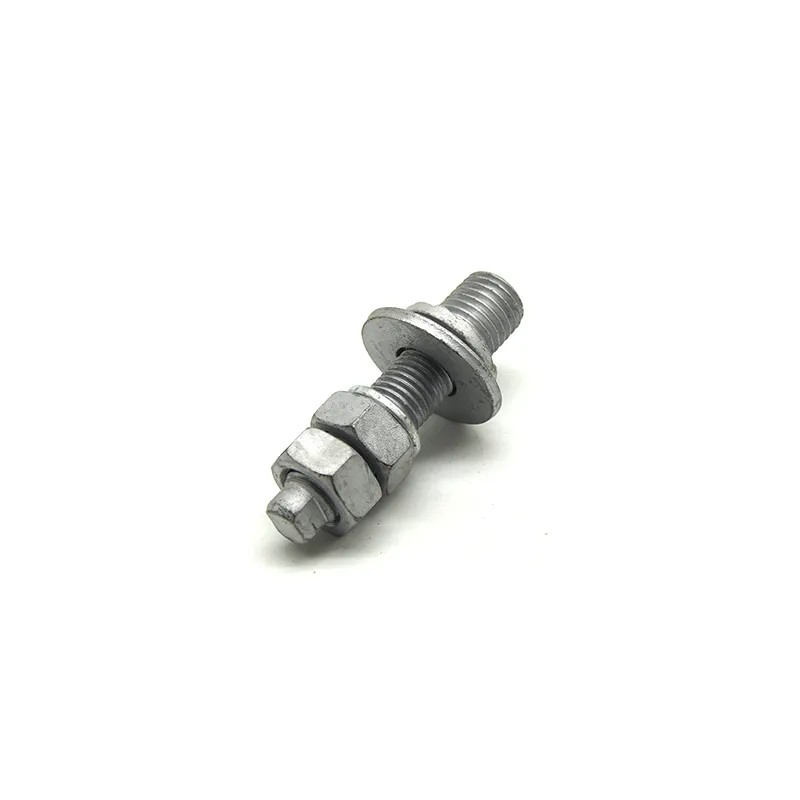
Steel supports of Series 57
This set consists of a fully threaded bolt, a nut, and a washer. A detailed description is provid...
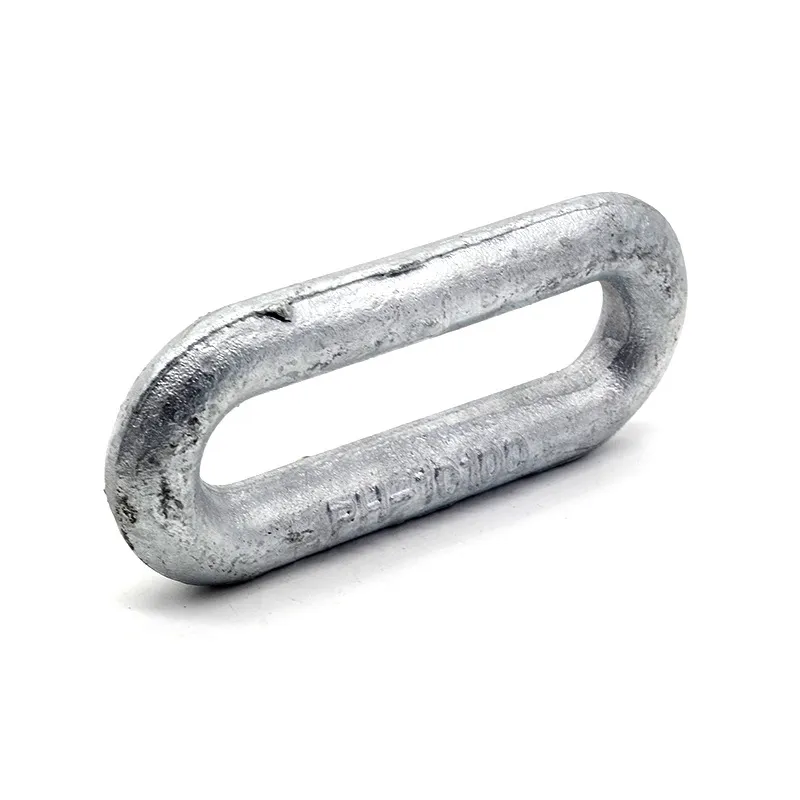
O-rings
Product Description: Product Description: Extension rings with sealing rings are a t...
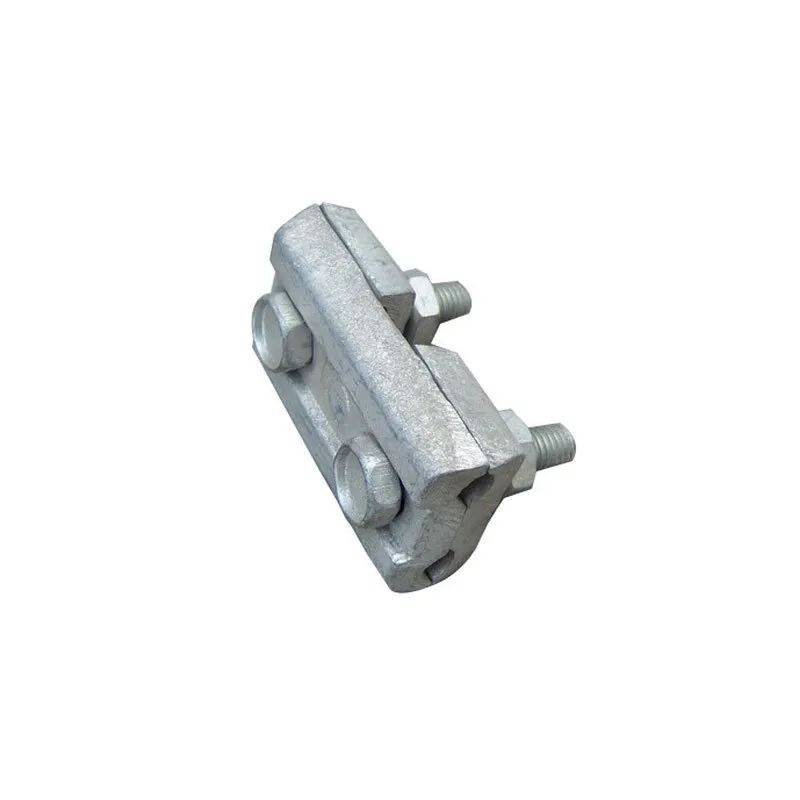
Gutter Clamps
Product Description: Iron Parallel Clamps are a type of electrical equipment mainly u...
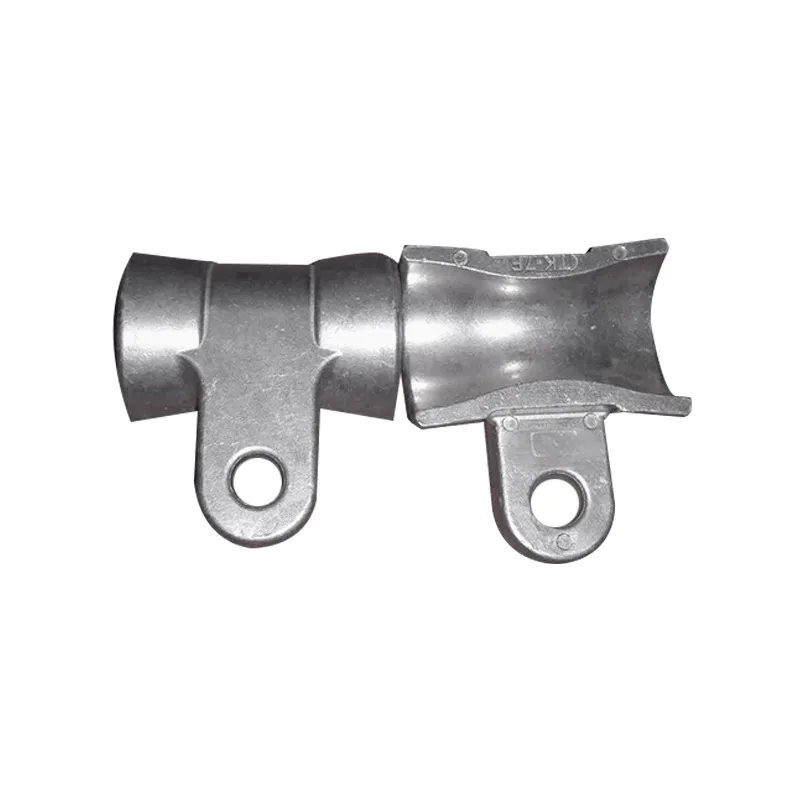
XJG Suspension Clamps
Product Description: XJG suspension clamps are metal fittings used for suspending ins...
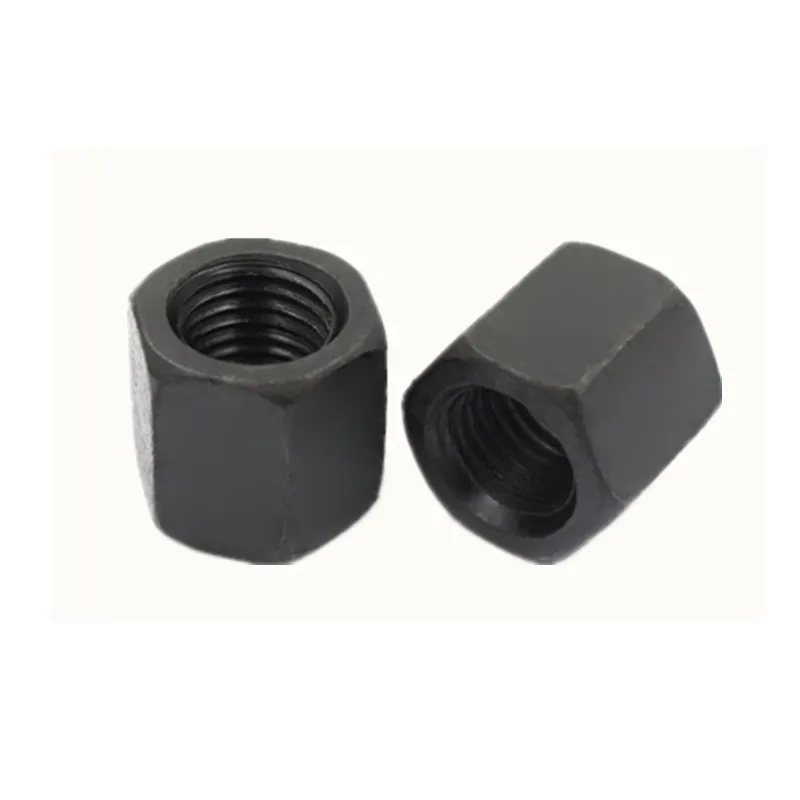
Grade 4.8 nuts
Product Description: Grade 4.8 nuts are the most commonly used standard-strength nuts...
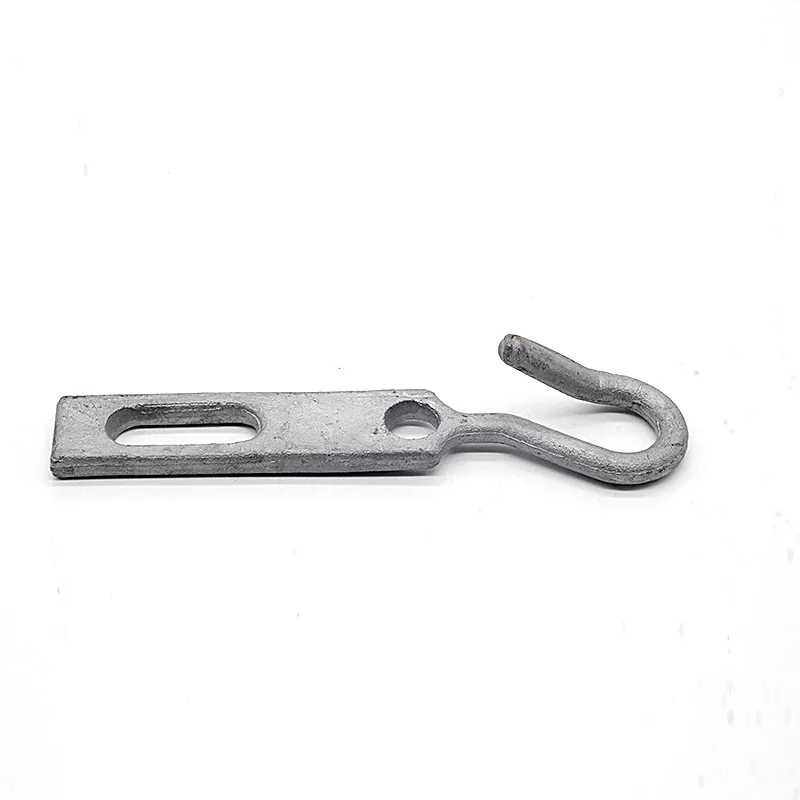
Eye bolts
Product description: Sheep's-eye bolts are specialized fasteners with a closed head r...
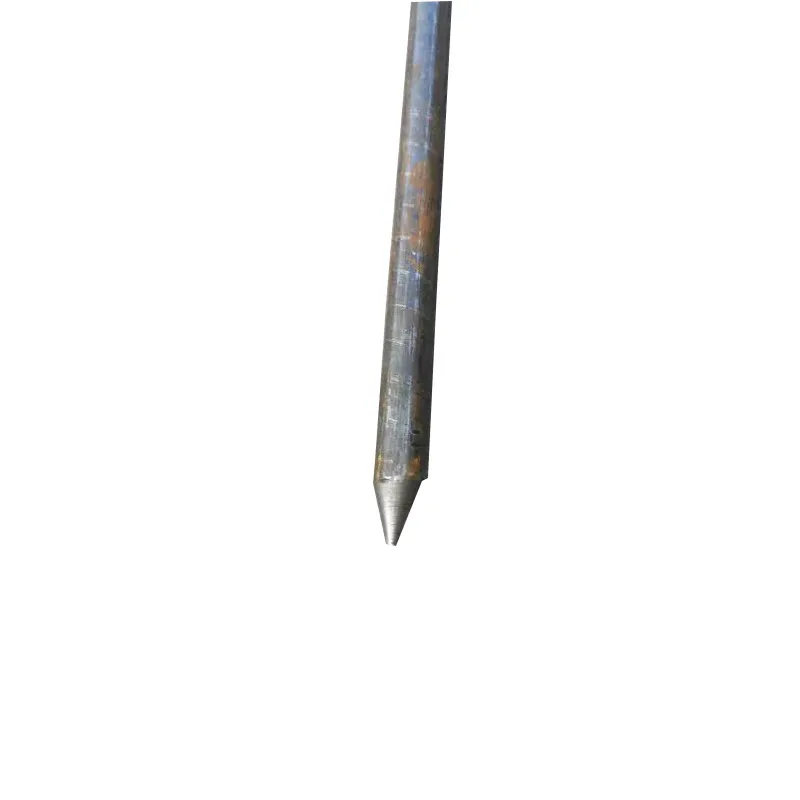
Galvanized steel ground rods
Product description: Galvanized steel ground rods serve as grounding materials for li...
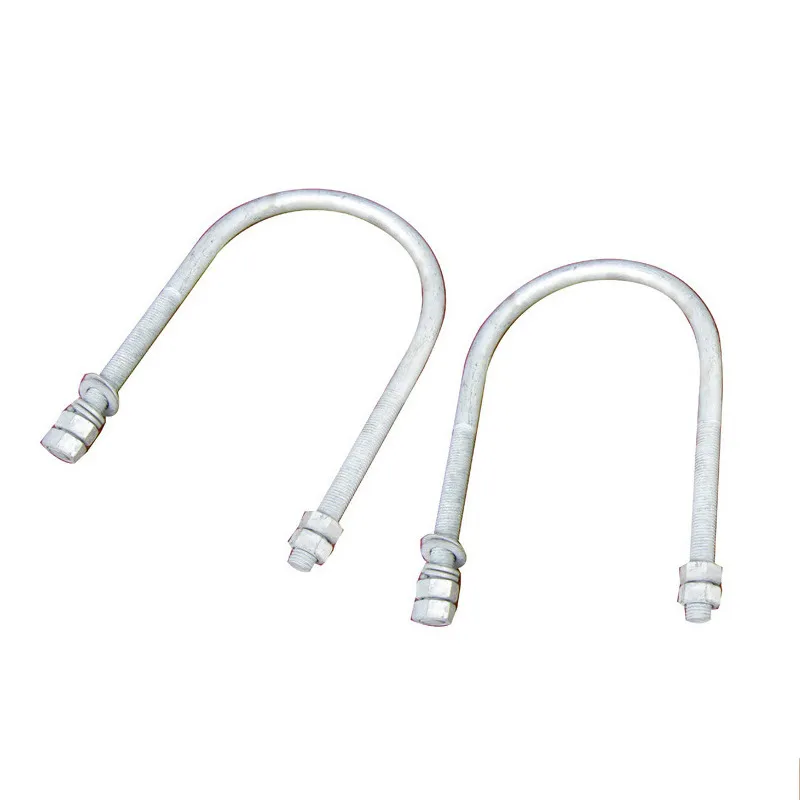
U-bolts
Product Description: U-bolts are fasteners shaped like the letter "U", mainly used to...
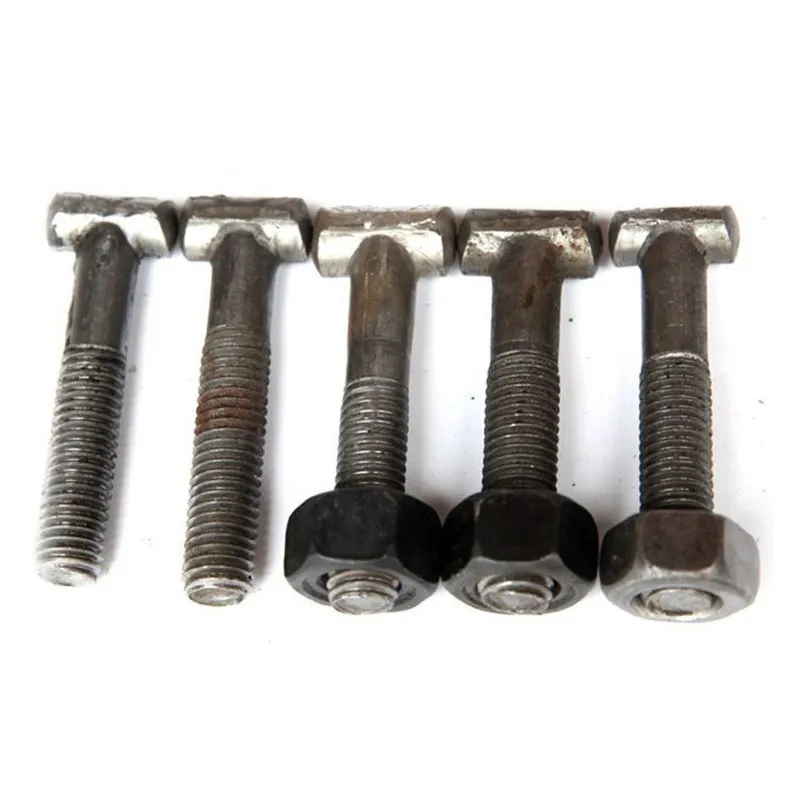
T-bolts
Product Description: T-bolts (also known as T-shaped bolts) are specialized fasteners...
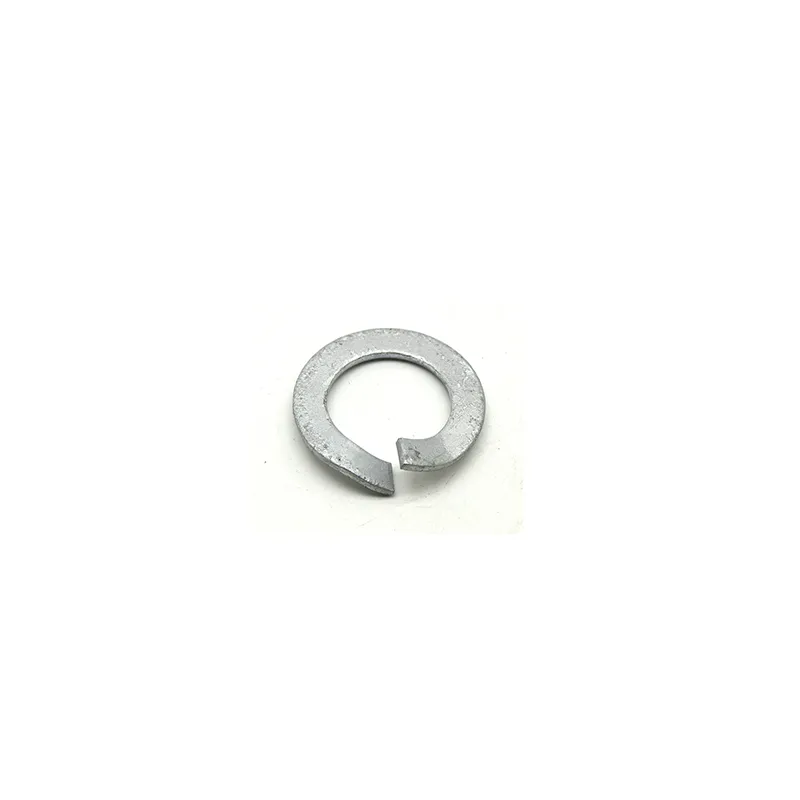
Split washers
Spring washer (also known as a Grover washer) It is an auxiliary component for mechanical fastene...