
+86-15613040666



Products
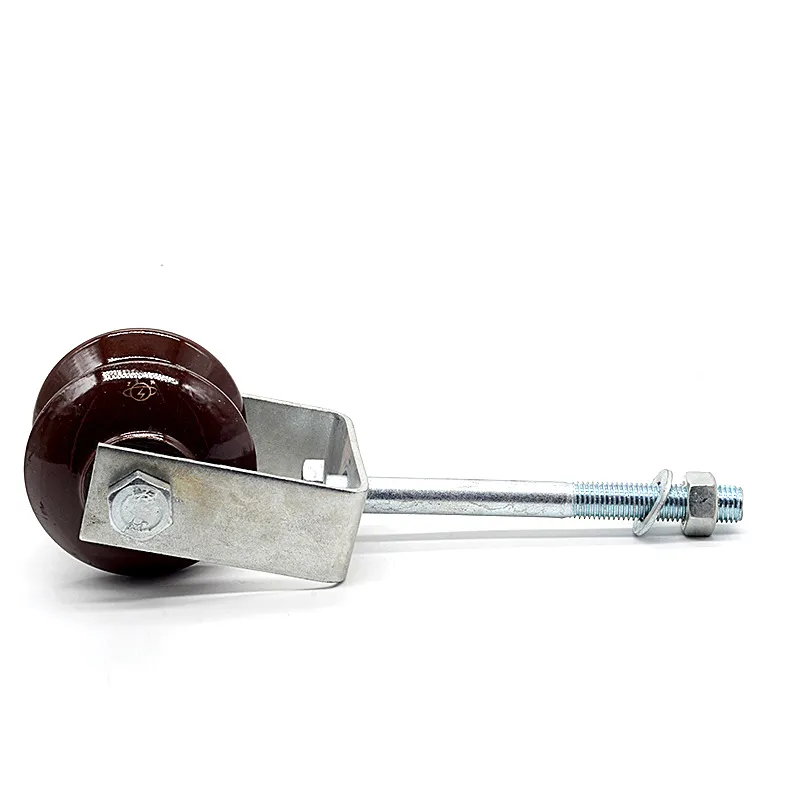
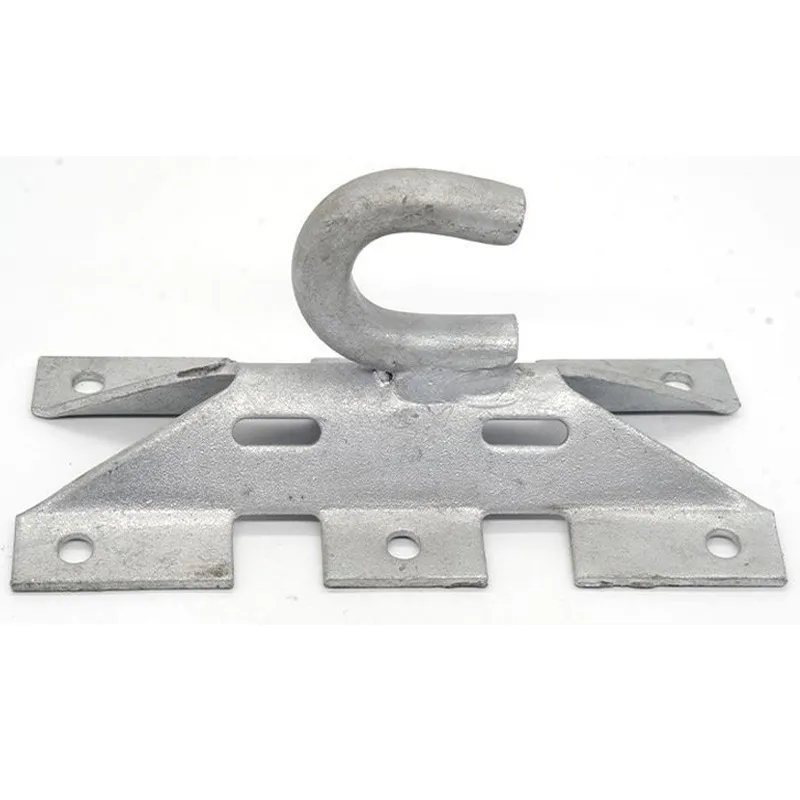
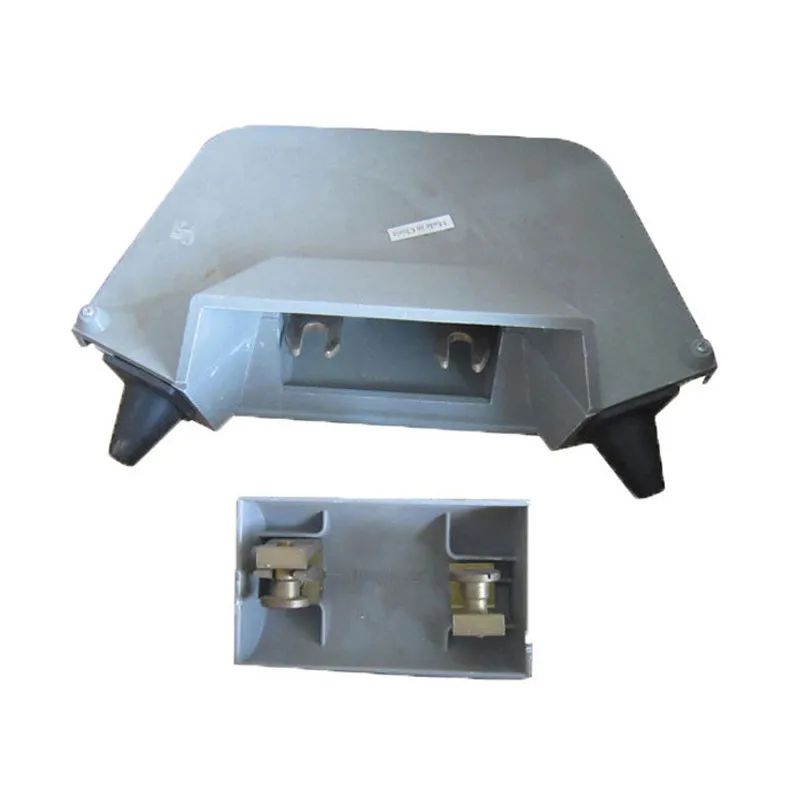
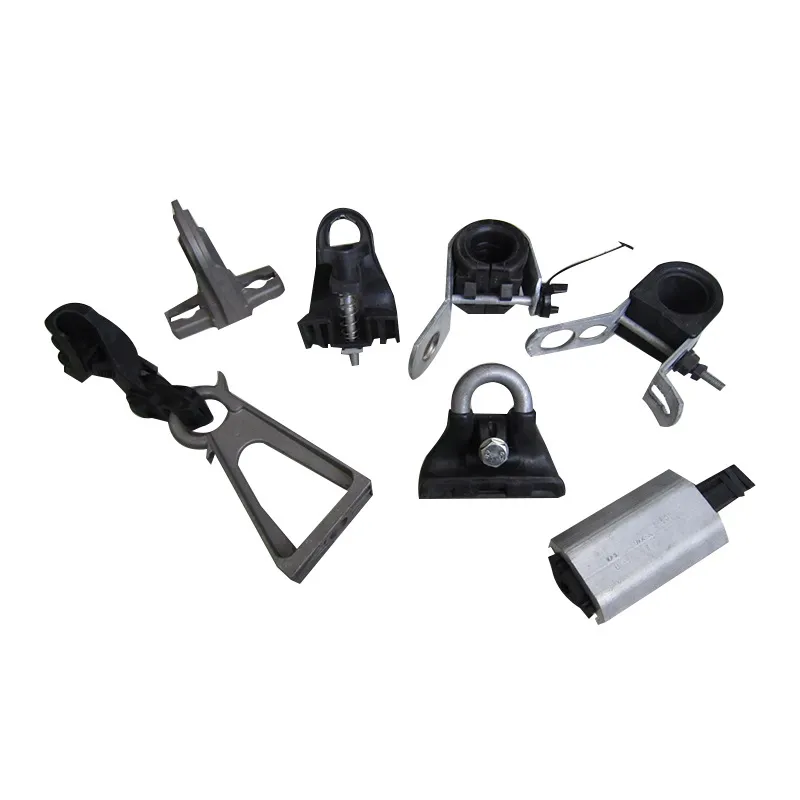
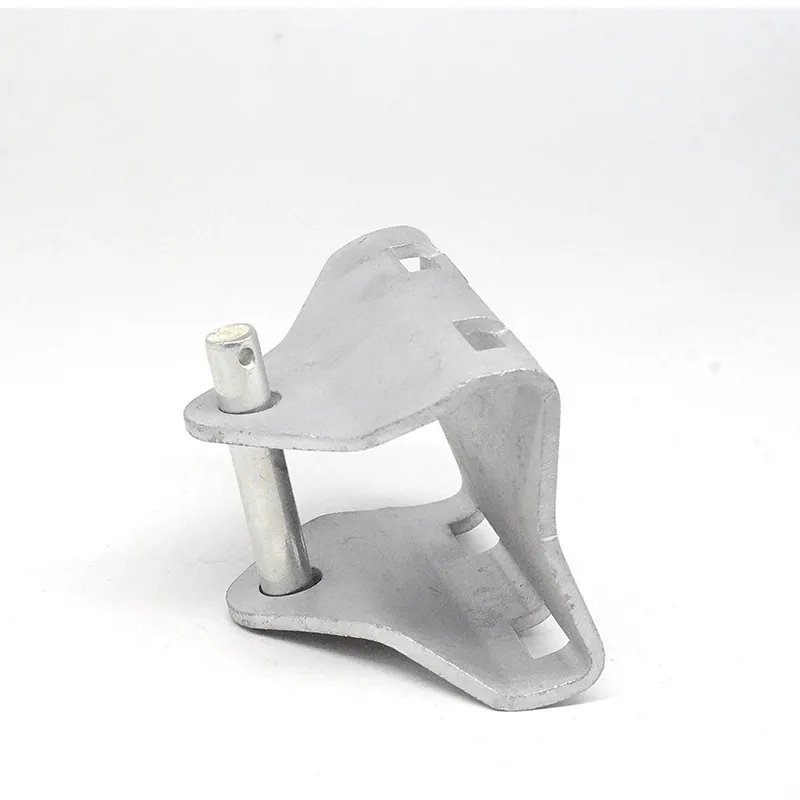
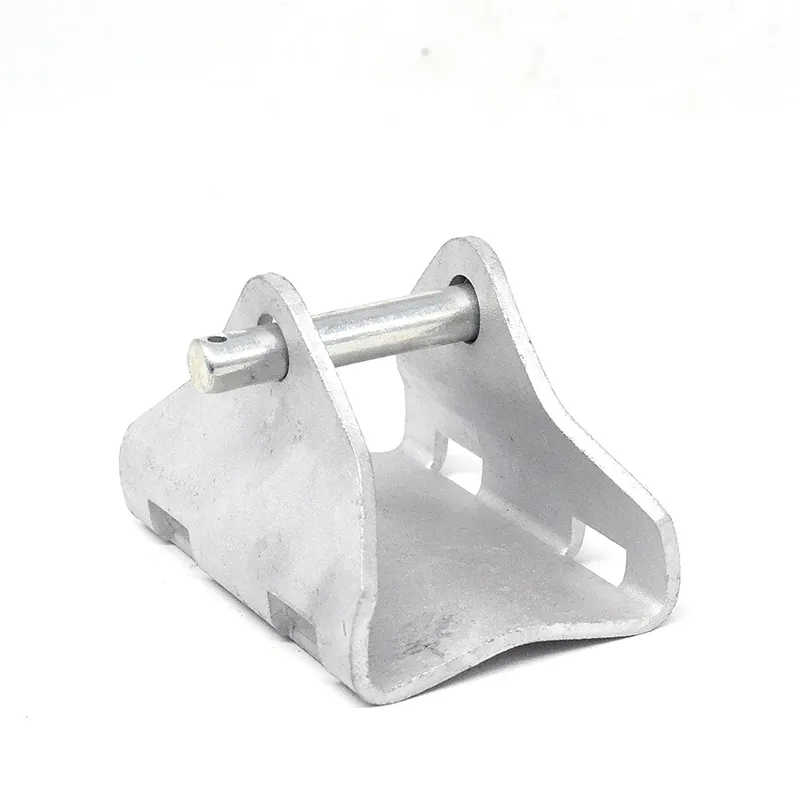
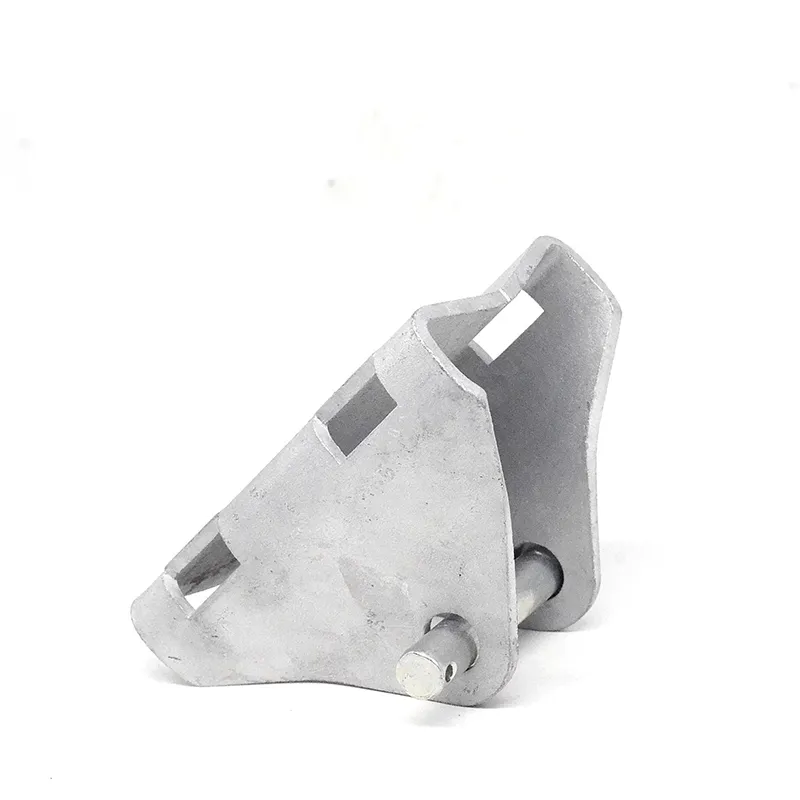
Fiber Optic Hooks
Product Description: Fiber optic cable hooks serve as lightweight fasteners in suspended fiber optic cable systems and are primarily designed for hanging cables on steel cables (suspension wires). Their snap-on mechanism enables quick cable attachment, ensures organized cable arrangement, ...
Description
marker
Product Description:
Fiber optic cable hooks serve as lightweight fasteners in suspended fiber optic cable systems and are primarily designed for hanging cables on steel cables (suspension wires). Their snap-on mechanism enables quick cable attachment, ensures organized cable arrangement, and prevents displacement. They are widely used in suspension systems for telecommunications fiber optic cables.
Main Structure and Design Features:
The design of the fiber optic cable hook is focused on "quick installation" and "cable protection," requiring adaptability to cables of different outer diameters and outdoor environmental conditions.
Main Structure
It consists of two parts: the upper part features a clamp for the suspension wire (C-shaped or U-shaped to grip the steel wire and prevent the hook from slipping), and the lower part includes a groove for holding the cable (a curved recess that conforms to the cable surface to fix its position).
Some models are equipped with a "connecting neck" between the clamp and the groove, allowing precise adjustment of the distance between the cable and the suspension wire to avoid direct friction.
Key Design Features
The inner surface of the suspension wire clamp is equipped with anti-slip teeth or protrusions to enhance friction with the steel wire, preventing the hook from shifting due to wind or the cable’s own weight.
The inner diameter of the fiber optic cable groove precisely matches the outer diameter of the cable (general specifications: 10-30 mm), ensuring a tight fit without compression and preventing damage to the cable sheath.
The entire structure is made of elastic materials (e.g., PE, PP) with inherent flexibility. This allows slight deformation during installation to facilitate connection with the steel wire and fiber optic cable, then returns to its original shape to ensure reliable fixation.
Some hooks are provided with drainage holes to prevent rainwater accumulation inside the groove, reducing the risk of cable sheath corrosion (especially in humid regions).
Material and Performance Requirements:
Materials must combine flexibility, resistance to weather conditions and aging to ensure long-term outdoor service.
1. Main Materials
Primary materials: Polyethylene (PE) or polypropylene (PP) with added UV stabilizers and antioxidants to enhance weather resistance.
PE material: Offers excellent flexibility and resistance to brittleness at low temperatures (-40 °C), suitable for cold northern regions.
PP material: Features slightly higher hardness and superior heat resistance (80 °C), suitable for high-temperature southern regions or areas with intense external exposure.
Materials for special conditions:
Coastal regions with high salt content in fog: Select PE material with corrosion inhibitors or hooks with a surface-applied anti-corrosion coating to extend service life.
Applications under high loads (e.g., large-cross-section ADSS cables): Use reinforced PE (with glass fiber additives) to improve groove load-bearing capacity and prevent deformation.
2. Key Performance Requirements
Weather resistance: Must pass ultraviolet aging tests (simulating 5,000 hours of outdoor exposure) without material hardening or cracking, with a snap retention force reduction ≤10%.
Thermal stability: Maintain elasticity within the temperature range of -40 °C to 80 °C, prevent breakage during installation/dismantling, and ensure stable cable retention force.
Aging resistance: Guarantee an outdoor service life of ≥10 years, preventing hook breakage and cable displacement due to material degradation.


contact us
Related popular products
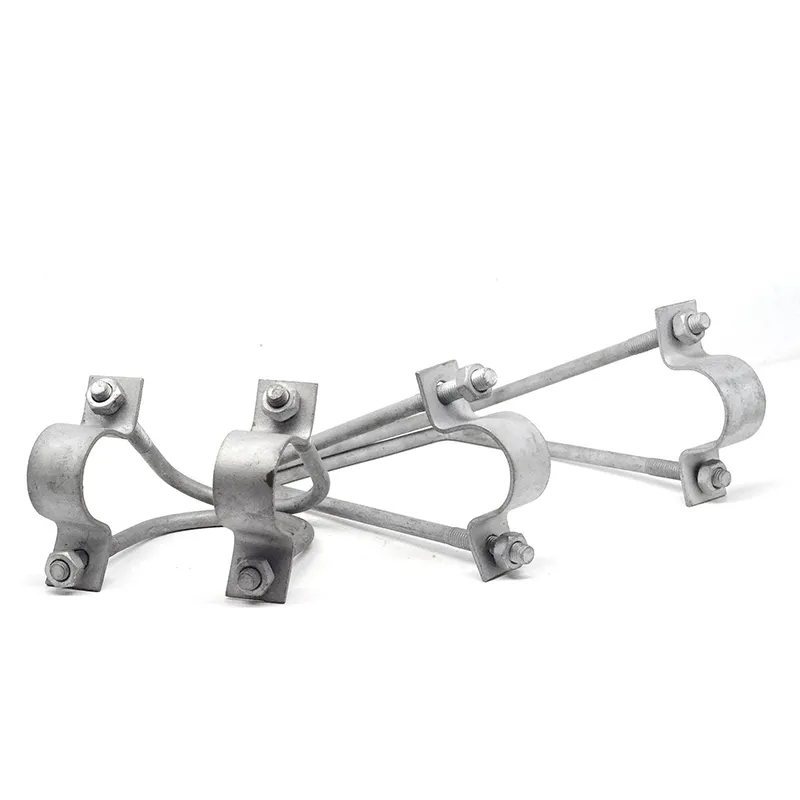
Square U-shaped pins
Product Description: Square U-bolts are a type of U-bolt named for their square cross...
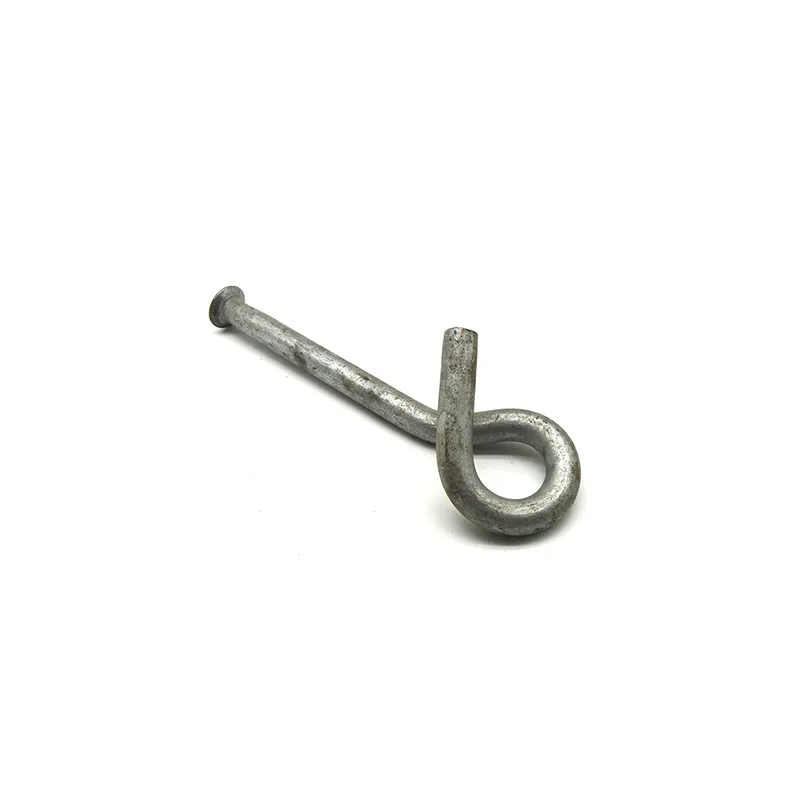
Spiral shank bolts
Below is a detailed description: Structural Features: One end is threaded, while the...
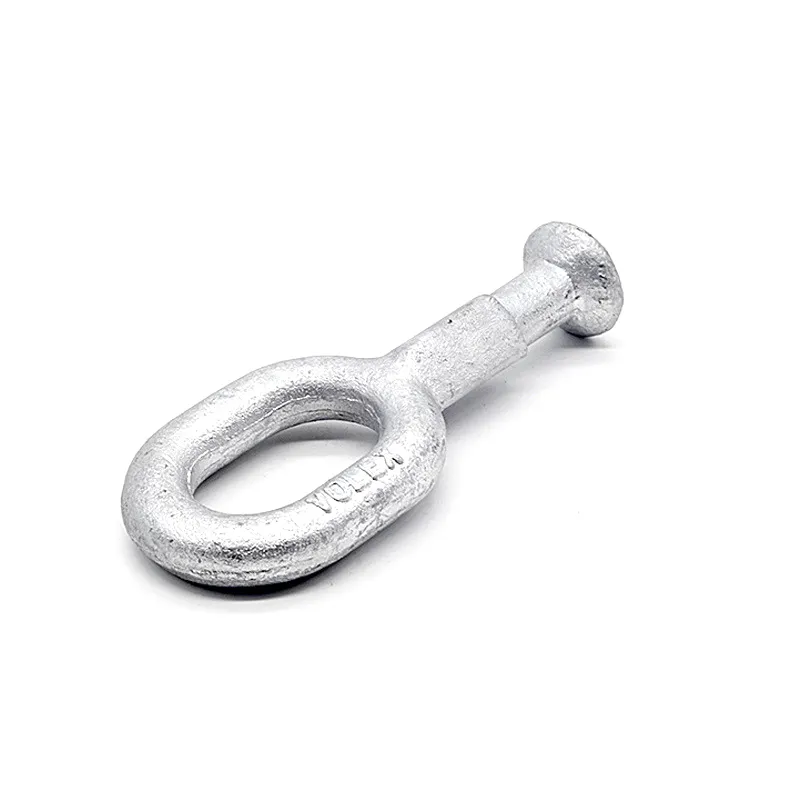
U-shaped hanging rings
Product Description: U-shaped lifting rings are fasteners with a U-shaped opening at ...
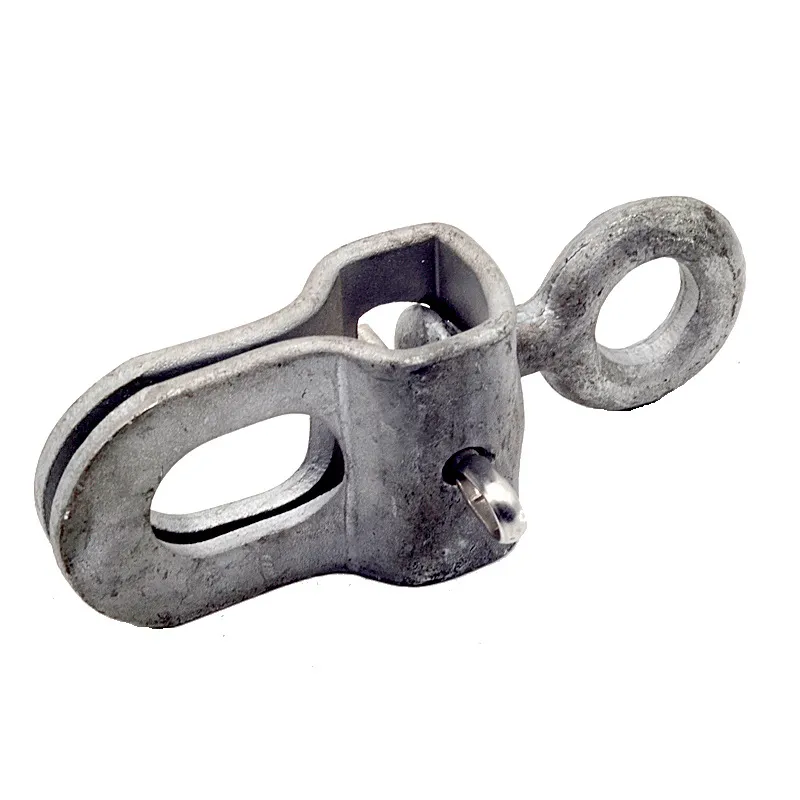
Ball and socket clamps
Product Description: Ball-end brackets and socket-end brackets are widely used connec...
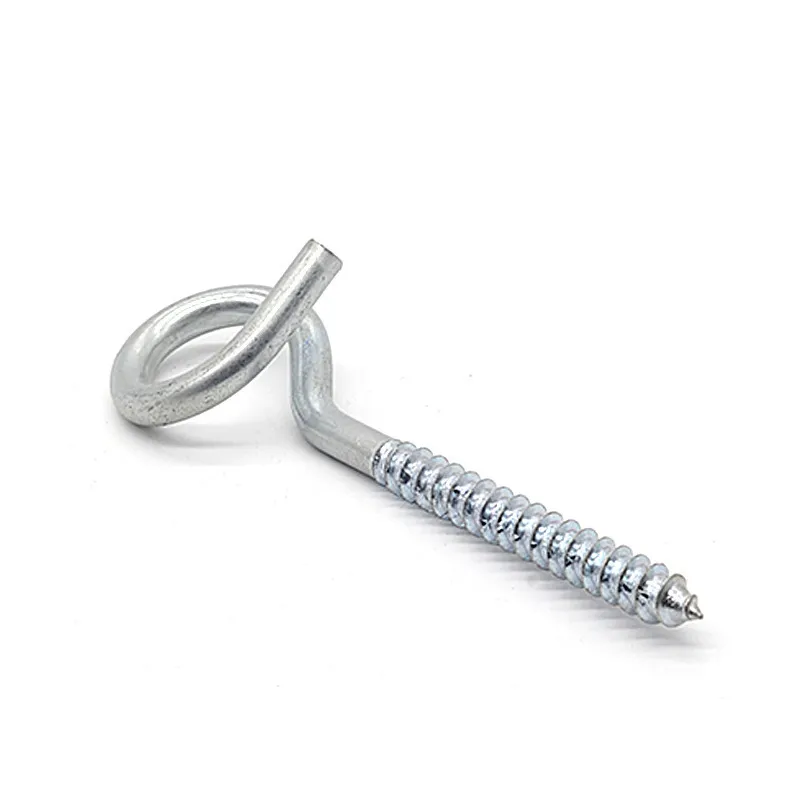
Pigtail wood screws
Product description: Pigtail wood screws are fasteners specifically designed for join...
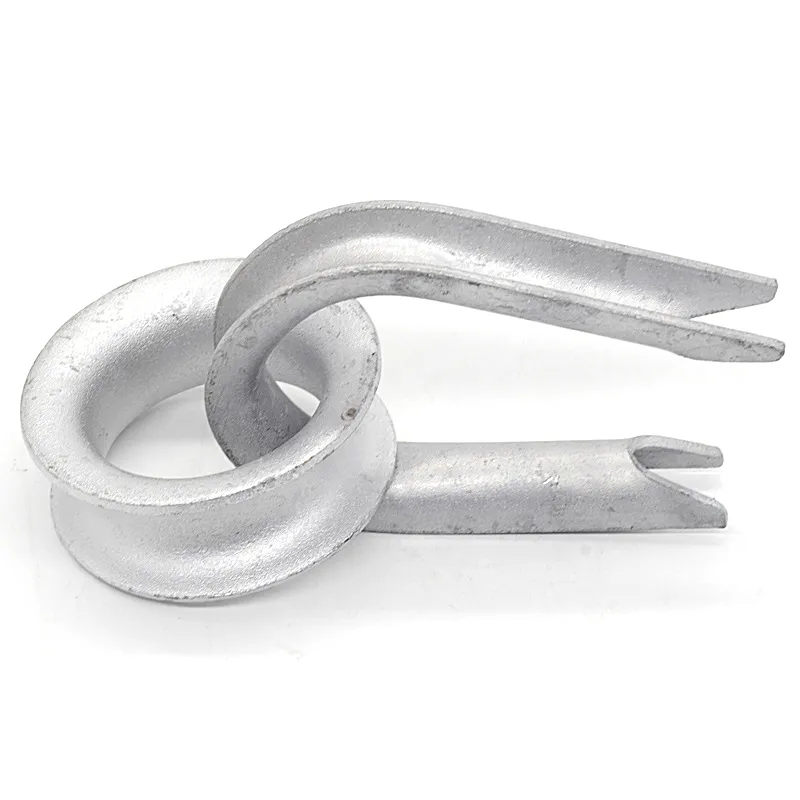
Round gaskets
Описание продукта: Ring liners are a type of shock-absorbing component with a circula...
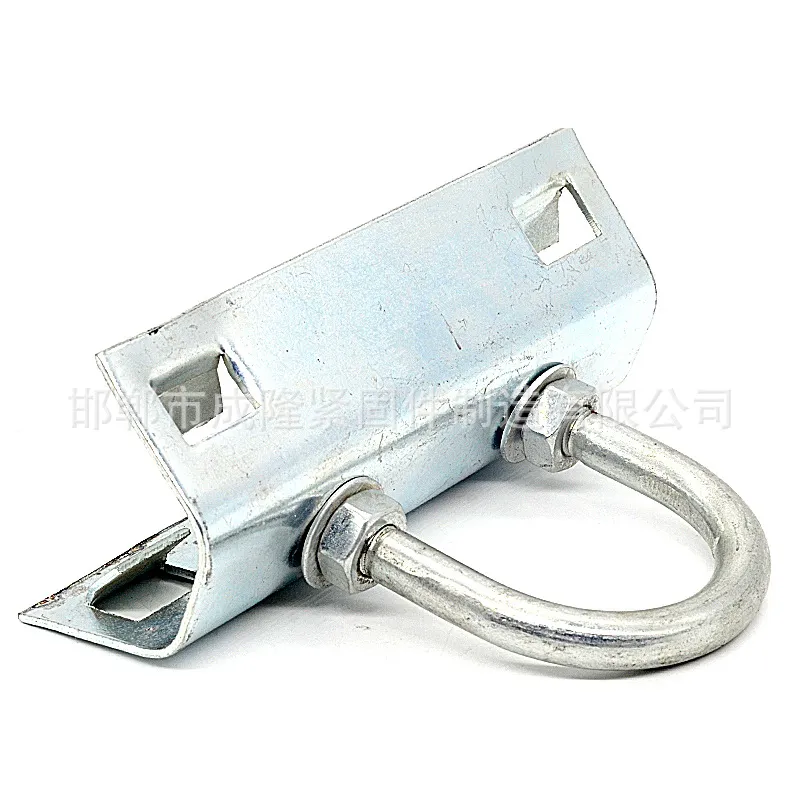
Optical Cable Suspension Clamps
Product Description: Optical cable suspension clamps serve as core fastening componen...
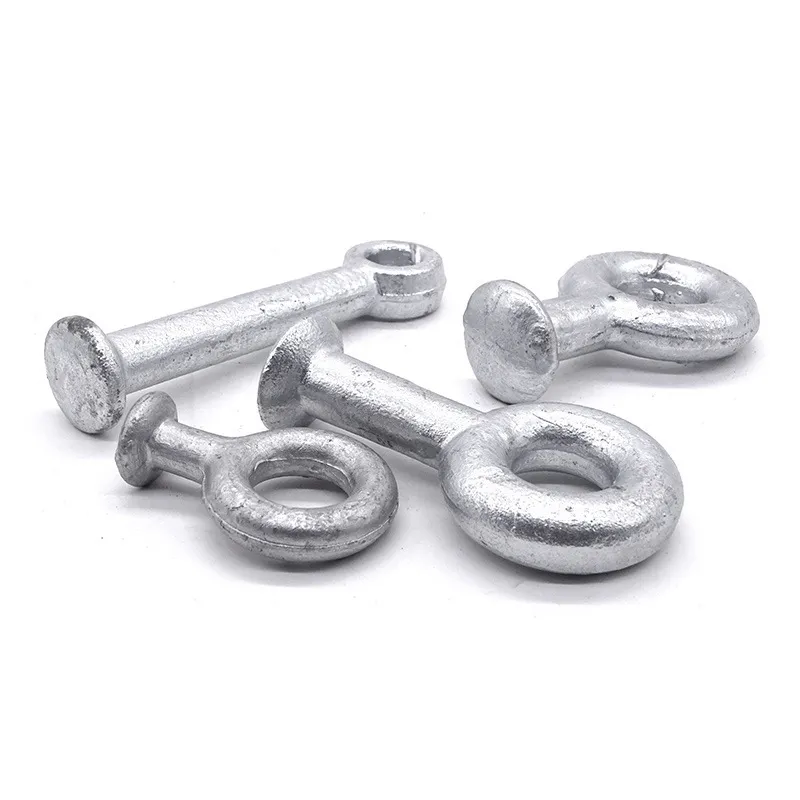
Ball earrings
Product Description: Ball-end suspension rings serve as swivel connecting elements in...
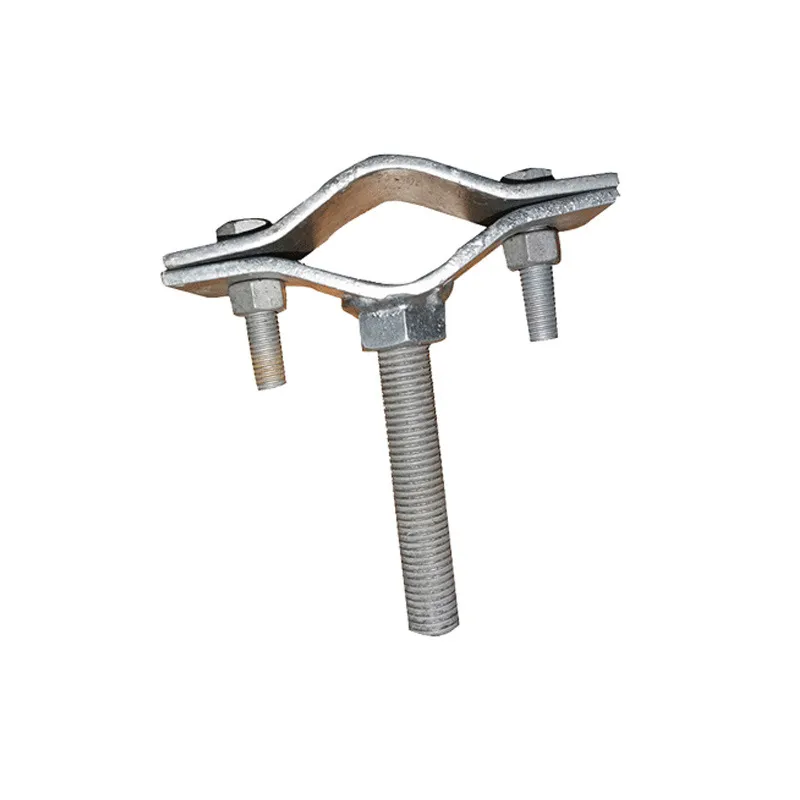
Crossarm braces
Product Description: Crossarm clamps are primary fastening components used to connec...
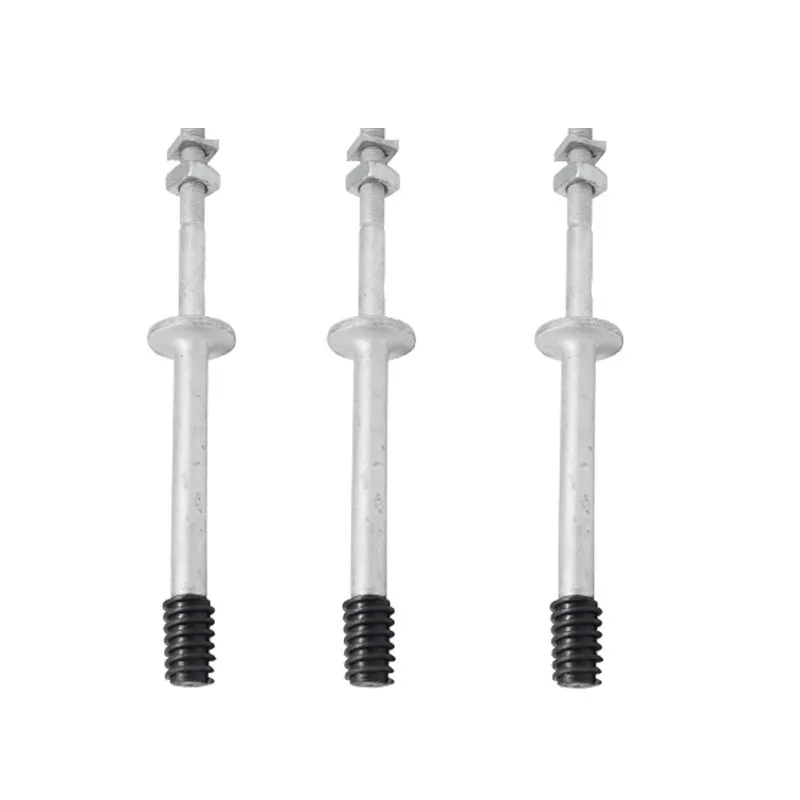
Insulator steel feet
Product Function: Insulator steel feet are a critical component of insulators, playin...
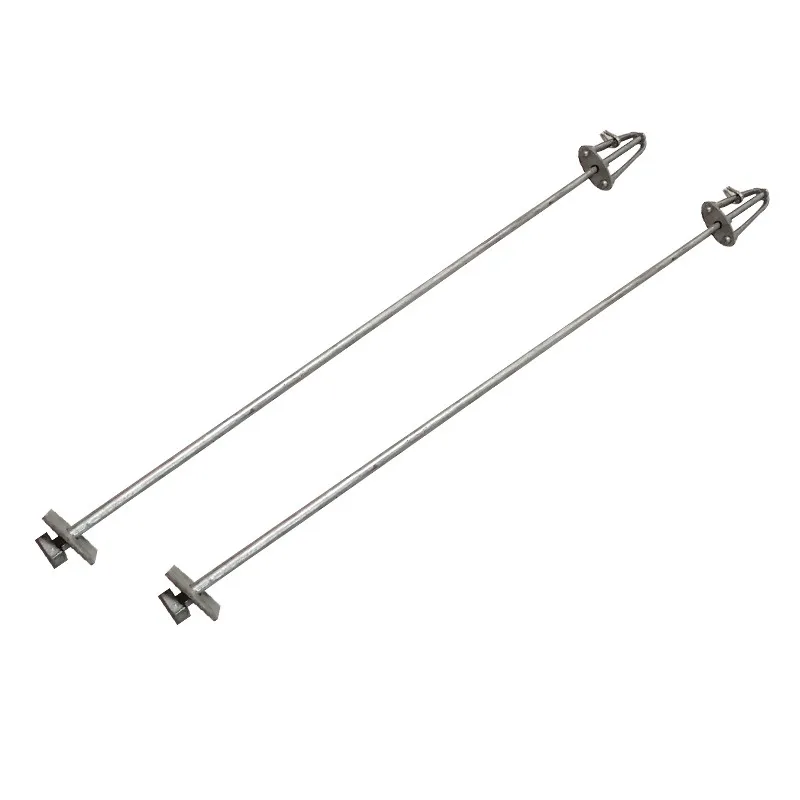
Arched rods
Product Description: The "butterfly-type cable tie" is a fastener with a special shap...
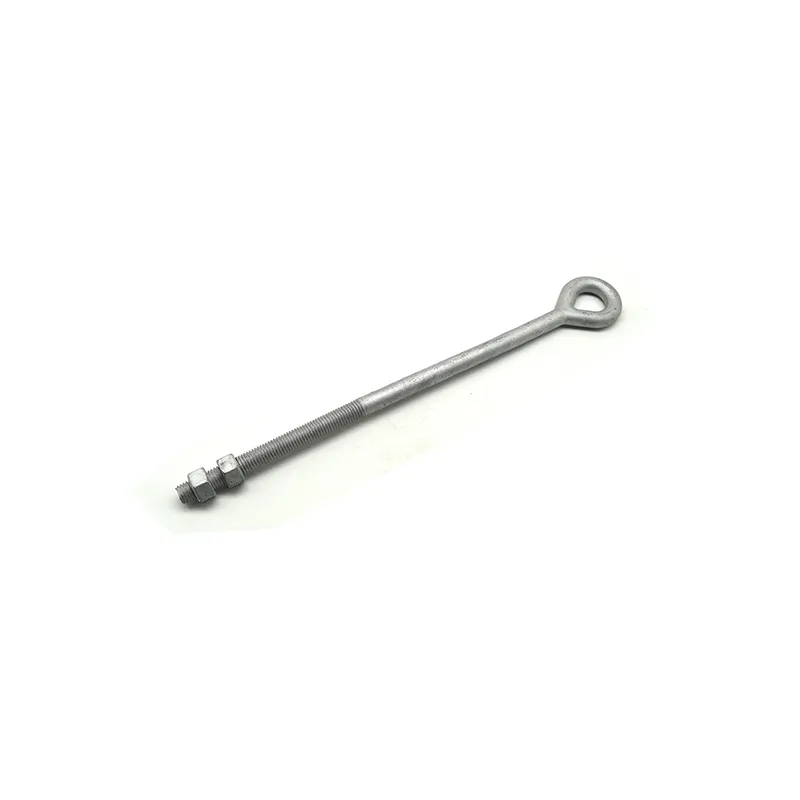
Eye bolts
Eye Bolt An eye bolt is a fastener with a ring-shaped element ("eye") on one end and a threaded ...
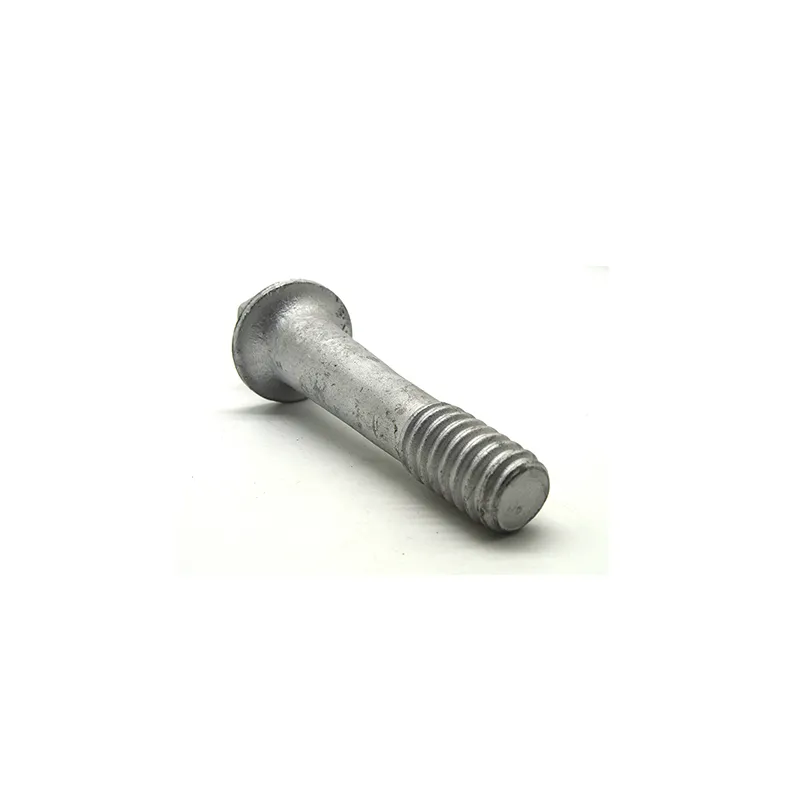
Steel Supports
Full Thread Bolt Assembly This assembly consists of a fully threaded bolt, a nut, and a washer. ...
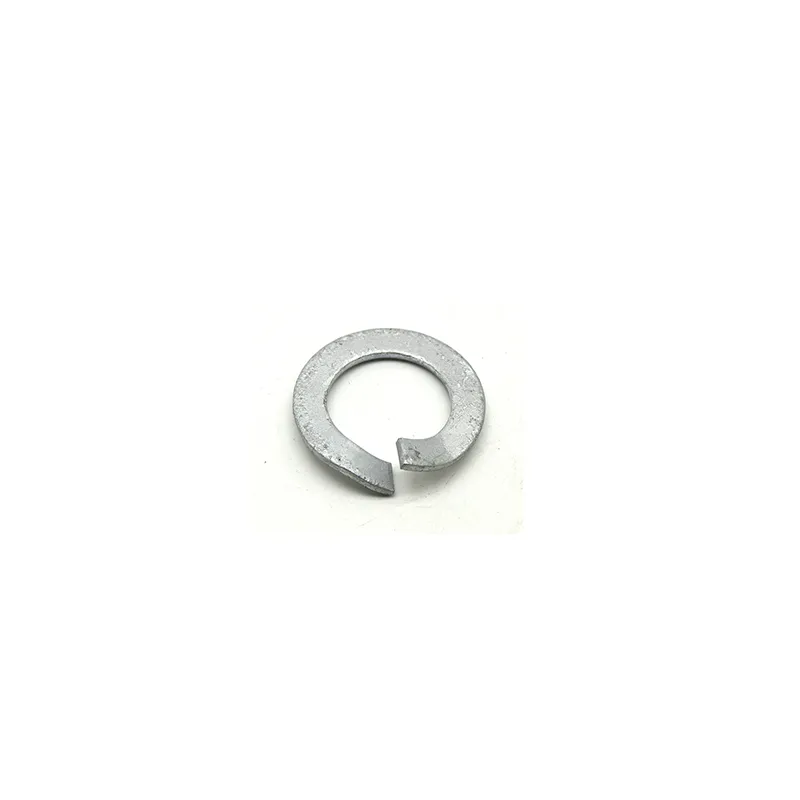
Split washers
Spring washer (also known as a Grover washer) It is an auxiliary component for mechanical fastene...
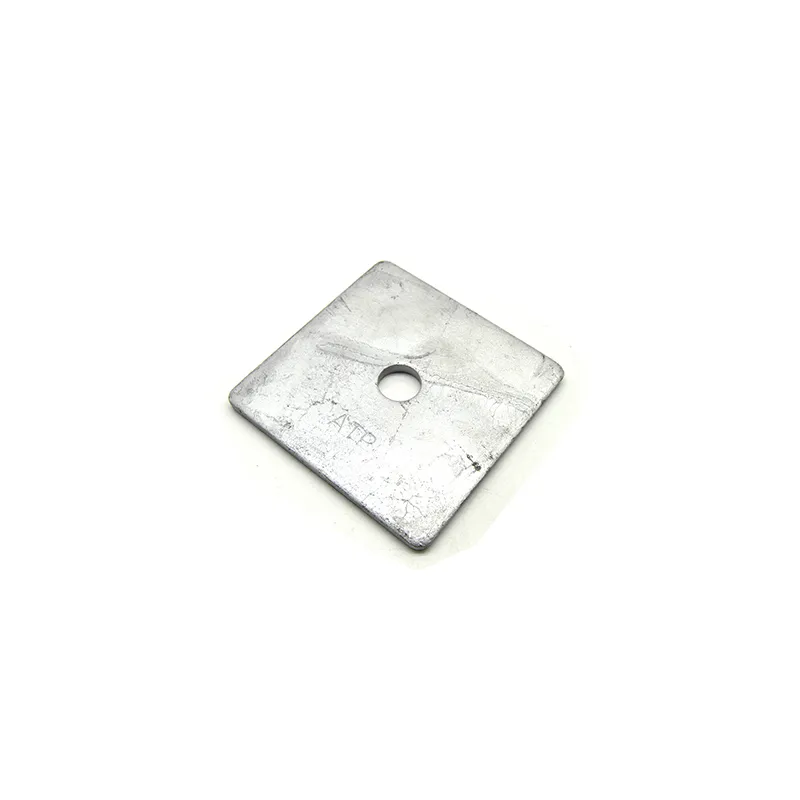
Square Washers
Product Description: A square washer is a mechanical component widely used in various mechanical ...
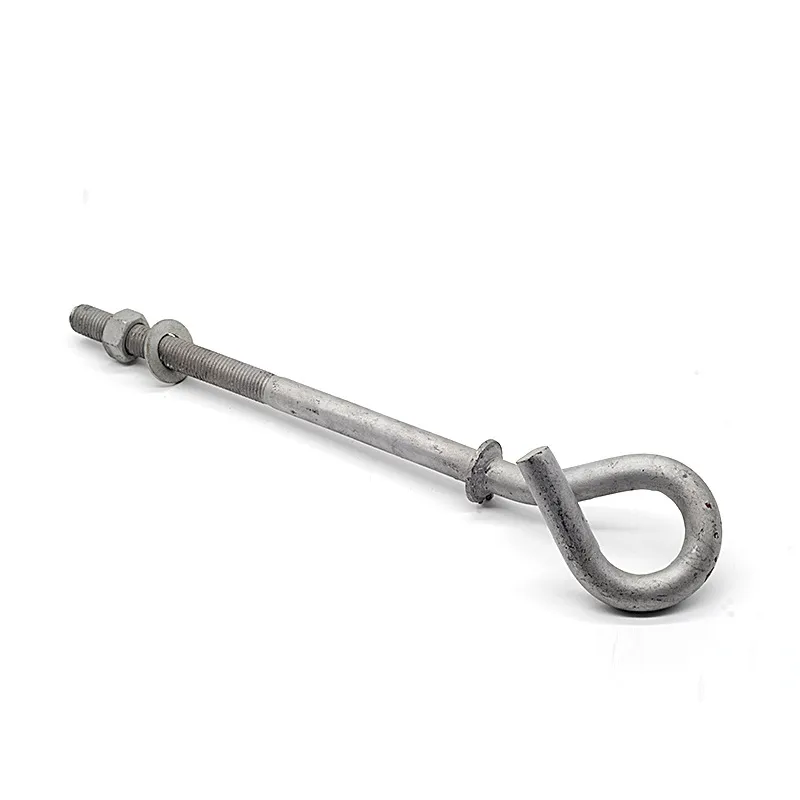
Hairpin Hook
Product Description Pig-Tail Hook A pig-tail hook is a fastener that resembles a pig’...