
+86-15613040666



Products
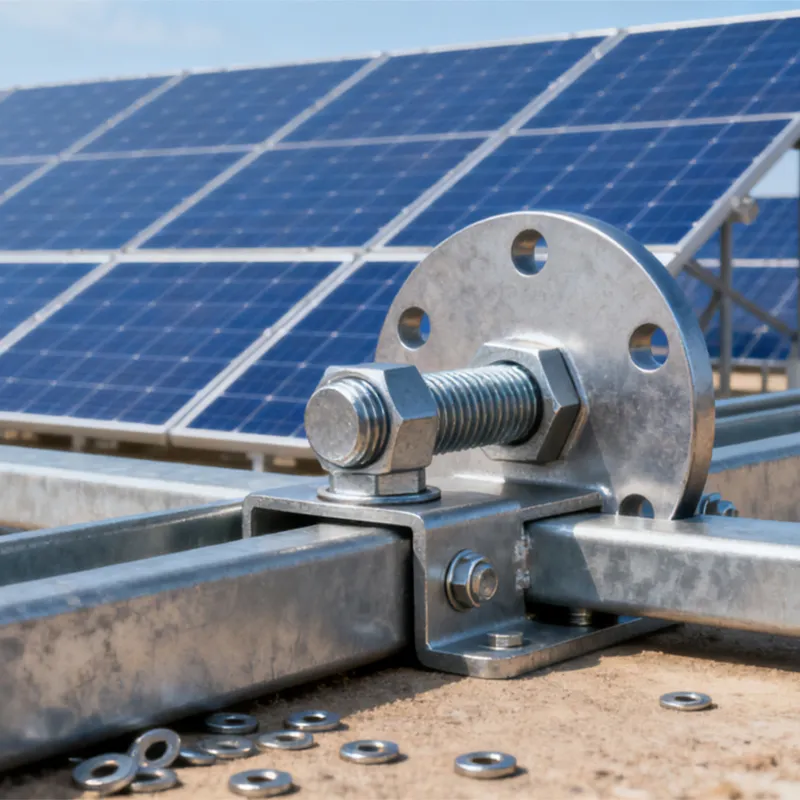
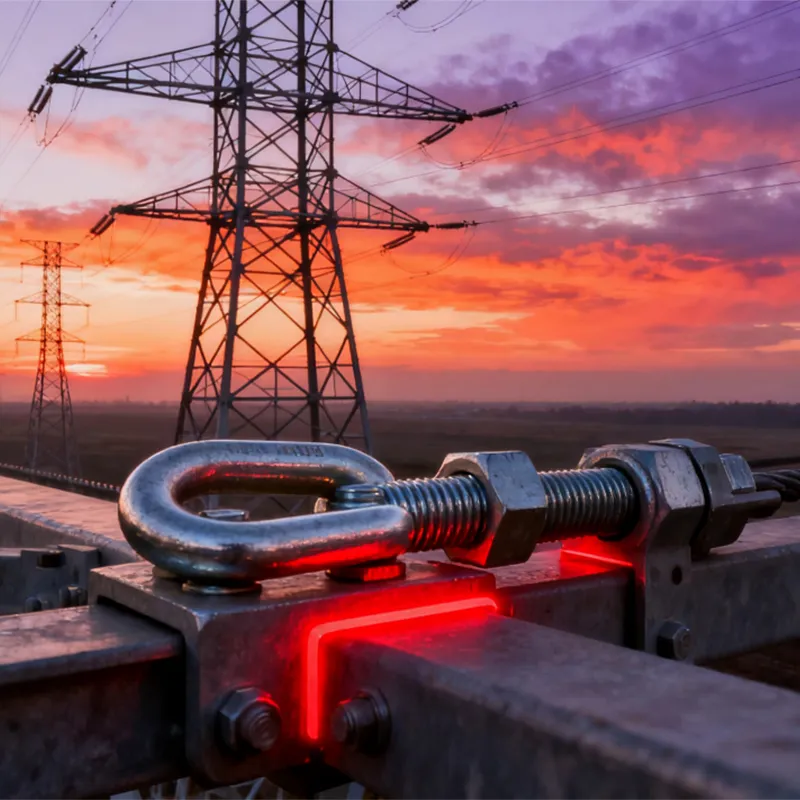
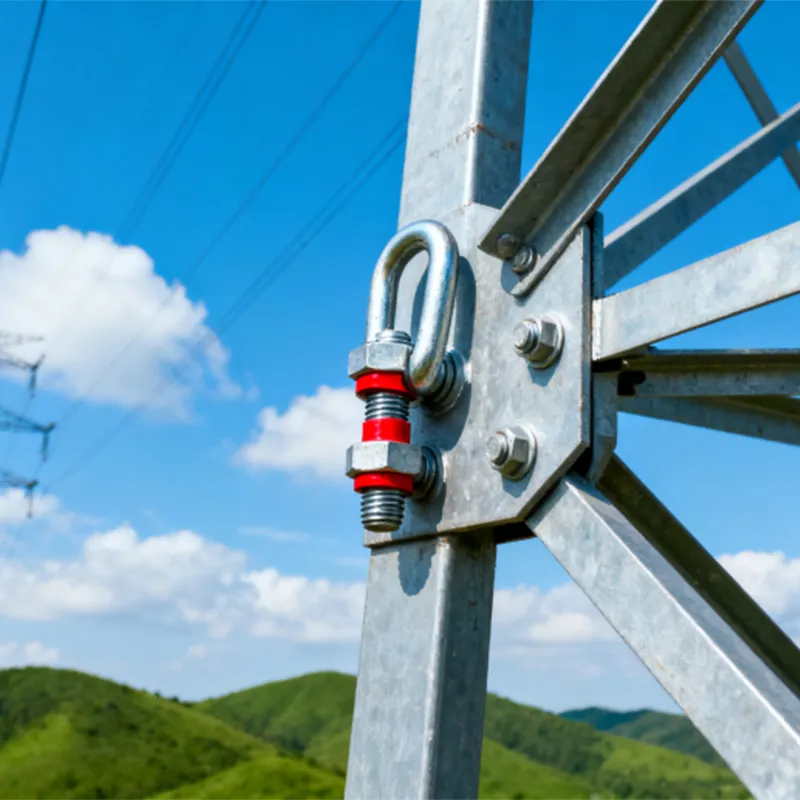
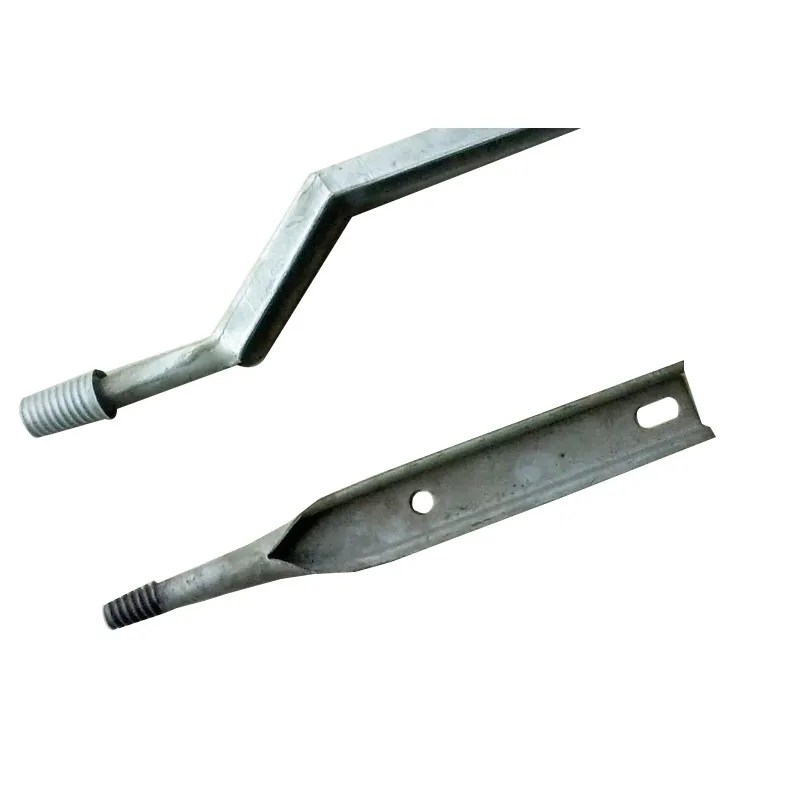
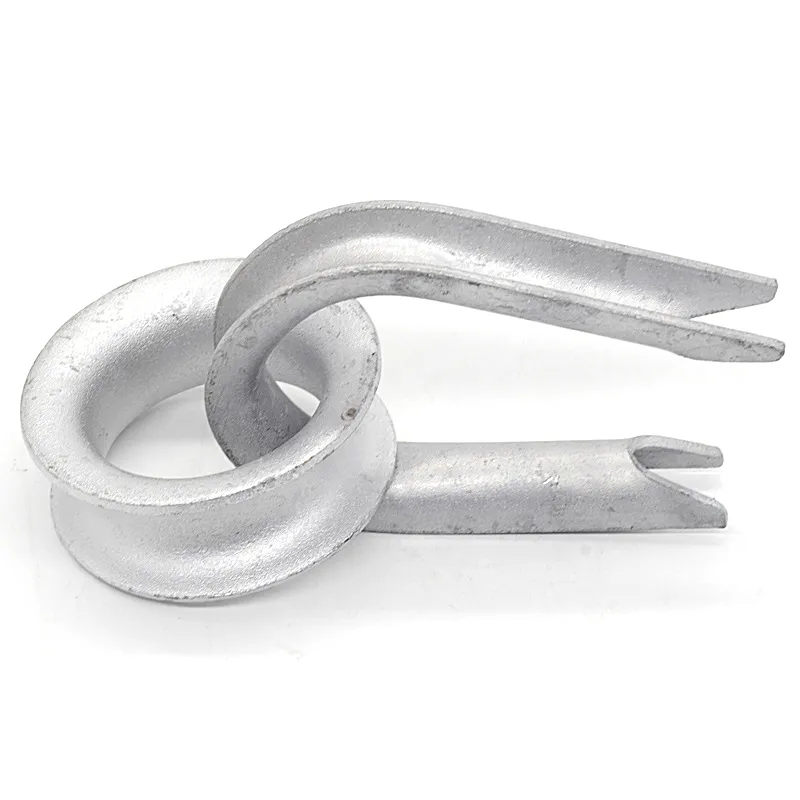
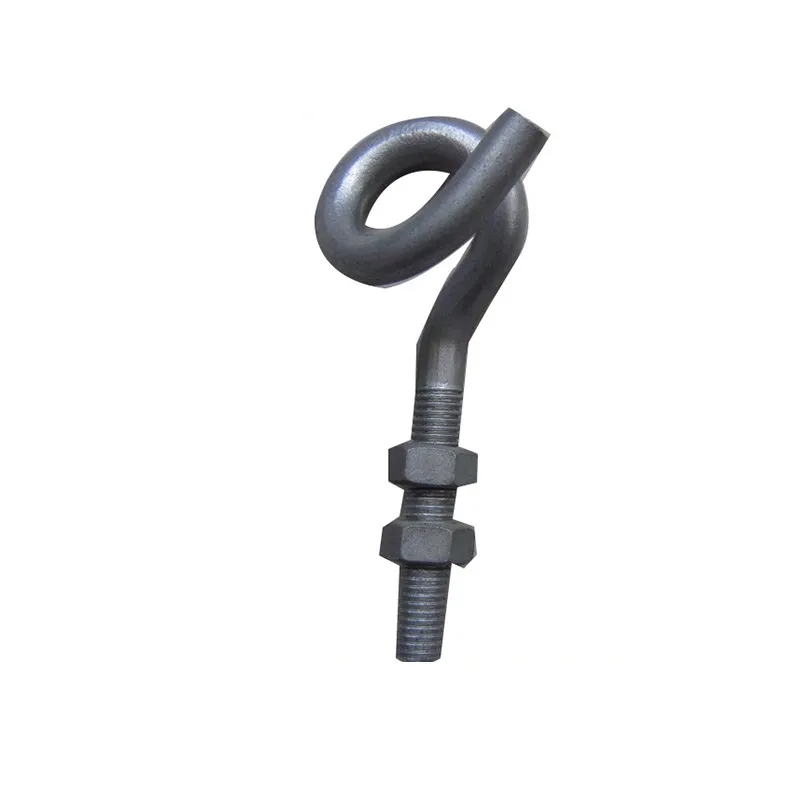
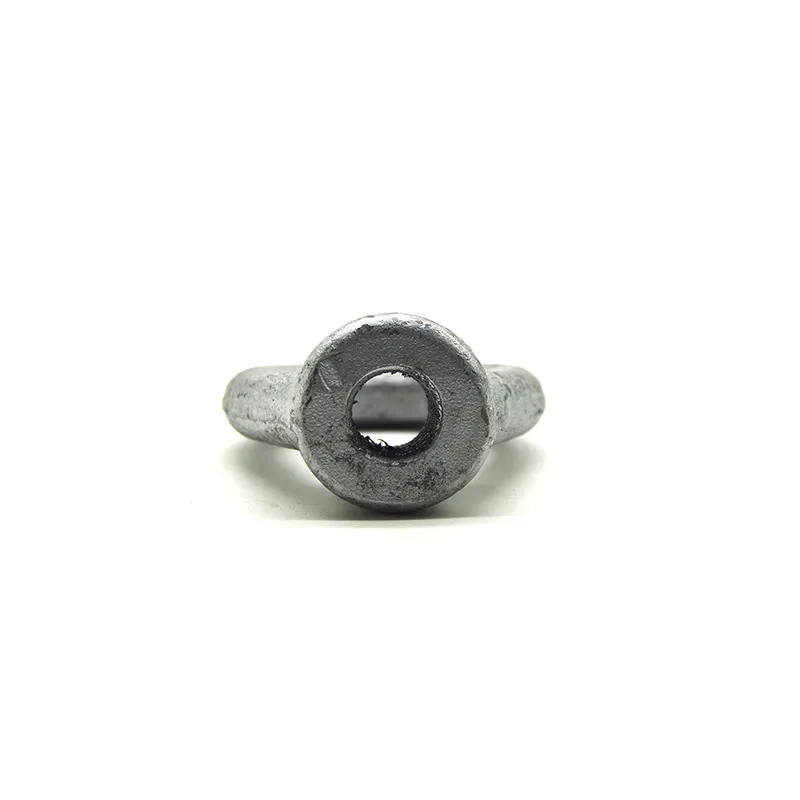
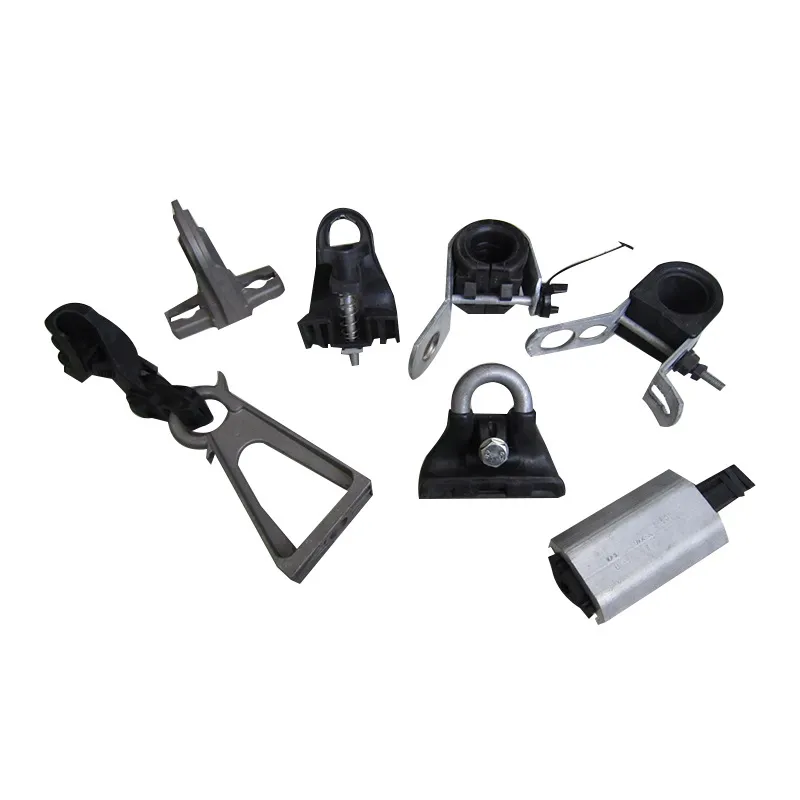
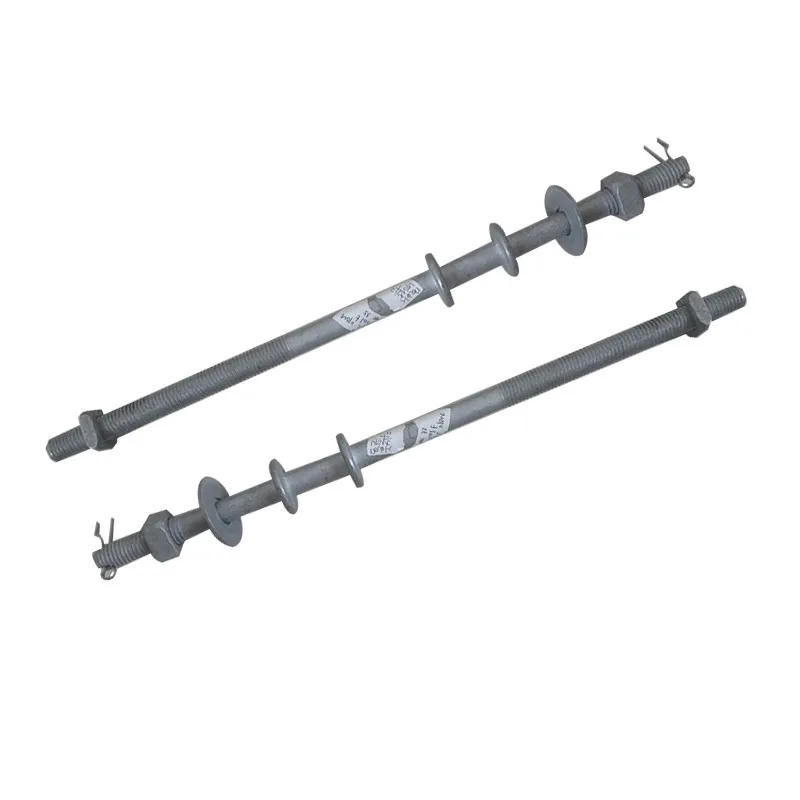
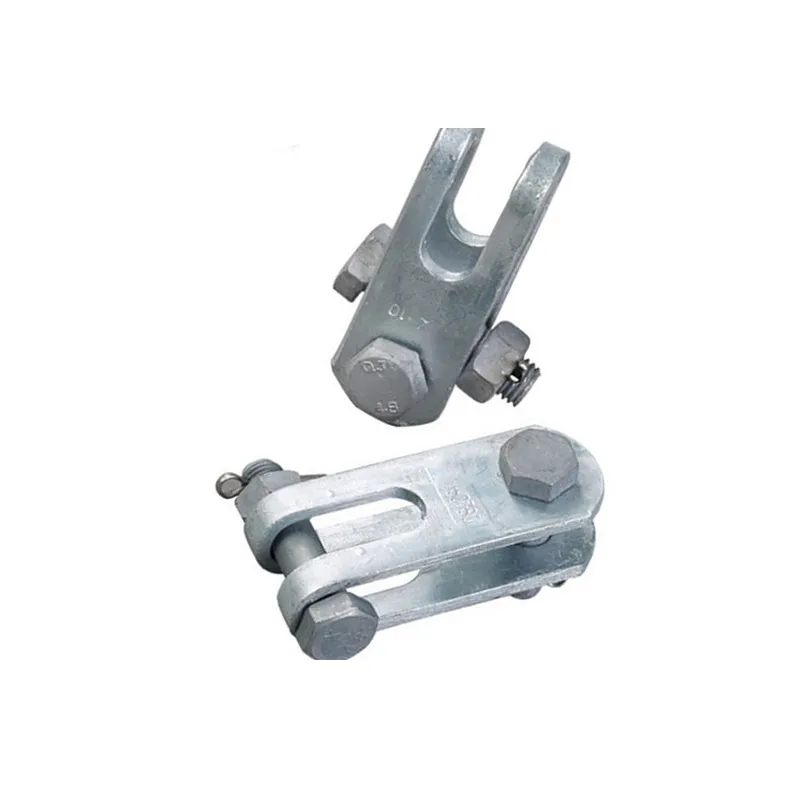
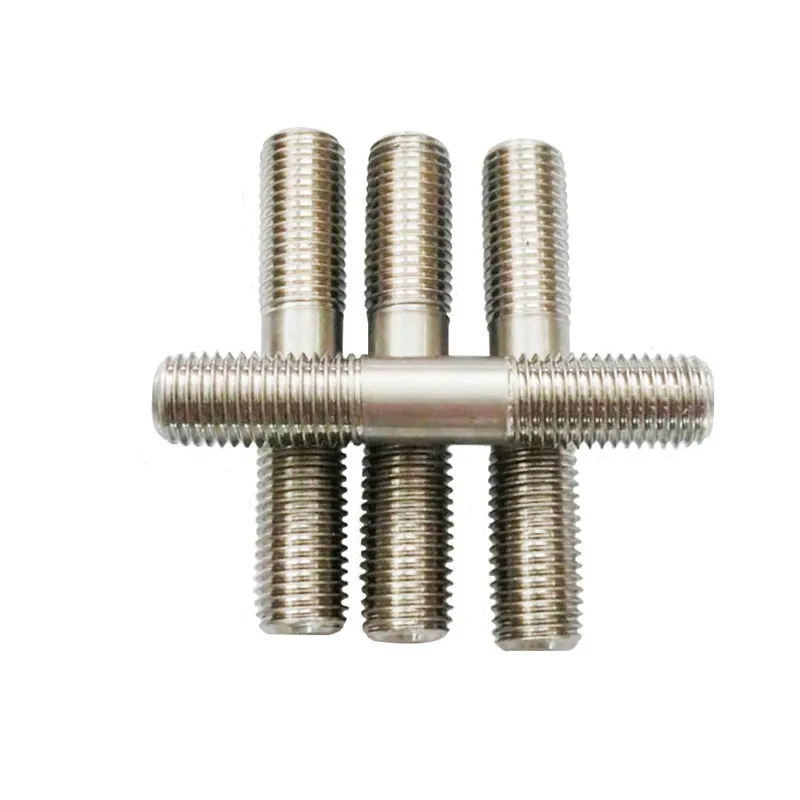
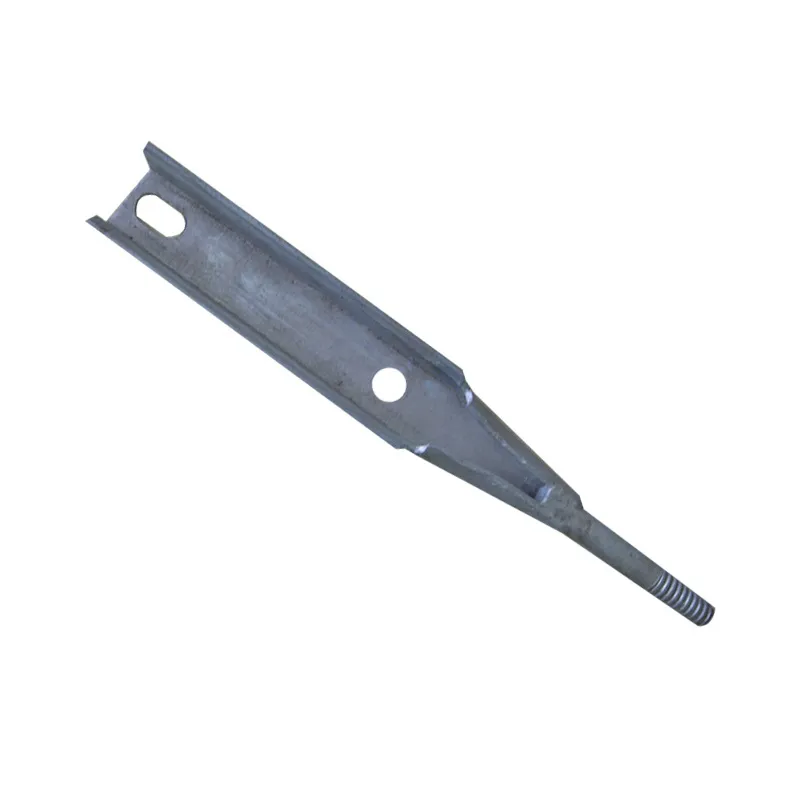
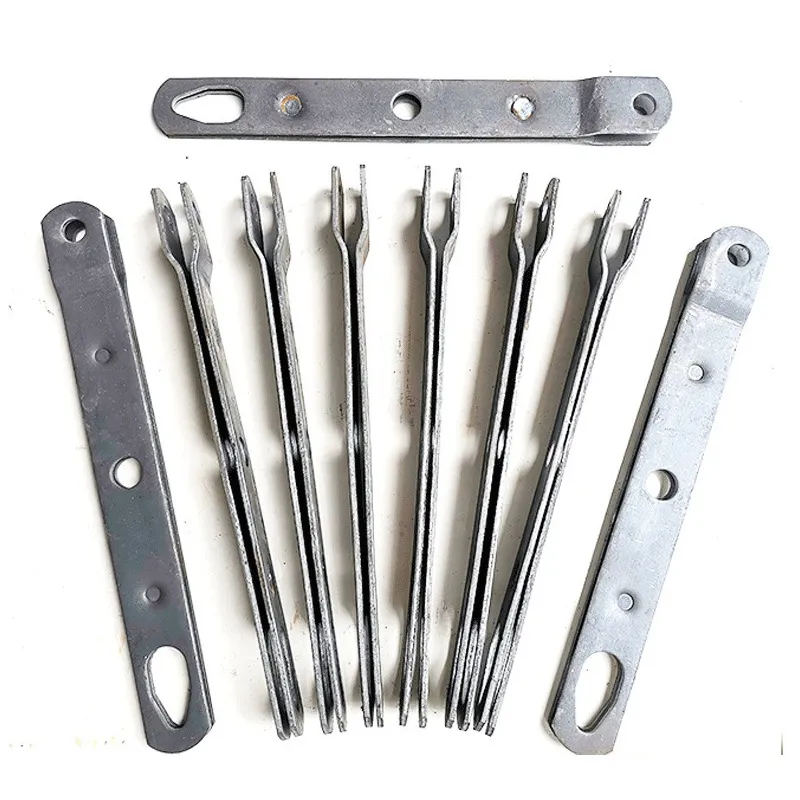
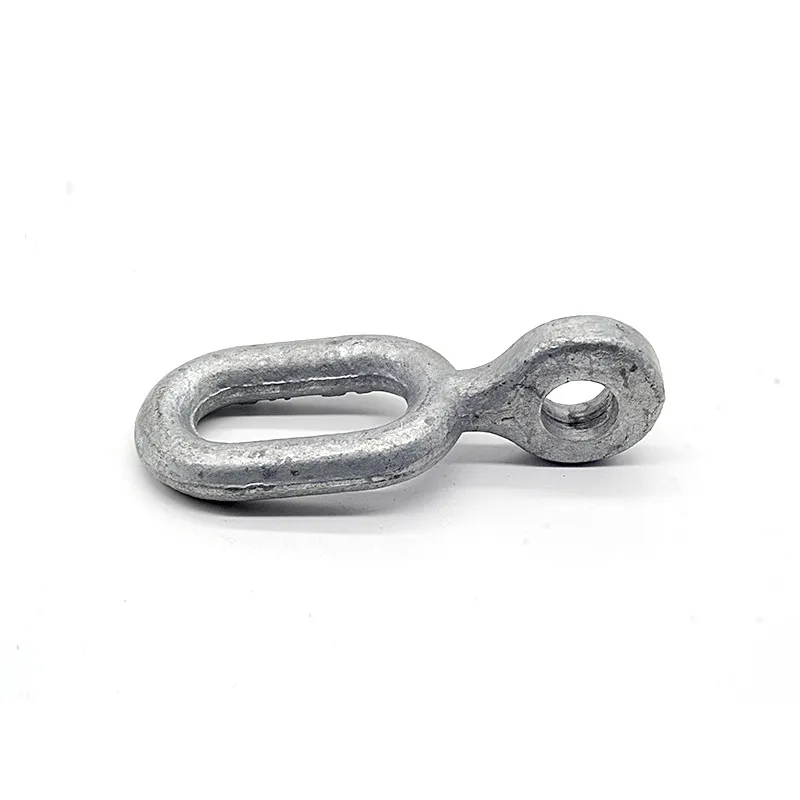
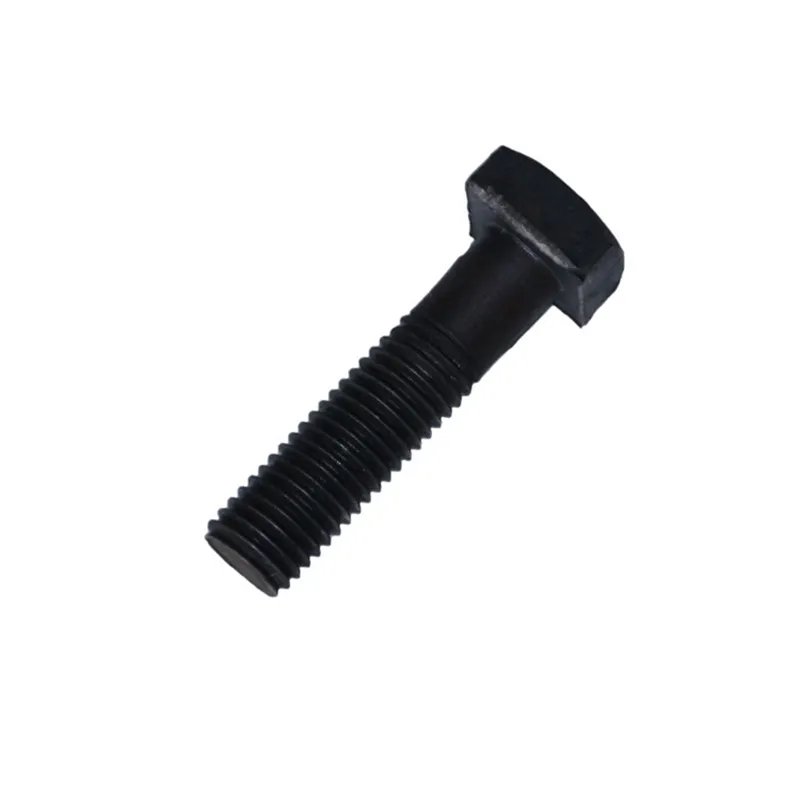
High-strength square head bolts
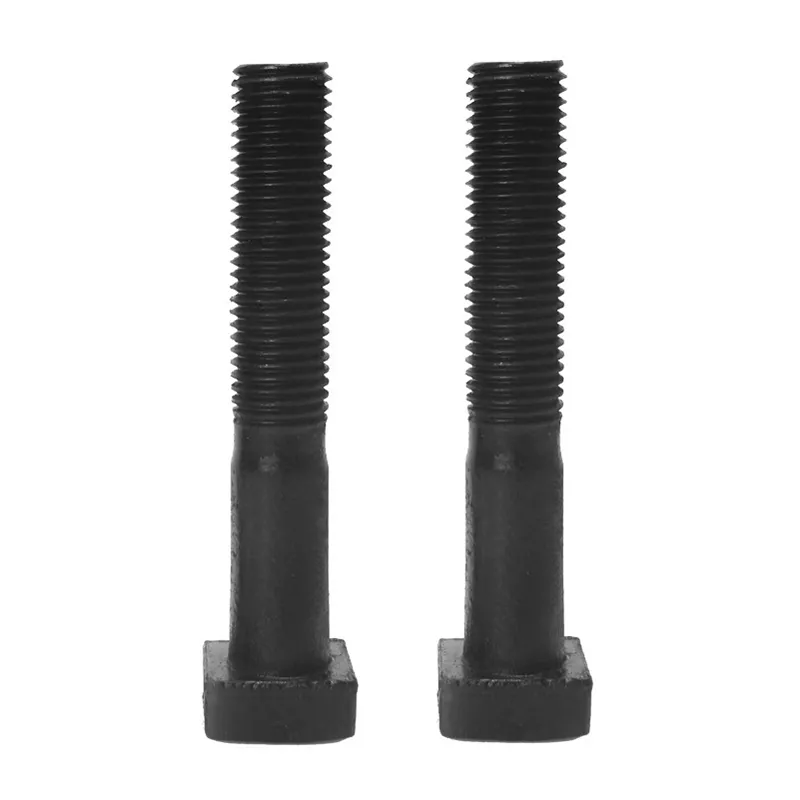
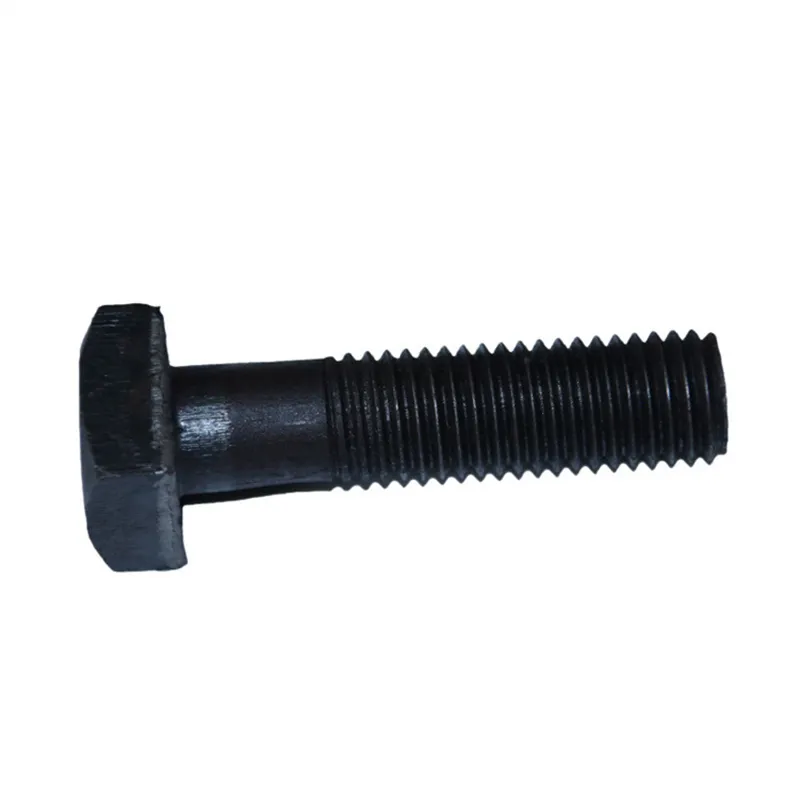
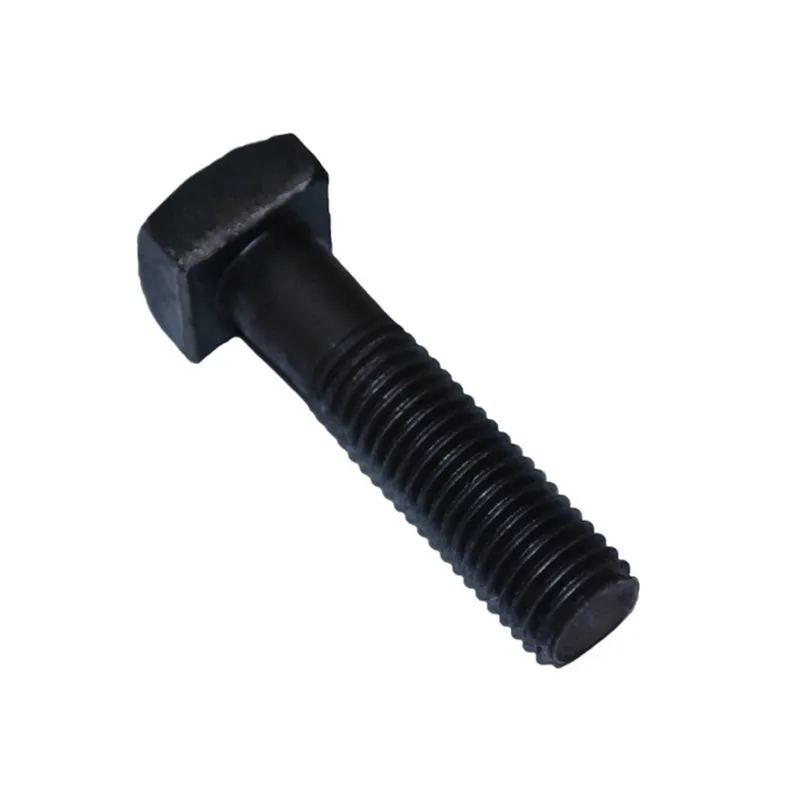
Product Description: High-strength square head bolts are high-strength fasteners with a square head. Their main advantages lie in the ease of positioning the square head and excellent anti-rotation stability. They are suitable for applications requiring high installation stability and load...
Description
marker
Product Description:
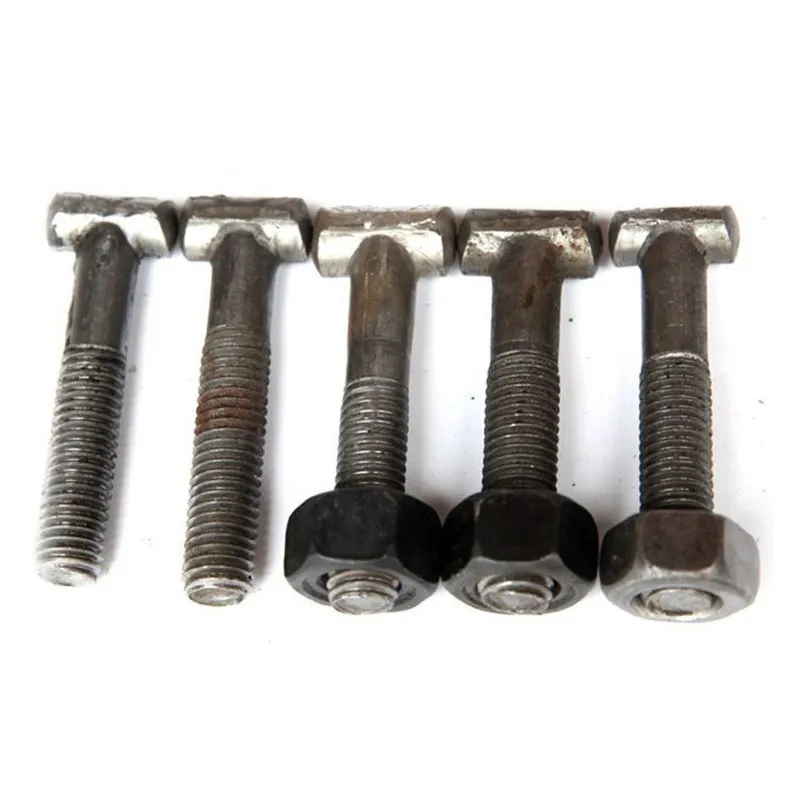
High-strength square head bolts are high-strength fasteners with a square head. Their main advantages lie in the ease of positioning the square head and excellent anti-rotation stability. They are suitable for applications requiring high installation stability and load-bearing capacity, especially in confined spaces where wrenches need to apply force from the side.
Main Structure and Design Features:
The structure of square head bolts is focused on "reliable fixation" and "ease of operation", which significantly distinguishes them from standard hexagonal head bolts.
Main Structure:Consists of a square head and a threaded rod. The four sides of the head serve as bearing surfaces, and the rod usually has full or partial threads (the latter is used on longer rods to enhance shear resistance).
Key Design Features:
The head thickness is usually greater than that of standard bolts. Combined with the square structure, this allows the bolt to withstand higher tightening torques, preventing head deformation or slipping during installation.
Some models have pre-processed mounting holes or recesses in the head. This facilitates precise alignment with the fastened component, preventing bolt displacement in vibrating environments.
The shank and head are often forged as a single unit without welded connections. This ensures uniform mechanical properties throughout the bolt, minimizing the risk of failure under load.
Materials and Strength Classes:
As high-strength fasteners, material composition and strength classes directly determine load-bearing capacity, meeting the requirements of medium and high loads.
Main Materials
The main alloys include alloy steel 40Cr and steel 20MnTiB, hardened by quenching and tempering to improve strength and toughness.
For highly corrosive environments, 304/316 stainless steel or special anti-corrosion coatings such as Dacromet or hot-dip galvanizing are used on the surface of alloy steel, making them suitable for applications in the chemical and marine industries.
Strength Classes
Common classes include 8.8 and 10.9, while 12.9 is used in some ultra-high pressure cases. The class values are as follows:
Taking class 10.9 as an example: "10" indicates a minimum nominal tensile strength of 1000 MPa, and "9" indicates a yield strength to tensile strength ratio of 0.9, meaning the yield strength is ≥ 900 MPa.


contact us
Related popular products
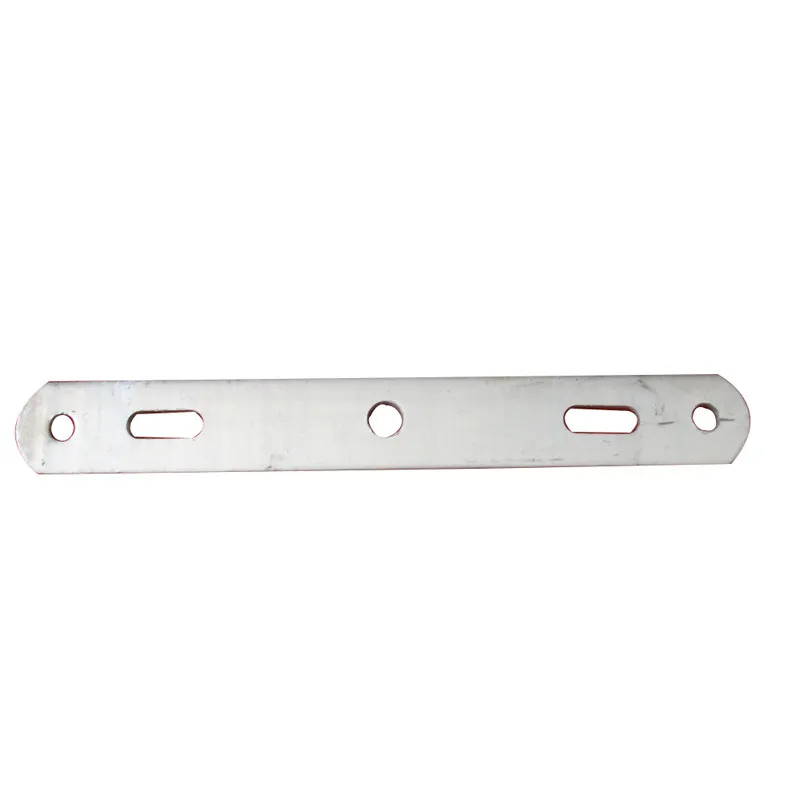
Flat slats
Product Description: Flat mounting plate is a common fastener component, named for it...
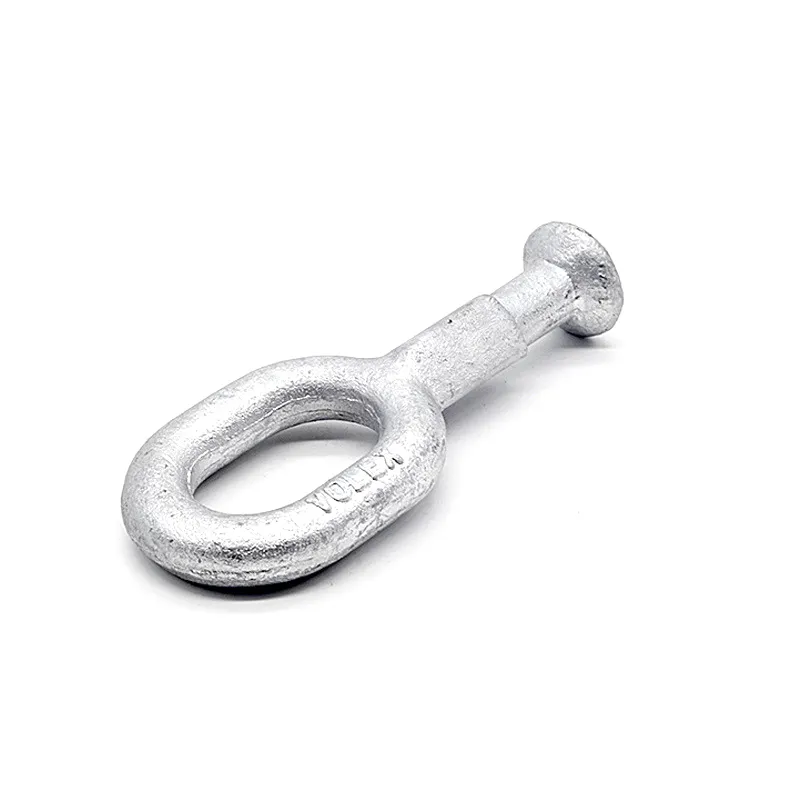
U-shaped hanging rings
Product Description: U-shaped lifting rings are fasteners with a U-shaped opening at ...
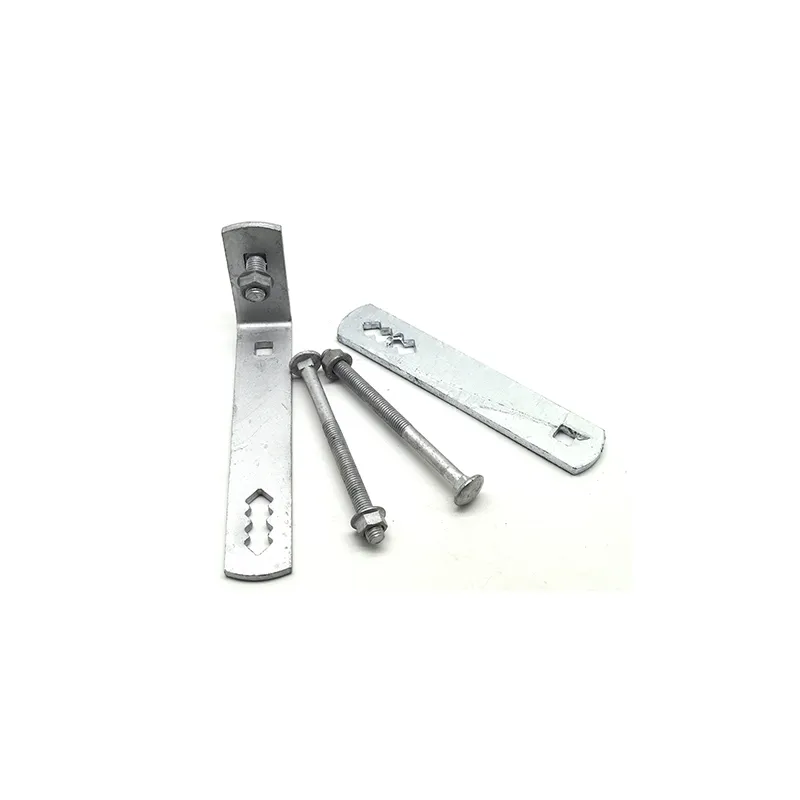
Fuse Holders
A fuse mounting kit includes the following components: L-shaped Metal Bracket: Equi...
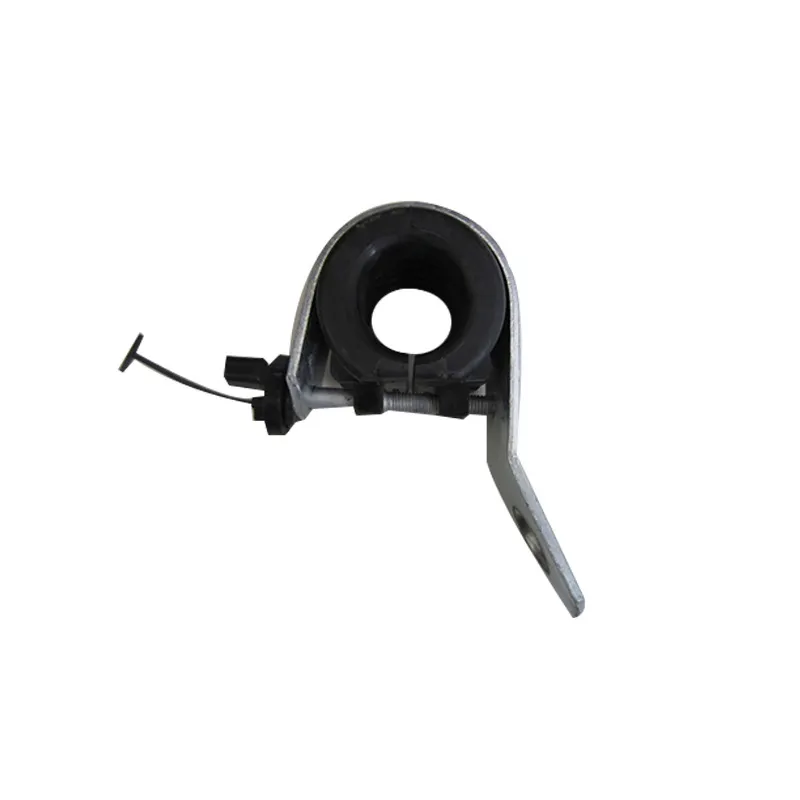
PS Hanging Clamps
Product Description: PS hanging clamps are a type of electrical fitting mainly used f...
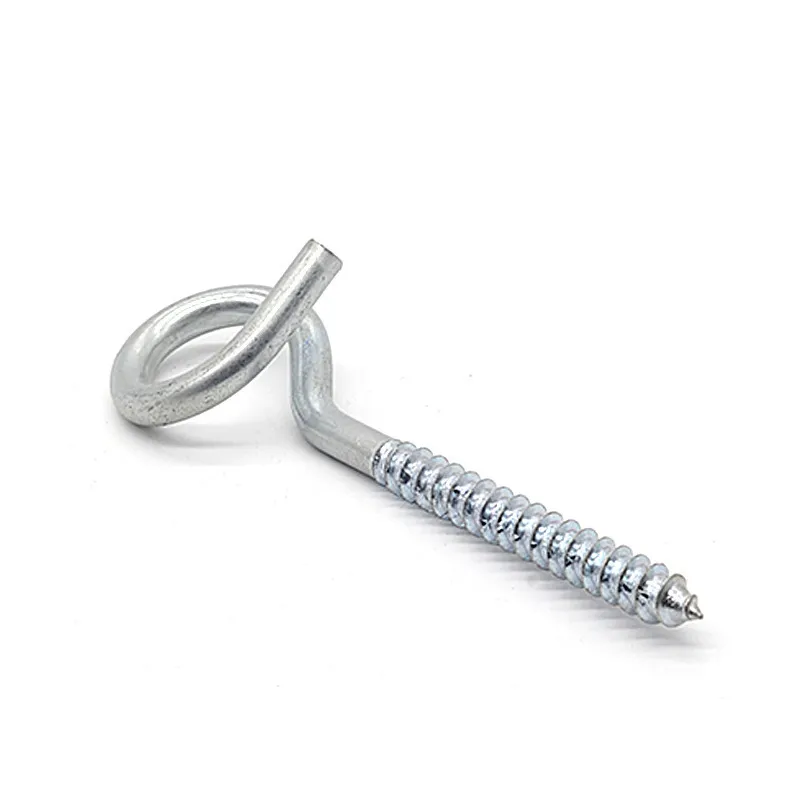
Pigtail wood screws
Product description: Pigtail wood screws are fasteners specifically designed for join...
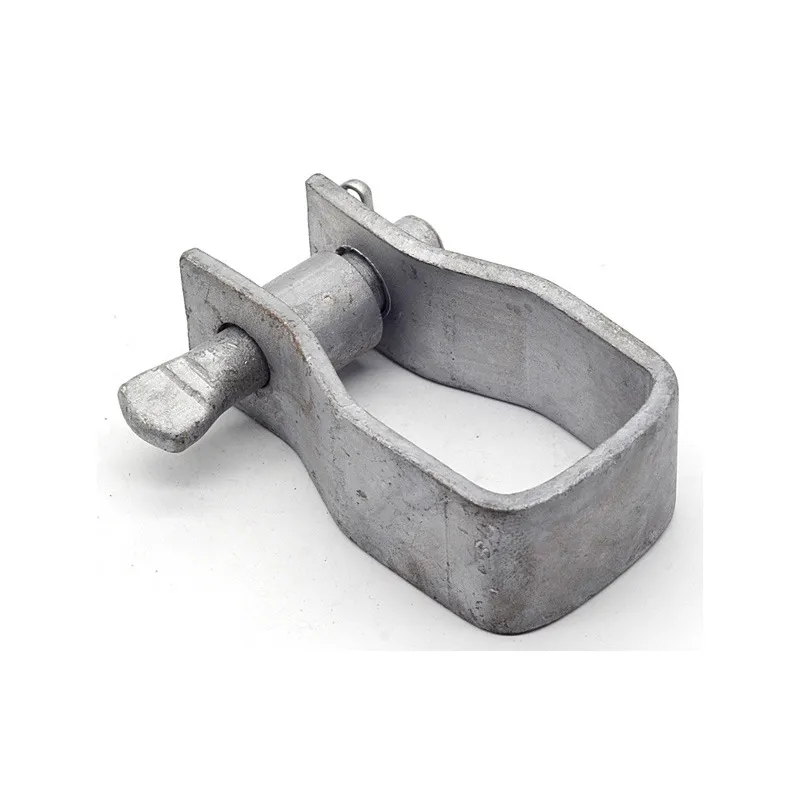
Planks
Product Description: Hanging plates are metal components used for connection, transit...
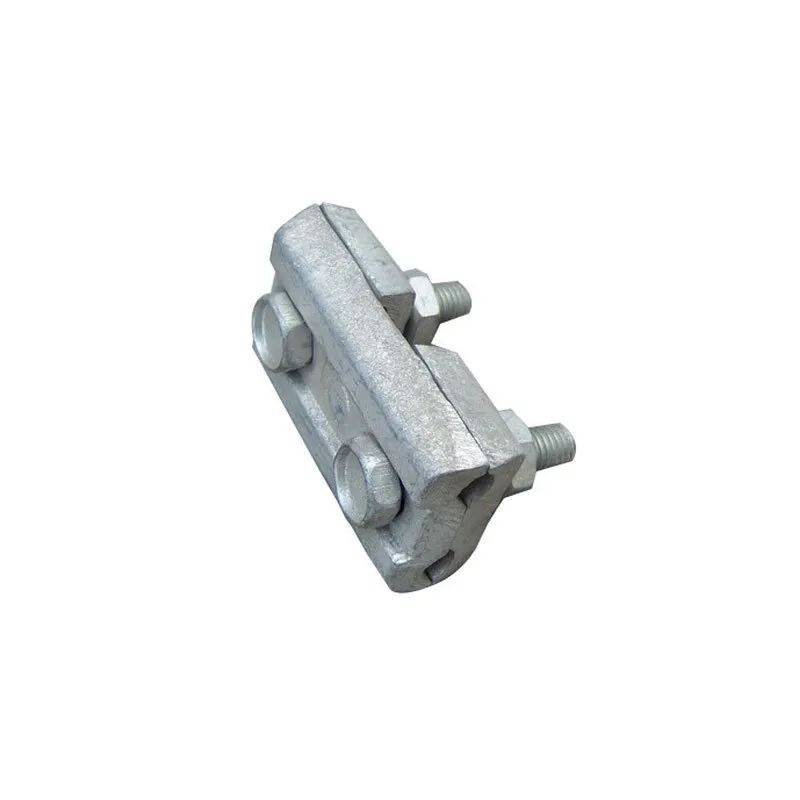
Gutter Clamps
Product Description: Iron Parallel Clamps are a type of electrical equipment mainly u...
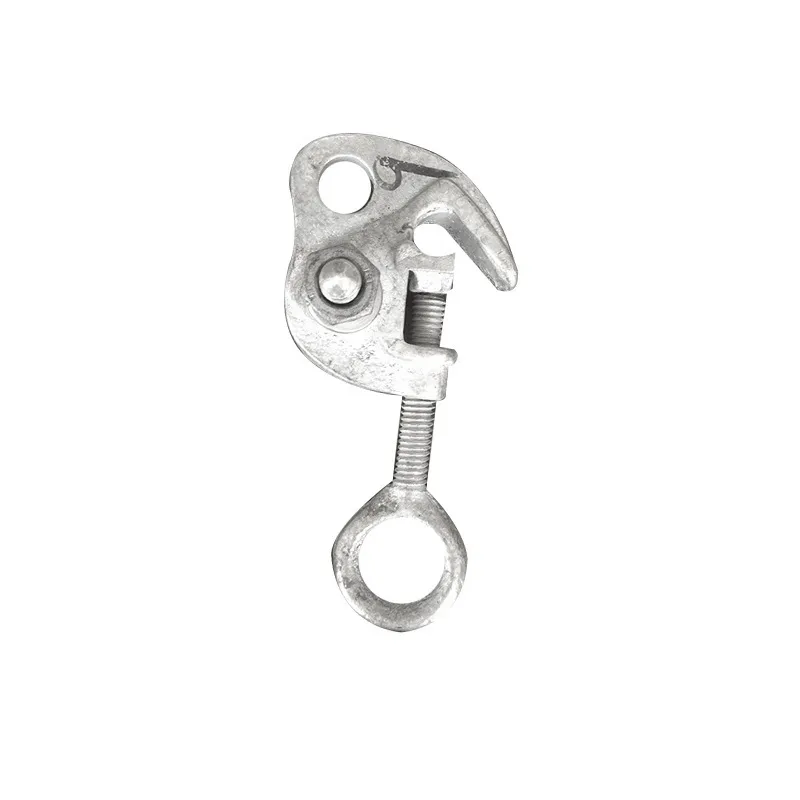
Galvanized specialized clamps
Product Description: Hot-dip galvanized special line clamps are electrical fittings m...
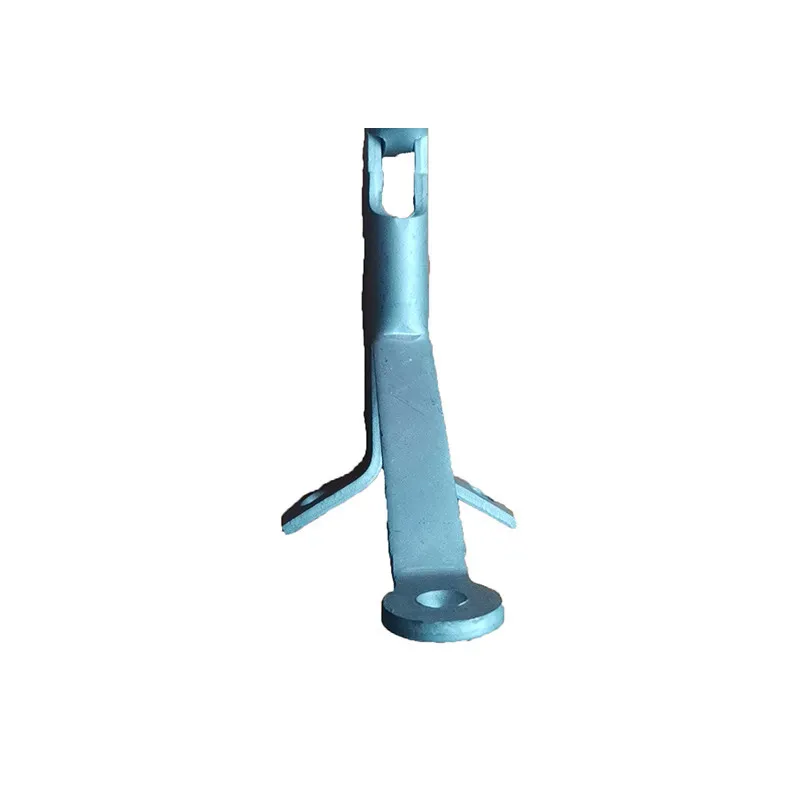
Iron Electrical Fittings
Product Description: Power Transmission Fittings serve as essential supporting and co...
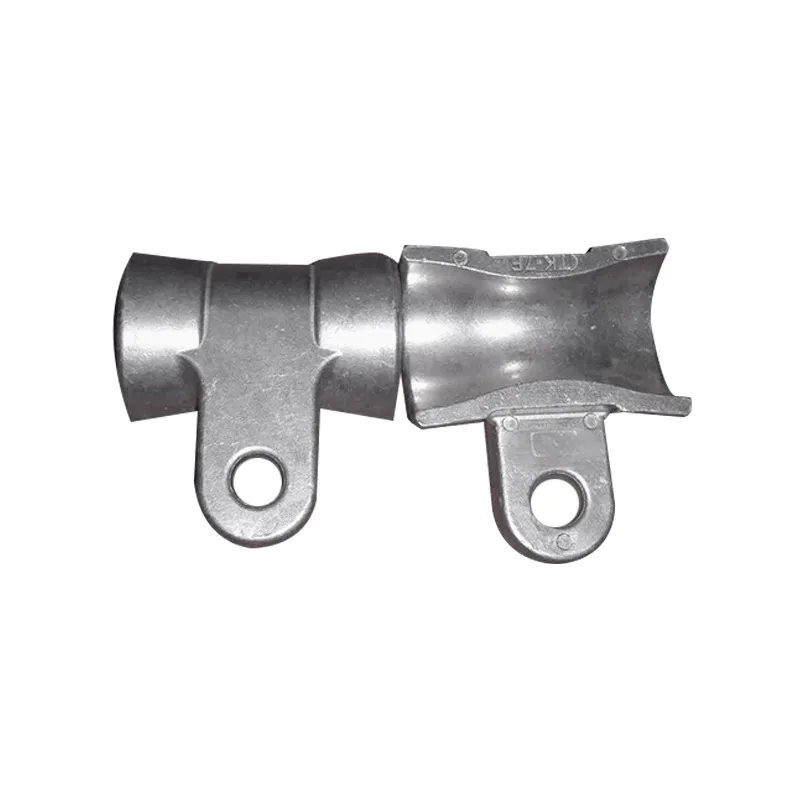
XJG Suspension Clamps
Product Description: XJG suspension clamps are metal fittings used for suspending ins...
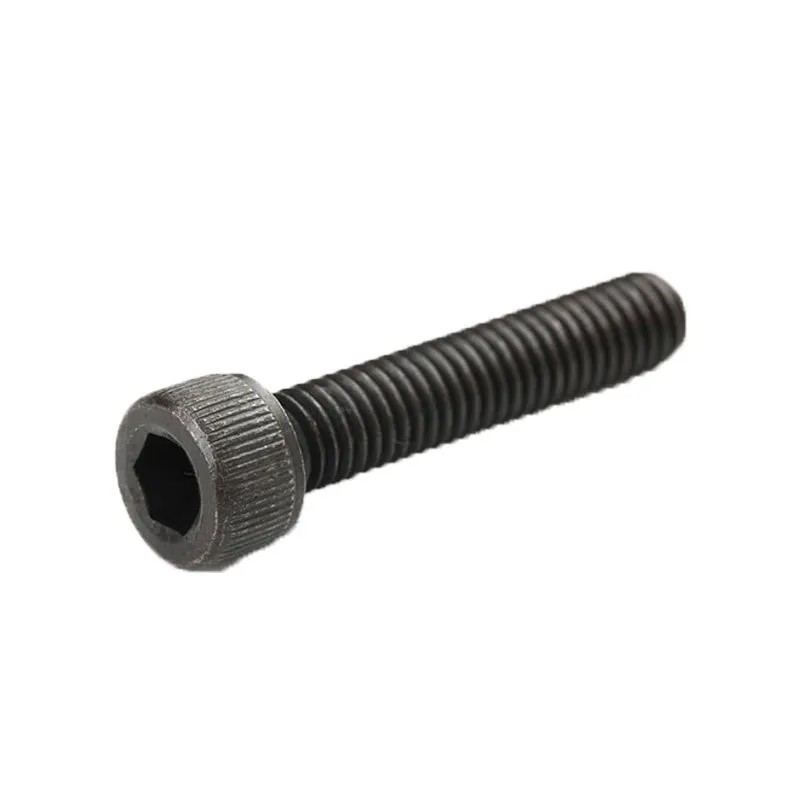
Hexagon socket head cap screws
Product description: Socket head cap screws are fasteners with a cylindrical head and...
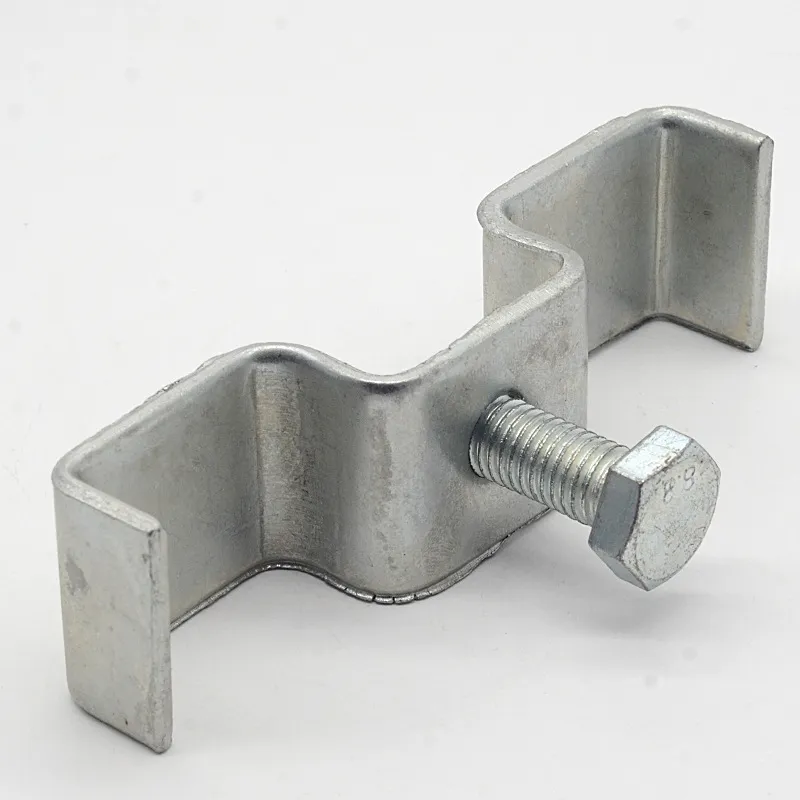
Cable clips for fiber optic cables
Product Description: A fiber optic cable mounting hook is a component for securing ca...
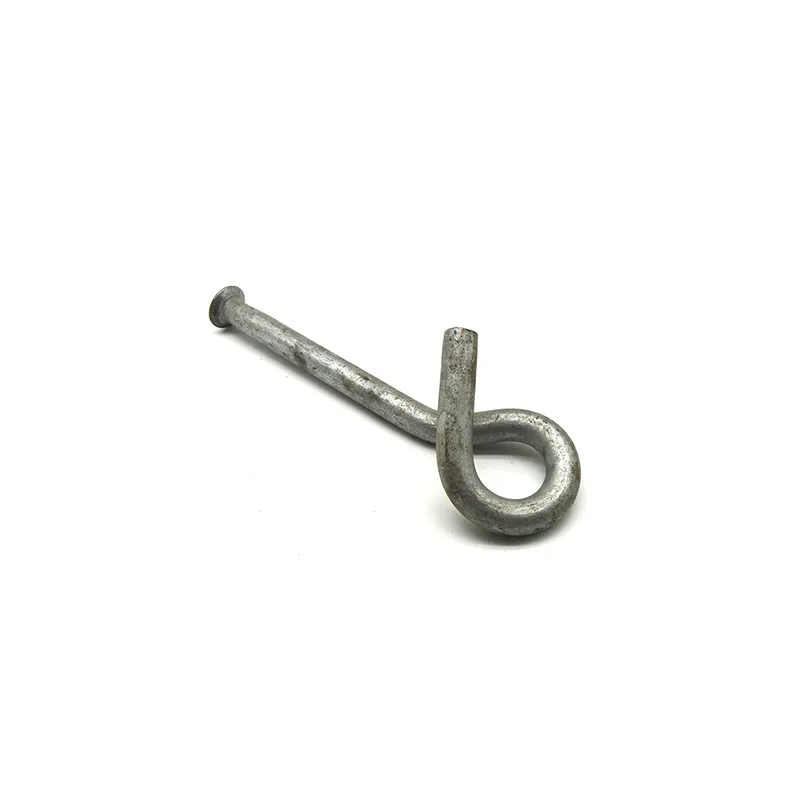
Spiral shank bolts
Below is a detailed description: Structural Features: One end is threaded, while the...
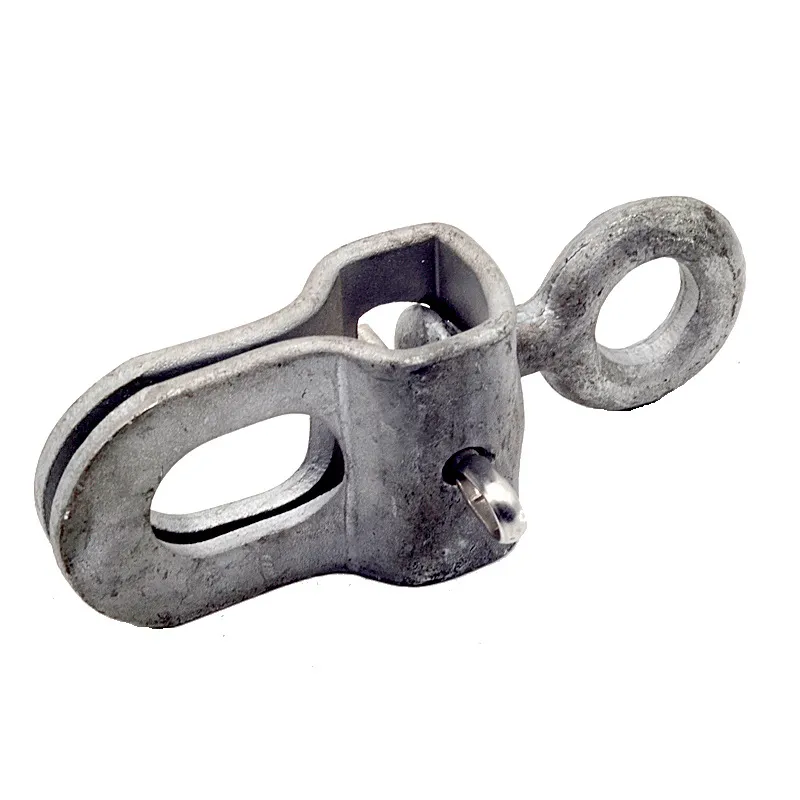
Ball and socket clamps
Product Description: Ball-end brackets and socket-end brackets are widely used connec...
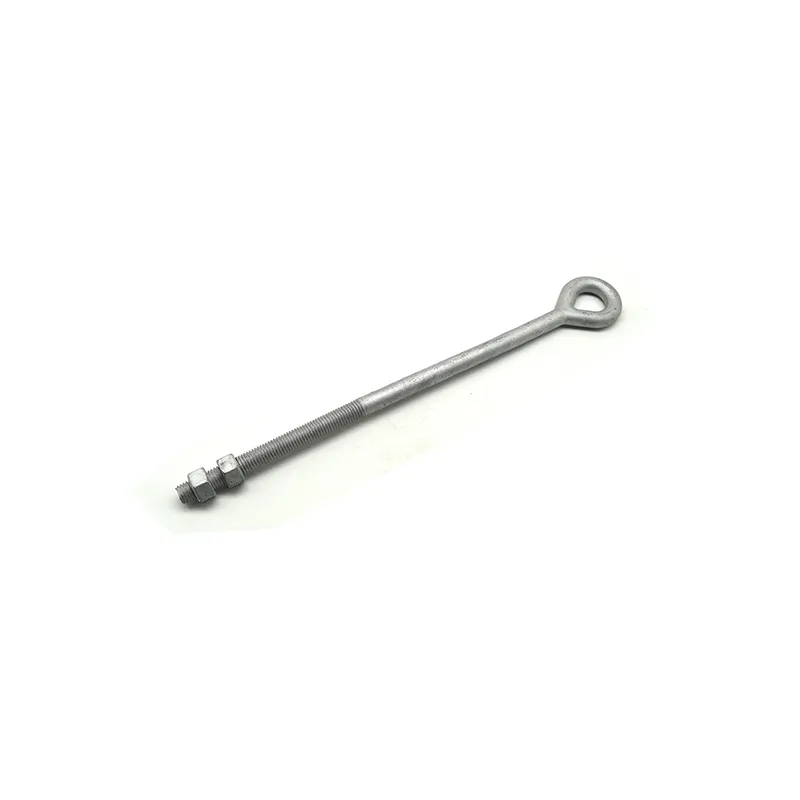
Eye bolts
Eye Bolt An eye bolt is a fastener with a ring-shaped element ("eye") on one end and a threaded ...
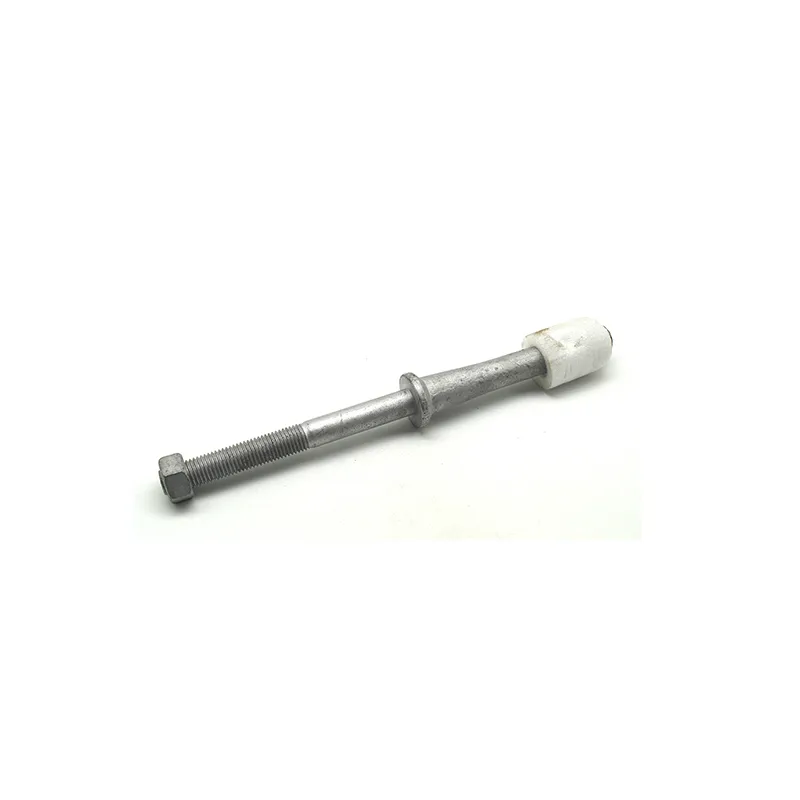
Cast lead-steel supports
Components and Functions: Bolt: A metal rod with threads. One end features a hexago...