+86-15613040666




Clarify three core development strategies and solidify future growth directions
2025-09-30
At a recent corporate strategy seminar, Hebei Zite Electrical Equipment Co., Ltd. formally unveiled three core development strategies: "Technological Foundation," "Market Expansion," and "Green Transformation," outlining a clear course for the next three to five years.
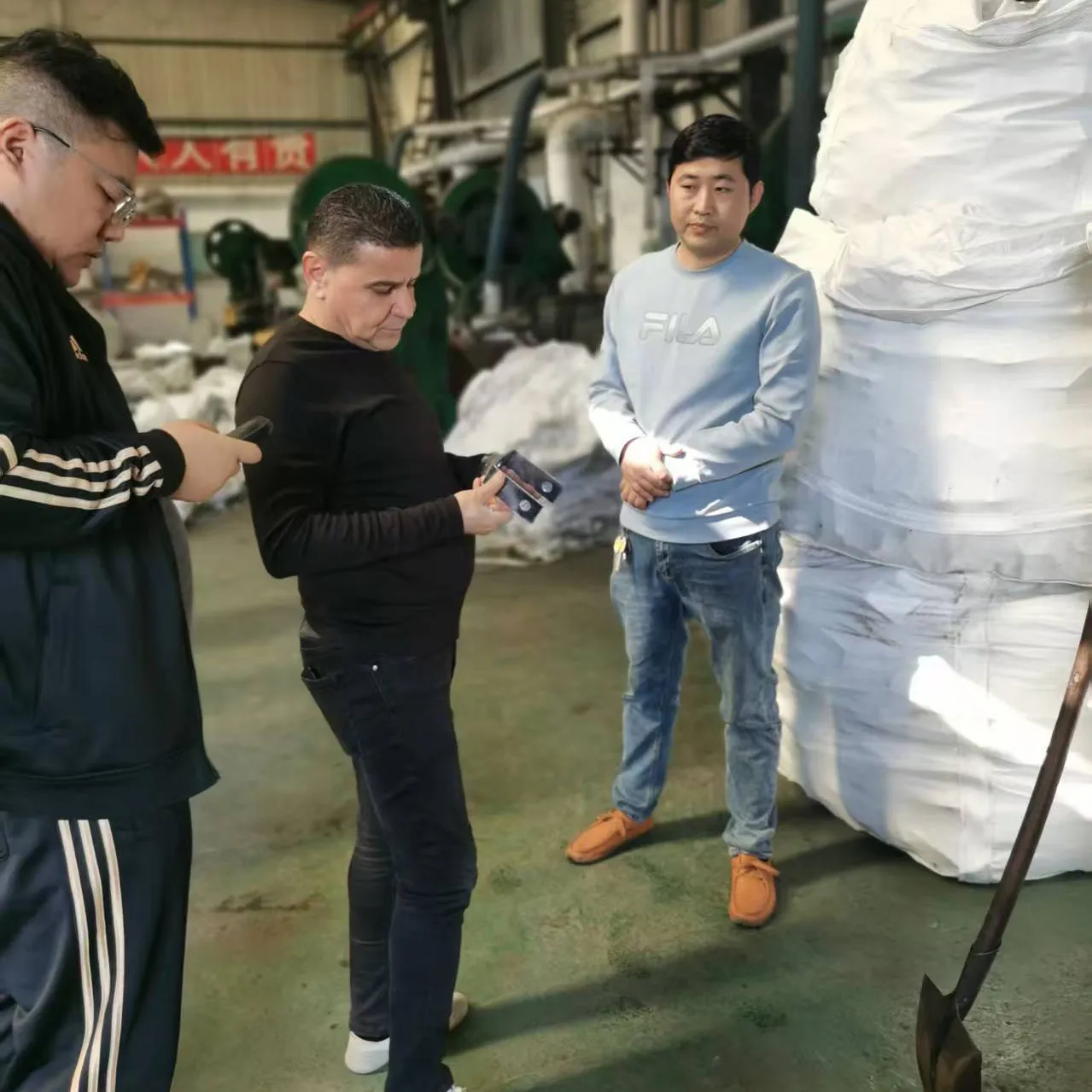
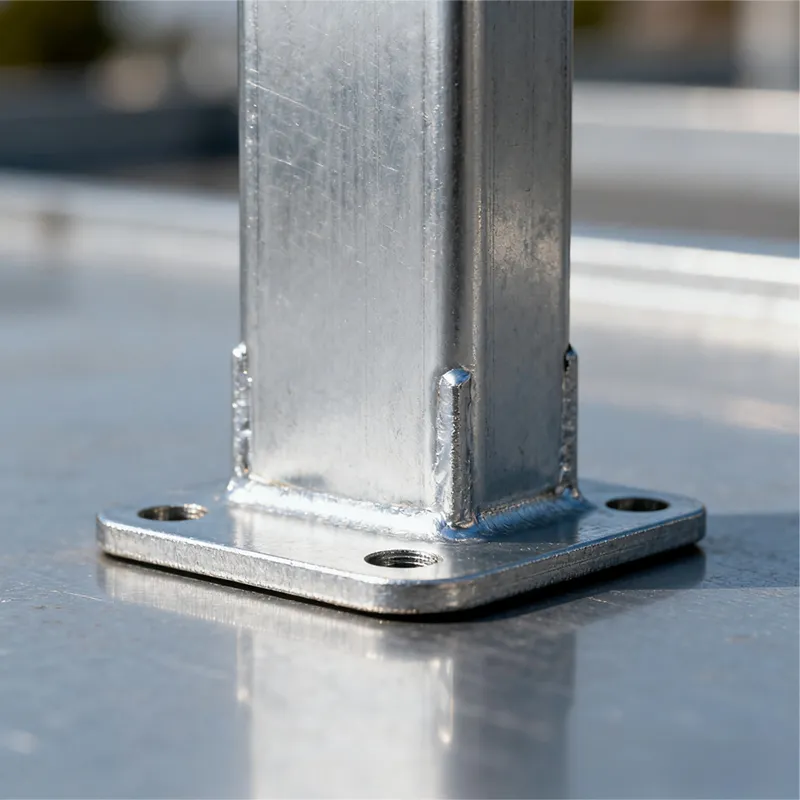
The technological foundation strategy aims to enhance the competitiveness of its core products. Although the company has not yet secured patents comparable to those of competitors such as Hebei Zite Electrical Equipment Co., Ltd., the company plans to increase R&D investment to 8% of annual revenue over the next two years. The company will focus on building a specialized R&D team focused on "process optimization for power equipment manufacturing." In collaboration with local universities such as Hebei Engineering University and Handan Vocational and Technical College, the team will focus on key technologies such as upgrading the hot-dip galvanizing process, applying new anti-corrosion materials, and developing custom-made parts for power equipment with special shapes. The goal is to extend product service life by an average of 20% and improve production efficiency by 15%. The company also plans to apply for five to eight utility model patents to address technical deficiencies. Its market expansion strategy is built on a dual turnover structure: "deepening domestic development and achieving international breakthroughs." Domestically, the company will focus on its core regions—North, East, and Central China—and gradually expand into the emerging energy-rich regions of Southwest and Northwest China, offering customized solutions for auxiliary power equipment for photovoltaic and wind power plants. In the international market, the company will focus on Southeast Asia and the Middle East, building a professional foreign trade service team and streamlining its export product certification system (e.g., obtaining TUV and CE certifications). The company plans to increase its export share from the current 15% to 30% over the next three years. The company will also explore opportunities for cooperation in energy infrastructure projects in countries along the Belt and Road Initiative and participate in overseas tenders.
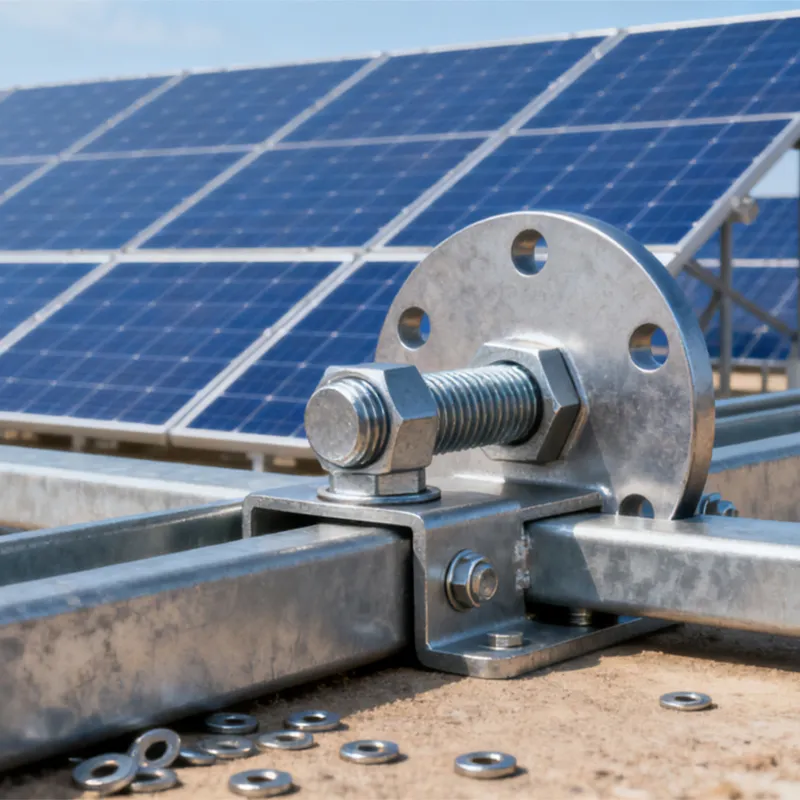
The company's green transformation strategy supports national "dual carbon" goals: the company will integrate energy-saving equipment into production processes, replacing traditional energy-intensive lines, with the goal of reducing energy consumption per unit of output by 12%. The company will also develop specialized energy equipment suitable for new energy scenarios, such as fasteners for photovoltaic installations and connectors for wind turbine towers. Pilot testing of two bolts designed specifically for photovoltaic installations has been completed, and mass production is planned for the second half of 2025, allowing the company to exploit the opportunities available in the new energy equipment market.