
+86-15613040666




Products


Planks
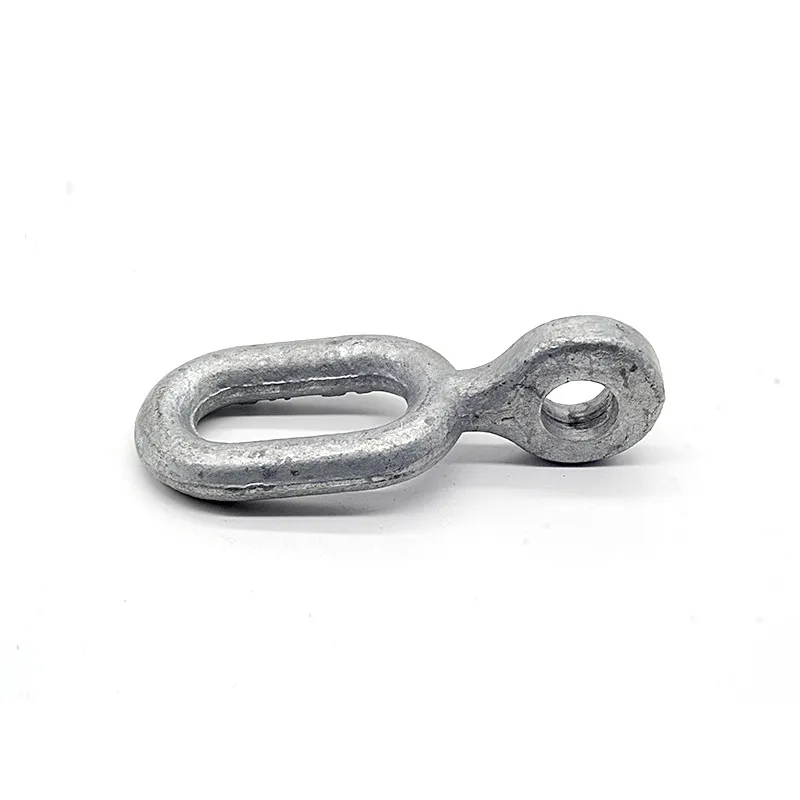
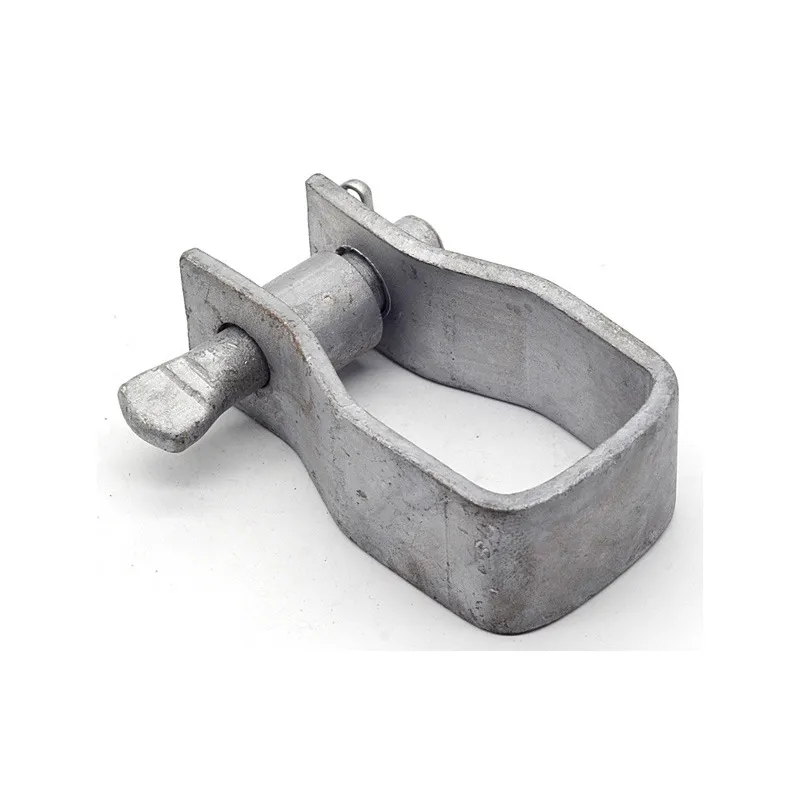
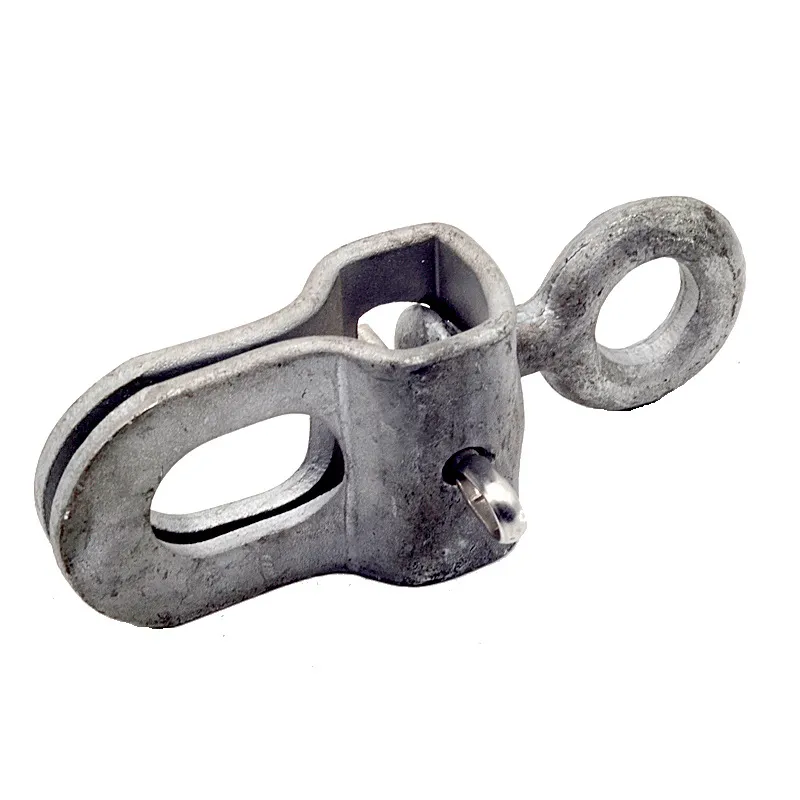
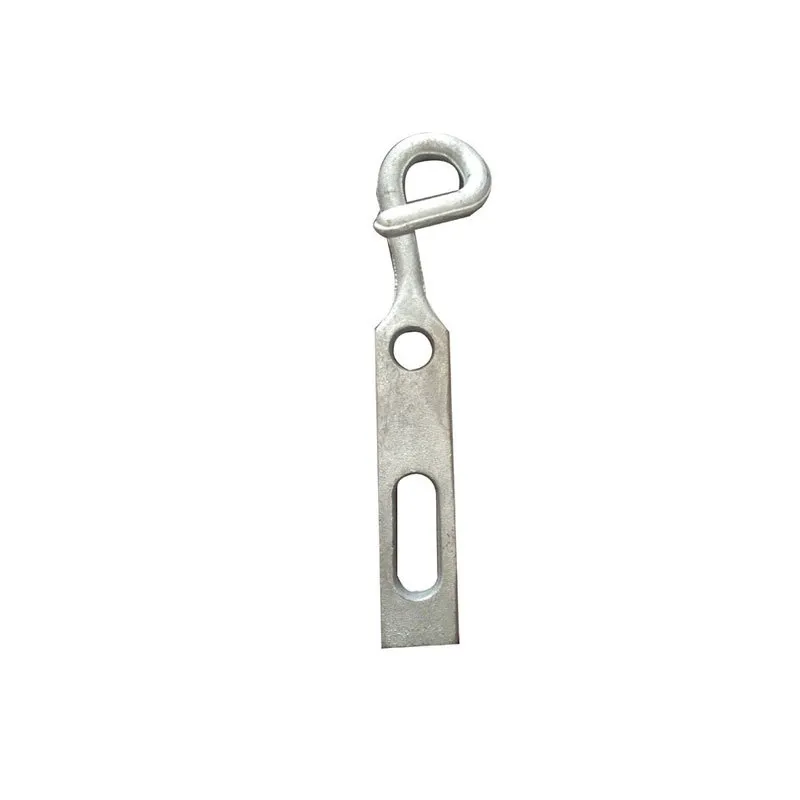
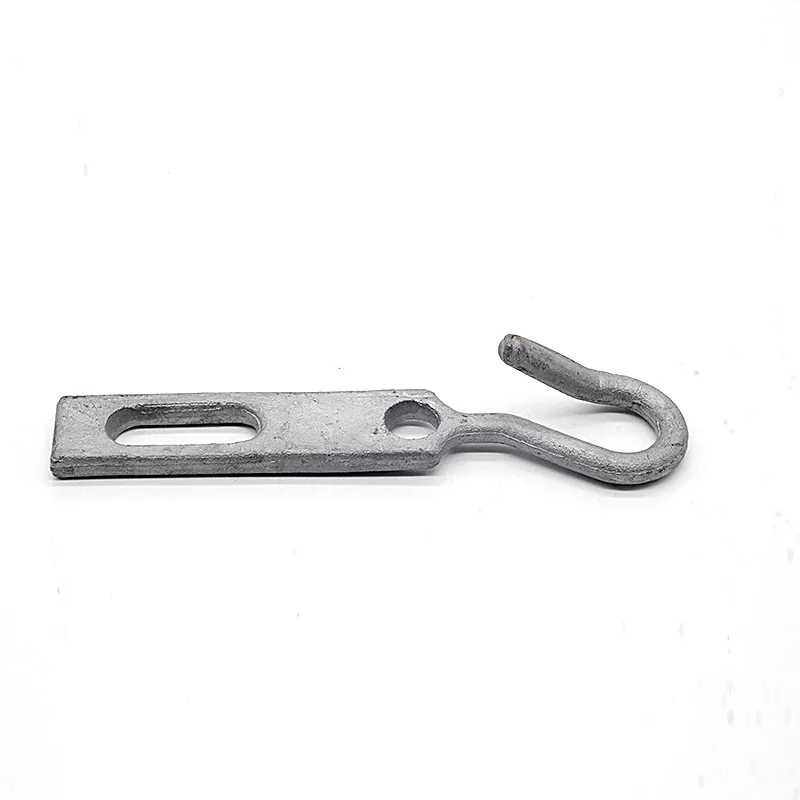
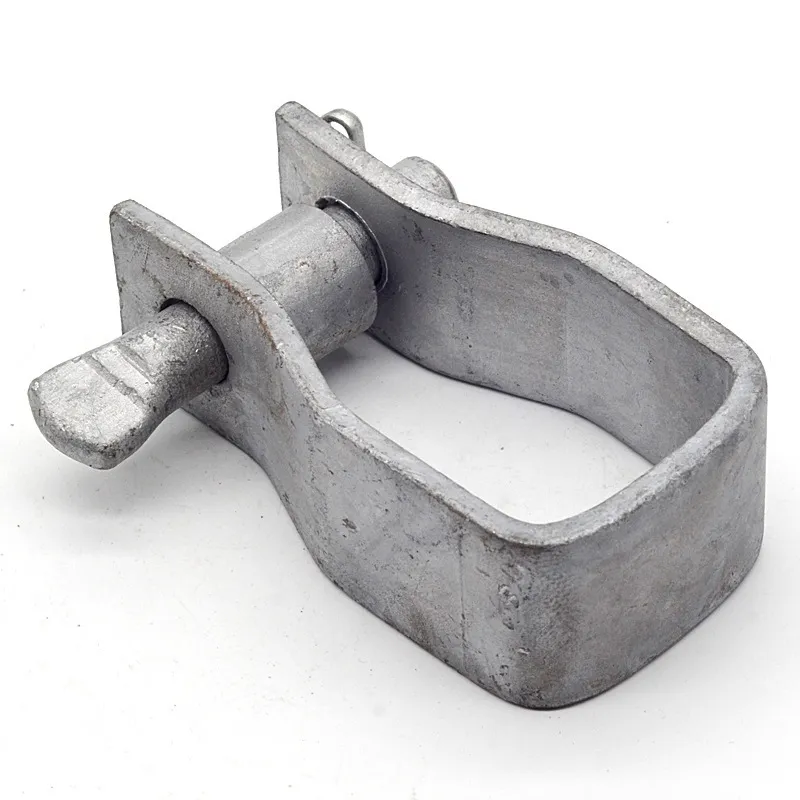
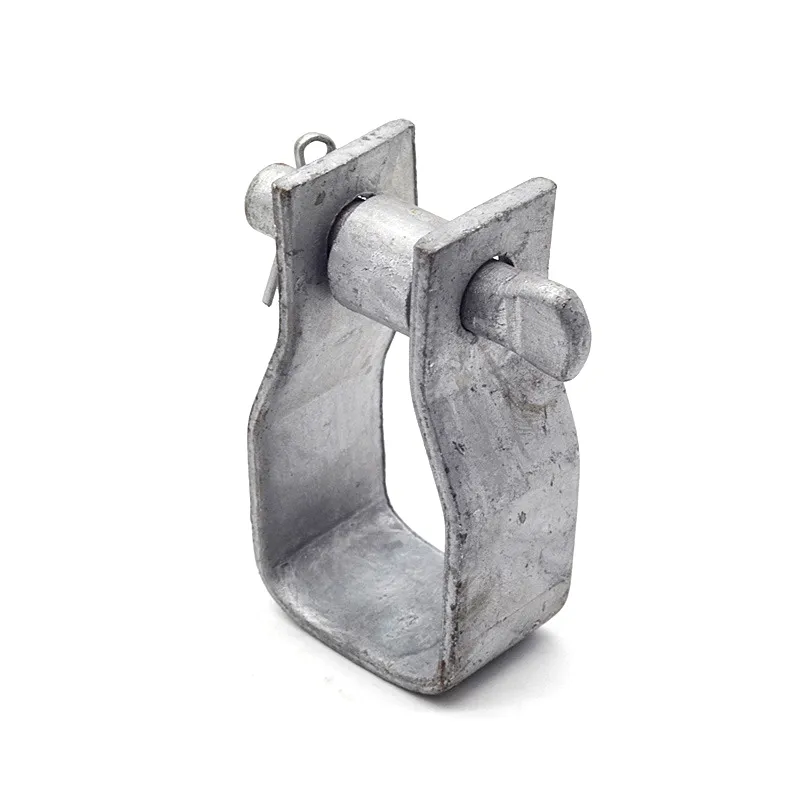
Product Description: Hanging plates are metal components used for connection, transition, or suspension. They mainly serve to transfer loads between structures such as towers, supports, and fittings. Widely applied in energy, telecommunications, and construction, they are important interme...
Description
marker
Product Description:
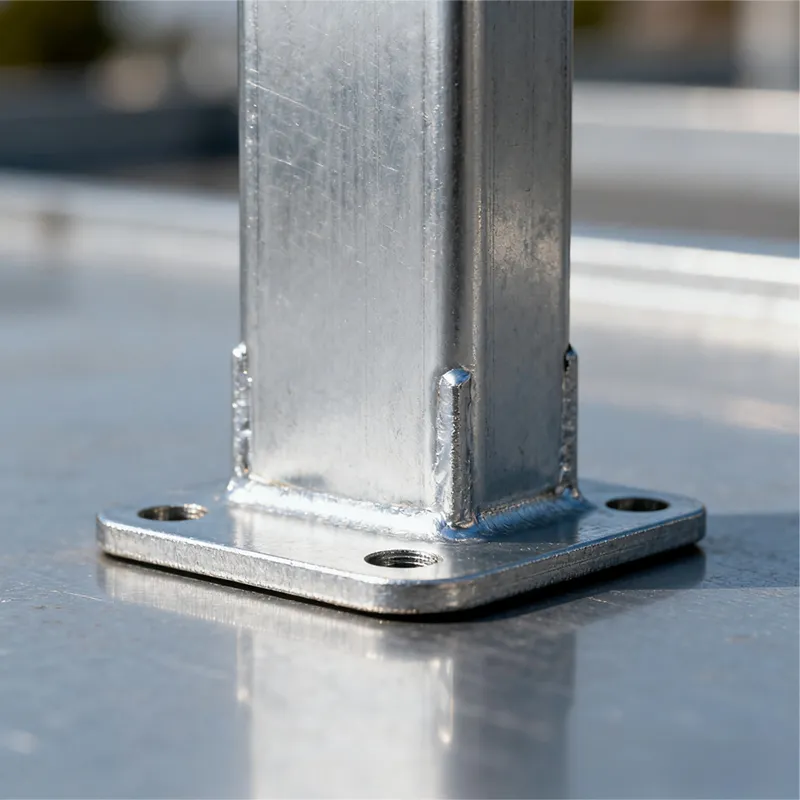
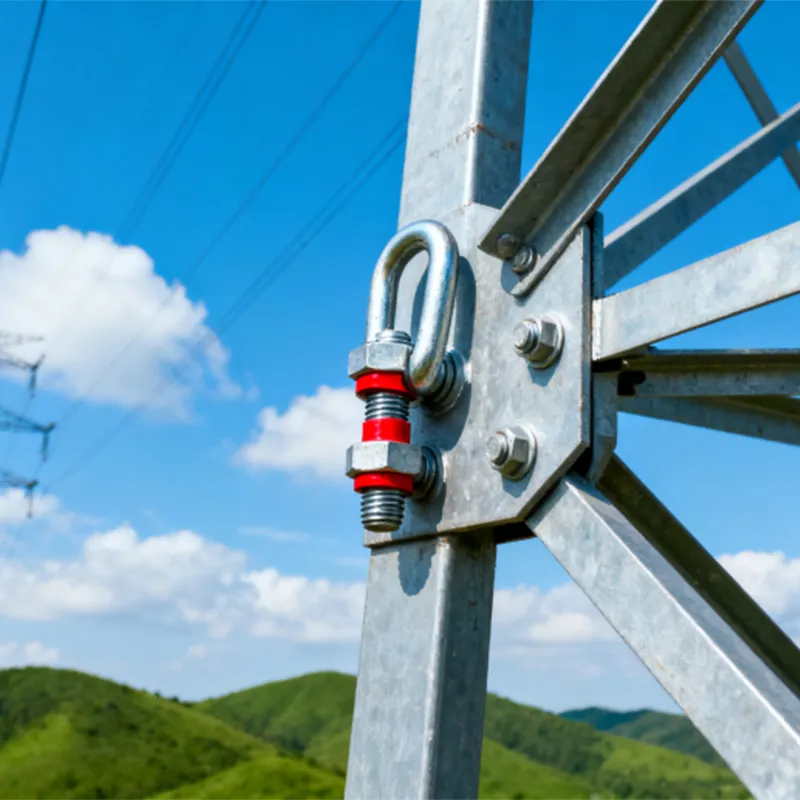
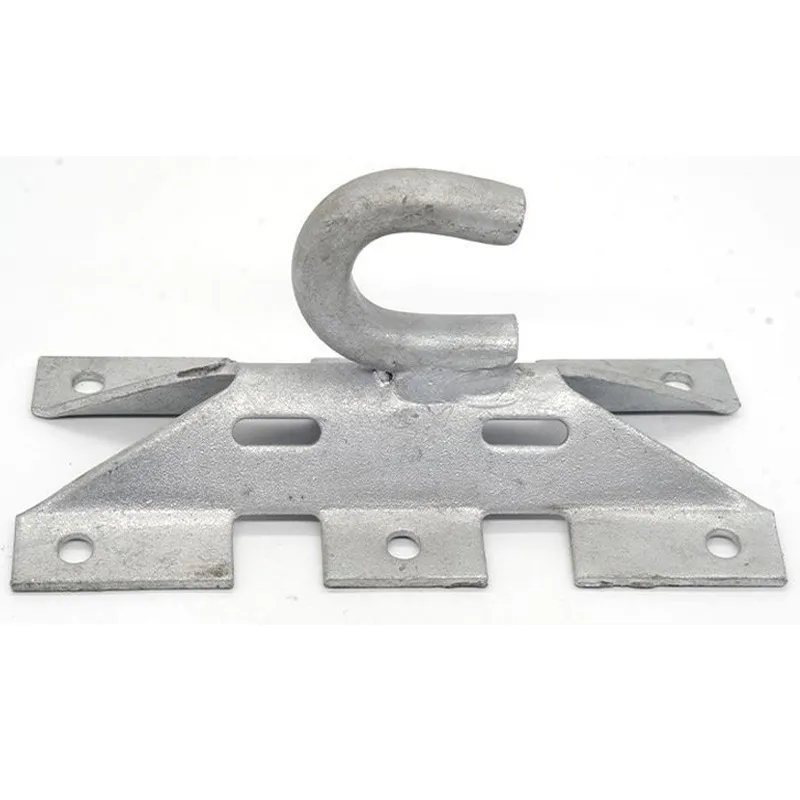
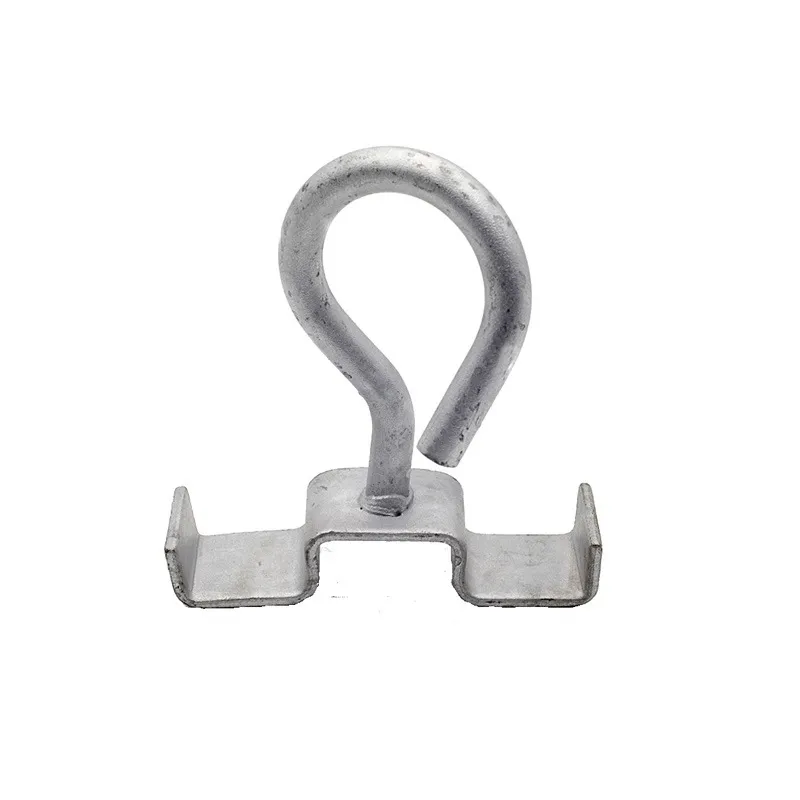
Hanging plates are metal components used for connection, transition, or suspension. They mainly serve to transfer loads between structures such as towers, supports, and fittings. Widely applied in energy, telecommunications, and construction, they are important intermediate elements in connection systems.
Main Structure and Design Features:
The structure of hanging plates is oriented toward "stable force transmission" and "adaptive connection". This requires precise alignment with the upper and lower components in the force flow to ensure effective load transfer.
Main Structure:
Basic versions usually come in the form of a "flat plate" or "channel" made of metal, with 1-2 connecting holes cut into the surface (for bolts or pins). More complex structures (such as connecting plates) have multiple connecting holes, facilitating the simultaneous fastening of several components.
Key Structural Details:
Connecting holes are mainly "circular" or "elliptical". Circular holes facilitate fixed connections (without adjustment capability), while elliptical holes allow slight position adjustment during installation (considering component dimensions).
Panel edges feature "chamfers" to prevent sharp edges from damaging personnel, cables, or slings, as well as to reduce stress concentration.
Some hanging plates (e.g., ball-headed plates) are equipped with a "ball structure" that enables rotation at different angles. This compensates for changes in line sag or tower inclination, preventing damage caused by rigid connections under load.
Would you like me to polish this text for **more concise technical expression** or translate it into another language (e.g., Chinese) for easier internal communication?
Common Structural Types:
Single-hole hanging plate: Features one connecting hole for simple two-point linear connections (e.g., between a tower and a U-bolt).
Two-hole hanging plate: Equipped with two connecting holes (usually symmetrically arranged) for transmitting transverse or longitudinal loads (e.g., between insulators and clamps).
Connecting plate (multi-hole hanging plate): Has three or more connecting holes for joining multiple conductors, optical cables, or fittings (e.g., connecting spacer rods for separable conductors).
Would you like me to create a **simplified structural type comparison table** for this section, making it easier to quickly distinguish the characteristics and application scenarios of each type?


contact us
Related popular products
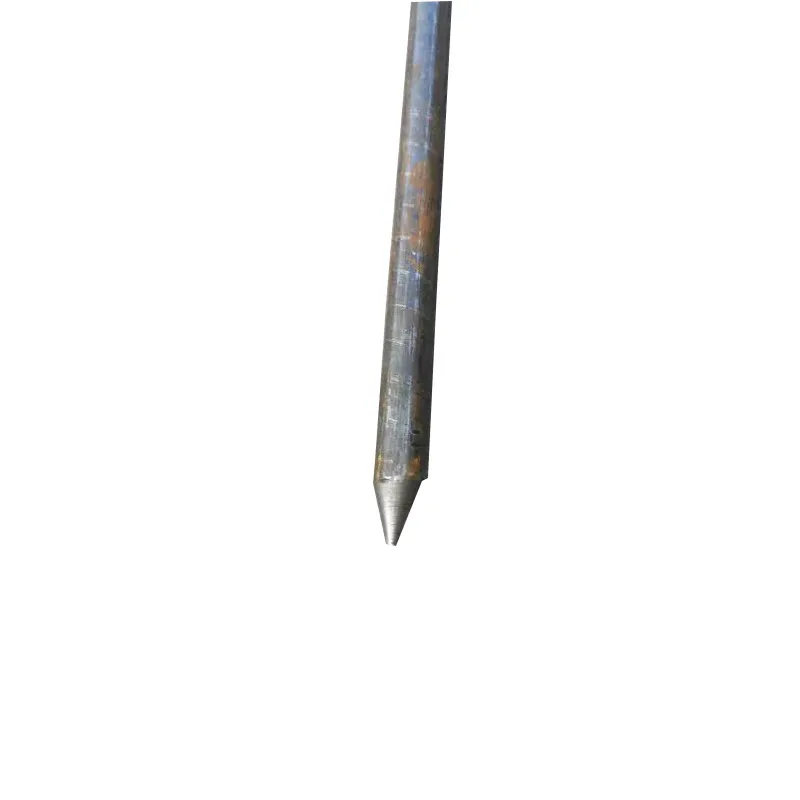
Galvanized steel ground rods
Product description: Galvanized steel ground rods serve as grounding materials for li...
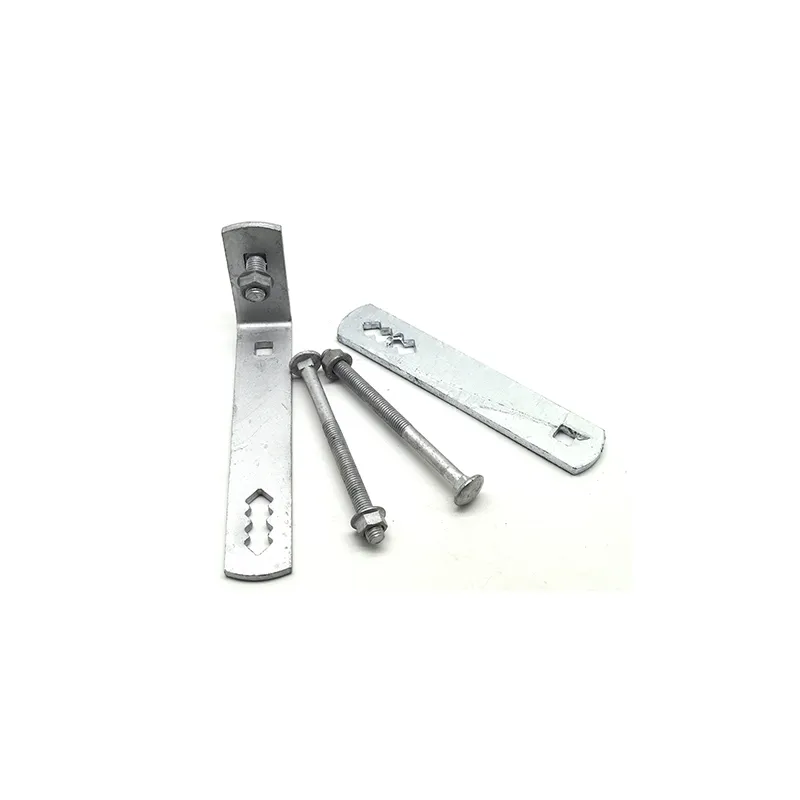
Fuse Holders
A fuse mounting kit includes the following components: L-shaped Metal Bracket: Equi...
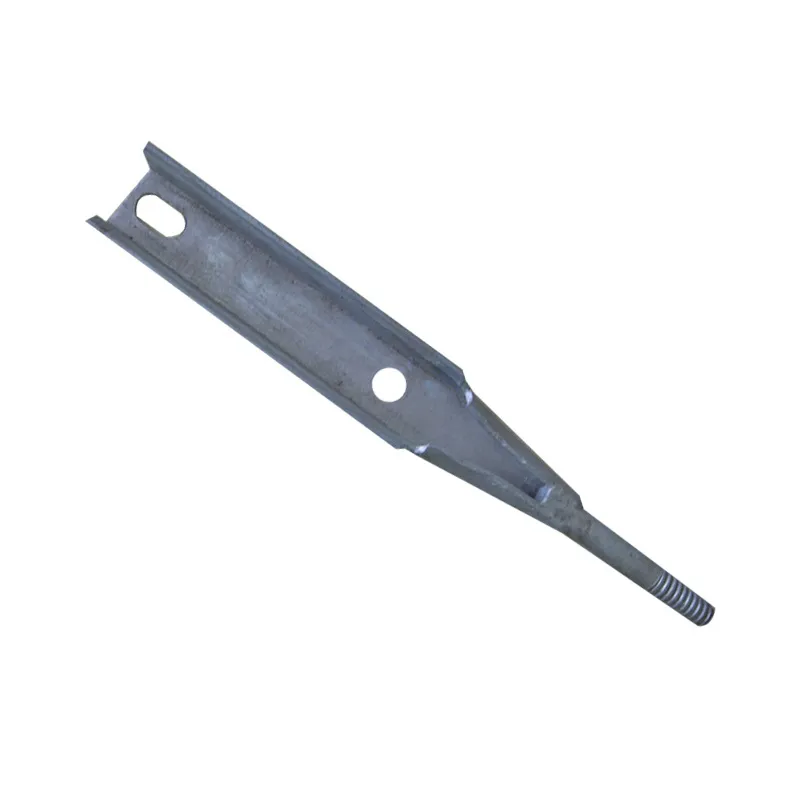
American Standard Steel Foot
Product Description: American steel toe caps typically refer to steel components for ...
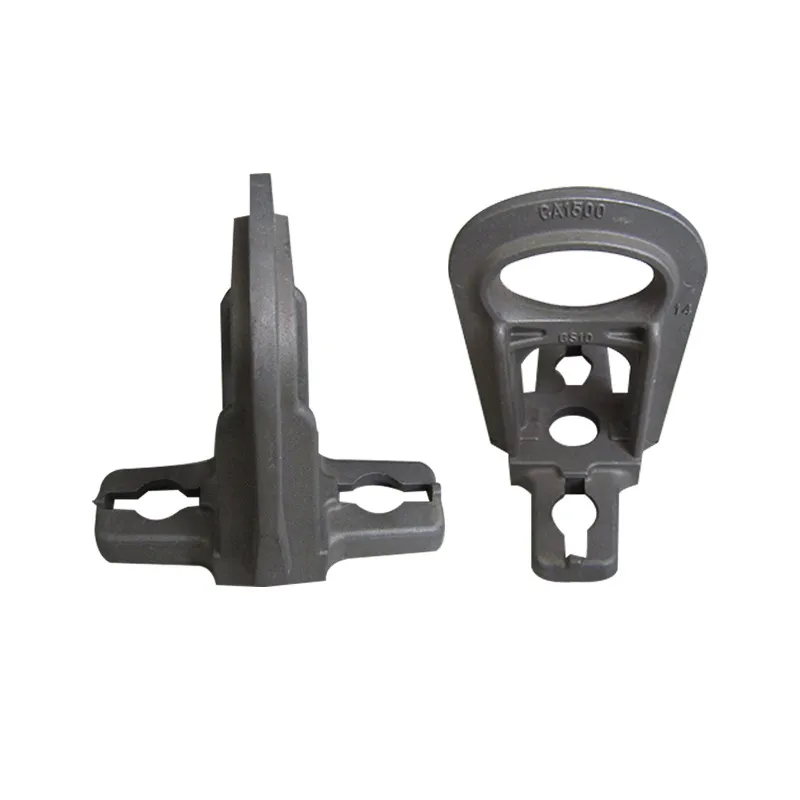
Angled Brackets
Product Description: Angled brackets are supporting elements installed at wall joints...
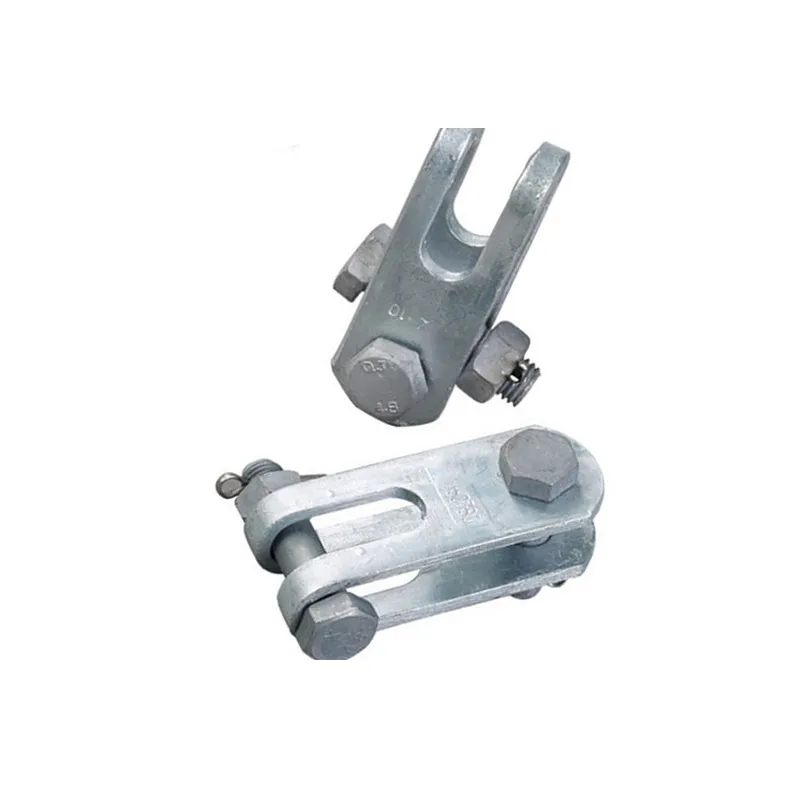
ZBD planks
Product Description: ZBD suspension bracket is a connecting fitting in electrical ins...
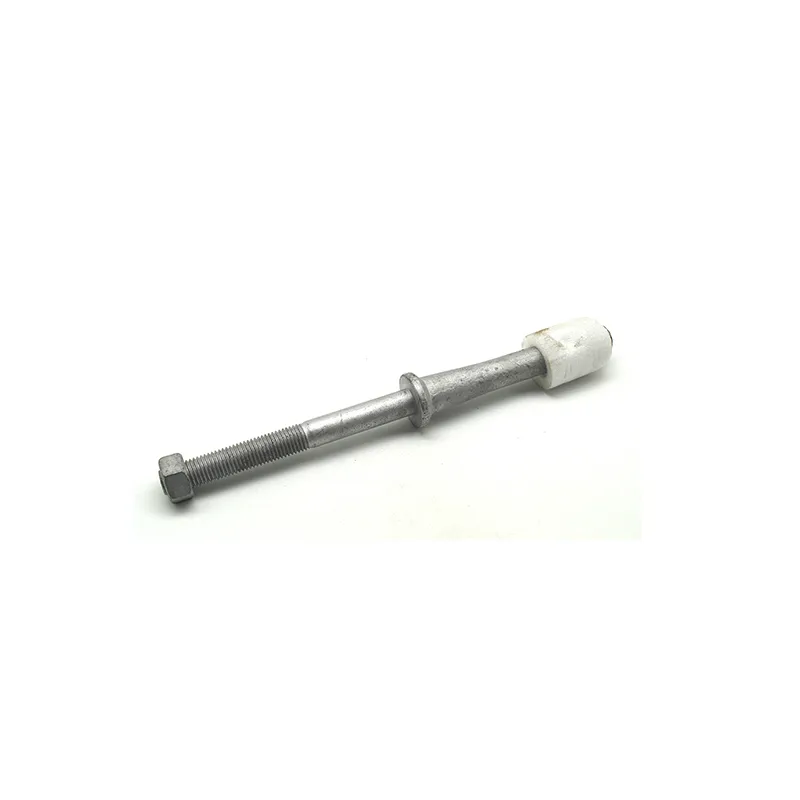
Cast lead-steel supports
Components and Functions: Bolt: A metal rod with threads. One end features a hexago...
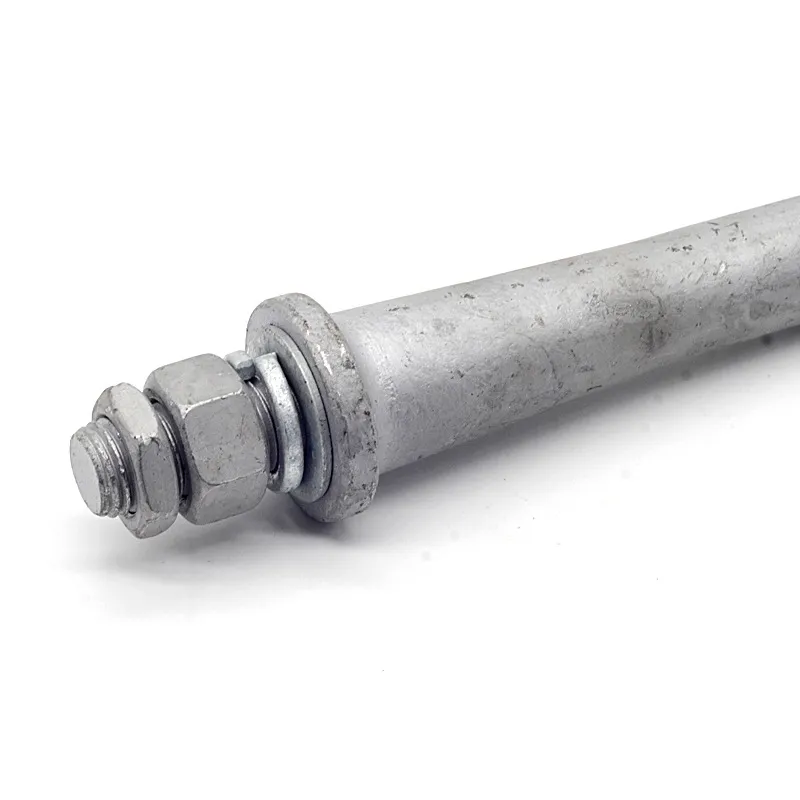
Insulator steel feet
Product Description: Insulator steel feet are an important component of insulators. B...
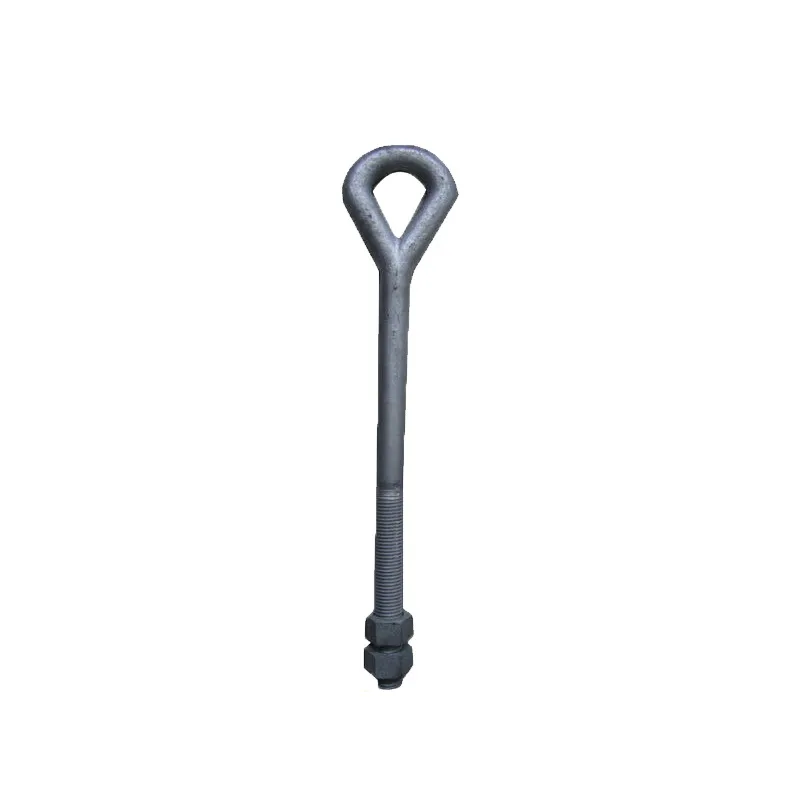
Eye bolts
Product Description: Eye bolts are high-strength fasteners specifically designed for ...
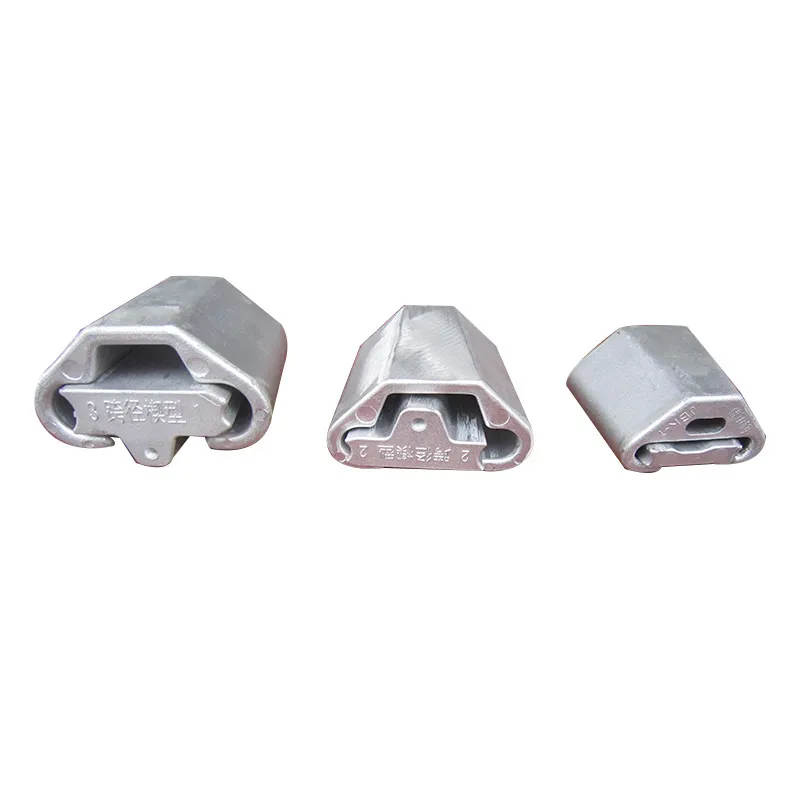
JXL Wedge Clamps
Product Description: JXL wedge-type conductor clamps are a type of conductor fastener...
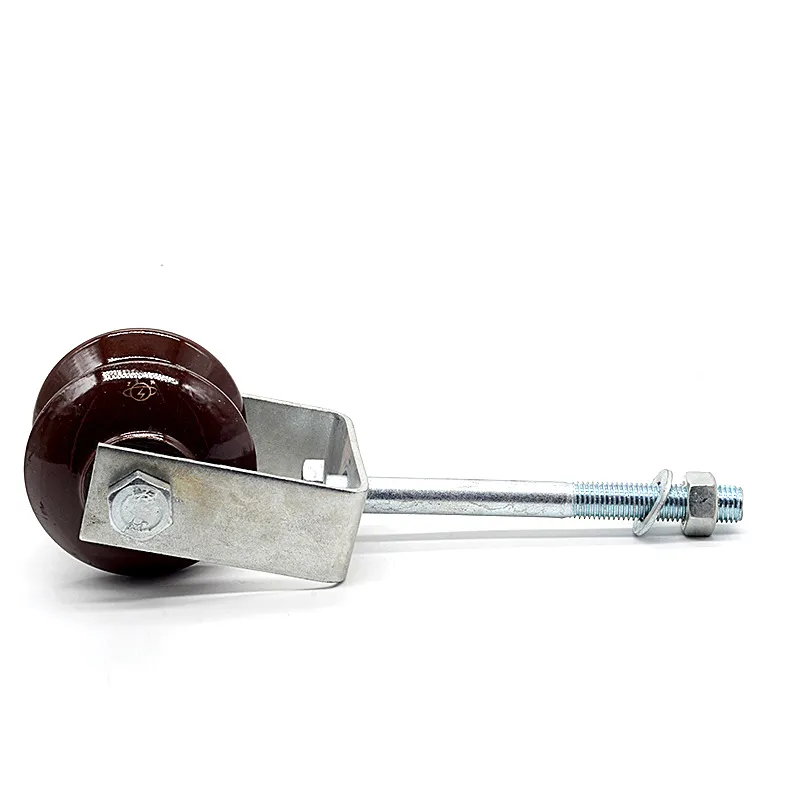
D-shaped iron
Product Description: D-type iron fittings are widely used metal connectors in the po...
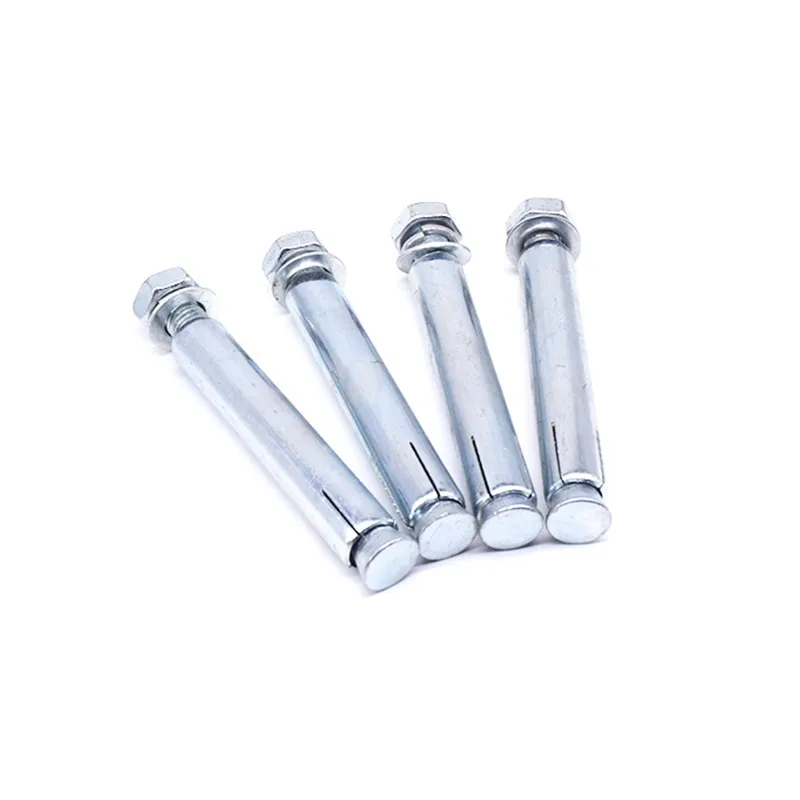
Anchor bolts with external thread
Product description: External expansion screws (also known as external expansion bolt...
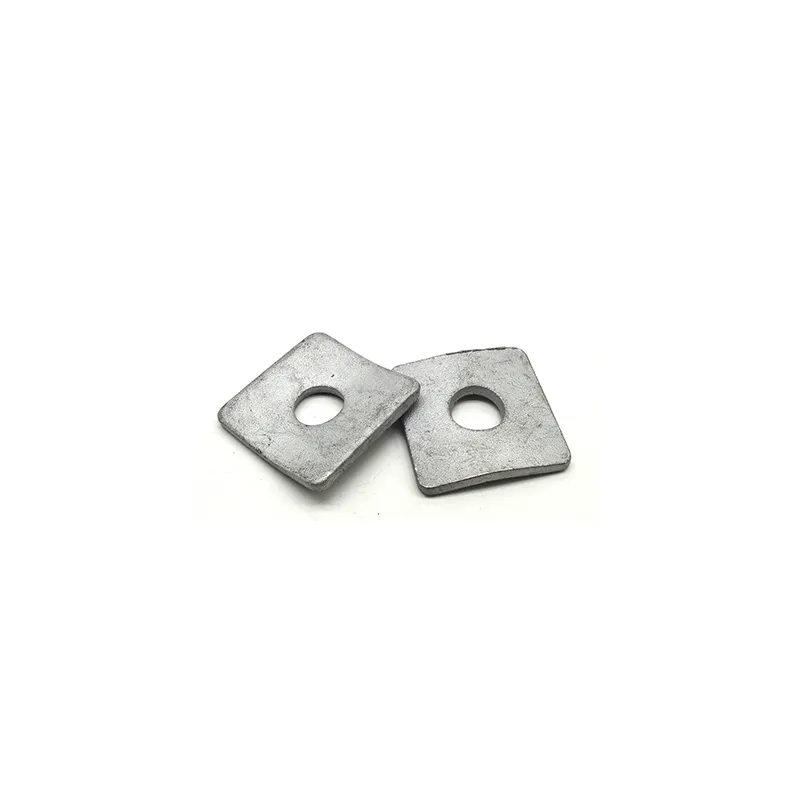
Curved washers
Curved Washer A curved washer is a specially shaped fastener that plays a unique role in mechani...
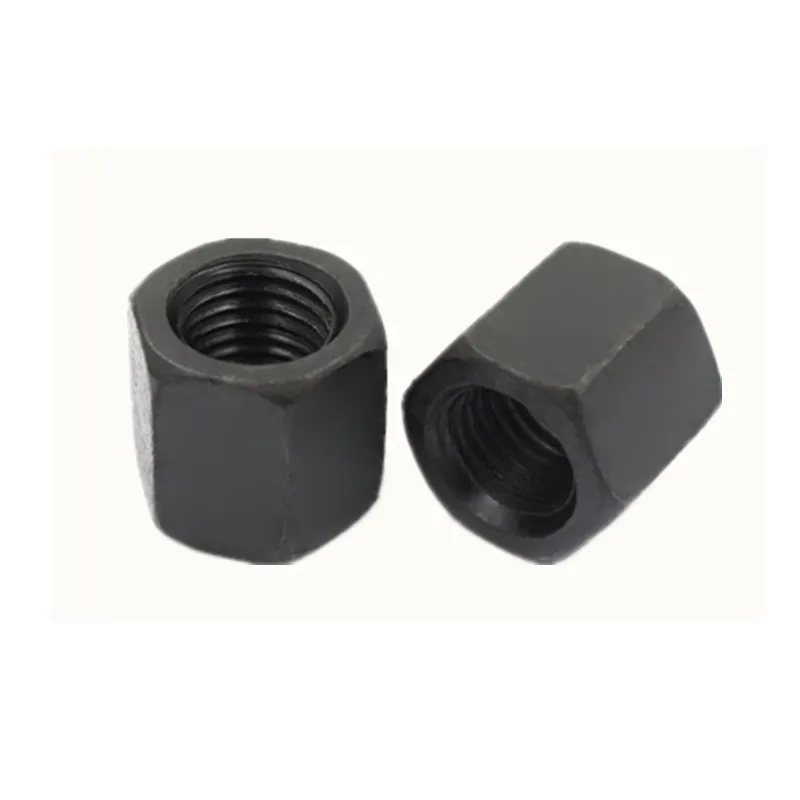
Grade 4.8 nuts
Product Description: Grade 4.8 nuts are the most commonly used standard-strength nuts...
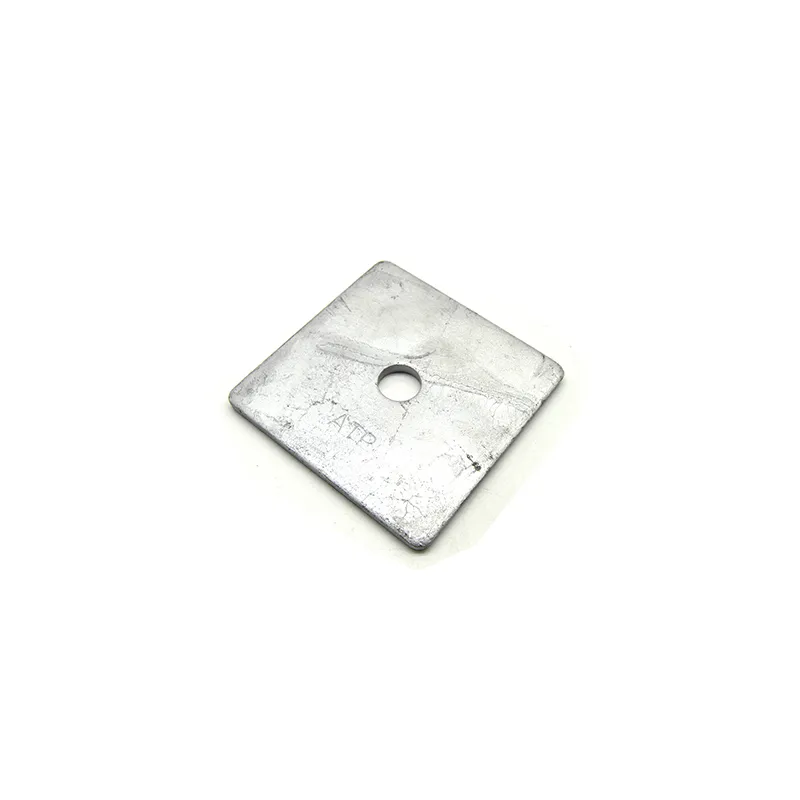
Square Washers
Product Description: A square washer is a mechanical component widely used in various mechanical ...
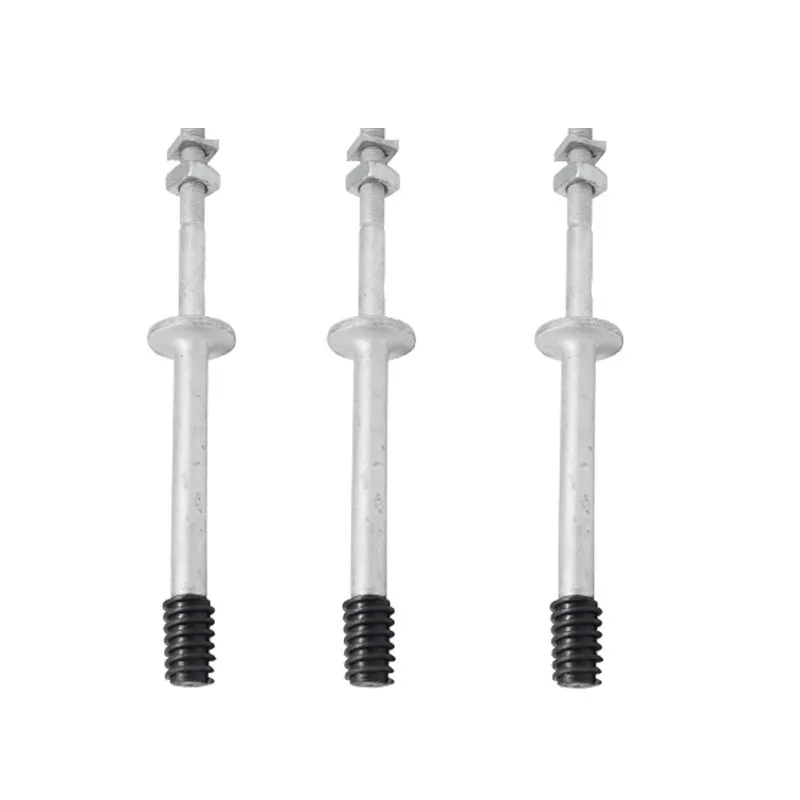
Insulator steel feet
Product Function: Insulator steel feet are a critical component of insulators, playin...
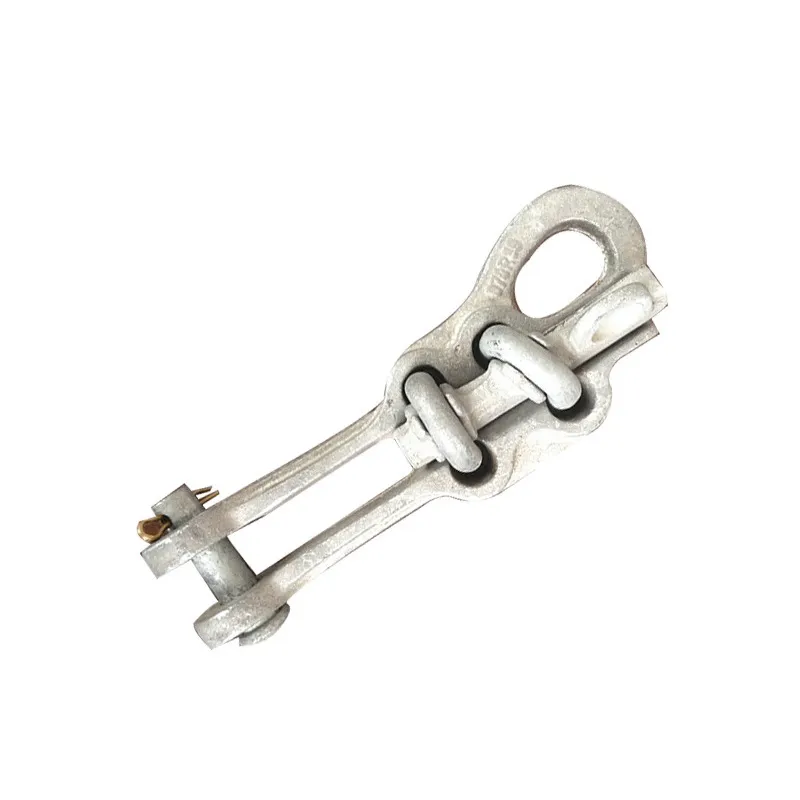
Tension Clamps
Product Description: Tension clamps are key equipment for overhead lines (power condu...