
+86-15613040666



Products
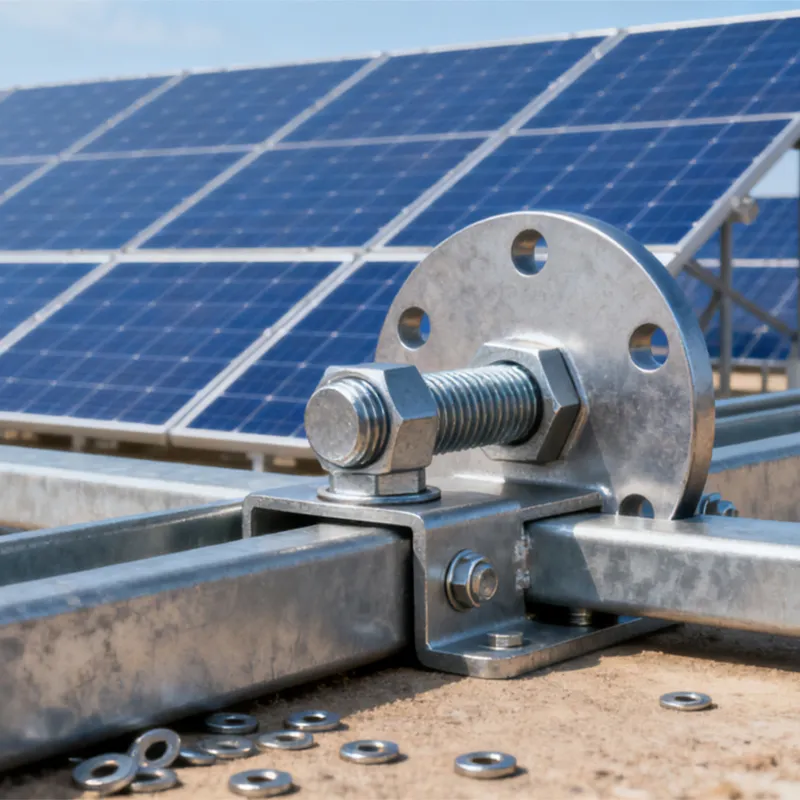
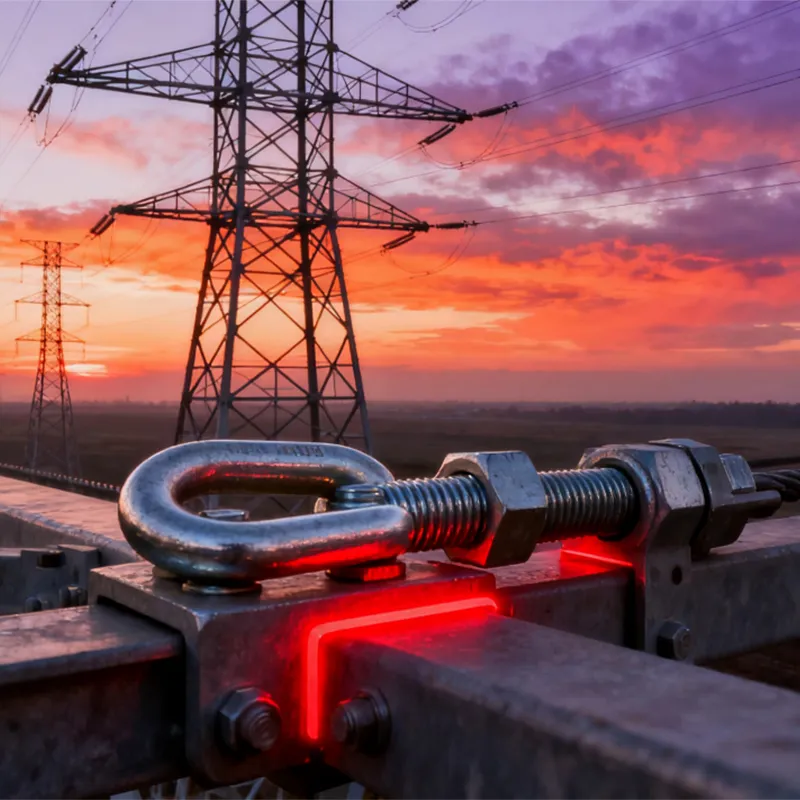
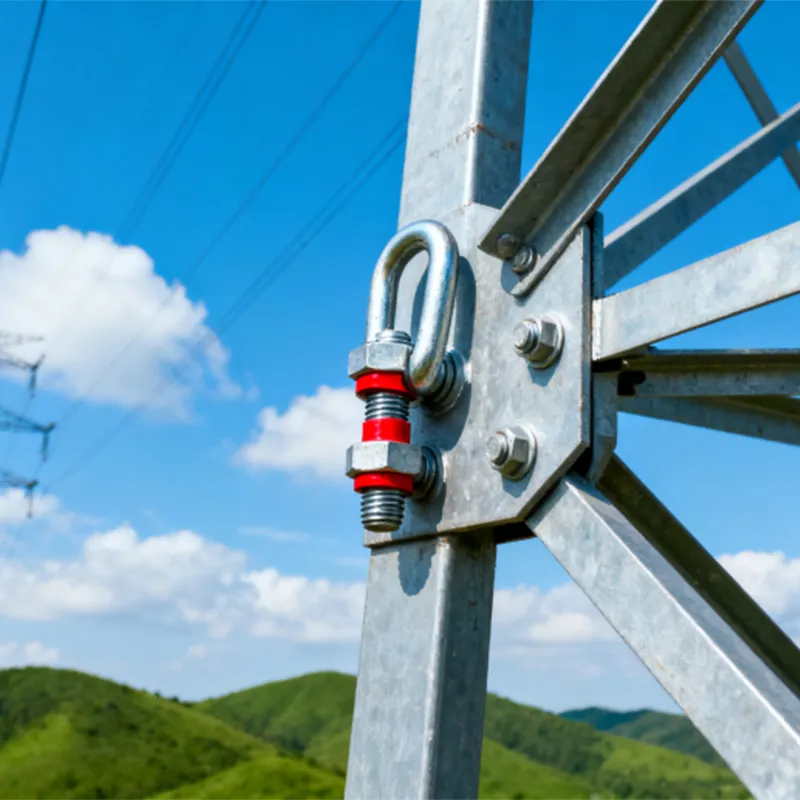
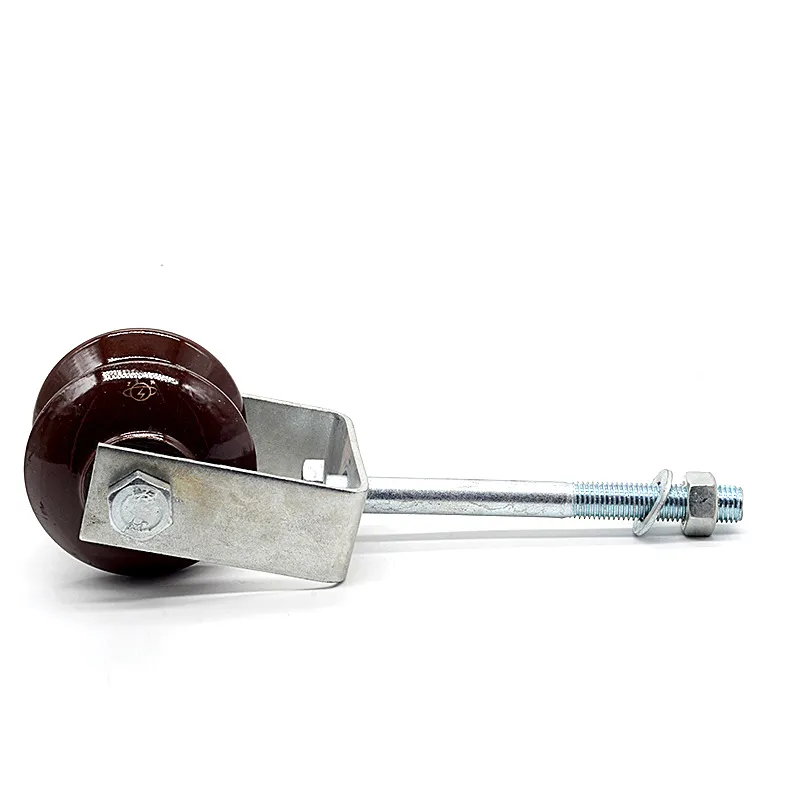
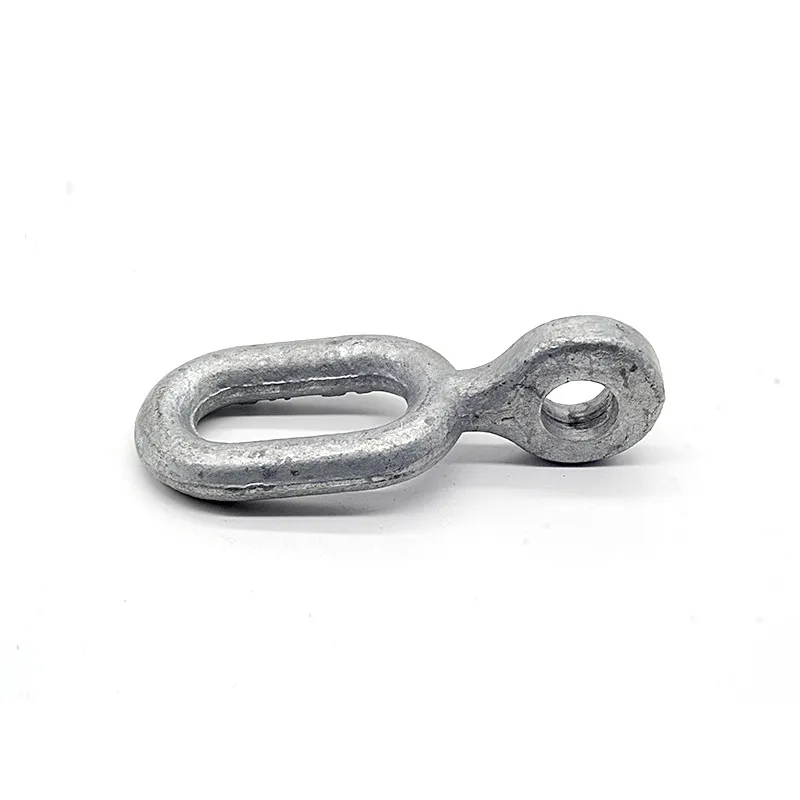
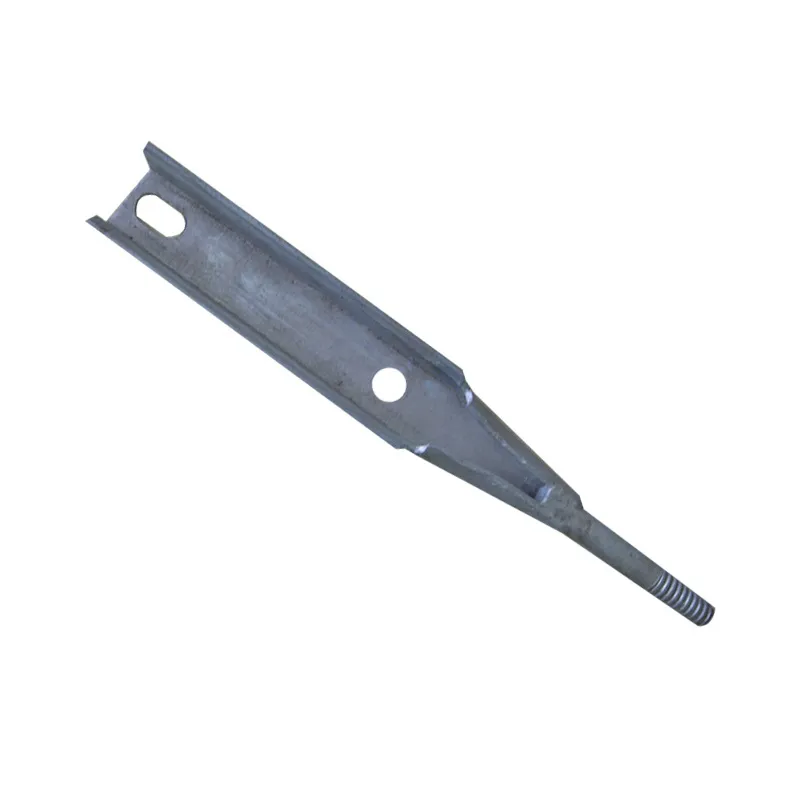
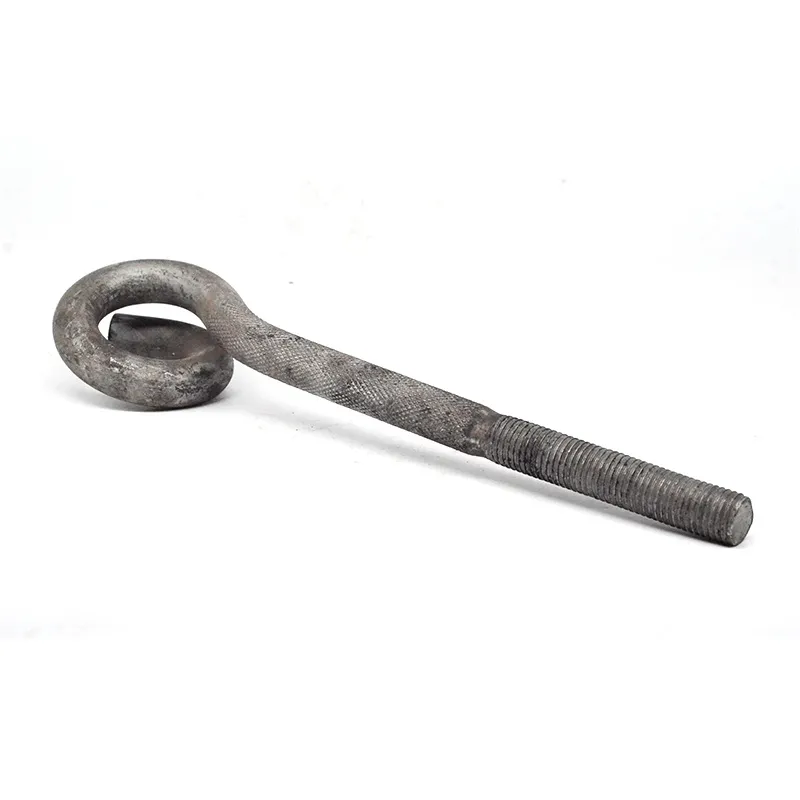
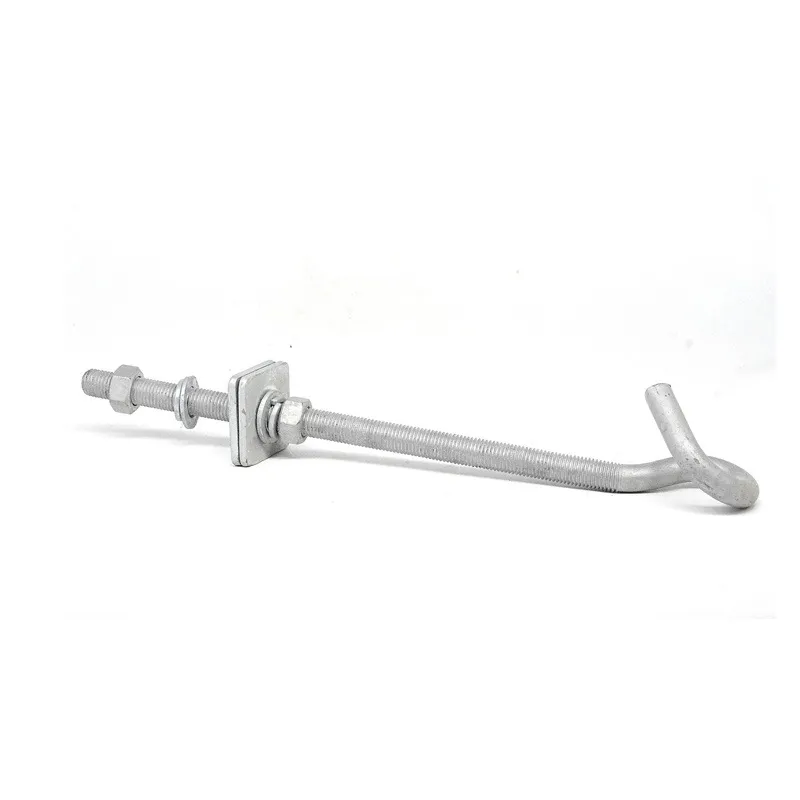
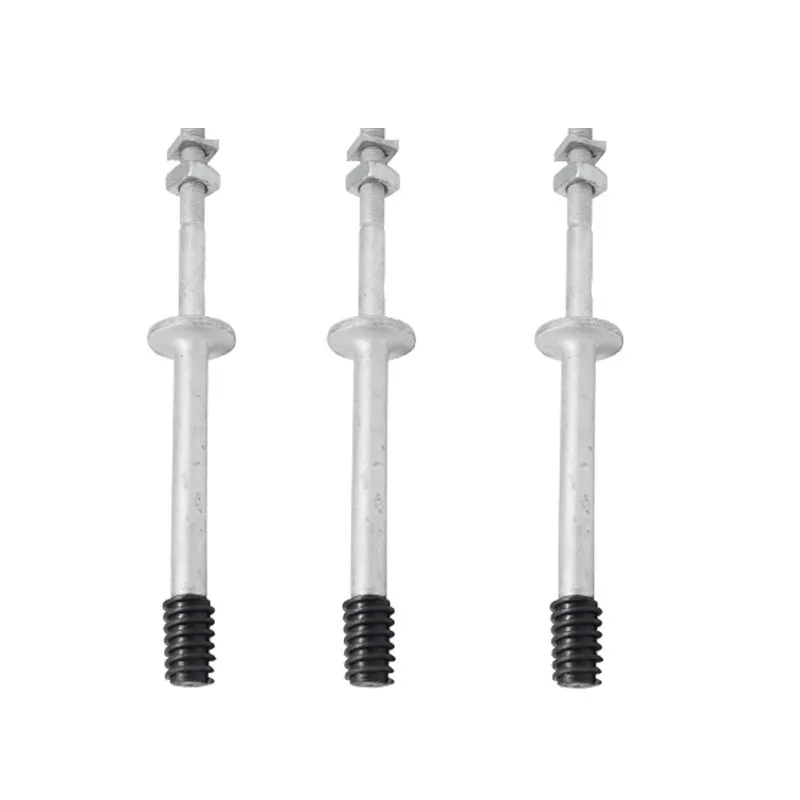
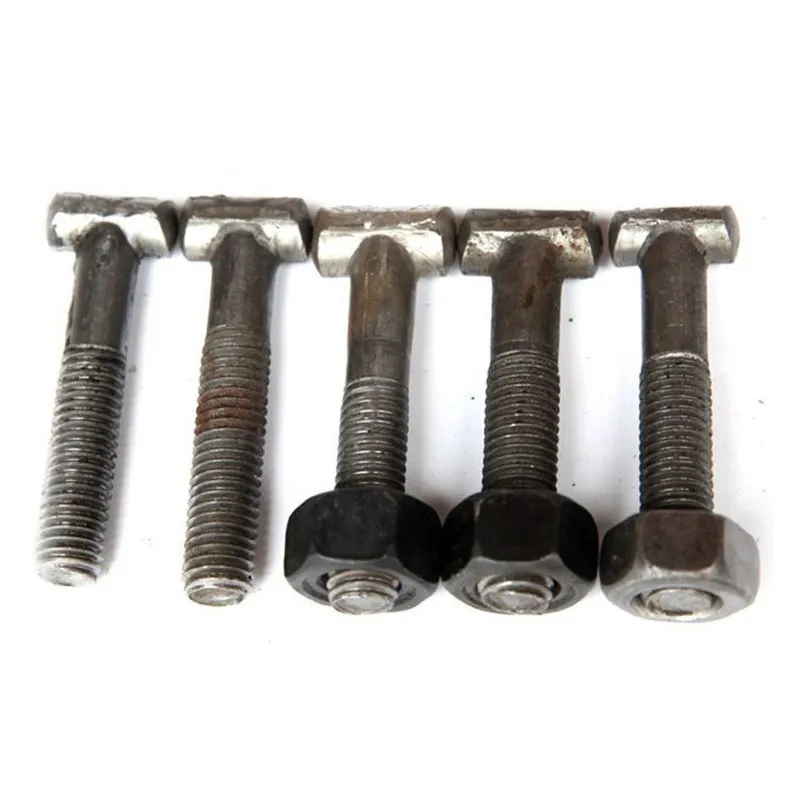
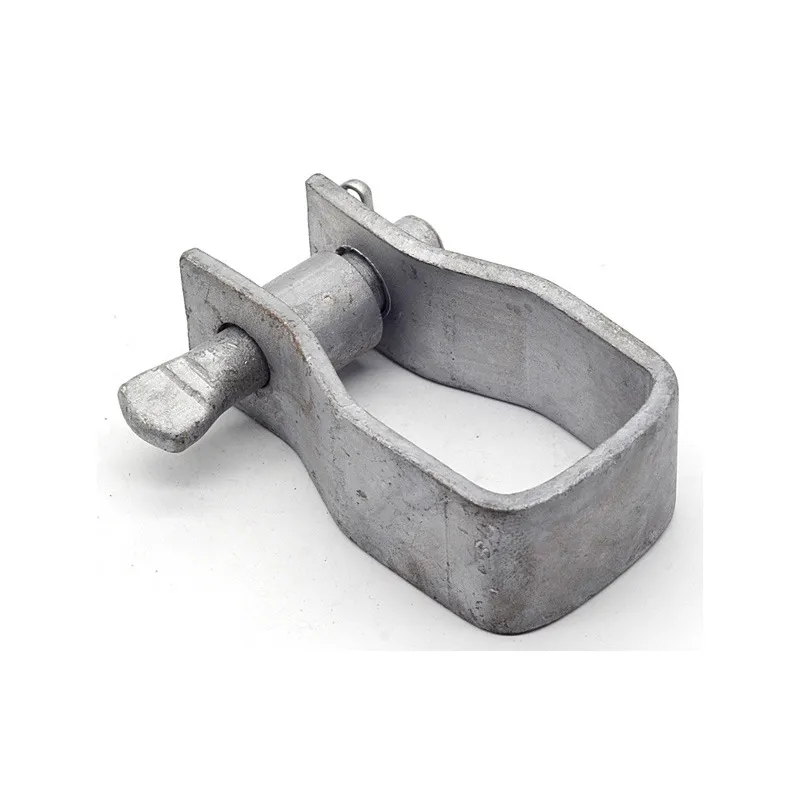
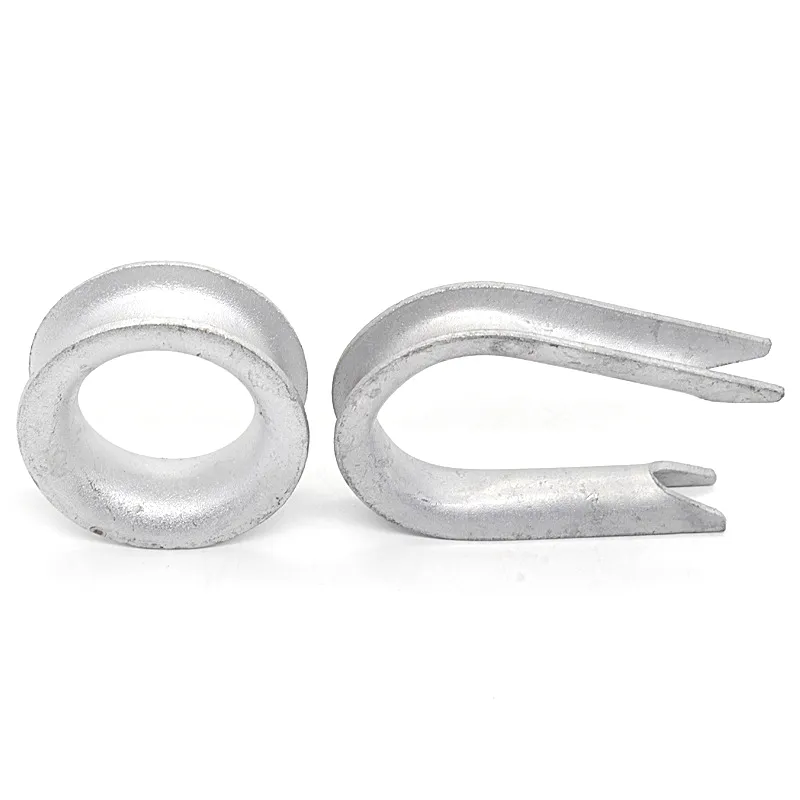
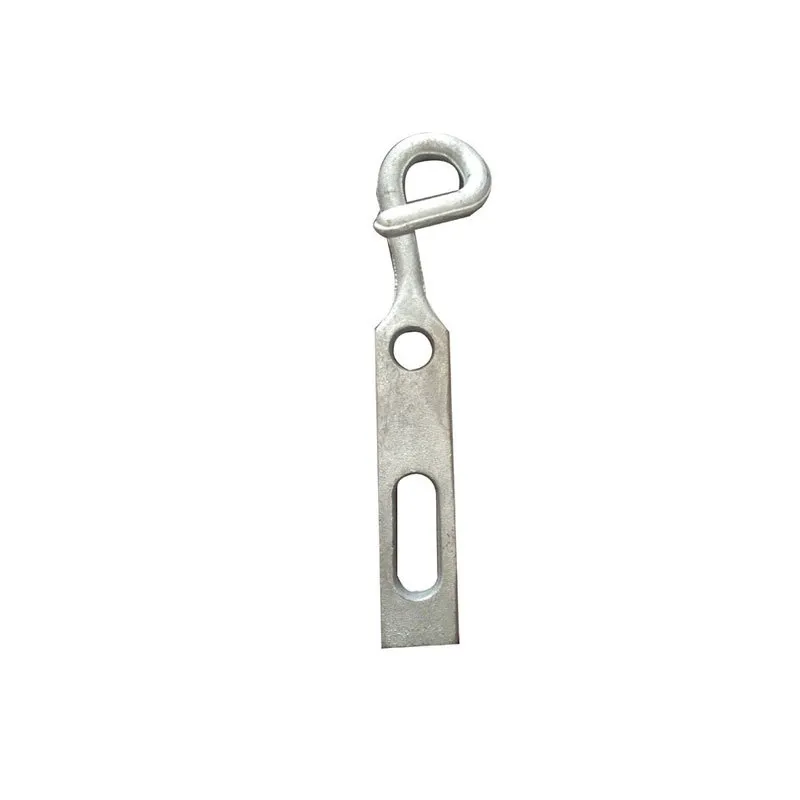
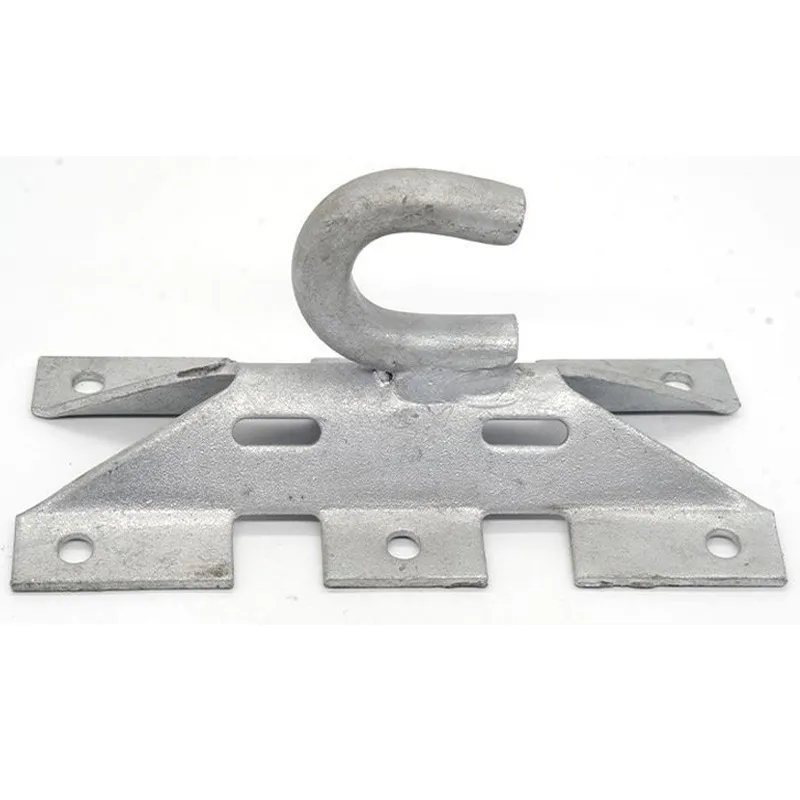
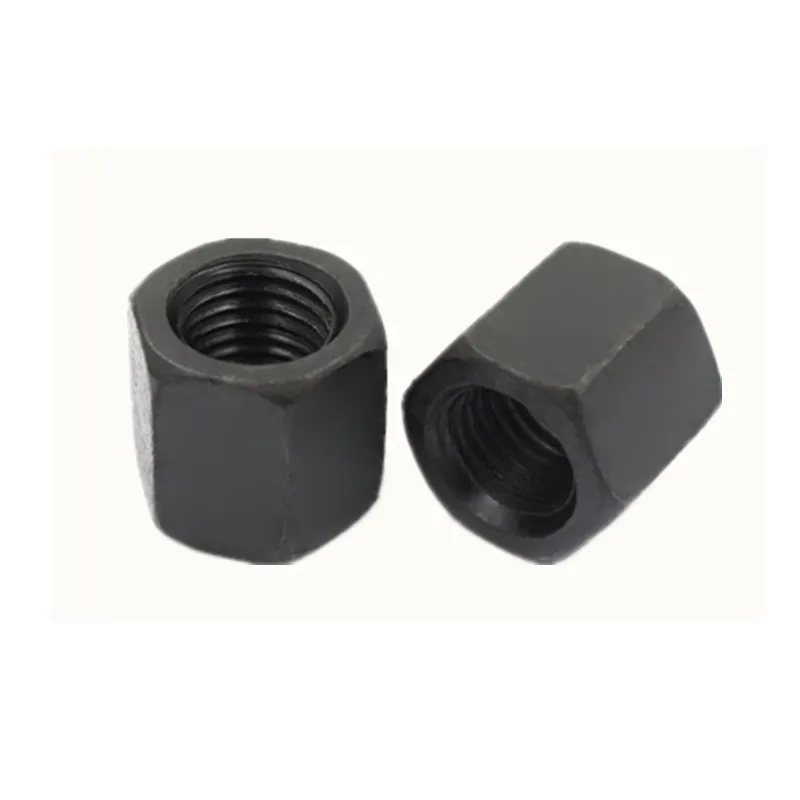
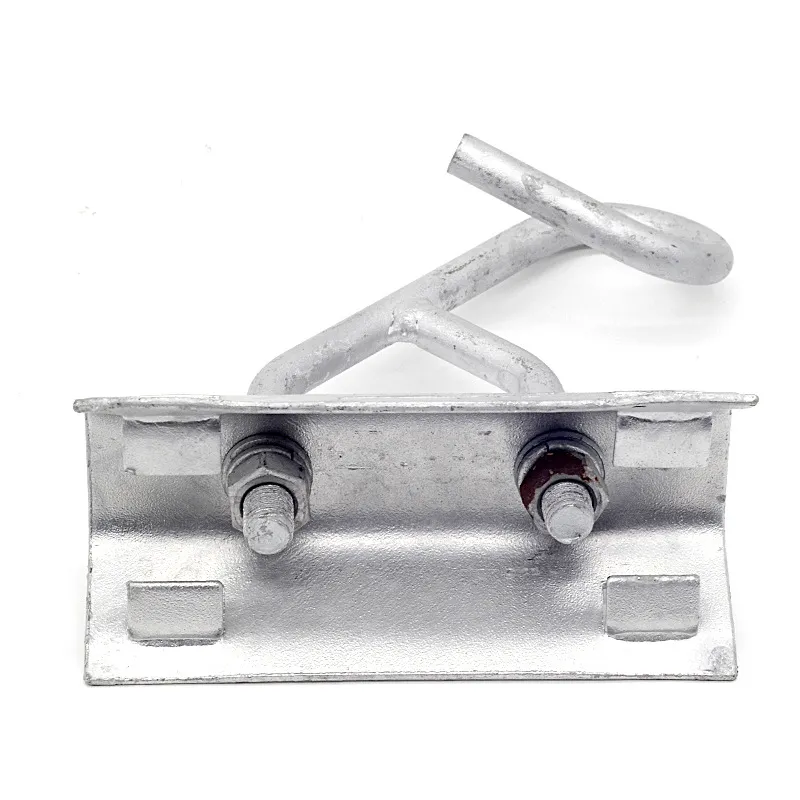
Straight Steel Insulator Legs
Product Description Straight Steel Brackets for Insulators Straight steel brackets for insulators are a crucial component of insulators, primarily used to fasten and support insulators in high-voltage overhead power transmission lines. Below is a detailed description: Structural Features S...
Description
marker
Product Description
Straight Steel Brackets for Insulators
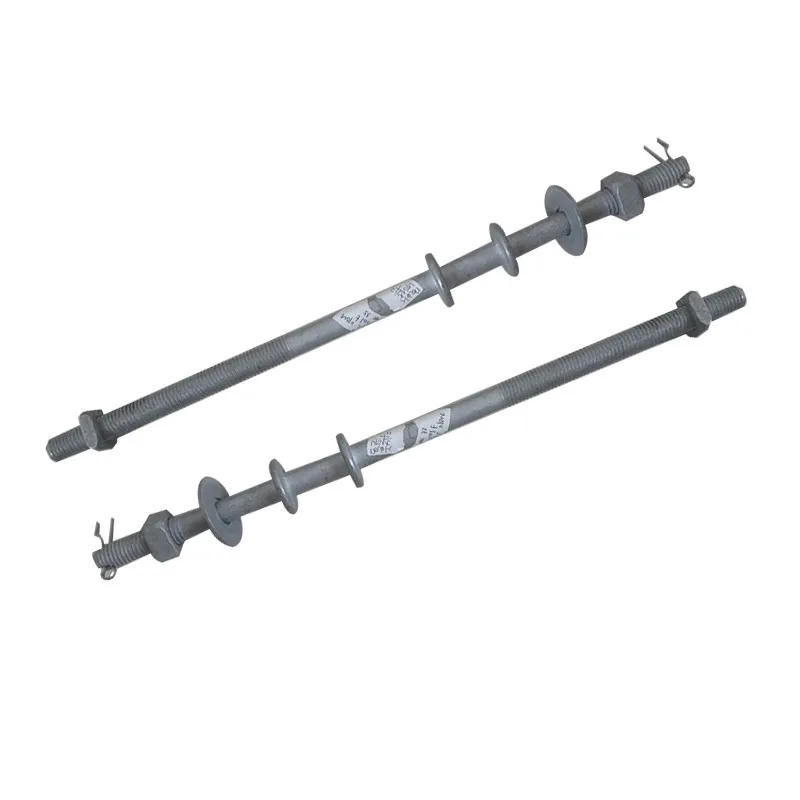
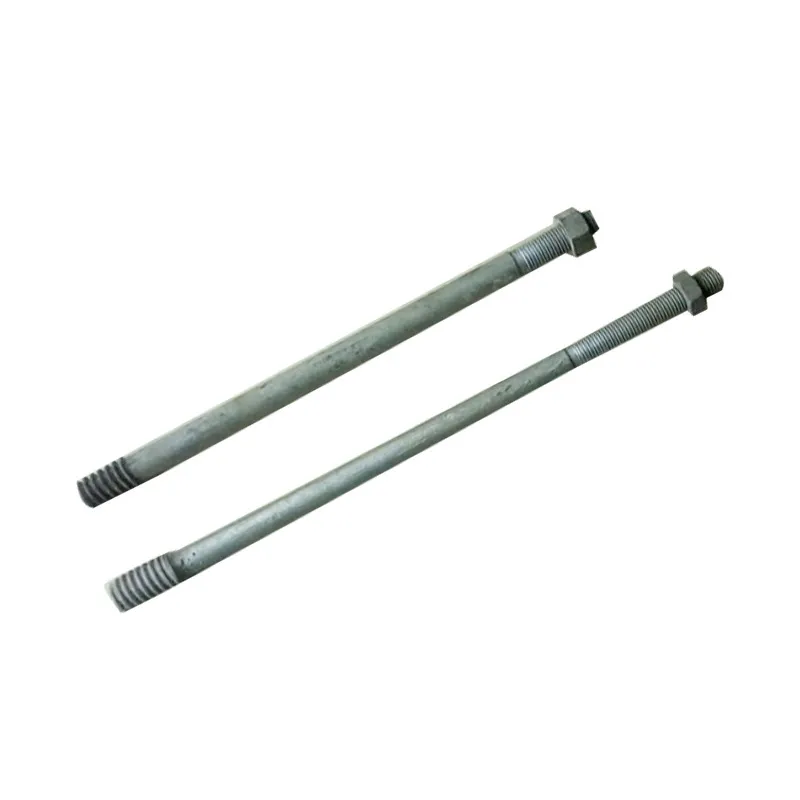
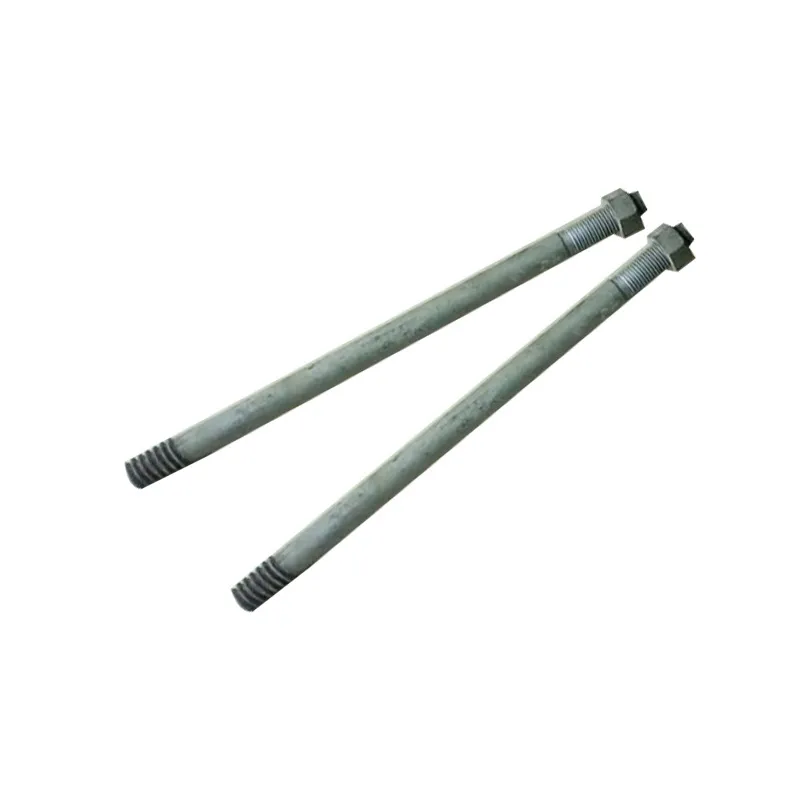
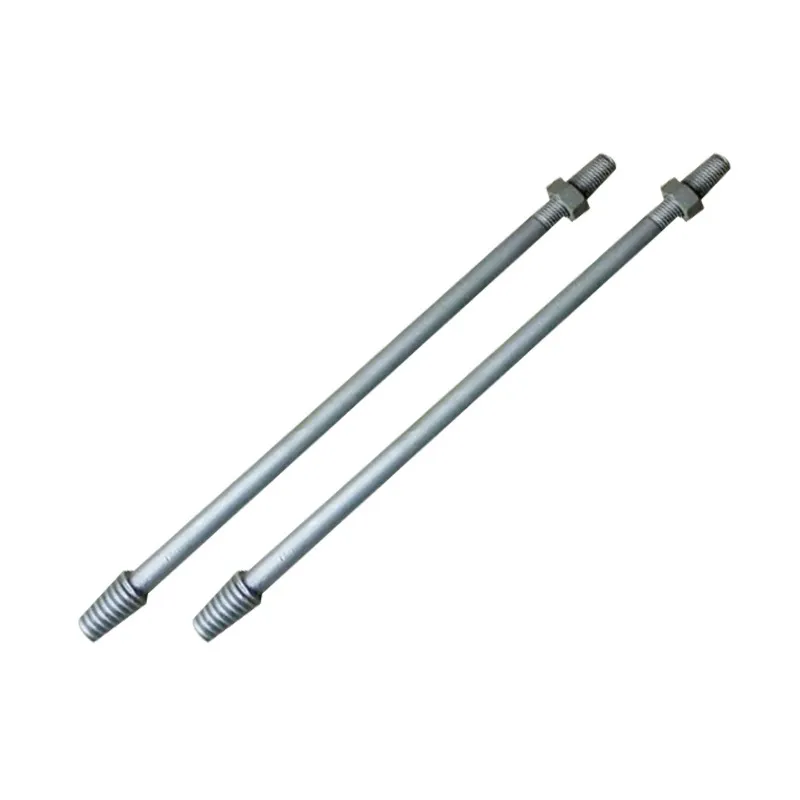
Straight steel brackets for insulators are a crucial component of insulators, primarily used to fasten and support insulators in high-voltage overhead power transmission lines. Below is a detailed description:
Structural Features
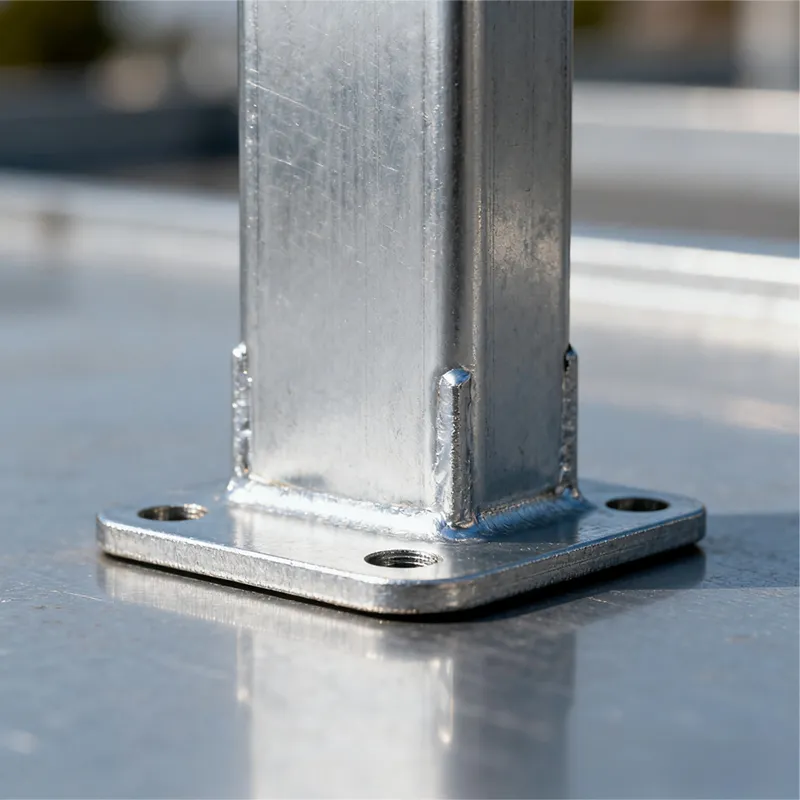
Straight steel brackets for insulators typically have a cylindrical shape. One end is cemented into the porcelain insulator body, while the other end is designed to connect to load-bearing structures such as power poles. The section embedded in the porcelain component features deep grooves, which enhance connection strength and prevent loosening. An elastic gasket is placed between the upper part of the steel support and the porcelain; this gasket absorbs stresses caused by thermal expansion and contraction while ensuring a tight fit. This design prevents the ingress of moisture and contaminants, thereby avoiding degradation of insulating properties.
Material and Surface Treatment
Steel supports are usually made of steel to meet mechanical strength requirements. To improve corrosion resistance, they undergo hot-dip galvanizing. This coating effectively isolates the steel from external corrosive agents, ensuring long-term stable operation in harsh service conditions.
Technical Parameters and Standards
The technical characteristics and requirements for insulators with straight steel supports vary depending on the insulator type and application scenario. For example, insulators with straight steel supports for high-voltage lines—equipped with pin-type porcelain insulators—are classified into four categories based on rated voltage: 6 kV, 10 kV, 15 kV, and 20 kV. Each category is further divided into two subtypes according to the steel support type: those with straight supports on iron bases and those with straight supports on wooden bases. All new models have a rated voltage of 10 kV and are categorized into three types: standard type, enhanced insulation type 1, and enhanced insulation type 2.
Relevant standards specify the exact dimensions, material strength, mechanical properties, and electrical characteristics of the steel supports. The supports must possess sufficient tensile, bending, and shear strength to withstand conductor weight, wind loads, and potential electrodynamic forces from short circuits.
Function and Application
The primary function of straight steel insulator supports is to fasten insulators to poles or towers, bearing conductor tension and other external forces. This ensures stable insulating performance, supports and secures conductors, and guarantees the safe and reliable operation of power transmission lines. Widely used in overhead power transmission lines, these supports are a key component that ensures the safety of electrical energy transmission.


contact us
Related popular products
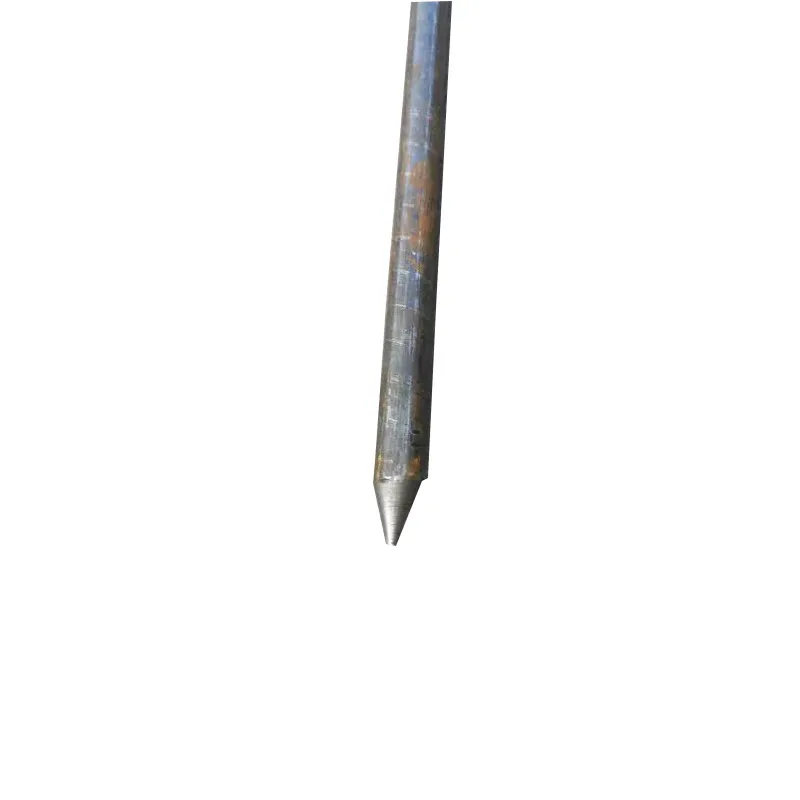
Galvanized steel ground rods
Product description: Galvanized steel ground rods serve as grounding materials for li...
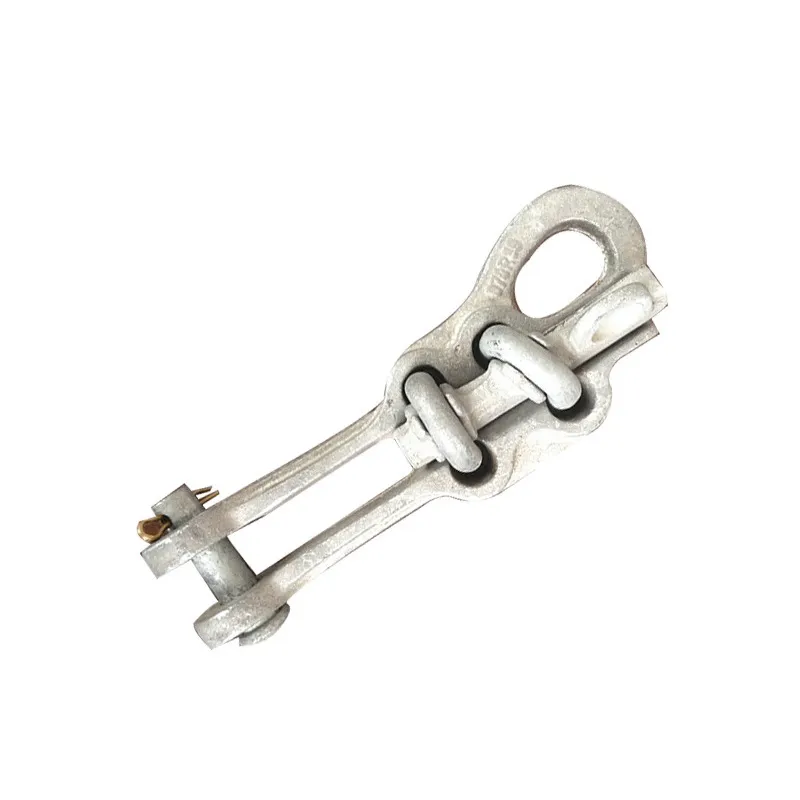
Tension Clamps
Product Description: Tension clamps are key equipment for overhead lines (power condu...
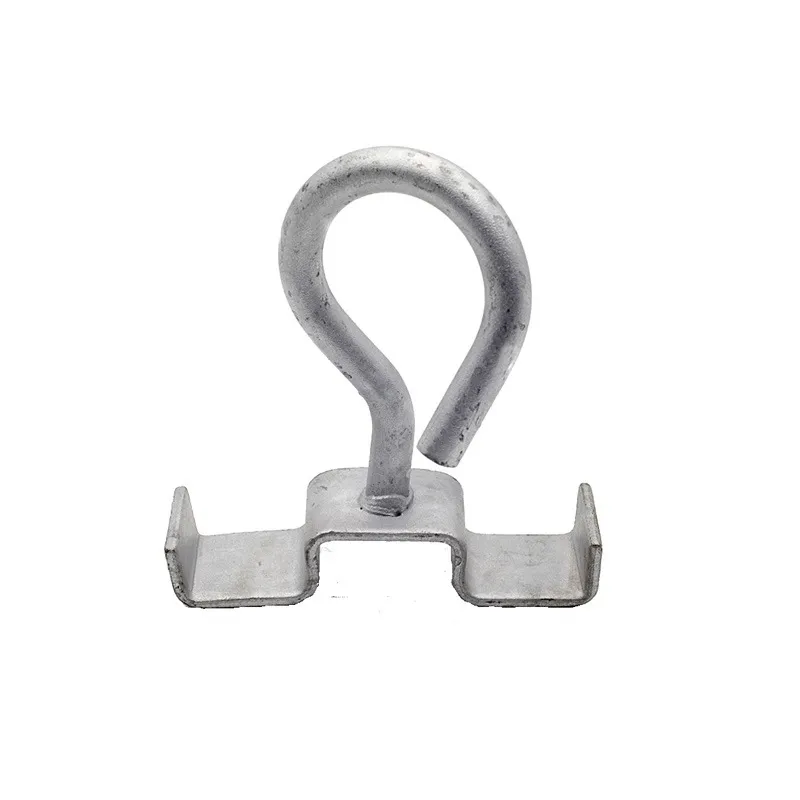
Cable Hooks
Product Function: Support and Fixation of Optical Cables: It can stably suspend opti...
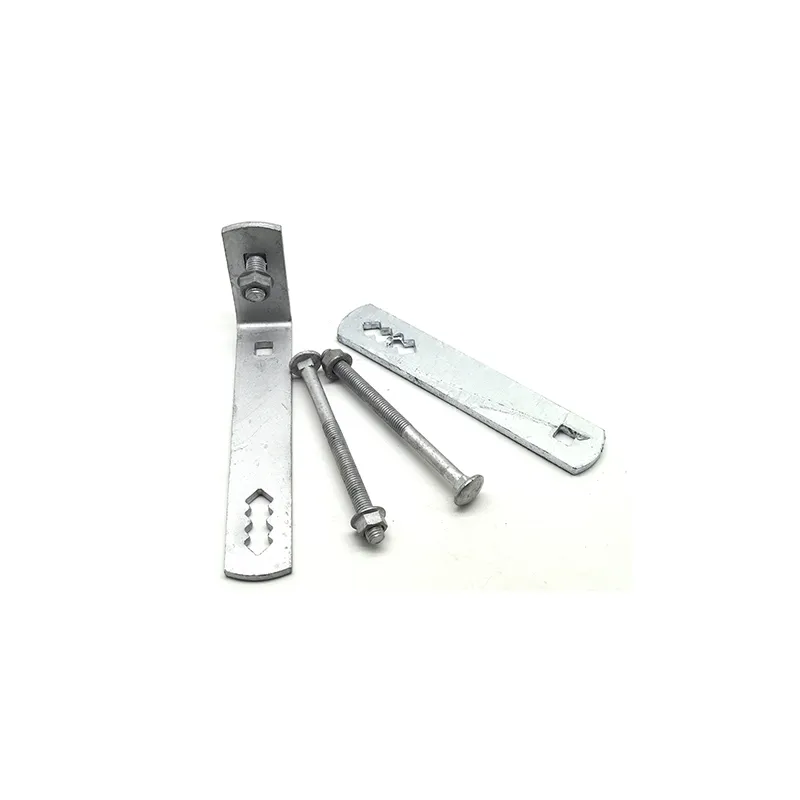
Fuse Holders
A fuse mounting kit includes the following components: L-shaped Metal Bracket: Equi...
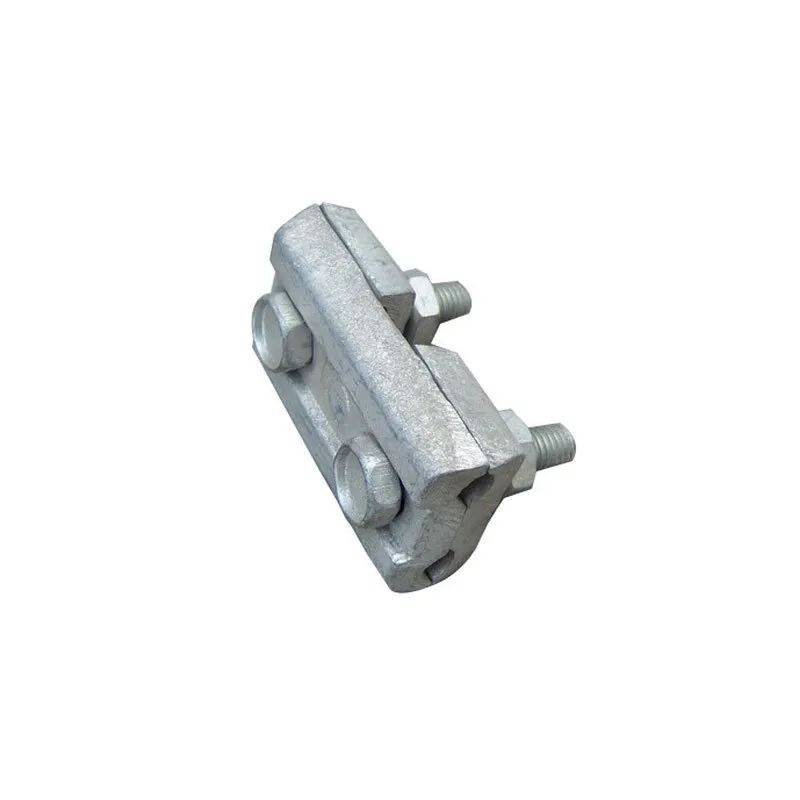
Gutter Clamps
Product Description: Iron Parallel Clamps are a type of electrical equipment mainly u...
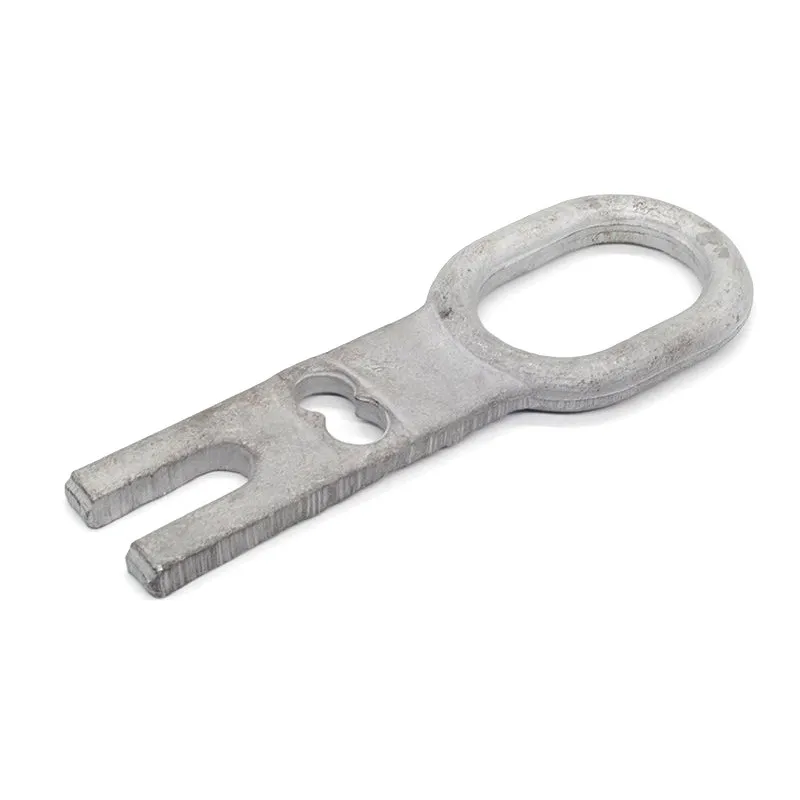
Ceiling suspension rings
Product Description: Ceiling suspension rings serve as primary connecting components...
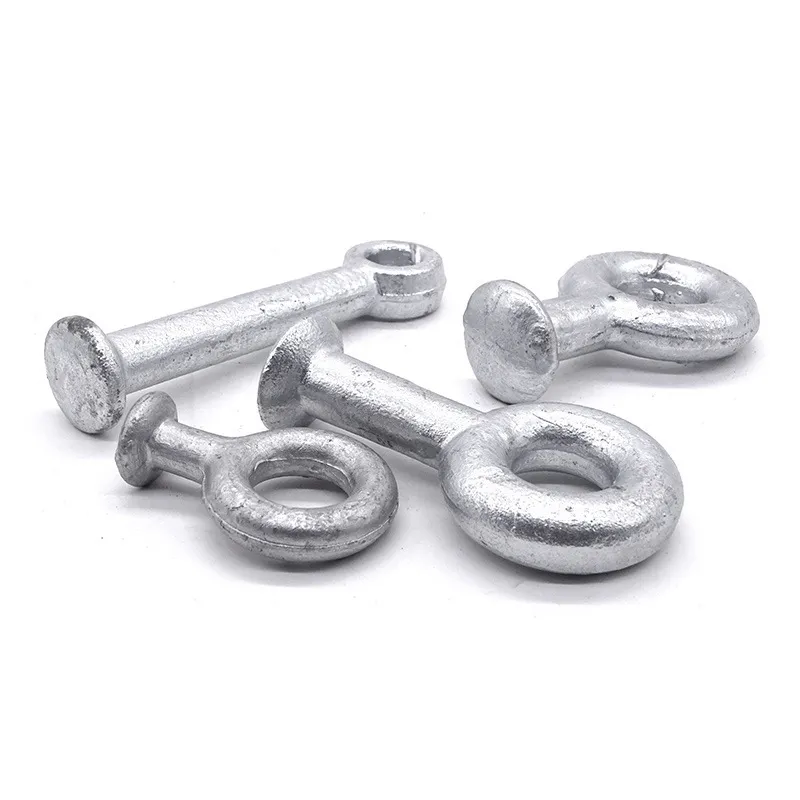
Ball earrings
Product Description: Ball-end suspension rings serve as swivel connecting elements in...
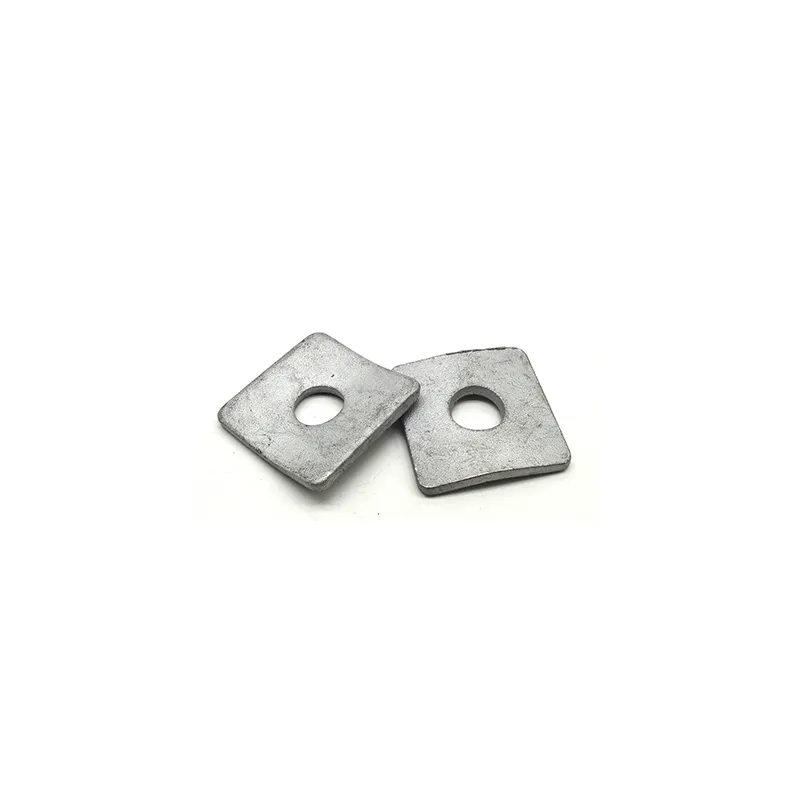
Curved washers
Curved Washer A curved washer is a specially shaped fastener that plays a unique role in mechani...
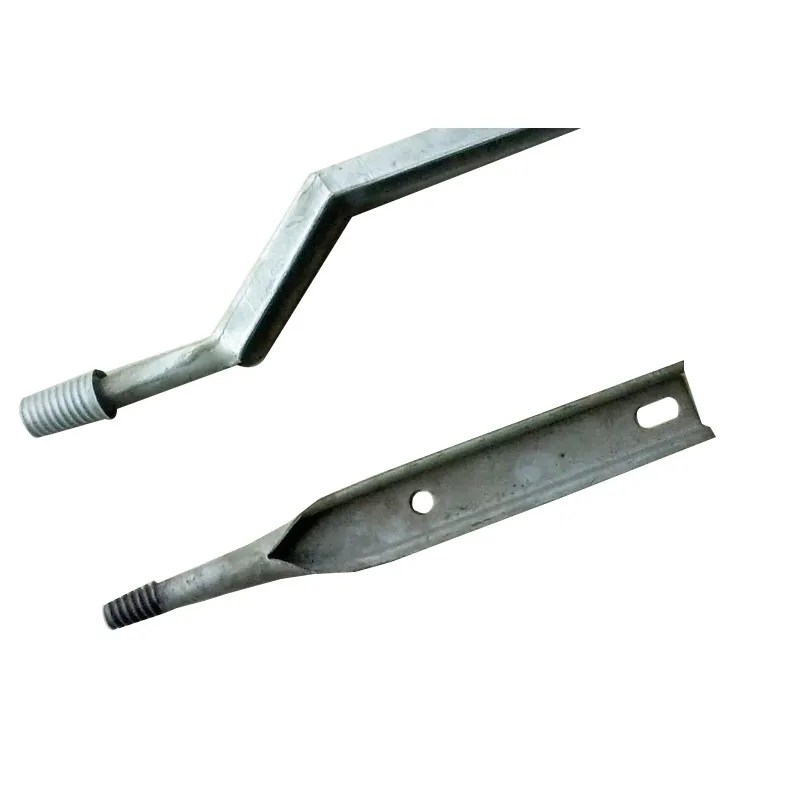
Insulator Fittings
Product Description: Insulator fittings are important auxiliary components that ensur...
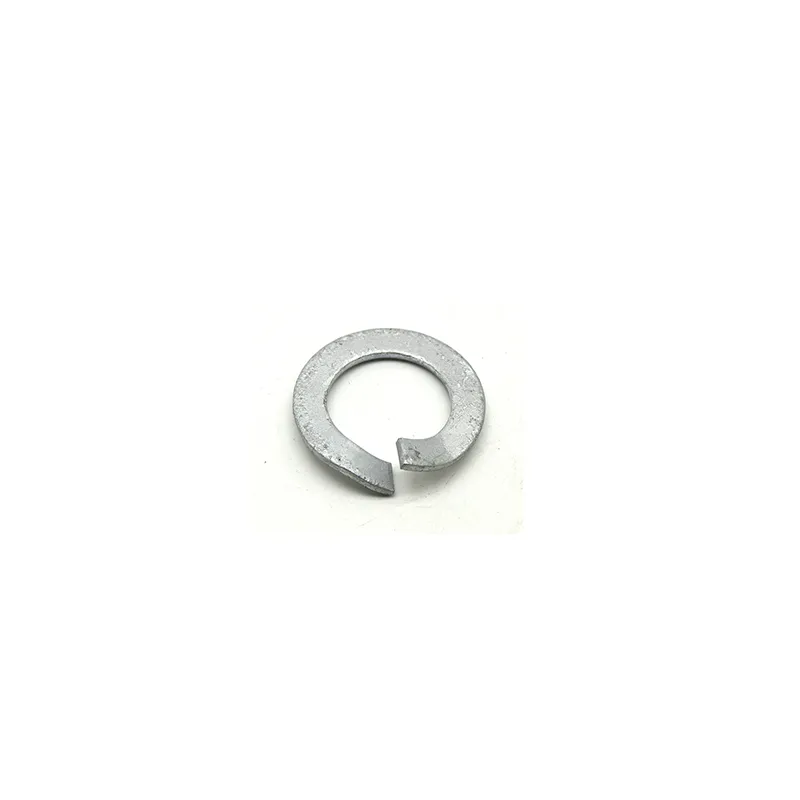
Split washers
Spring washer (also known as a Grover washer) It is an auxiliary component for mechanical fastene...
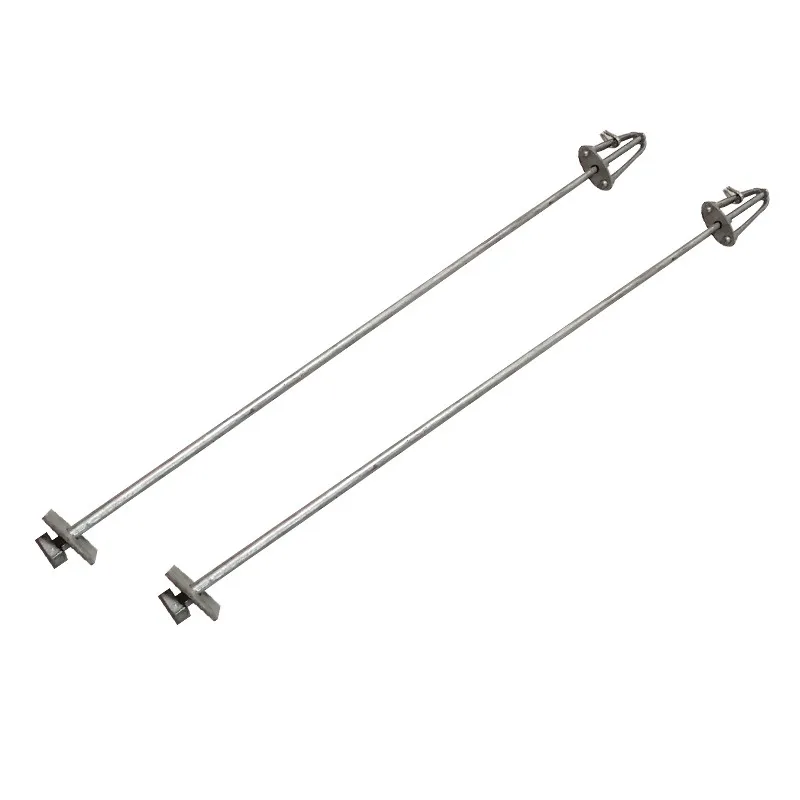
Arched rods
Product Description: The "butterfly-type cable tie" is a fastener with a special shap...
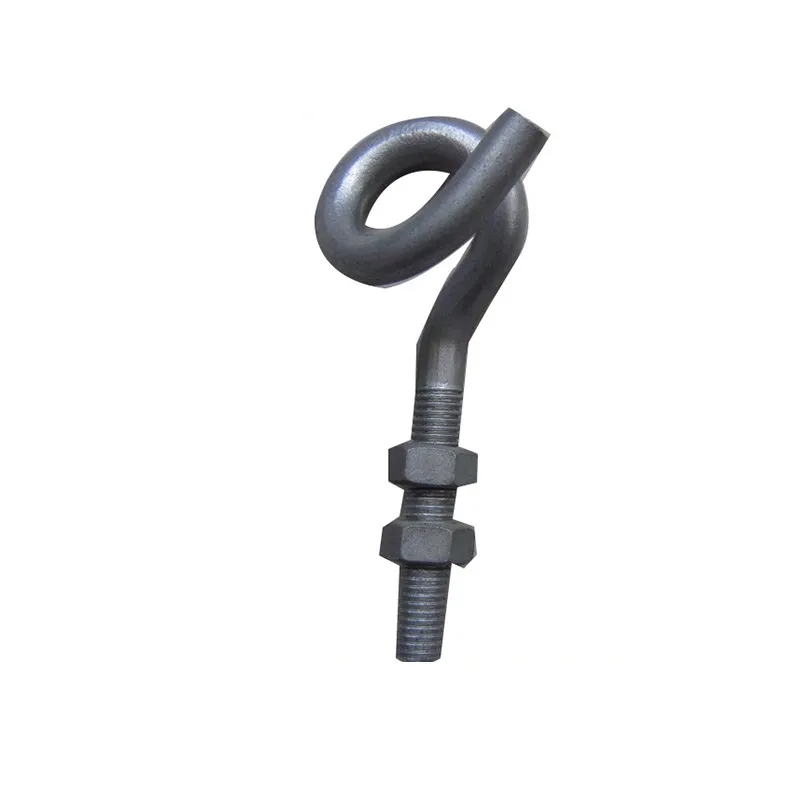
Support Hooks
Описание продукта: Крюки для электрических столбов — это специальные крепления, испол...
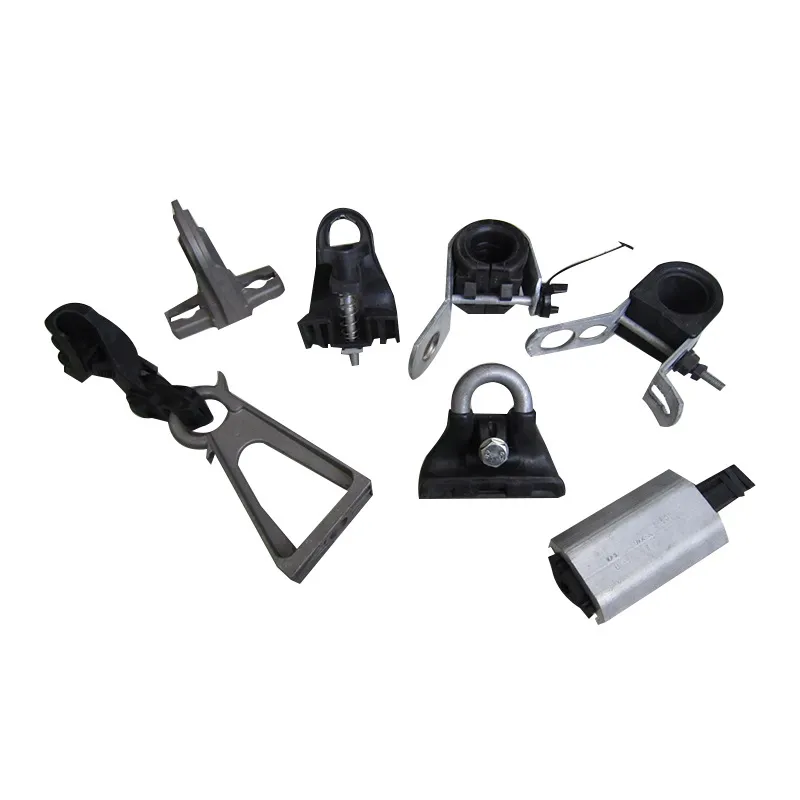
ES-1500 Clamps
Product Description: ES-1500 cable clamps are a type of fastener widely used in the e...
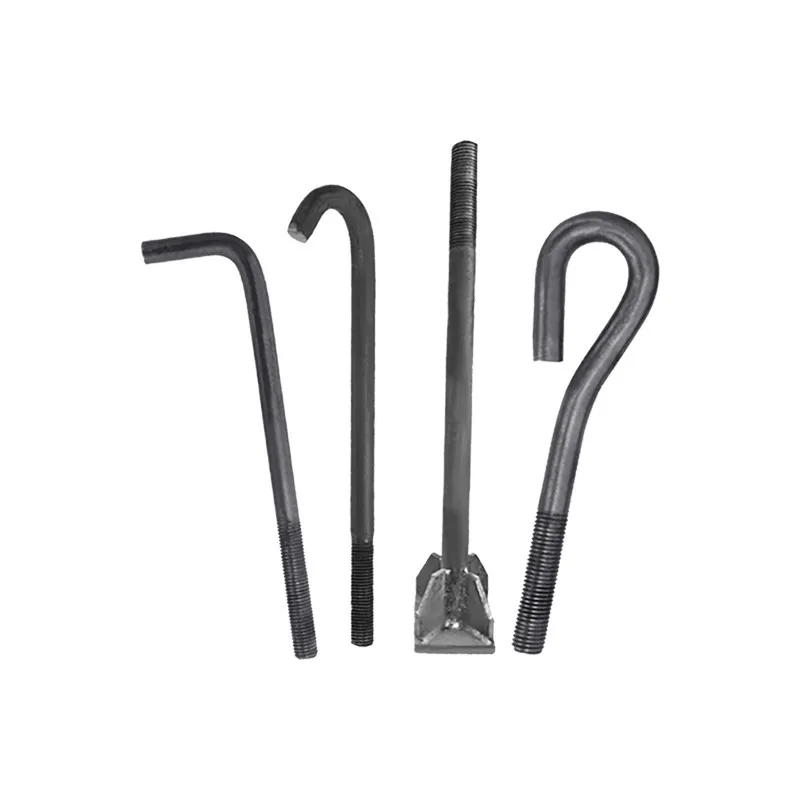
Anchor Bolts
Product Description: Anchor bolts are specialized fasteners used to secure equipment,...
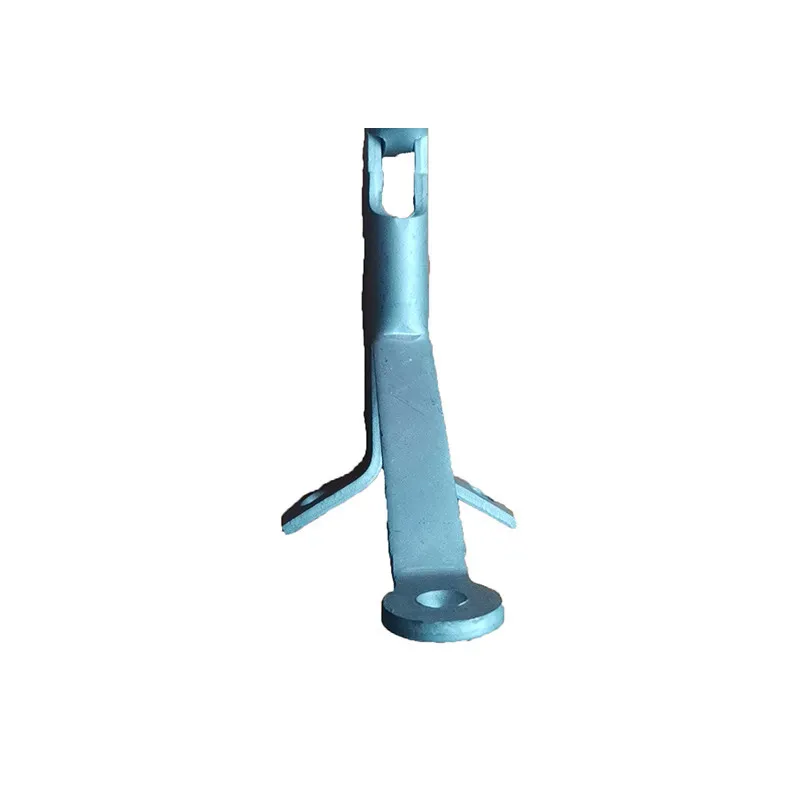
Iron Electrical Fittings
Product Description: Power Transmission Fittings serve as essential supporting and co...
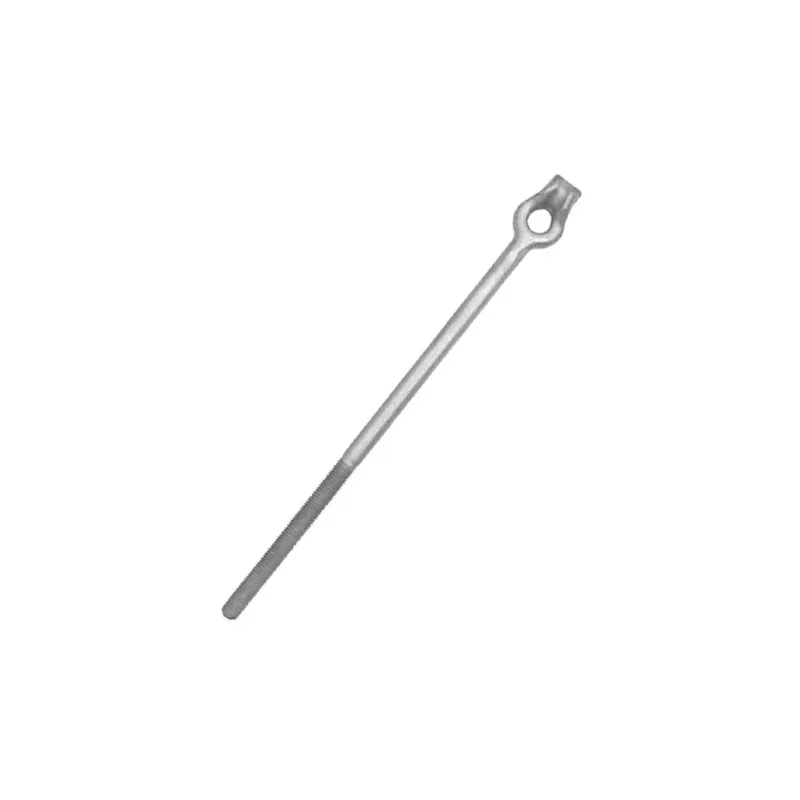
Forked ties
Product Description: Tiger Head Grip Rod is a widely used tensioning tool, named for...