
+86-15613040666



Products
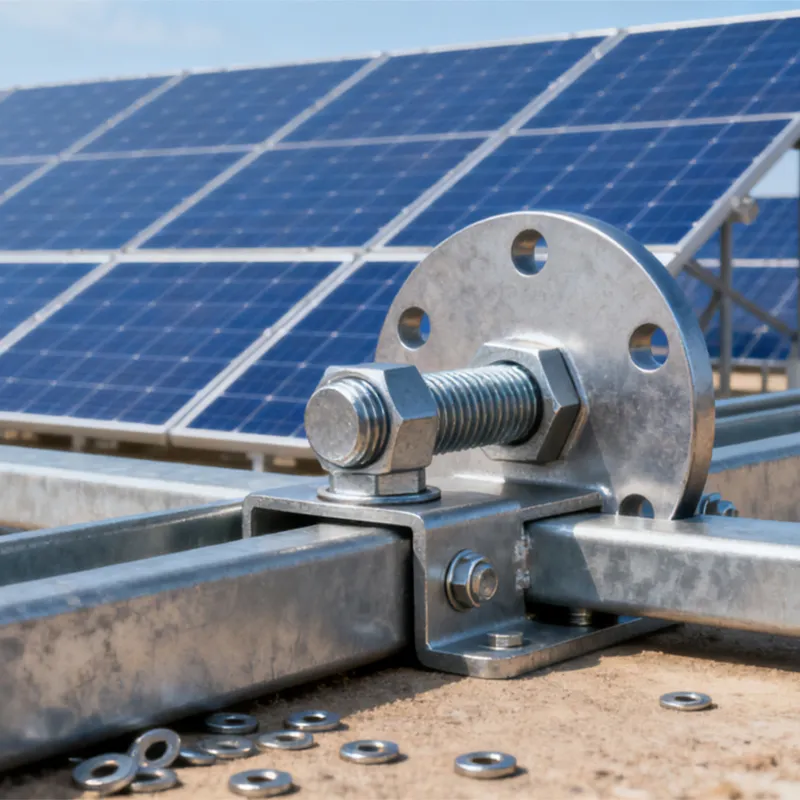
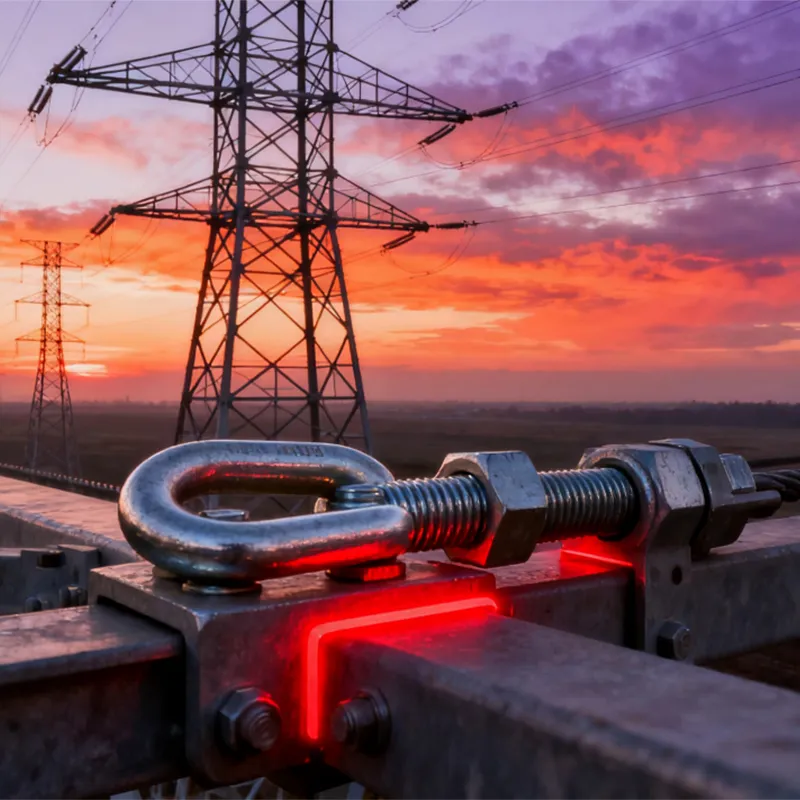
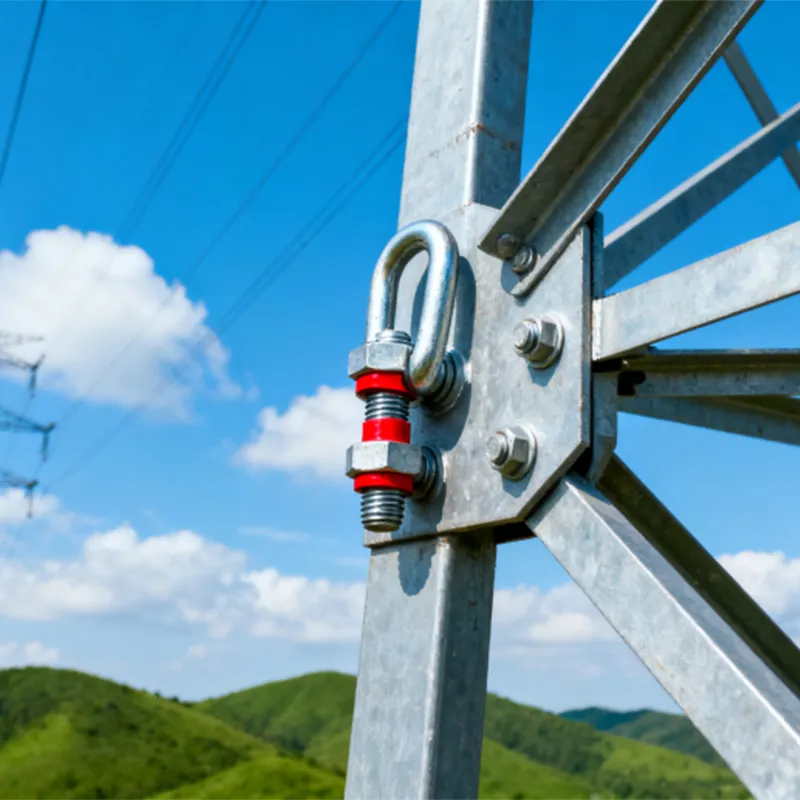
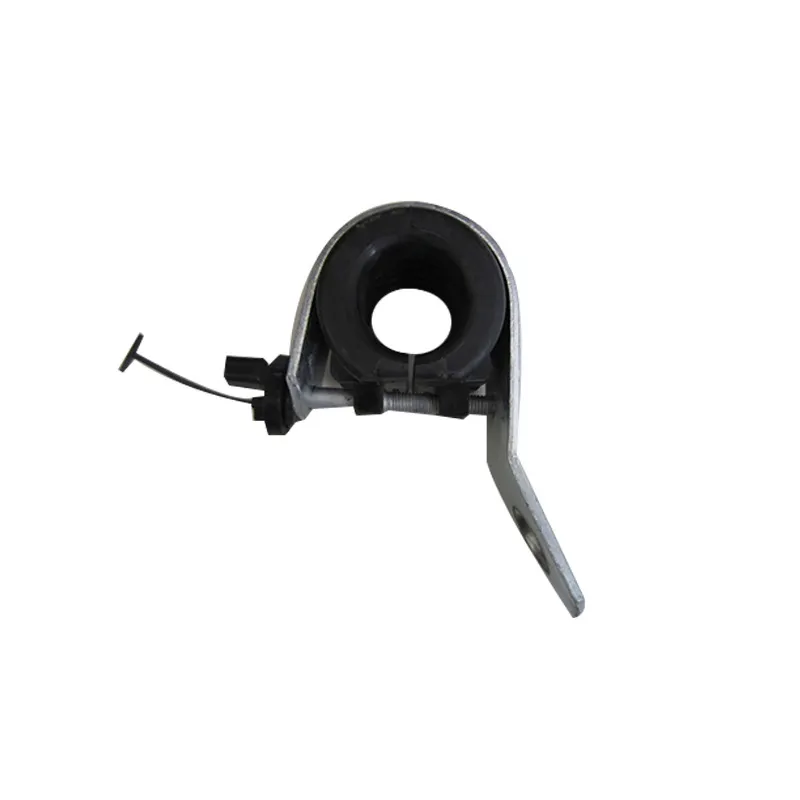
Tallers
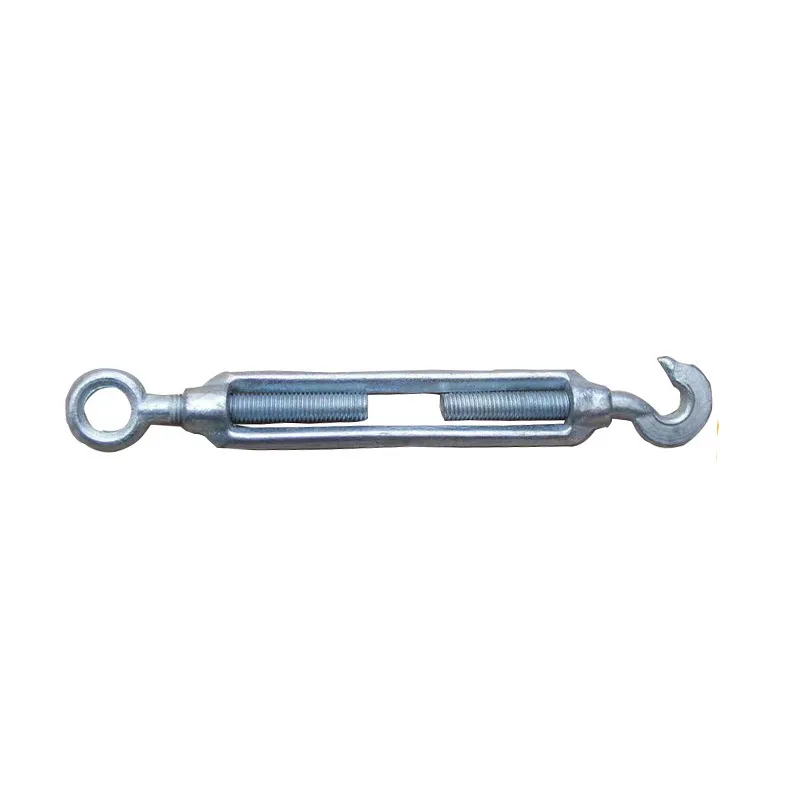
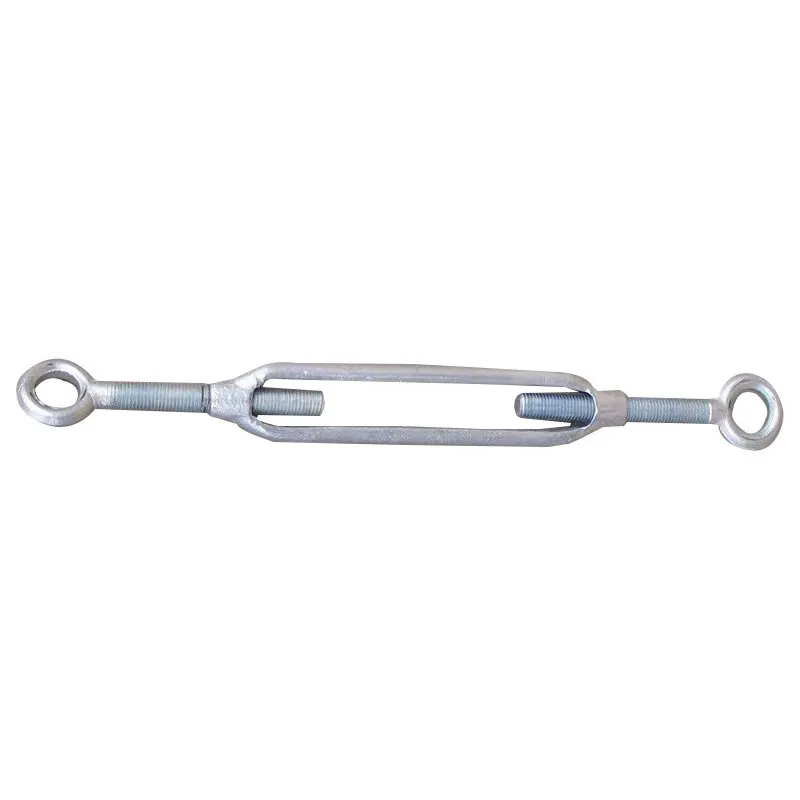
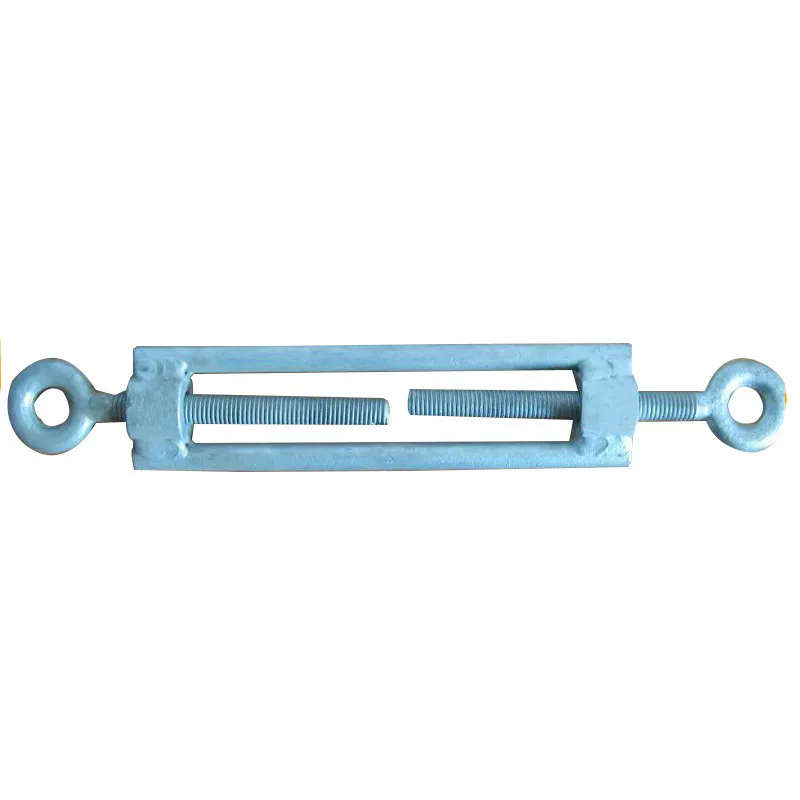
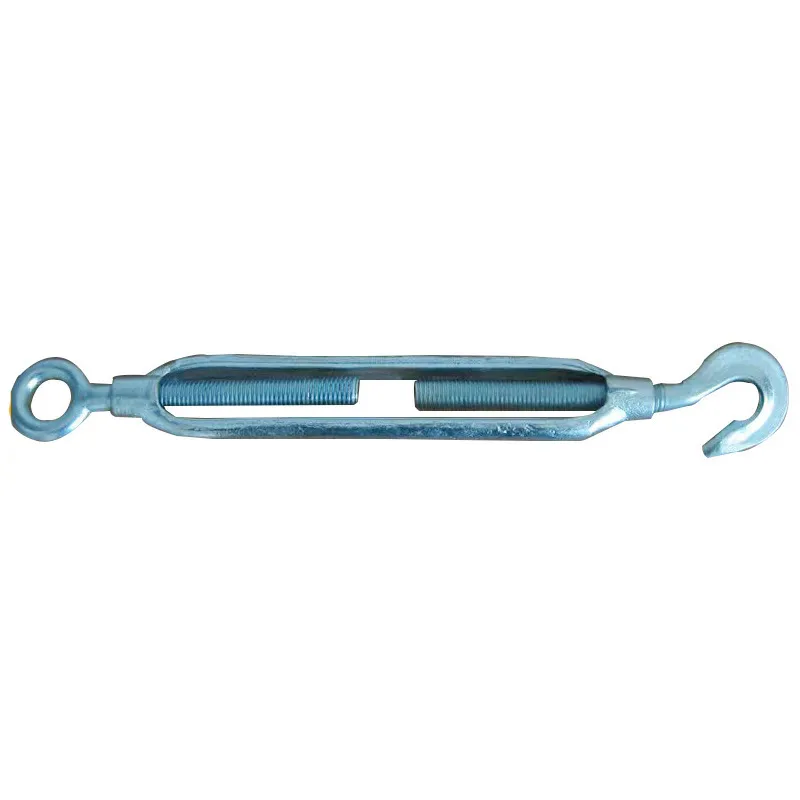
Product Description: Turnbuckles (also known as bolt turnbuckles or tensioners) are adjustable-length connecting elements. Their main mechanism extends or retracts the bolts at both ends by rotating the central nut, which is used to tension cables, ropes, or adjust the distance between com...
Description
marker
Product Description:
Turnbuckles (also known as bolt turnbuckles or tensioners) are adjustable-length connecting elements. Their main mechanism extends or retracts the bolts at both ends by rotating the central nut, which is used to tension cables, ropes, or adjust the distance between components. They are widely used in construction, transportation, and maritime navigation.
Main Structure and Operating Principle:
The structure of the turnbuckle is based on "bidirectional adjustment", which allows flexible changes to the overall length through simple operation and stable force transmission.
Main Structure
It consists of three parts:
- The central component is an "adjusting nut" with internal threads (usually hexagonal or round with anti-slip grooves).
- It connects to a "left threaded rod" at one end and a "right threaded rod" at the other.
- The ends of the rods are typically equipped with hooks, rings, or forks for attaching cables or components.
Operating Principle
- The internal threads of opposite directions are processed inside the adjusting nut, connecting to the corresponding bolts at both ends.
- Rotating the adjusting nut clockwise pulls both bolts into the nut, reducing the overall length to tension cables or decrease the distance between components.
- Rotating the adjusting nut counterclockwise extends the two bolts outward, increasing the overall length to loosen cables or increase the distance.
- Quick adjustment can be achieved by rotating the nut without disassembling other components, making it suitable for dynamic loads.
Materials and Surface Treatment:
The choice of materials and surface treatment depends primarily on the corrosive activity of the working environment, load requirements, and whether the fitting will be exposed to external conditions.


contact us
Related popular products
Eye nuts
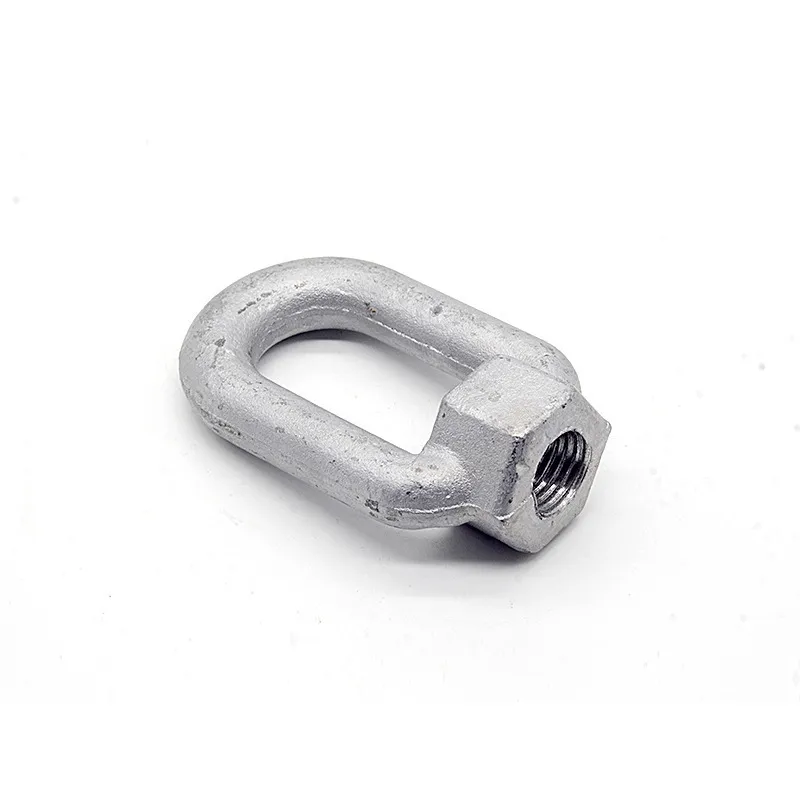
Product Description: An eye nut is a special nut with a ring-shaped structure. Its ma...
Hexagon socket head cap screws
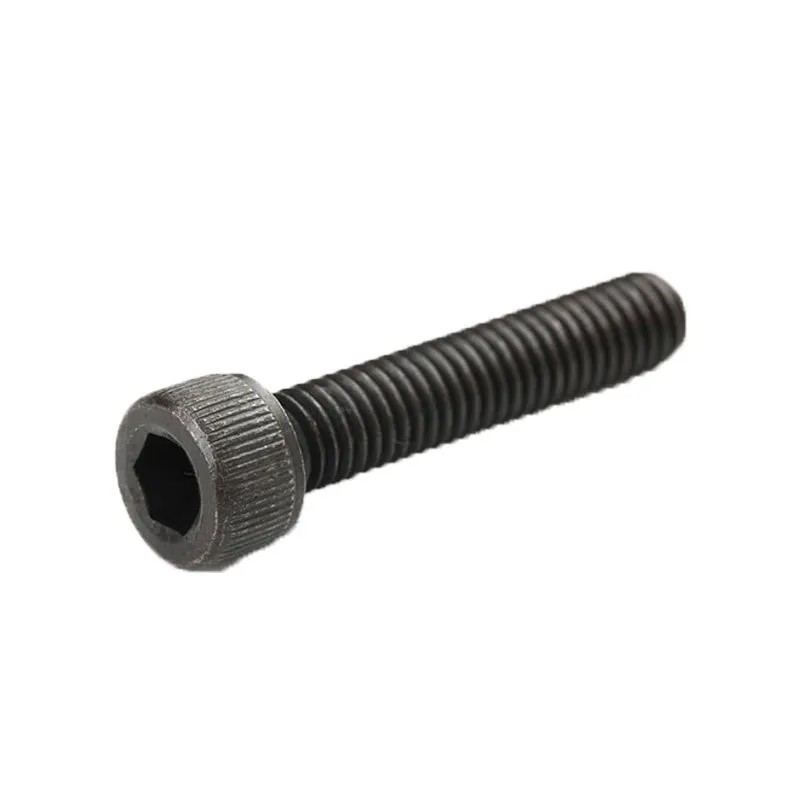
Product description: Socket head cap screws are fasteners with a cylindrical head and...
Double-ended bolts
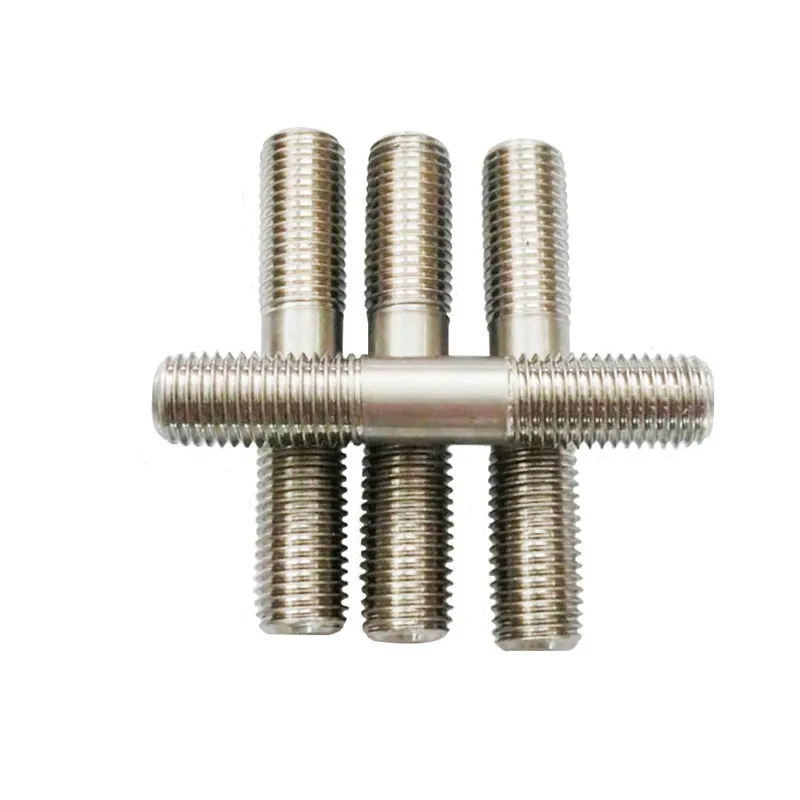
Product description: Double-ended bolts are fasteners with external threads on both e...
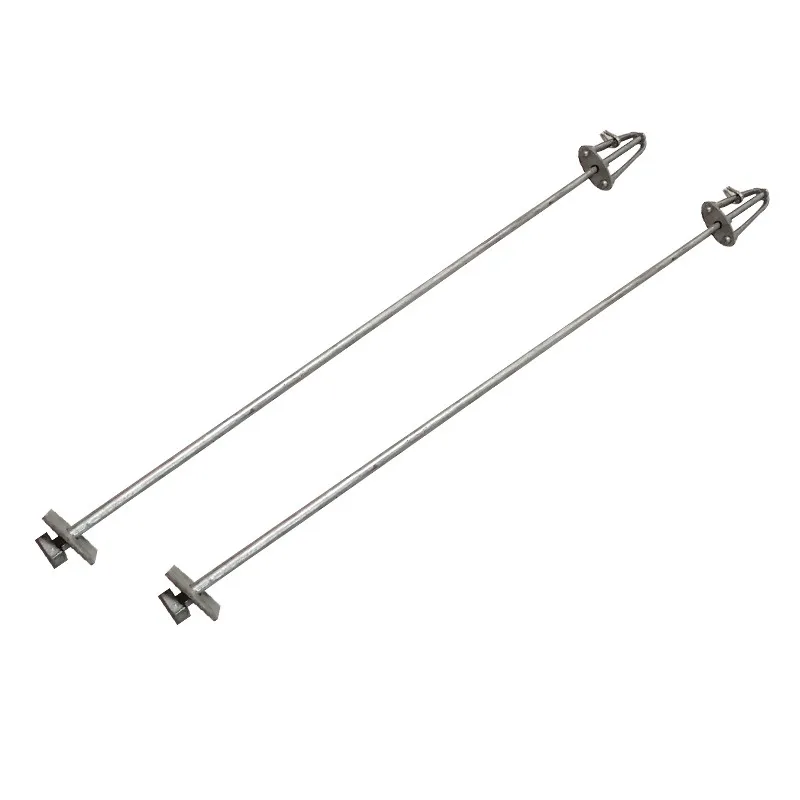
Arched rods
Product Description: The "butterfly-type cable tie" is a fastener with a special shap...
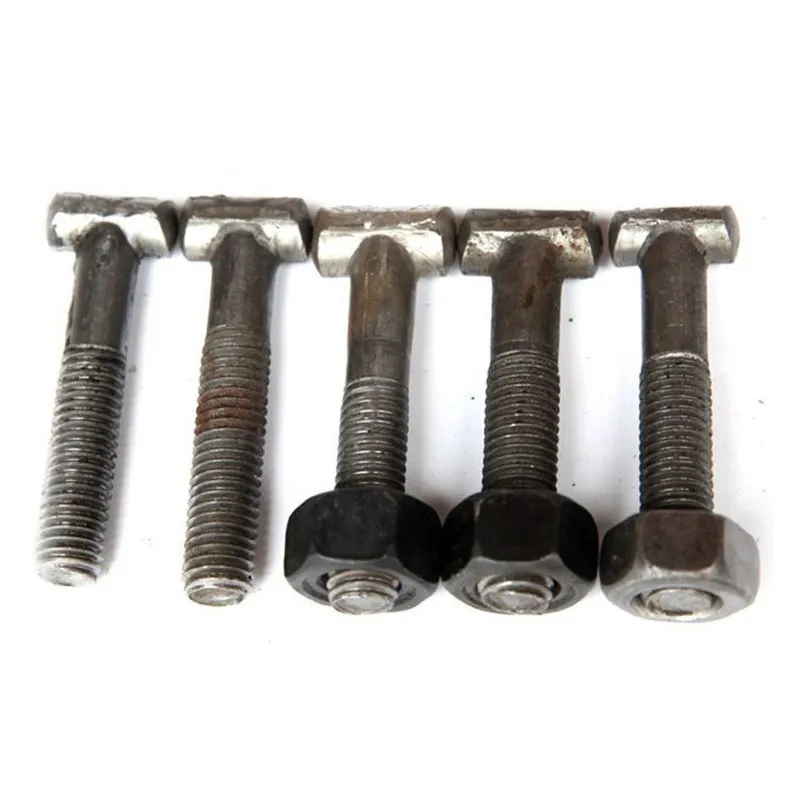
T-bolts
Product Description: T-bolts (also known as T-shaped bolts) are specialized fasteners...
Stainless steel insulator, lead head, steel base
Product Description: The lead head and steel base of the stainless steel insulator a...
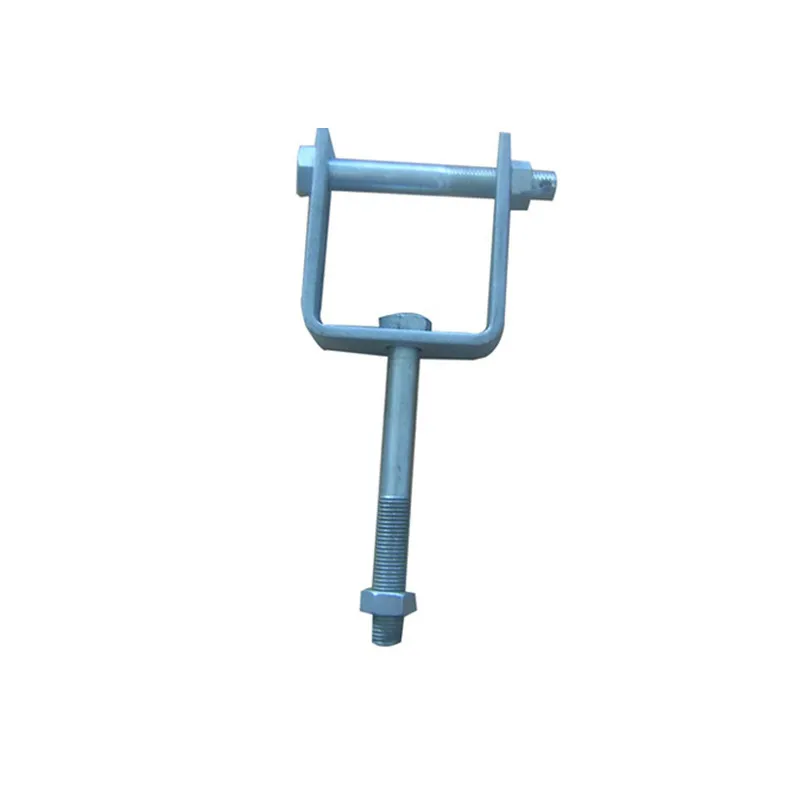
D-shaped brackets
Product Description: Iron D-type brackets are composite metal components that combin...
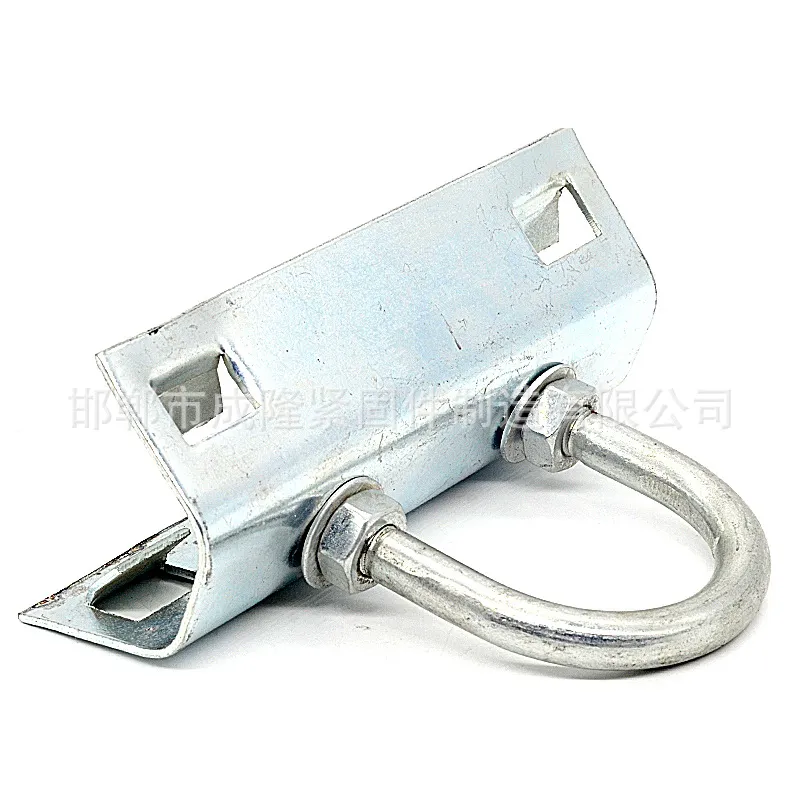
Optical Cable Suspension Clamps
Product Description: Optical cable suspension clamps serve as core fastening componen...
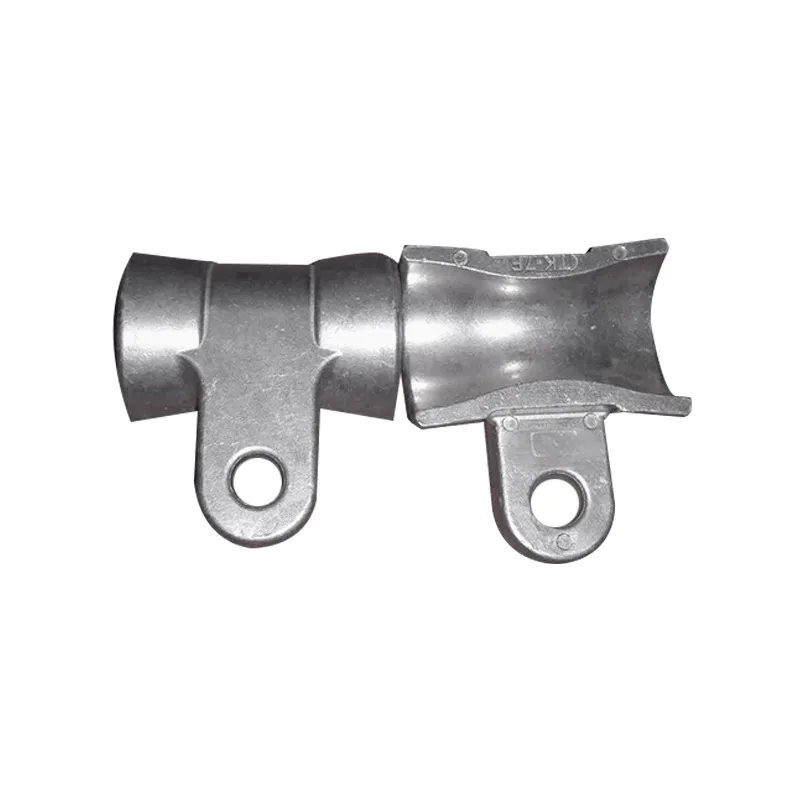
XJG Suspension Clamps
Product Description: XJG suspension clamps are metal fittings used for suspending ins...
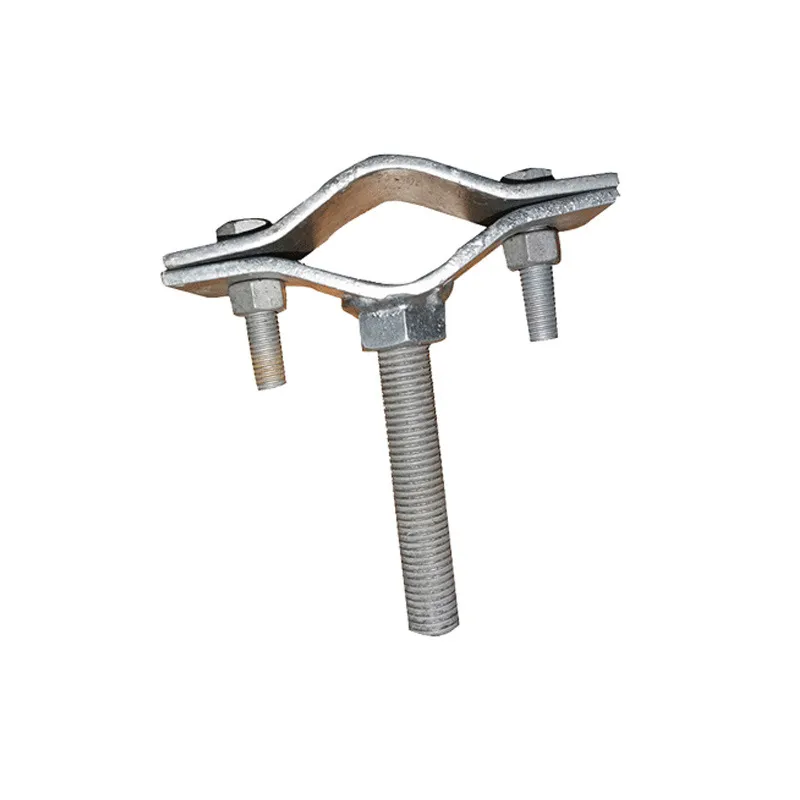
Crossarm braces
Product Description: Crossarm clamps are primary fastening components used to connec...
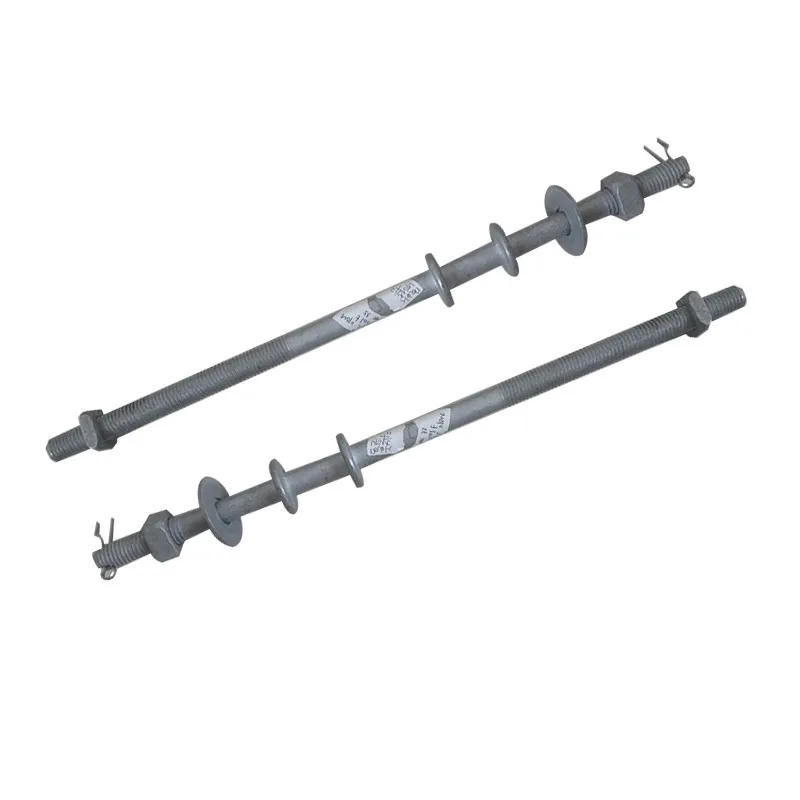
Straight Steel Insulator Legs
Product Description Straight Steel Brackets for Insulators Straight steel brackets fo...
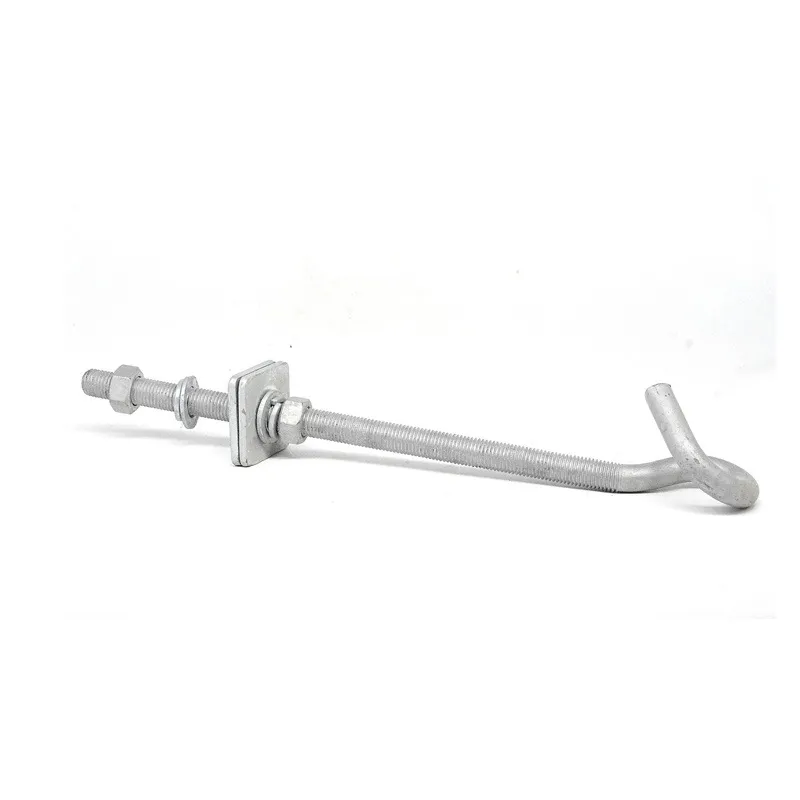
“Pig Tail” Screws
Product Description Pig-Tail Bolts A pig-tail bolt is a fastener with a special shape...
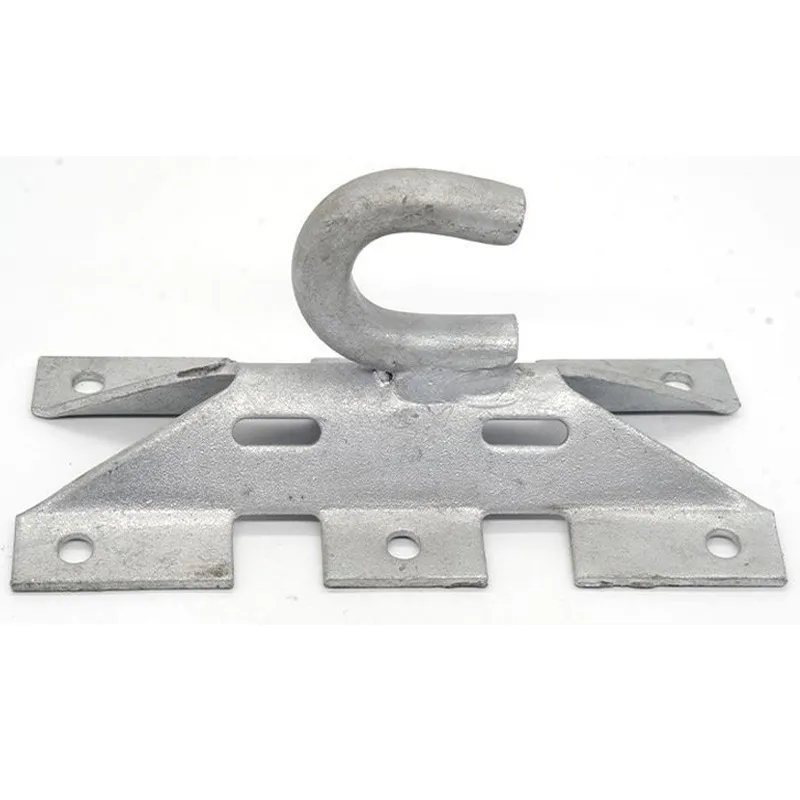
Wall hooks
Product Description: Wall hooks are essential storage and mounting devices used in h...
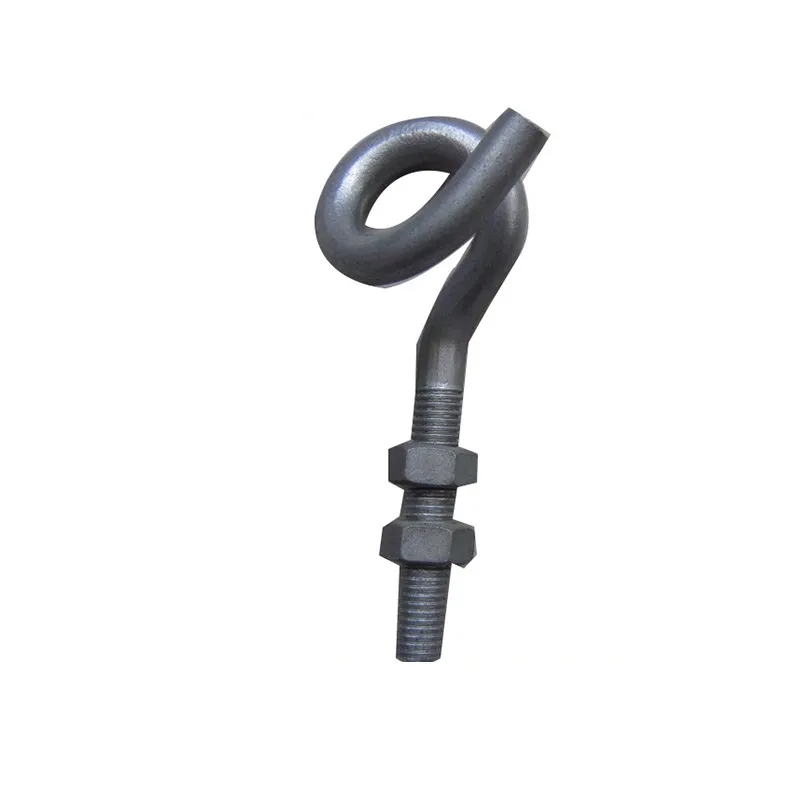
Support Hooks
Описание продукта: Крюки для электрических столбов — это специальные крепления, испол...
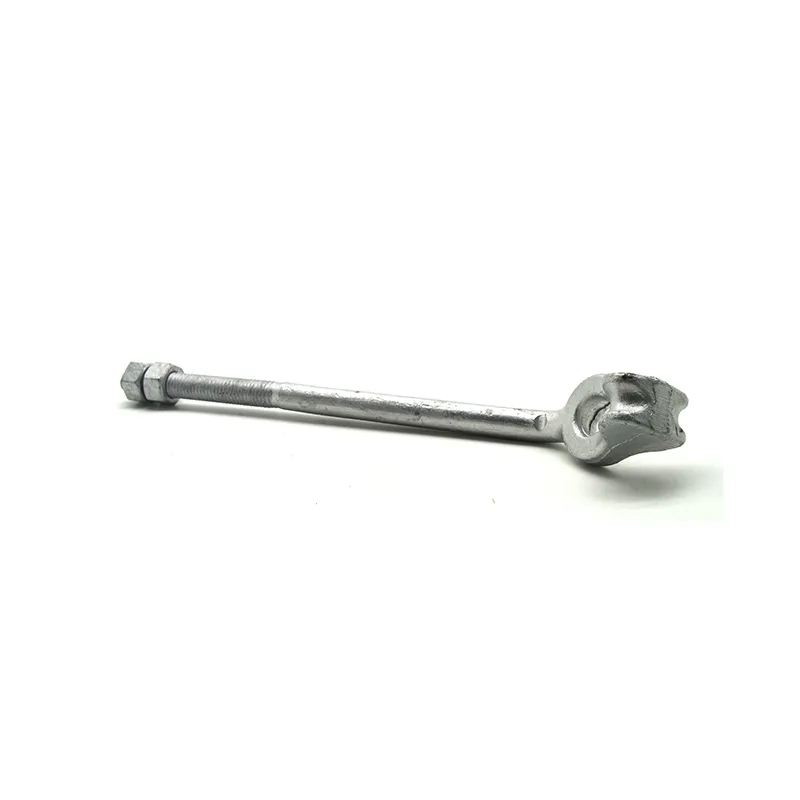
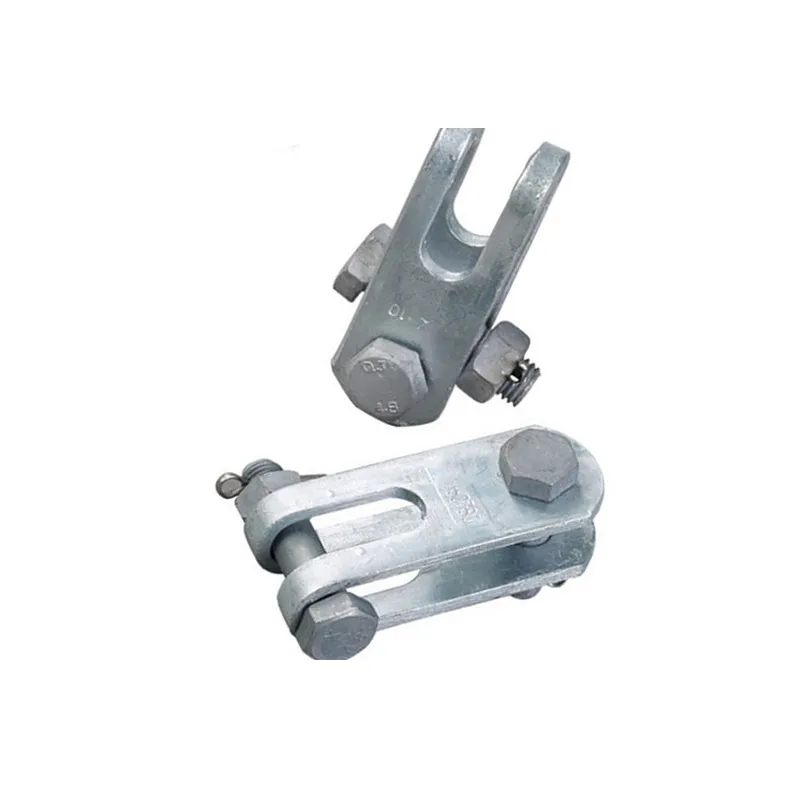
ZBD planks
Product Description: ZBD suspension bracket is a connecting fitting in electrical ins...