
+86-15613040666



Products
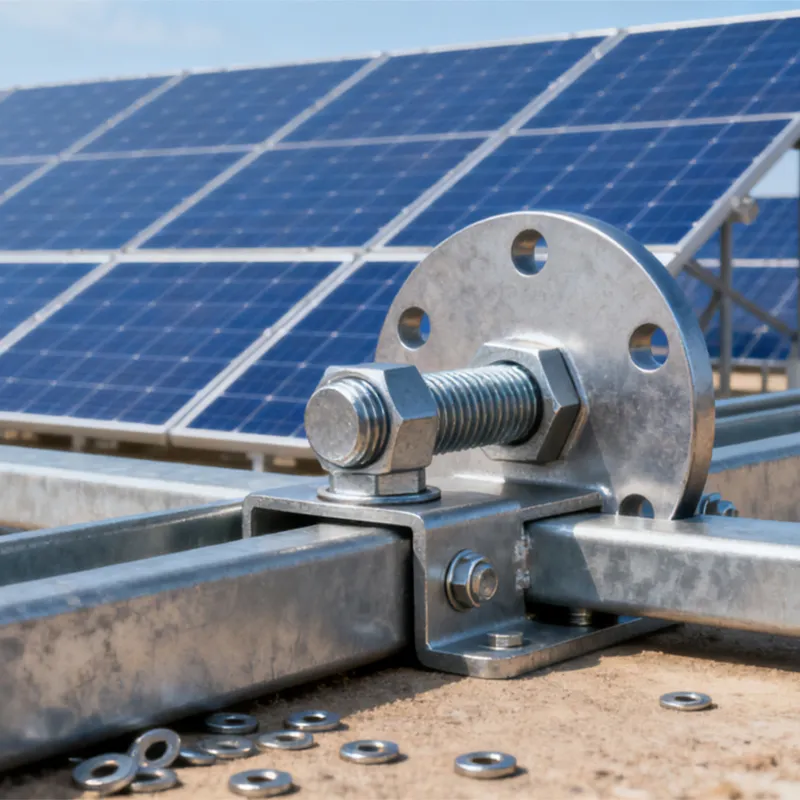
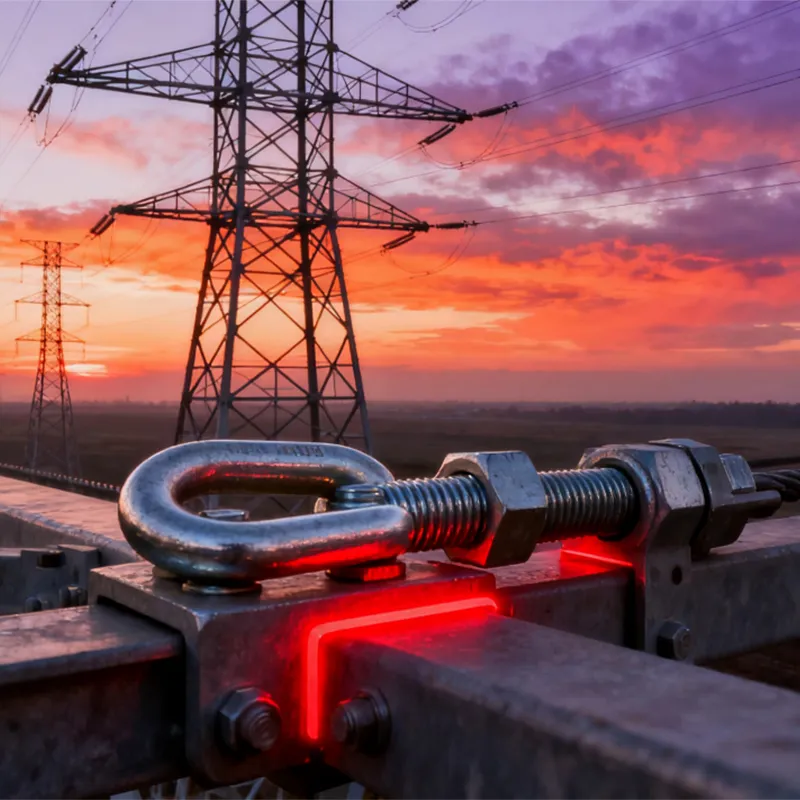
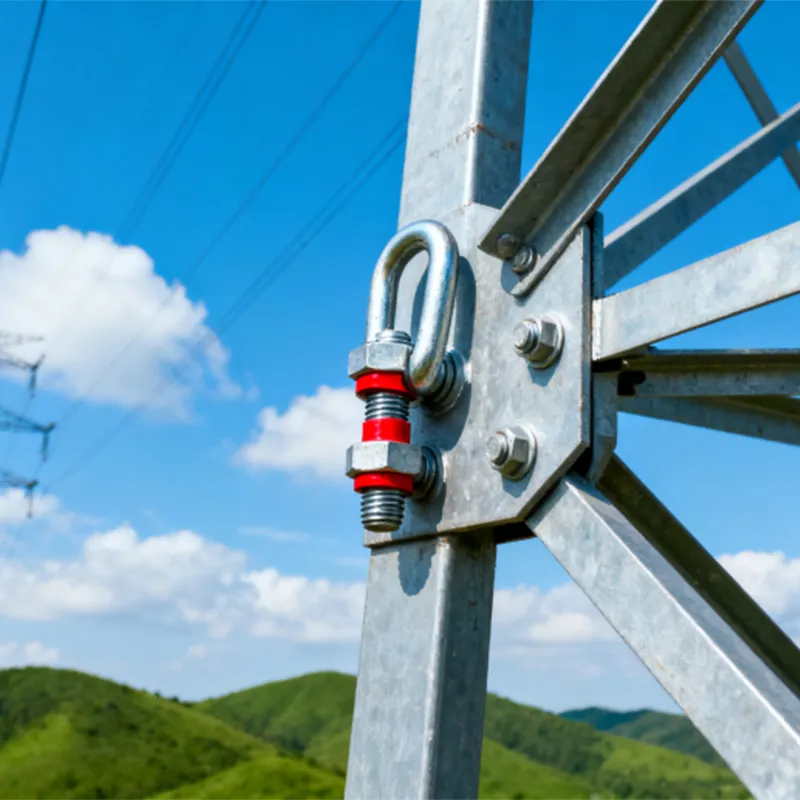
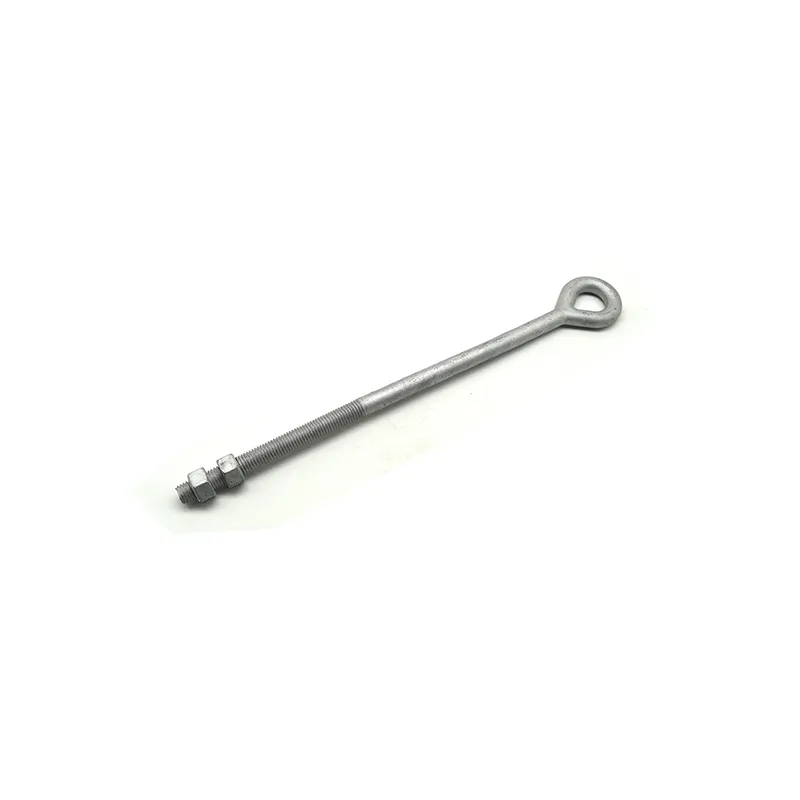
U-shaped hanging rings
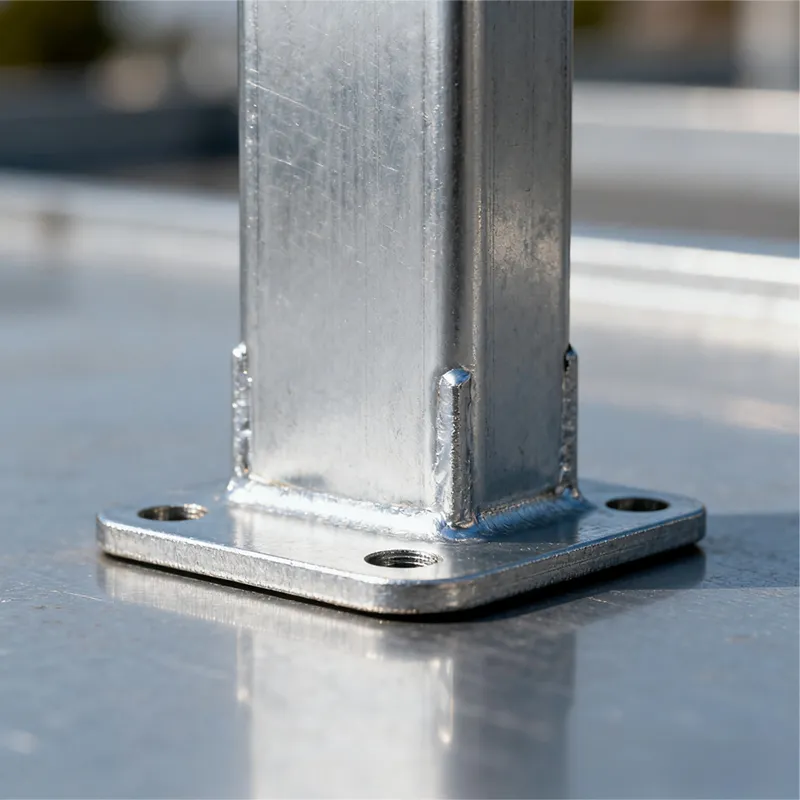
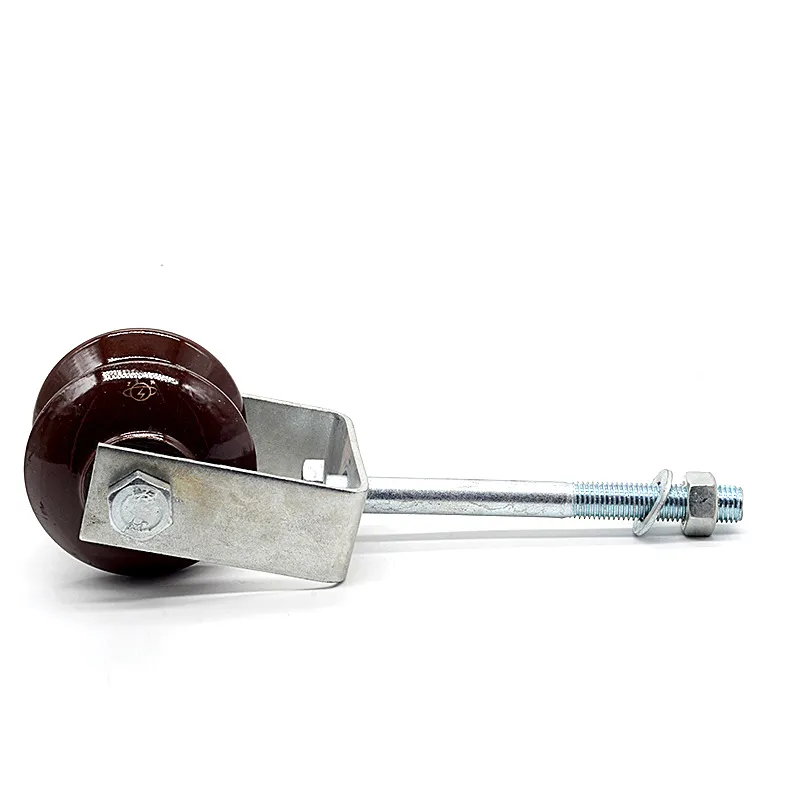
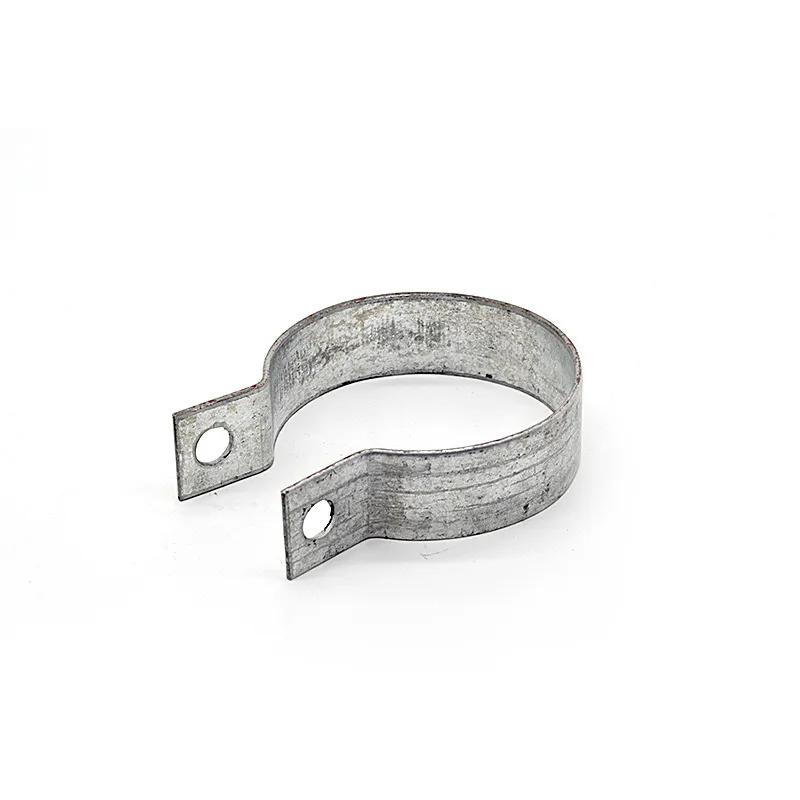
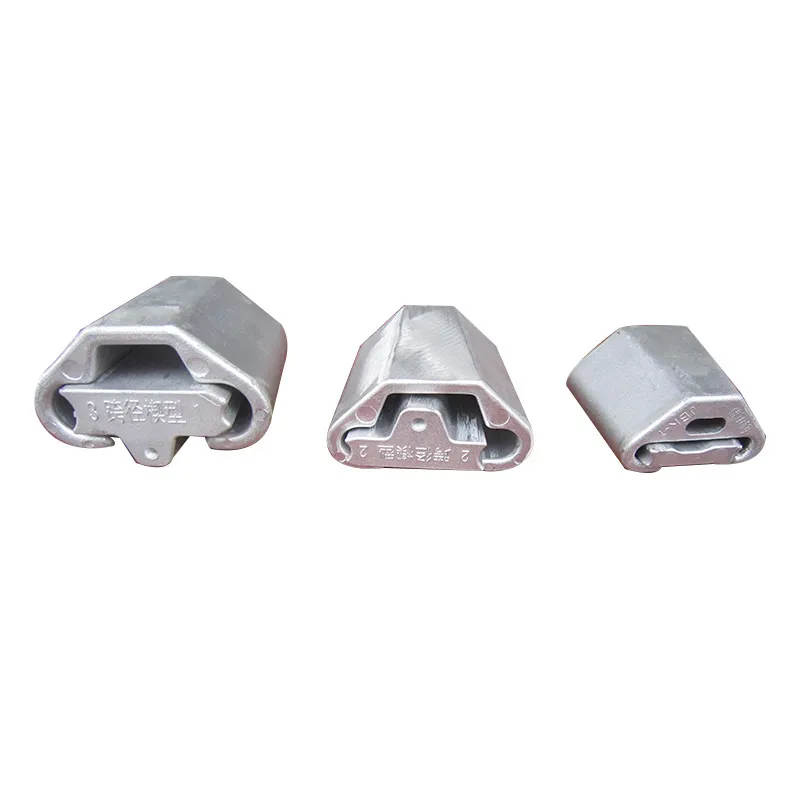
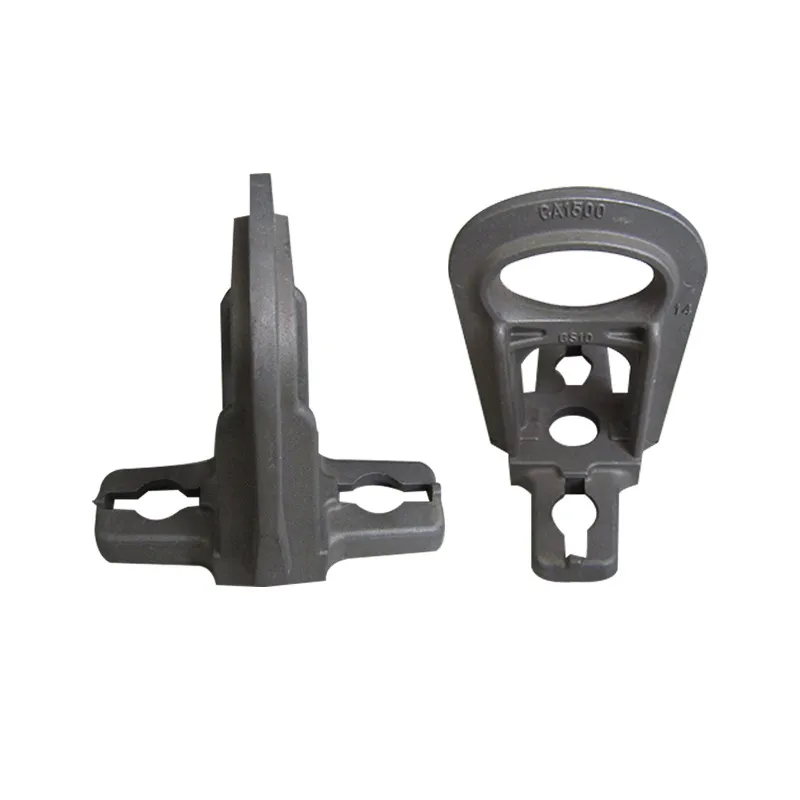
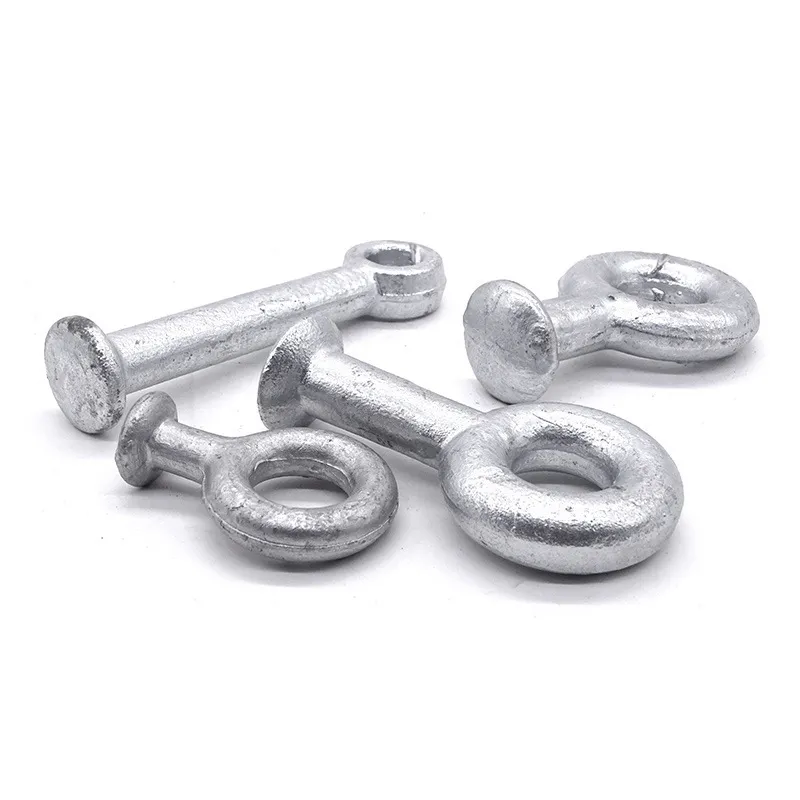
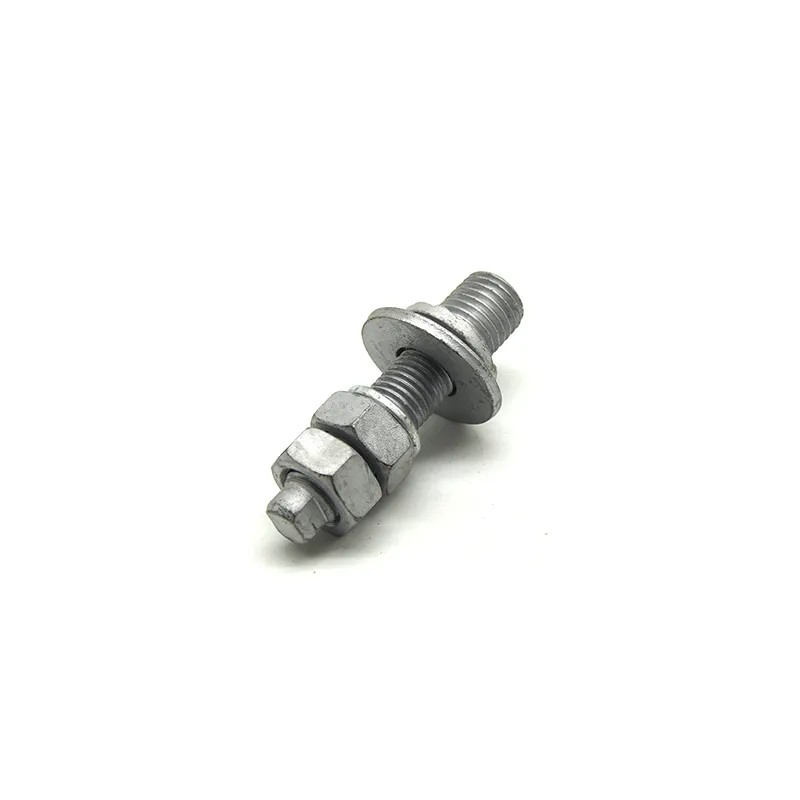
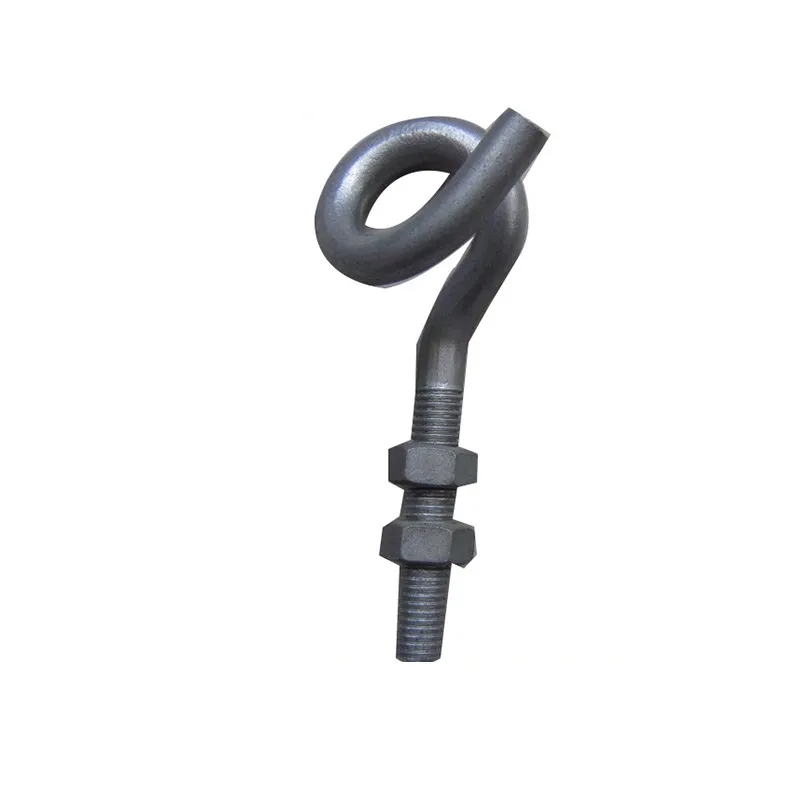
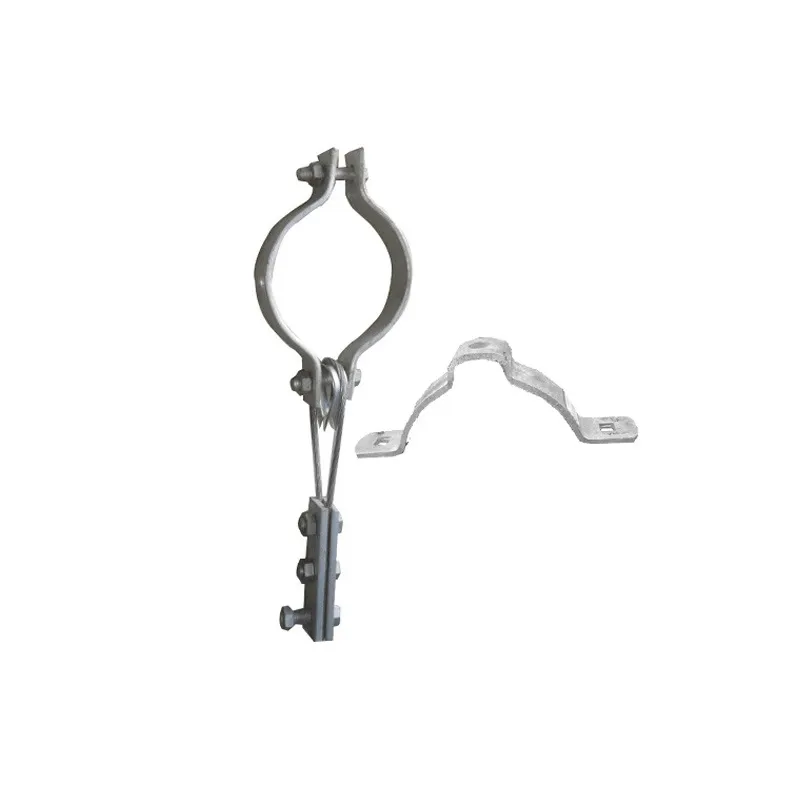
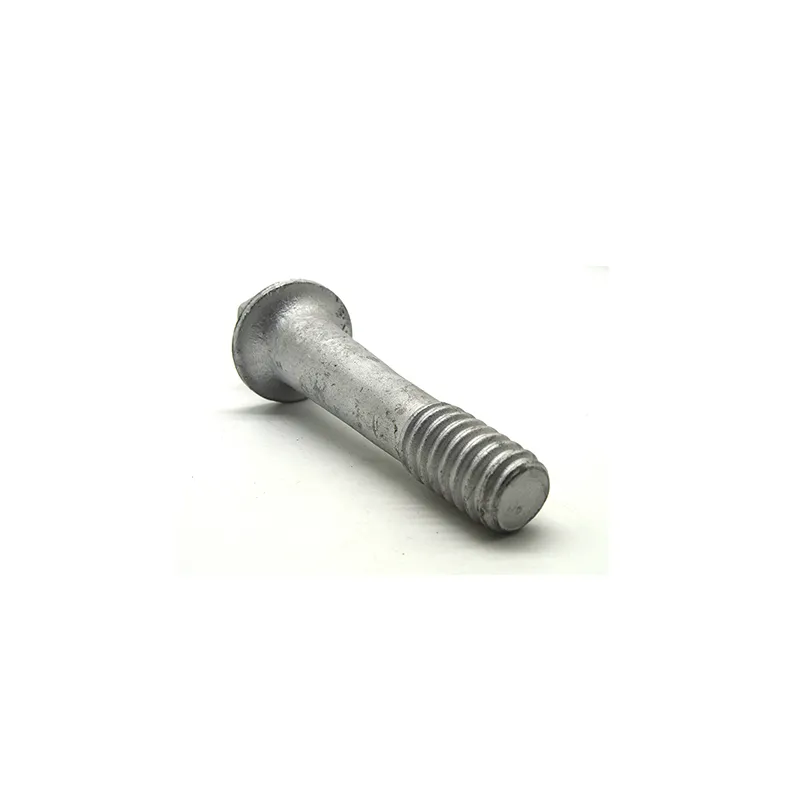
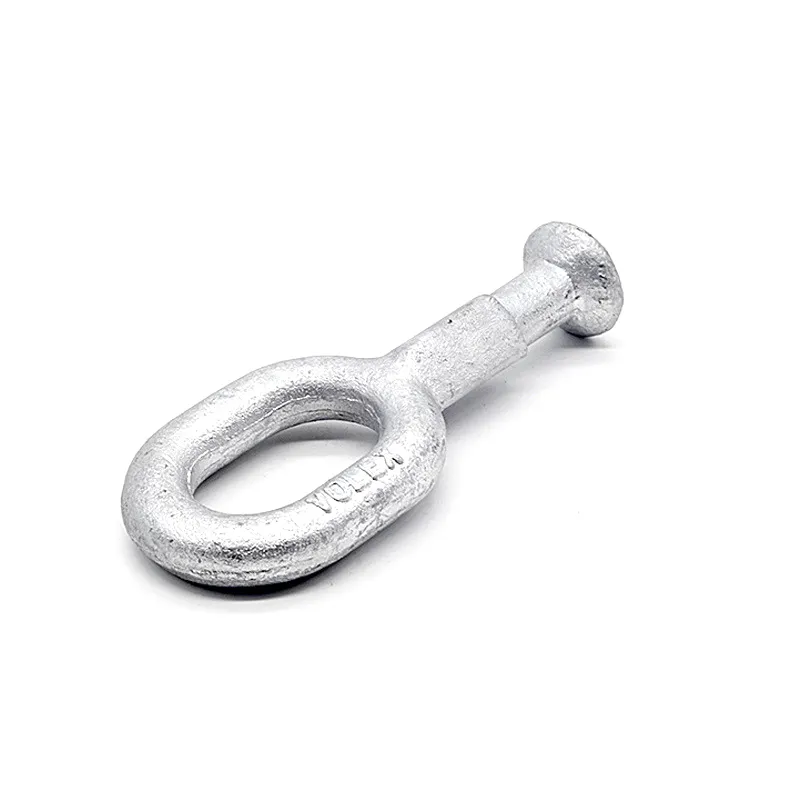
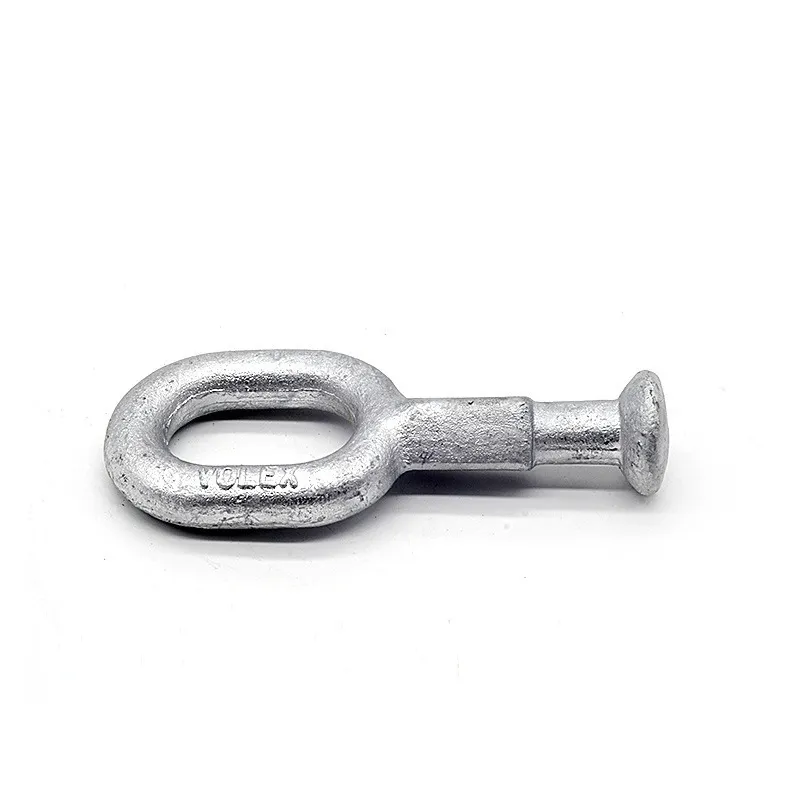
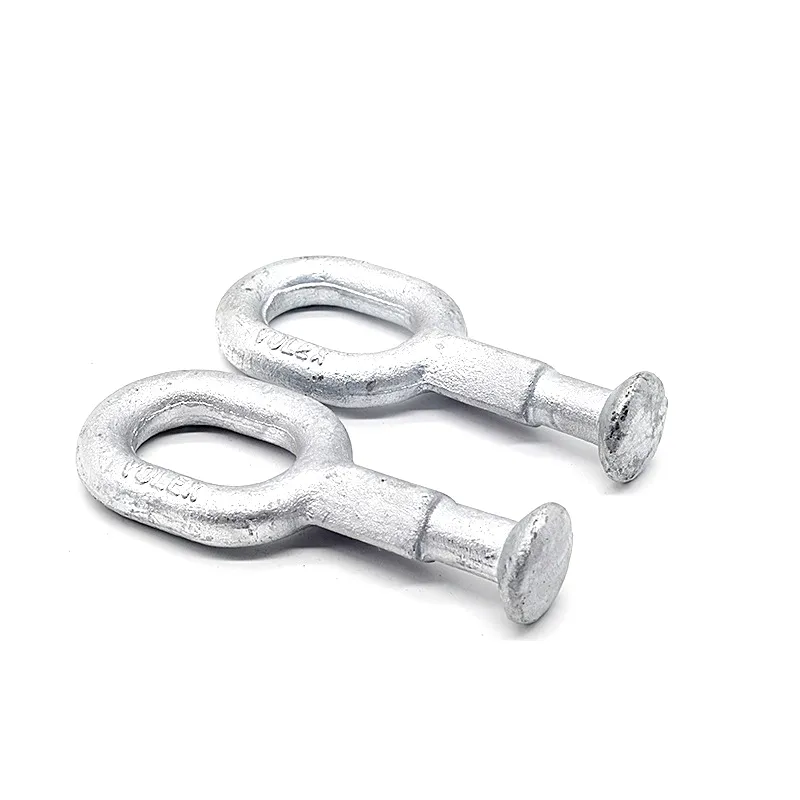
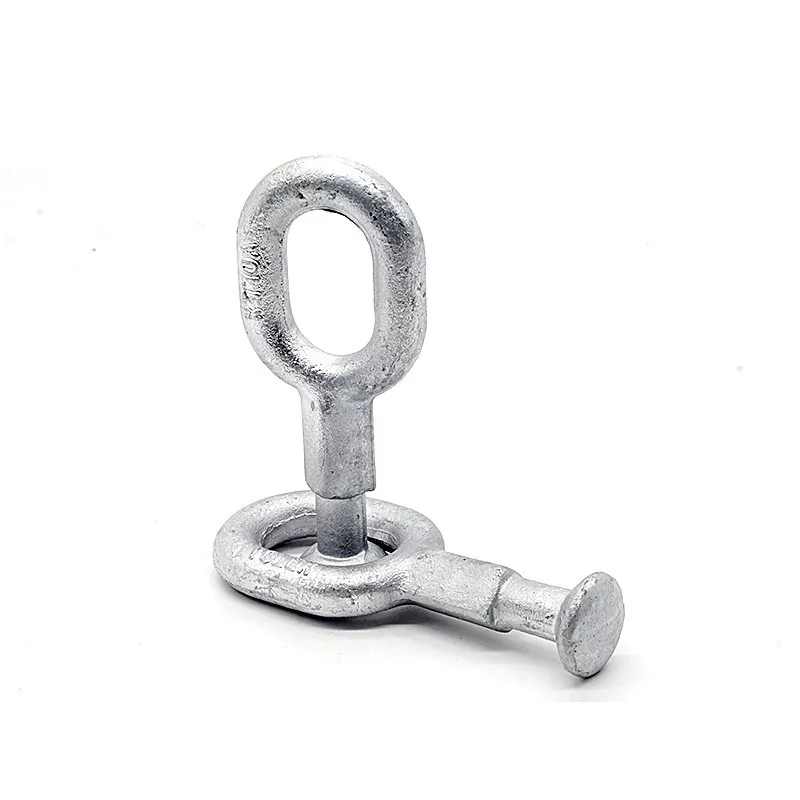
Product Description: U-shaped lifting rings are fasteners with a U-shaped opening at the top and connecting structures such as threaded holes or bolts at the bottom. They are mainly used to connect hooks, slings, and hanging components, facilitating the lifting of heavy objects and the sus...
Description
marker
Product Description:
U-shaped lifting rings are fasteners with a U-shaped opening at the top and connecting structures such as threaded holes or bolts at the bottom. They are mainly used to connect hooks, slings, and hanging components, facilitating the lifting of heavy objects and the suspension of equipment. These rings are widely applied in industrial lifting operations, construction installations, and mechanical maintenance.
Do you need me to add **detailed structural features or material specifications** for this product description to make it more comprehensive for technical documentation?
Main Structure and Design Features:
The structure of the U-bolt is designed with "safe load transmission" and "convenient connection" in mind, requiring adaptation to various loads and installation methods.
Main Structure
Consists of two parts:
- The upper part is a U-shaped ring body (a load-bearing component with an open design for inserting hooks, brackets, or slings).
- The lower part is a connecting end (attached to the load, usually featuring an internally threaded "base" or an externally threaded "bolt").
Key Design Features
- The U-shaped body is mainly forged from a single piece (e.g., 45# steel or 35CrMo steel), eliminating welded joints. This avoids welding-induced weak points, ensures uniform force distribution during lifting, and prevents damage.
- The inner surface has a rounded transition (typically with a radius ≥ 1.2 times the diameter of the bracket), reducing wear from friction between the sling and the bracket, preventing stress concentration, and thereby improving fatigue resistance.
- The threads of the connecting ends have high precision (usually class 6H/6g). Internally threaded bases must match the external threads of the workpiece, while externally threaded bolts must securely engage with the workpiece’s threaded holes to ensure a firm connection and prevent detachment during lifting.
- Some models are equipped with a "cotter pin hole." After inserting the hook into the U-shaped ring, a cotter pin is inserted to prevent accidental hook detachment, enhancing safety.
Material and Strength Class:
1. Main Materials
Light-duty applications (≤5 tons): Made of 45# carbon steel, undergo quenching and tempering heat treatment, achieving a tensile strength ≥600 MPa. Suitable for lifting light equipment (e.g., machine accessories, small molds).
Medium and heavy-duty loads (5–50 tons): Manufactured from alloy steel 35CrMo or 40CrNiMo. After heat treatment, the tensile strength is ≥800 MPa with excellent toughness. Suitable for lifting heavy equipment and large components (e.g., engines, steel structures).
Corrosion-resistant applications (e.g., marine, chemical environments): Use 304 or 316 stainless steel, or apply hot-dip galvanizing or Dacromet coating on the surface of alloy steel to protect against corrosion from seawater and acids/alkalis. Suitable for outdoor use and humid environments.
2. Performance Classes
Class M: Nominal tensile strength ≥400 MPa, suitable for light suspension structures (e.g., tool hanging in workshops).
Class S: Nominal tensile strength ≥600 MPa, suitable for lifting medium loads (e.g., components weighing 5-10 tons).
Class T: Nominal tensile strength ≥800 MPa, suitable for lifting heavy loads (e.g., equipment weighing 10-50 tons).


contact us
Related popular products
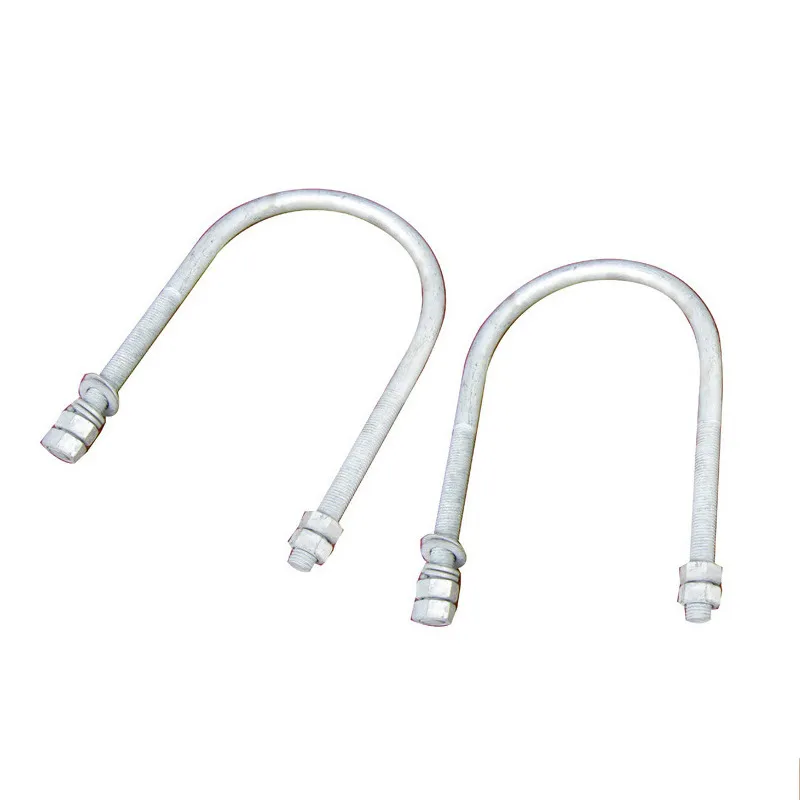
U-bolts
Product Description: U-bolts are fasteners shaped like the letter "U", mainly used to...
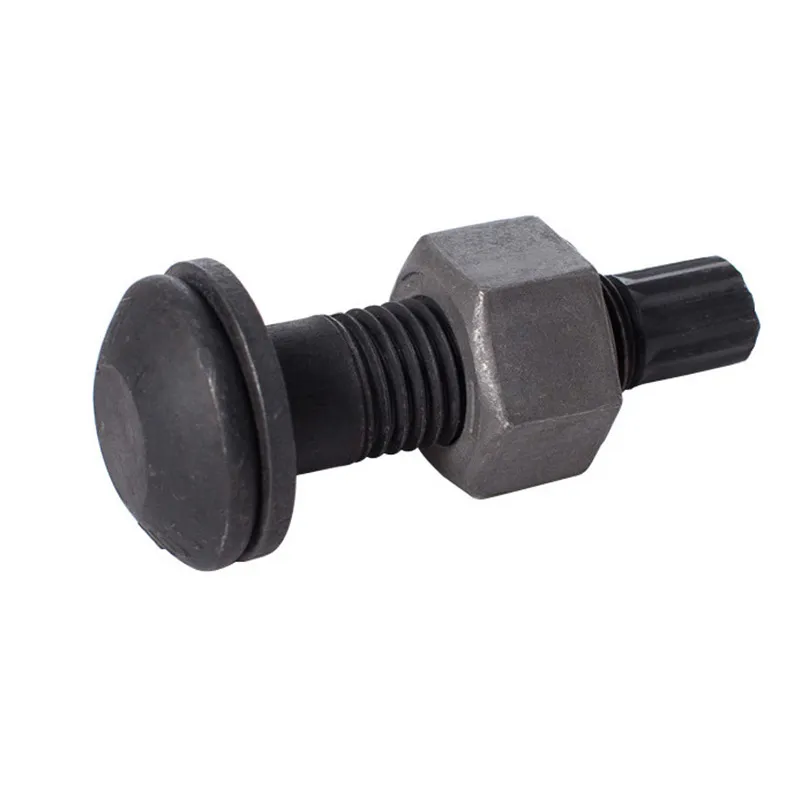
High-strength socket head bolts for steel structures
Product Description: High-strength structural shear bolts with tension control are hi...
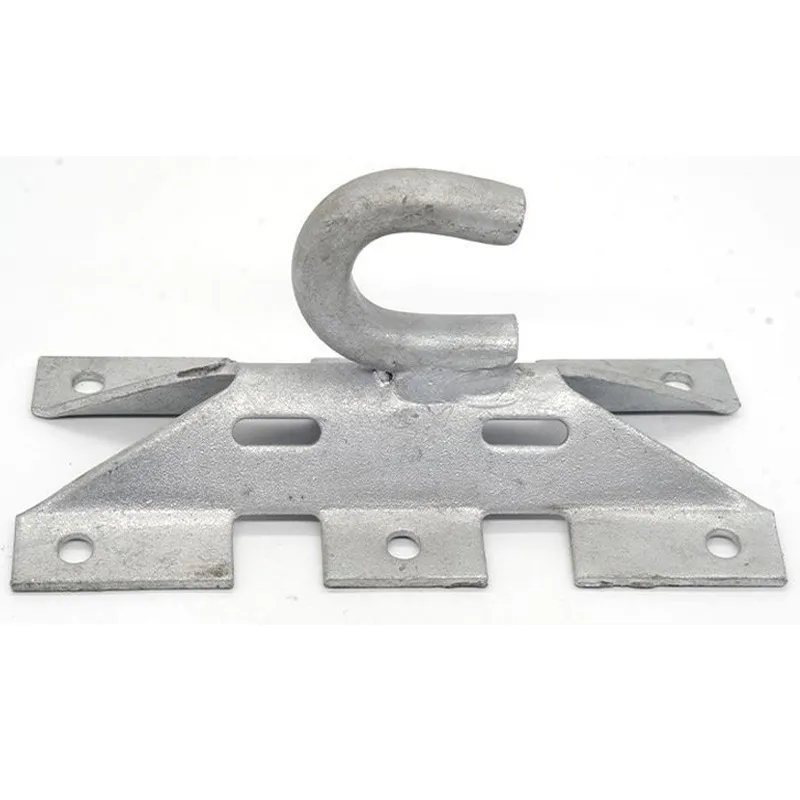
Wall hooks
Product Description: Wall hooks are essential storage and mounting devices used in h...
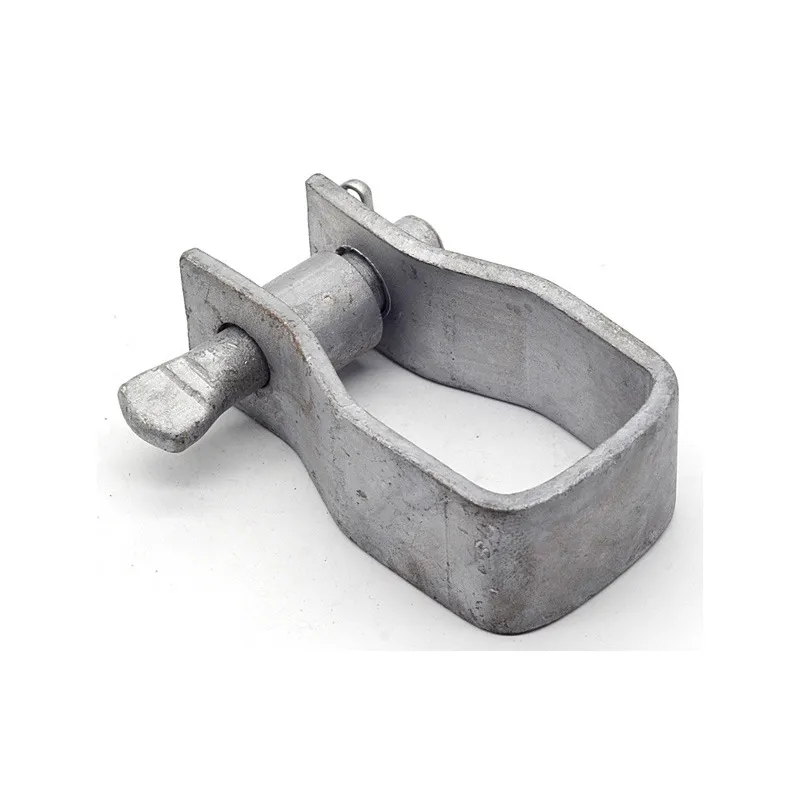
Planks
Product Description: Hanging plates are metal components used for connection, transit...
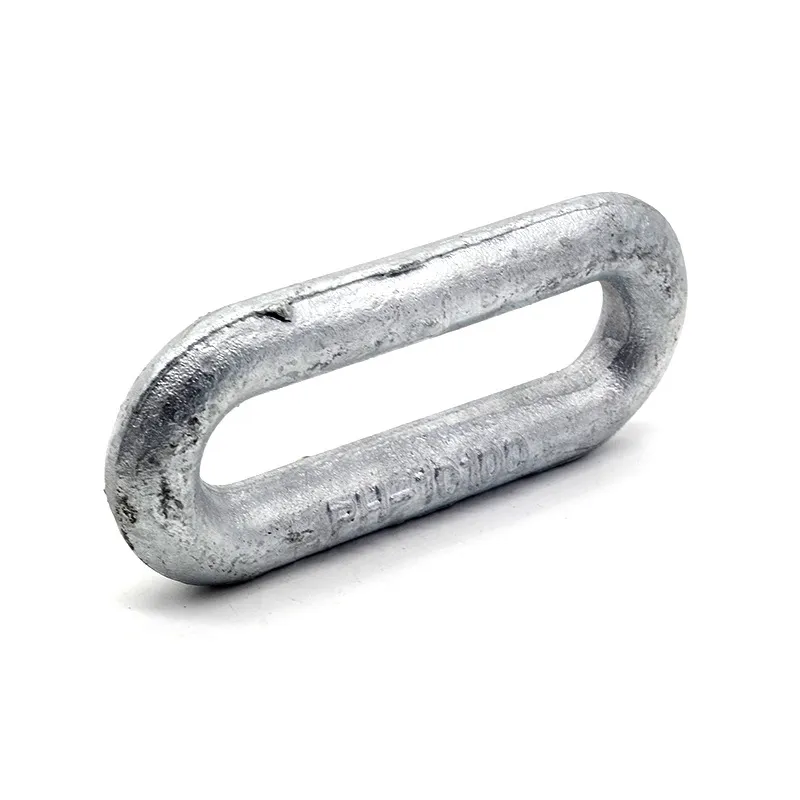
O-rings
Product Description: Product Description: Extension rings with sealing rings are a t...
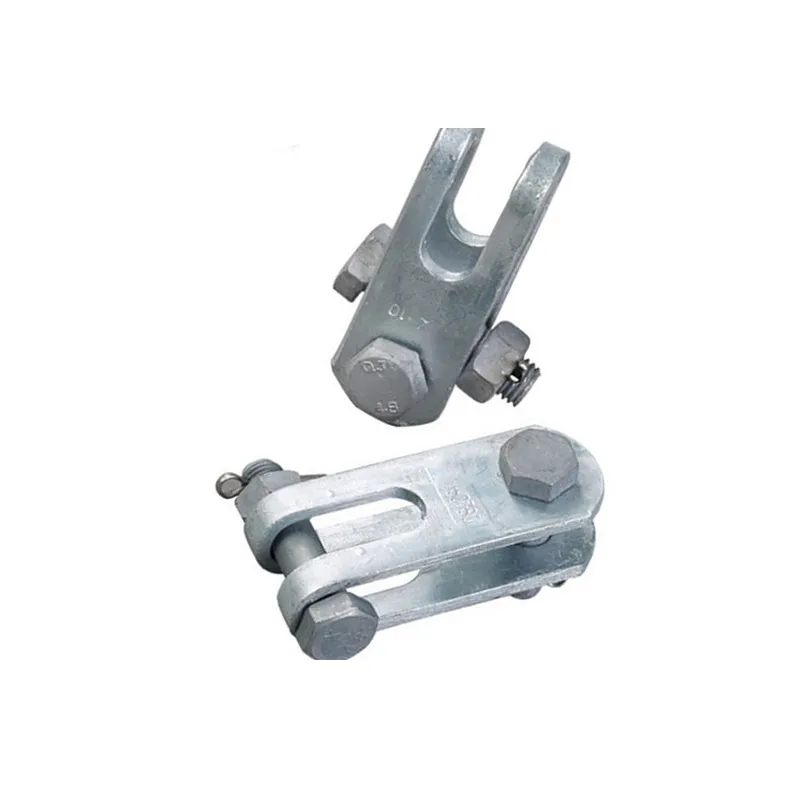
ZBD planks
Product Description: ZBD suspension bracket is a connecting fitting in electrical ins...
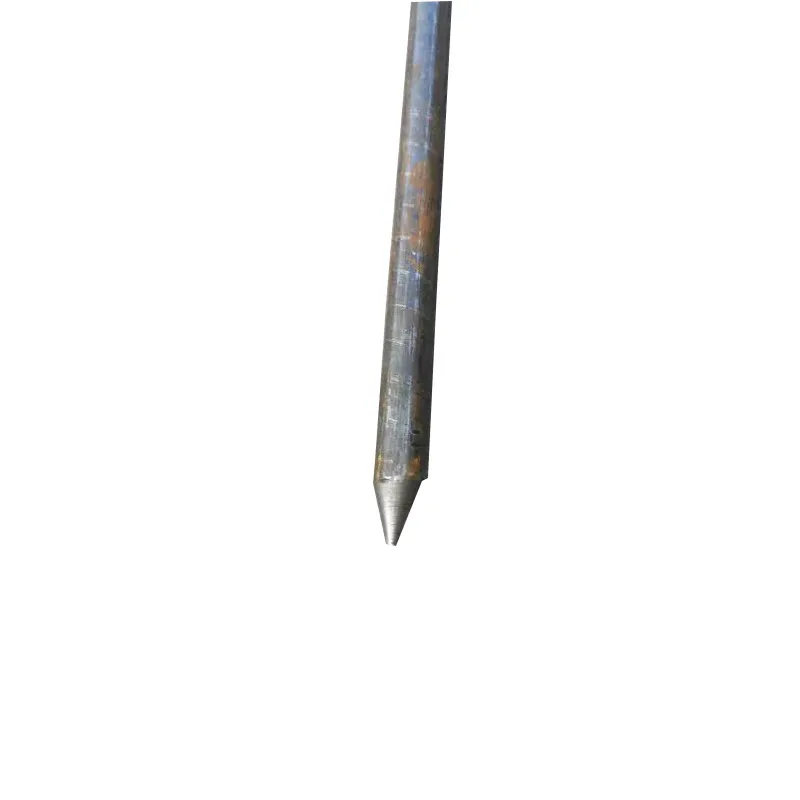
Galvanized steel ground rods
Product description: Galvanized steel ground rods serve as grounding materials for li...
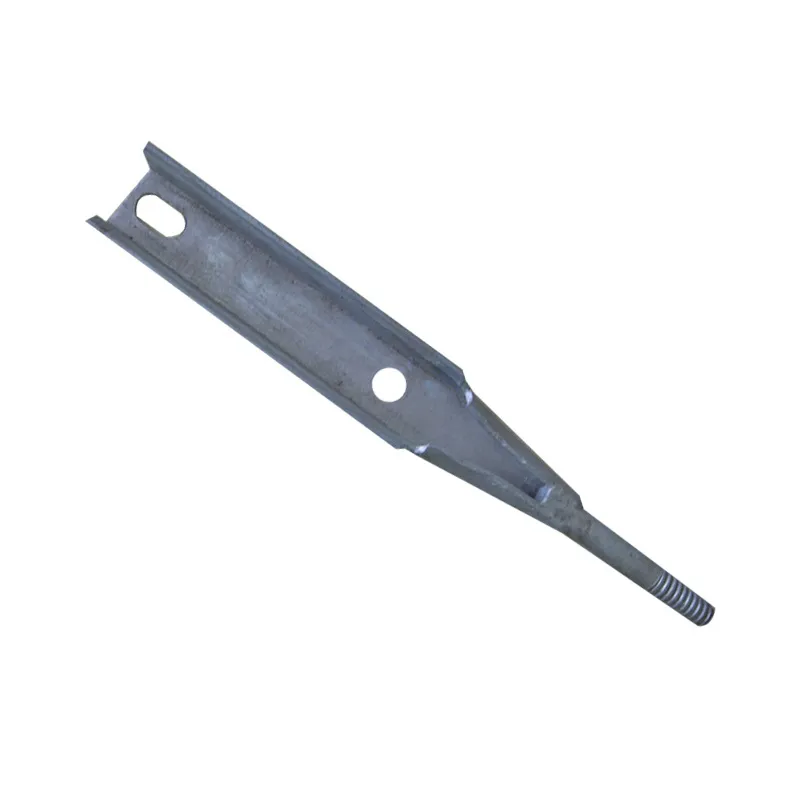
American Standard Steel Foot
Product Description: American steel toe caps typically refer to steel components for ...
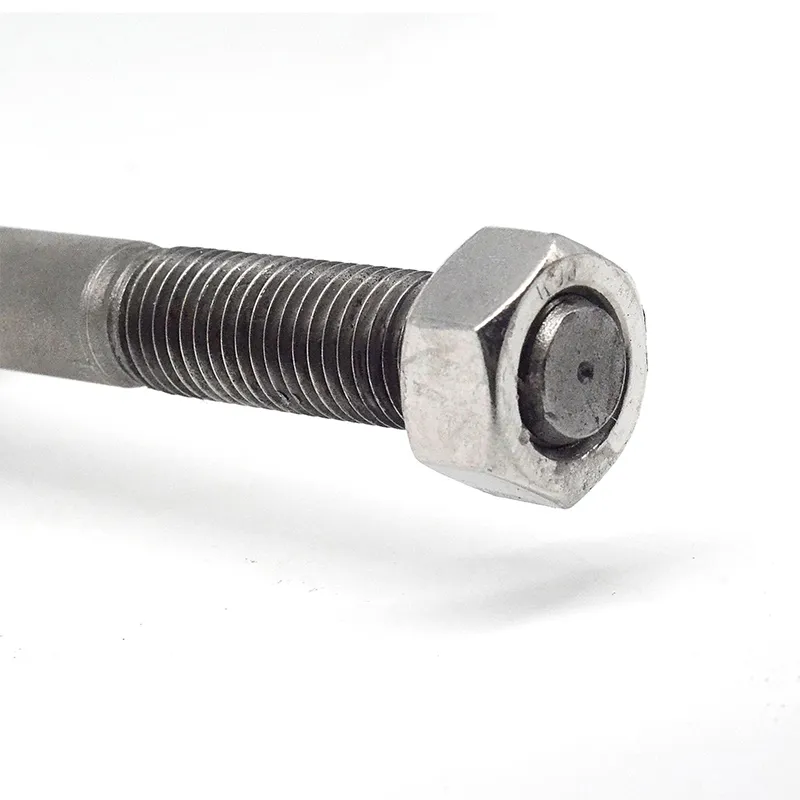
Stainless steel insulator, lead head, steel base
Product Description: The lead head and steel base of the stainless steel insulator a...
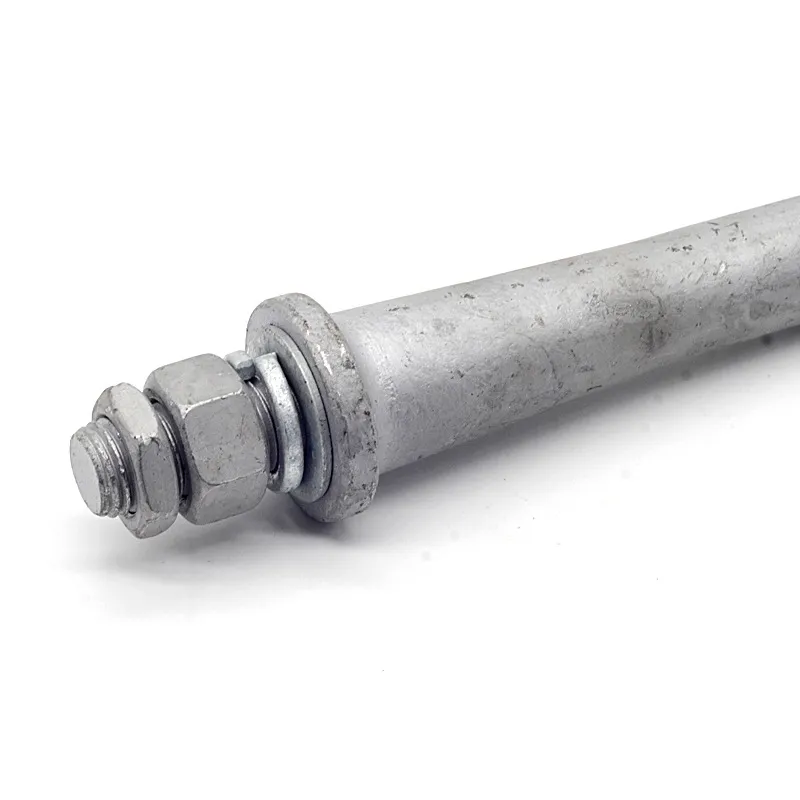
Insulator steel feet
Product Description: Insulator steel feet are an important component of insulators. B...
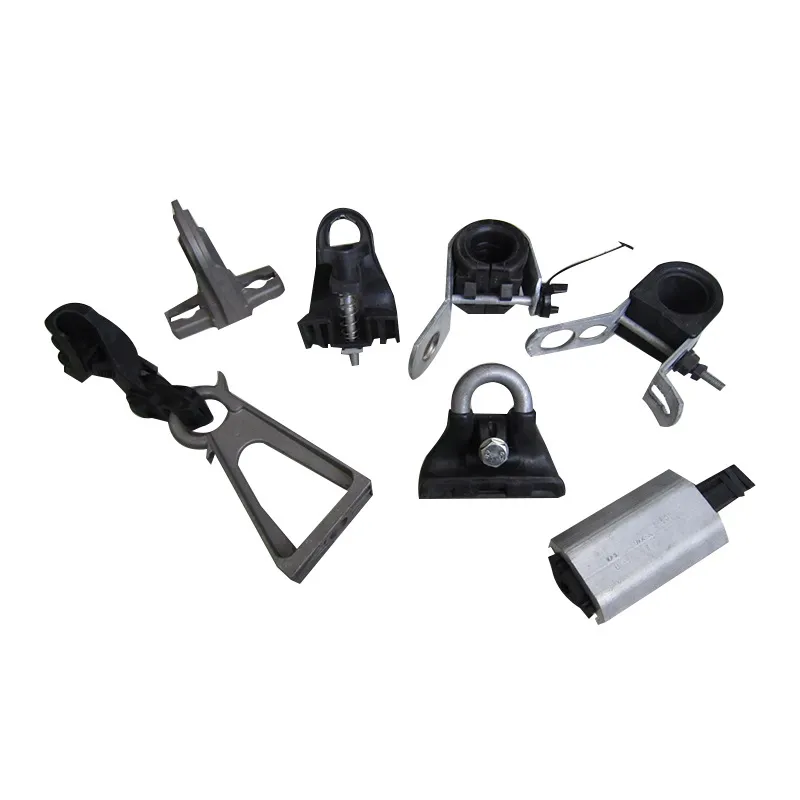
ES-1500 Clamps
Product Description: ES-1500 cable clamps are a type of fastener widely used in the e...
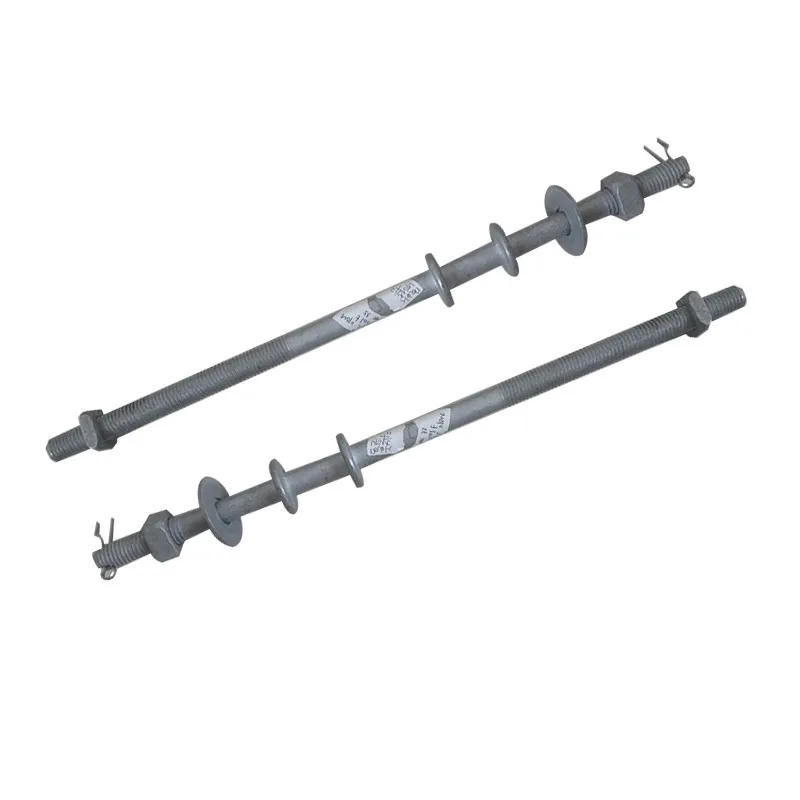
Straight Steel Insulator Legs
Product Description Straight Steel Brackets for Insulators Straight steel brackets fo...
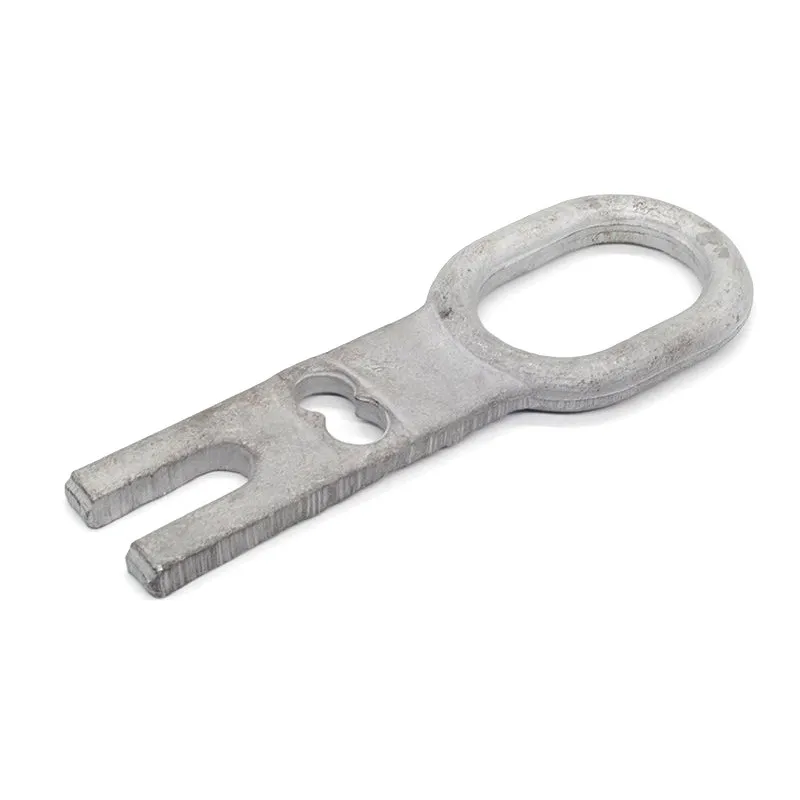
Ceiling suspension rings
Product Description: Ceiling suspension rings serve as primary connecting components...
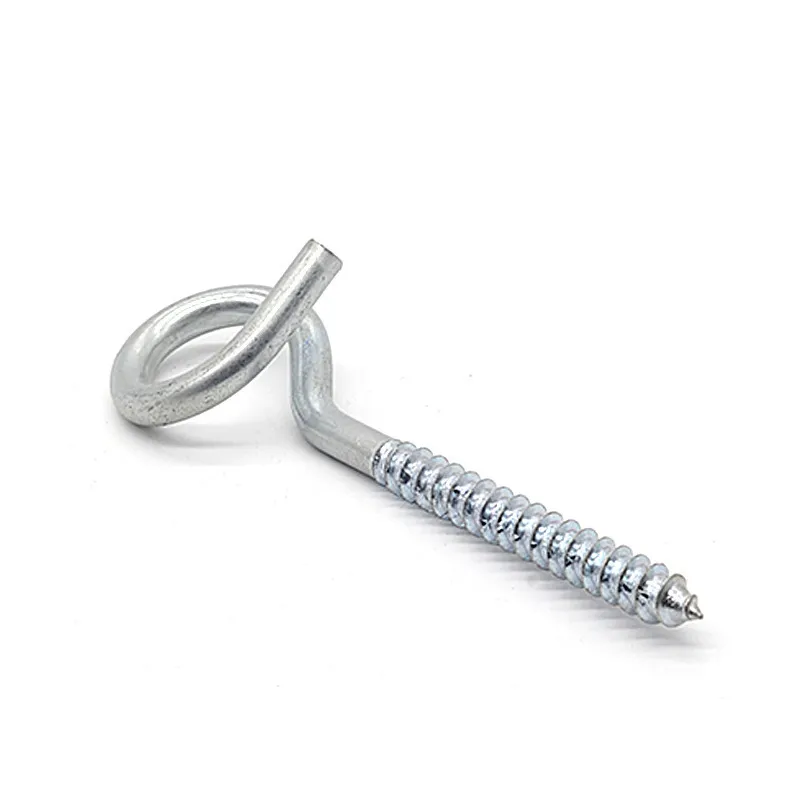
Pigtail wood screws
Product description: Pigtail wood screws are fasteners specifically designed for join...
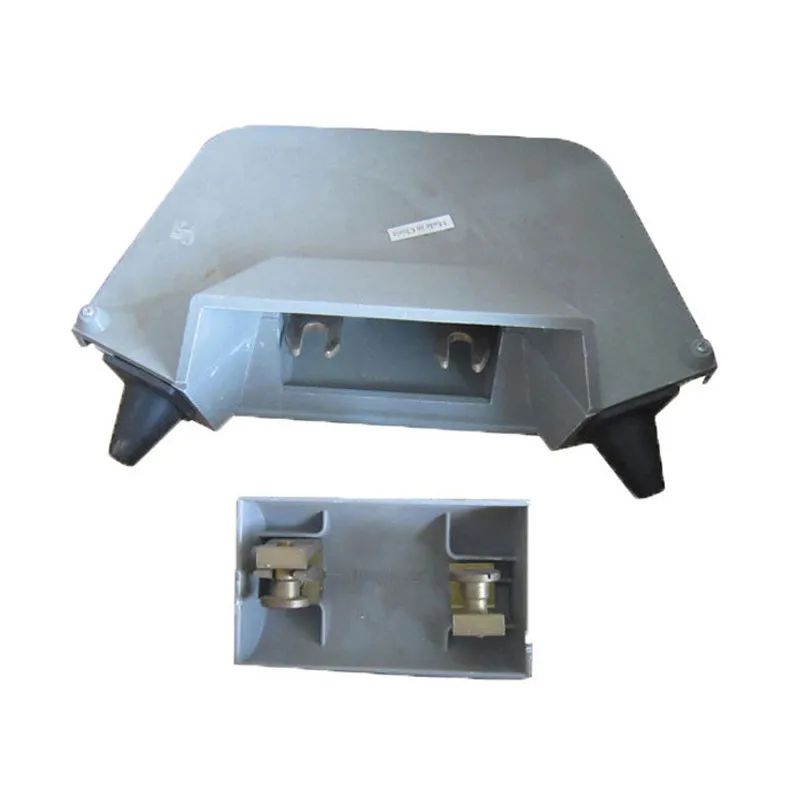
Disconnecting switch insulators
Product Function: Indoor disconnecting switches are one of the core components of ind...
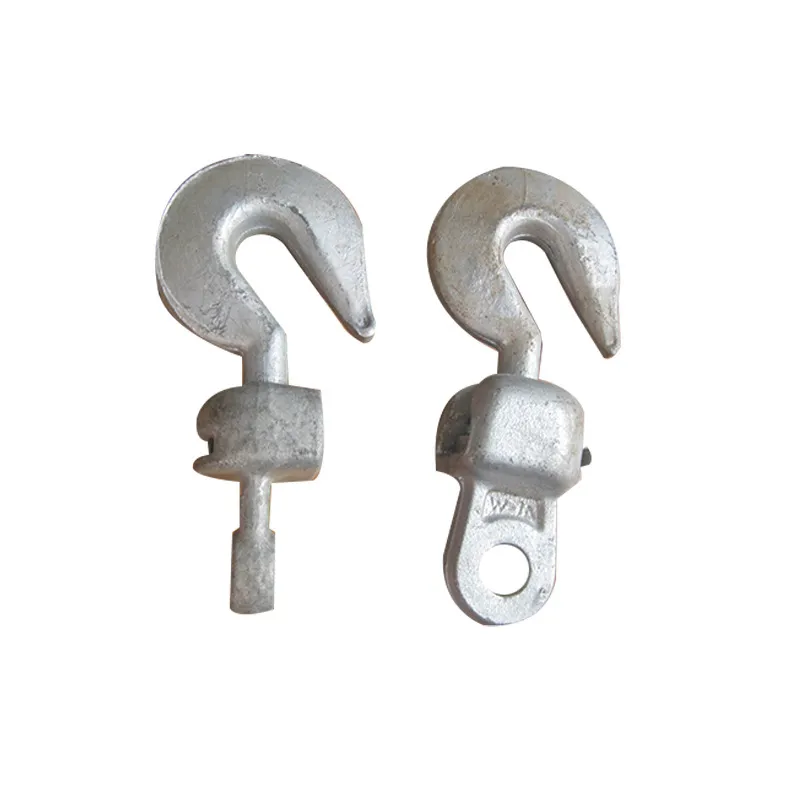
Cable hooks
Product Description: Cable hooks are essential organizational and fastening component...